


Wengen is the sort of ski resort that makes you feel like you’ve wandered into a snow globe - if the snow globe had proper mountain drama, immaculate trains, and a very Swiss talent for making everything feel effortlessly civilised. It’s all wooden chalets, huge Jungfrau views and that rare “proper mountain village” atmosphere that still gives you access to seriously good skiing.
This guide was written by Michelle Wheeler
Wengen ski resort at a glance
Wengen is that “how is this real?” Swiss mountain village perched above Lauterbrunnen in the Bernese Oberland, right under the big-hitters: Eiger, Mönch and Jungfrau.
It’s also deliciously car-free, so you get proper Alpine calm instead of traffic noise and slushy street chaos.
Ski-wise, you’re plugged into the Grindelwald–Wengen area, with around 101km of pistes served by 21 lifts. With the wider Jungfrau Ski Region pass, you’re looking at roughly 211km of runs across Grindelwald–Wengen, Grindelwald–First and Mürren–Schilthorn. There is plenty to ski for a week, with intermediates living their best life on long, scenic cruisers.
Getting here is surprisingly painless: the classic route is fly into Zurich then train via Interlaken/Lauterbrunnen (around 3 hours 30 minutes), and from Lauterbrunnen you roll straight up to Wengen by mountain railway. No white-knuckle driving required.

Altitude
1,034 m - 2,320 m
Pistes
211 km
Ski Season 26/27
21 Nov - 25 Apr
Transfer Time
210 mins
Number of pistes by difficulty
Resort Guide Quick Facts
(the stuff you actually care about)
Best for:
If you like big views, long runs, and a calmer, classic resort vibe, Wengen absolutely delivers. It’s especially strong for intermediates who want to cover ground without feeling like they’re in a constant mogul fight. It also works brilliantly for couples and families who want a pretty, walkable base with easy mountain access.
Ski area size:
The core Grindelwald–Wengen ski area is around 103 km of pistes. If you broaden out to the full Jungfrau Ski Region offer, it’s roughly 211 km of runs – handy if you’re the sort who gets bored skiing the same side twice.
Altitude:
Wengen village is at 1,274m, while the main lift-served terrain in the Grindelwald–Wengen sector is around 1,034m up to about 2,320m. That’s not “glacier-resort high”, so mid-winter is your safest bet for consistently coverage.
Villages / bases (each has a different vibe):
- Wengen itself is the storybook, traffic-free, you-can-walk-to-dinner base.
- Lauterbrunnen down in the valley is gorgeous and often better value, but you’ll commute up by train.
- Grindelwald is busier and more “base-town” feeling, with very direct access into other sectors too – great if your crew wants flexibility.
Beginner friendliness:
Beginners start on a sunny plateau in the village, with options to move up to a compact beginner area on Wengernalp if lower snow is poor. The progression path is sensible, but the mountain is still “real Alps”, so choosing the right routes (and not getting lured onto steeper stuff too early) matters.
Ski season (published dates):
Wengen’s Grindelwald–Wengen ski area is scheduled to run from 21st November 2026 to 25th April 2027. The Kleine Scheidegg sector follows that full window, while Männlichen is listed from 12th December 2026 to 4th April 2027. Dates remain subject to snow and weather conditions, so check the official Jungfrau Ski Region opening dates before booking right at either end.
You’ll love Wengen for…
Village charm
Scenic
Intermediates
| Our rating | |
|---|---|
| ★★★ | Beginner |
| ★★★★ | Intermediate |
| ★★★ | Advanced |
| ★★★ | Off-Piste |
| ★★★ | Snowboarding |
| ★★★ | Snow Reliability |
| ★★★ | Extent |
| ★★★ | Apres-Ski |
| ★★★★ | Mountain Restaurants |
| ★★★★★ | Scenery |
| ★★★★★ | Village Charm |
| ★★★★ | Non-Skiers |
Best for snow: Mid-January to early March
Mid-January to early March is your sweet spot - colder, more consistent, and the “proper winter” feel is strongest.
Best for value: Early January (post-New Year) and late March
Early January (post-New Year) and late March can be surprisingly decent if you avoid school-holiday weeks.
Best for families: February half-term
February half-term is the obvious pick… but book early, and expect busier lifts and pricier beds.
Avoid if possible: Peak holiday weeks
Peak holiday weeks if you hate queues - and very early season if you’re allergic to grass patches.
Tour Operators who go here



Looking to stay in Wengen?
What’s Wengen like?
Wengen’s big advantage is that it feels like a real mountain village rather than a purpose-built ski factory.
You arrive by train, step out into crisp air, and everything is compact enough that you’re not doing the “where even is the centre?” shuffle on day one. It’s also a resort that’s used to hosting skiers who care about scenery and comfort – so it’s polished, but not try-hard.
The vibe is classic Swiss: wooden chalets, grand old hotels, and views that make you stop mid-sentence. It’s also a proper World Cup name – the Lauberhorn downhill is a famous beast – which gives the place a little sporting swagger without turning it into a party zoo.
Town layout
Wengen is small enough that you quickly learn it by feel: the central strip, the station, the easy walking routes, and the lift access points that shape your ski day.
Because it’s largely traffic-free, you don’t lose time battling cars or hunting for a “safe” walkway – you just… walk. If you’re staying close to the core, you can do breakfast, pop out to hire/lessons, and be on uplift without turning it into a military operation.
Overall vibe
Think: calm, pretty, slightly posh in a “well-dressed Swiss auntie” way.
It’s popular with couples and families, and you’ll see plenty of people who genuinely came for the mountains, not the hangover.
That doesn’t mean it’s dull – it just means the default setting is cosy bars, good food, and early-ish nights unless you deliberately go hunting for late venues.
Après-ski
Après in Wengen is more “animated terraces and cosy joints” than all-day table-dancing.
It often kicks off up the mountain at a handful of lively spots, then drifts into the village where the nightlife is mostly café-bars and lounges – with a couple of places that properly keep going if you’re determined.
If you want mega-club energy every night, you might find it a touch tame – but for most people, it’s exactly the right amount of fun.
Looking to stay in Wengen?
Who Wengen suits
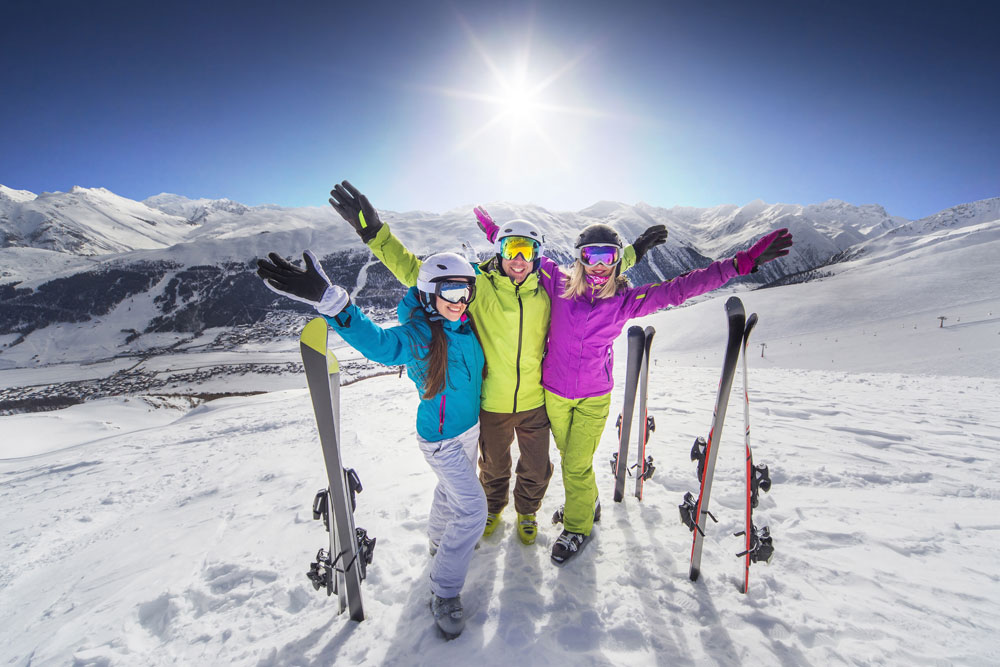
Intermediates (the sweet spot)
This is Wengen’s happy place. The area is packed with long, scenic blues and reds, and you can build big satisfying top-to-bottom routes with ridiculous views (hello, Eiger looming in the background).
The progression routes toward Kleine Scheidegg are classic “cruise and grin” skiing, and you can easily fill a week without repeating the same two pistes.
Stay tip:
- Central Wengen for instant access, or consider Grindelwald if you want easier day-hopping across sectors.

Advanced skiers & snow-sure seekers
You’re not coming to Wengen purely for gnarly steep-after-steep like some mega-resorts, but there are proper tests: black runs from Eigergletscher toward Wixi and the legendary Lauberhorn downhill line are the headline acts.
Off-piste exists too, but it’s serious mountain terrain avalanche risk is real, so go with a qualified local guide and the right kit.
Stay tip:
- Wengen is great for quick access to the Lauberhorn side; Grindelwald can be handy if you want fast links to higher starting points.

Snowboarders
Boarders generally like Wengen because you’re not trapped on endless drag lifts – the cable car and rail access does a lot of heavy lifting.
The big thing to watch is route choice: the Alps love a “flat-ish scenic connection” that looks cute on a map and feels less cute when you’re one-footing. Plan your day to keep momentum (and don’t be shy about asking locals which links are the least pushy).
Stay tip:
- Central Wengen is easiest for a no-hassle routine; Grindelwald can offer more flexible sector access.

Beginners (with a smart plan)
Wengen works for beginners if you’re happy with a gentle, structured start: there’s a sunny beginner plateau right in the village, and if snow is thin lower down, beginners can be taken up to a compact learning area on Wengernalp.
The key is staying in the “learning bubble” until you’re ready – this is proper alpine terrain once you leave the nursery comfort zone.
Stay tip:
- Aim for central Wengen so you can walk to beginner areas and keep mornings low-stress.

Families
Wengen is a strong family pick because it’s traffic-free, compact, and easy to manage on foot – which is half the battle with kids.
Ski schools are plentiful, and the whole “train and cable car” setup makes it straightforward for non-skiers to join lunch or split childcare shifts.
Stay tip:
- Central Wengen for walkability, or slightly quieter edges of the village if you want earlier nights and calmer mornings.

Freestyle / Terrain Parks
You’re not in a single-resort “park mecca”, but you do have proper freestyle options in the wider area, plus fun-slope style features that are great for progression without sending it off a monster kicker on day two.
If freestyle is your main holiday mission, base yourself where access to the relevant sector is quickest.
Stay tip:
- Grindelwald can be handy if your park laps are the priority; Wengen still works if you’re mixing park days with cruisy skiing.
Looking to stay in Wengen?
Where is Wengen?
Wengen is in Switzerland’s Bernese Oberland, sitting above the Lauterbrunnen Valley in the Jungfrau Region.
It’s reached by mountain railway (no normal car access into the village), with travel typically funnelling via Interlaken Ost and Lauterbrunnen before you head up to Wengen. It’s also perfectly placed for the big scenic hits – the Eiger, Mönch and Jungfrau are basically your constant backdrop – which is why even your “quick coffee” somehow turns into a photo shoot.
Looking to stay in Wengen?
Skiing in Wengen (ski area, terrain, lifts, snow)
Wengen’s skiing is all about big, satisfying days with maximum scenery and minimal faff.
You’ve got a core area linked with Grindelwald that’s built for cruising and confidence-building, with a few proper sting-in-the-tail challenges for stronger skiers.
The clever bit is how the transport links shape your day: rail and cable car access means you can start in different places, dodge crowds with smart timing, and keep options open if weather shifts.


Terrain overview
The Wengen side of the Jungfrau Ski Region is built around two main moods: the broad, scenic Männlichen sector and the busier, better-connected Kleine Scheidegg hub.
From Wengen village, you’ve basically got two clean launch options: the Männlichen cableway for quick access to sunny cruising terrain, or the Wengernalp Railway up to Kleine Scheidegg, which is the real junction box of the area.
That is where the mountain starts to open up, linking the Wengen slopes with routes toward Grindelwald and the wider Grindelwald–Wengen domain.
The Grindelwald–Wengen sector runs from 1,034m to 2,320m, with Kleine Scheidegg and Männlichen as the key sub-areas.
In practice, the Wengen side skis best when you think in loops. Männlichen is the place for wide, confidence-boosting laps and big views, while Kleine Scheidegg is where you branch out, change direction, and decide whether you’re keeping things local or heading across toward Grindelwald.
The obvious crowd magnets are the main uplift lines out of Wengen and the central meeting point feel of Kleine Scheidegg, especially at lesson time, first lift, and just after lunch.
Stay tip:
If you want the easiest mountain access and the least faff in the morning, stay near Wengen station or within easy reach of the Männlichen cable car, so you can choose your first move based on conditions.
Lifts & getting around the mountain
Wengen’s lift system is one of those set-ups that sounds slightly complicated on paper and then makes perfect sense once you’re there.
It is not just “one gondola and a few chairs”; it is a proper mix of mountain railway, aerial cableway and on-mountain lifts, which suits Wengen brilliantly because the village itself is car-free and naturally tied into rail travel.
From the village, the Wengen–Männlichen aerial cableway gets you up fast, while the train to Kleine Scheidegg gives you a very Swiss-feeling start to the day: efficient, scenic, and dramatically less irritating than dragging yourself through endless surface lifts before your legs have even warmed up.
Where it gets slightly less serene is at the obvious pressure points. First thing in the morning, lots of people are making the exact same “Männlichen or Kleine Scheidegg?” decision at the exact same time.
Then you get the mid-morning drift toward the central hub, plus the classic post-lunch everyone-had-the-same-idea crunch.
The smart move in Wengen is to use the transport variety properly. Start early, pick a side, and resist the temptation to bounce back and forth too much in the busiest windows.
If queues are building on one route, the railway can be a genuinely useful reset rather than just a scenic extra. Skiing through the busiest lunch hour and eating a little earlier or later also works absurdly well here.
Stay tip:
Book somewhere central in Wengen rather than on the far edges of the village, because shaving even ten awkward minutes off your morning routine can be the difference between gliding onto an empty train platform and joining a small but very noticeable crowd.
Snow reliability & season length
Wengen is gorgeous, but it is not one of those high-altitude places where you can lazily assume perfect snow top to bottom all season and crack on.
Wengen village sits at 1,274m, while the Grindelwald–Wengen ski area reaches up to around 2,320m, so snow quality improves noticeably the higher you start and the more you work the main mountain sectors rather than relying on lower descents every single day.
Official area info puts the ski zone between roughly 1,034m and 2,320m, with the season typically running across winter into spring, and live slope data is a big deal here because lower runs and valley descents are naturally more weather-sensitive than the upper mountain.
That means mid-winter is the sweet spot if snow reliability is your priority. January to early March is when Wengen usually gives you its best balance of cold temperatures, crisp pistes and reliable cover across the main sectors.
Early season can be a bit more “check before you travel” lower down, while late season often becomes a game of following the best aspects and starting high.
The upside is that when Wengen is on form, it is ridiculously beautiful: clear light, immaculate views of the Eiger, Mönch and Jungfrau, and pistes that feel properly Alpine rather than just functional.
The valley run back toward Wengen is often a real bonus when it’s open, but it is not the bit of the resort you should build your whole snow-confidence plan around.
Stay tip:
If snow matters more to you than village wandering convenience, stay somewhere that lets you get onto the first train or cable car quickly, because in softer weather the people who reach the upper mountain earliest usually get the best of the day.

Wengen has that classic Swiss habit of looking elegant and civilised while hiding some very serious mountain terrain just beyond the edge of the piste.
Around Kleine Scheidegg, Lauberhorn and Männlichen, there is plenty to tempt strong skiers into itinerary terrain, powder lines and more adventurous route choices, but this is absolutely not the place for casual “we’ll just duck under here and see what happens” decision-making.
Once you leave the piste, you are moving out of the managed, signposted part of the day and into terrain where judgement matters a lot more than confidence.
The good news is that guide culture is well established. Wengen Ski School offers ski guiding, and the wider area has a long-standing tradition of using professionals for off-piste days and for making the most of iconic terrain safely rather than heroically.
That is especially true in a resort where visibility, snowpack and route-finding can change the feel of the mountain quickly. So yes, there is adventure here, but the grown-up version of adventure.
Avalanche awareness, the right kit, and current local information are the baseline. If you want the thrill without the nonsense, book a guide and treat it as part of the holiday rather than an optional extra.
Stay tip:
If guided ski days are on your plan, stay central in Wengen near the station and main uplift routes, because early meet-ups are much easier when you can stroll out with a coffee instead of turning the start of the day into a mini expedition.
Beginners & improvers
Wengen is actually very likeable for beginners, but in a slightly Swiss, quietly competent way.
Right in the village, the Figeler practice area gives true first-timers a central, low-pressure place to get those first sliding, stopping and turning moments out of the way without immediately being marched into full mountain chaos.
It is a beginner practice area in the heart of the village, set up and monitored by the ski school, and that central location is a real win because it keeps the first couple of days simple.
Then, once people are ready to move on, there are proper next-step options higher up, including beginner facilities at Männlichen and more progression-friendly terrain toward Kleine Scheidegg and Wengernalp.
For improvers, this is where Wengen starts to shine. The mountain lets you build gradually: first the village area, then more open beginner zones, then longer blues and easy reds where you finally start to feel like a real skier rather than a supervised project.
In lower-snow periods, be prepared for lessons or learning laps to shift uphill rather than stubbornly staying in the village.
Stay tip:
If you are travelling with first-timers, stay in central Wengen near Figeler and the station area, so you are able to walk to lessons and the railway or cable car for later-in-the-week progression.
Freestyle & “more than pistes”
Wengen is not the sort of resort that screams freestyle first, and honestly that is part of its charm.
If your dream week is wall-to-wall park laps from breakfast till last lift, there are stronger one-note freestyle bases elsewhere. But if you like a trip with a bit more variety, the wider Jungfrau set-up works well.
On the Wengen/Kleine Scheidegg side, check out Lily Winter Slopes on Kleine Scheidegg for playful, feature-based riding, while the wider linked region includes the better-known freestyle offering over on Grindelwald-First, including the White Elements Snowpark zone and Lily’s Fun Slope.
So the freestyle option here is less “live in the park all week” and more “mix scenic piste days with park sessions when the mood takes you.”
That actually suits a lot of mixed groups. One person can chase side hits, rollers and playful terrain, while someone else is off having an extremely civilised panoramic cruise.
For younger riders, progressing riders, or anyone who likes their trip varied rather than hyper-specialised, that is a nice set-up.
Stay tip:
If park laps are going to be a big part of your week, stay as close as possible to Wengen’s main transport links; but if freestyle is just one ingredient in a broader ski holiday, central Wengen still works beautifully.
Best Runs in Wengen (by ability)
For beginners:
If you’re starting out, keep it simple and confidence-friendly: the village beginner plateau is the classic warm-up zone, and the Lily Family Slope and Lily Fun Slope add that “I’m learning but this is still fun” energy.
If snow is thin lower down, the beginner area on Wengernalp is the sensible move – it keeps you learning on snow instead of scraping around.
Check the current piste map for exact lift/run names and how they’re marked that week.
For intermediates:
This is where Wengen shines: work your way toward Kleine Scheidegg for those longer cruisers and big-view mileage, then build a proper top-to-bottom day by dropping down toward lower points like Grund when conditions allow.
The “epic long blue” under the Eiger is the kind of run that turns into a core memory (and yes, you’ll stop for photos).
Mix in red laps from the Lauberhorn and Männlichen summit sectors to keep it interesting.
For advanced:
Your headline challenges are the black runs from Eigergletscher toward Wixi, plus the route of the Lauberhorn downhill (which is famous for a reason).
If you want a “proper story to tell back home”, hiring a guide to ski the course and point out the features is a very Swiss, very satisfying flex.
If you’re thinking off-piste, treat it as serious alpine terrain: conditions, avalanche risk, and route choice matter massively here.
Off-piste note:
There are established itinerary/off-piste options, but this is not a “just duck the rope and see what happens” place – go guided, go equipped, go smart.
Looking to stay in Wengen?
Looking for accommodation in Wengen
Wengen’s accommodation choice is less about “which side of the motorway are you on?” and more about how you want your mornings and evenings to feel.
Stay central and life is gloriously simple: stroll to dinner, walk to uplift, and nobody’s dragging ski bags through traffic. Stay a bit higher/away from the core and you’ll often get quieter nights and sometimes better views, but you’ll trade a little convenience.
If you’re price-sensitive, it’s also totally normal to base in Lauterbrunnen or even Grindelwald and commute – just be honest with yourself about whether you want “easy ski holiday” or “slightly cheaper but more logistics”. The good news is the rail links are built for exactly this, and Interlaken/Lauterbrunnen connections are genuinely straightforward.
Quick chooser: which area is right for you?
- If you’re a first-timer or travelling with kids, pick central Wengen for the least faff.
- If your crew wants more flexibility across the region (and potentially a busier base vibe), Grindelwald is the practical alternative.
- If you want dramatic valley scenery and don’t mind commuting up to ski, Lauterbrunnen can be a great-value base.
- If you’re very budget-led, Interlaken can work, but you’ll spend more time in transit each day.
Village Comparison Table
| Area / Base | Altitude | Vibe | Best For | Nightlife | Beginner-Friendly | Access / Getting Around |
|---|---|---|---|---|---|---|
| Wengen (central) | 1,274m | Classic, car-free village | First-timers, families, convenience | ★★★ | ★★★★ | Walk everywhere, direct rail/cable car routines |
| Wengen (quieter edges) | 1,274m | Calm, scenic | Couples, early nights | ★★ | ★★★★ | Short walk into centre; still easy |
| Lauterbrunnen (valley) | (valley base) | Dramatic scenery, quieter | Value seekers, non-skiers | ★★ | ★★★ | Commute up by train to Wengen |
| Grindelwald | (valley base) | Busier “base-town” | Sector-hopping, mixed groups | ★★★★ | ★★★ | Very direct access to other sectors too |
(Star ratings are “relative vibe” rather than gospel)
Best Area for First-Timers
Central Wengen, especially around the station/Wengiboden side of the village. On a first trip, you do not want to spend the week decoding the village layout, dragging hire kit uphill, or realising too late that “quite close” to the lift means “annoying in ski boots.”
Wengen works best for beginners and first-time visitors when everything feels simple, and the station area is the closest thing the resort has to easy-mode.
You are near the Wengernalp Railway for getting up toward Kleine Scheidegg, close to the Männlichen cable car area, and within easy reach of ski hire, shops, restaurants and the main village flow.
Because Wengen is car-free and built around rail access, staying central makes the whole holiday feel smoother from day one – especially if the weather changes, someone needs a slower morning, or the group cannot agree on a plan before coffee.
Stay tip:
Aim for a hotel or apartment within a short, mostly flat walk of Wengen station or the Wengiboden side of the village, so your first ski holiday feels pleasantly Swiss and organised rather than like a daily logistics exercise.
Best Area for Ski-in Ski-out
Lower central Wengen is your best bet – but be picky and read the map properly.
Wengen is not a purpose-built mega-resort where half the accommodation is genuinely ski-in/ski-out in the classic French sense.
Here, “ski convenience” usually means being very close to the railway, the Männlichen cable car, or one of the practical return routes, rather than literally skiing past your front door.
That is why the best location is the lower, more central part of the village, especially around Wengiboden and the main transport links.
It gives you the easiest morning launch and the least painful end-of-day shuffle.
The catch in Wengen is gradient: a place that sounds close on paper can feel a lot farther when you are carrying skis uphill on snow-polished pavements in clunky boots. So this is the category where “only 200 metres” can be either brilliant or deeply misleading.
Stay tip:
If ski convenience is the whole point of the trip, prioritise properties near the station, Wengiboden or the valley station of the Wengen–Männlichen aerial cableway.
Best Area for Nightlife
Central Wengen again – but this time as close as possible to the village core without sleeping on top of the noise.
Wengen nightlife is not wild by big-resort standards, but it does have enough life in it that location still matters.
This is a resort of bars, hotel lounges, après spots and a couple of later-night options rather than all-out club chaos, so the winning move is staying near the centre where you can drift from après to dinner to “go on then, one more” without having to plan the walk home like a polar expedition.
The village core keeps you closest to the livelier social spots, and if you do end up at Hasenstall – which Wengen Tourism cheerfully describes as a late-night party place with DJs and dancing into the early hours – you will be very glad not to be trekking back from the far edges of the village after midnight.
Stay tip:
Look for somewhere central but not directly above the noisiest bars – close enough to wander home in five minutes, far enough that the soundtrack to your holiday is not bass through the floorboards at 1am.
Best Area for Families
Central Wengen or a quiet just-off-centre position near the village learning set-up.
For families, Wengen’s big advantage is not flashy family branding – it is the fact that the place is car-free, compact and genuinely easy to move around once you are in the village.
That alone removes a lot of stress. The other big win is proximity to the beginner infrastructure: the Figeler practice area sits right in the heart of Wengen and is specifically set up and supervised by the ski school, with conveyor belts and a Snowli-style learning set-up for children.
That means staying central or just slightly above/below the core gives you the best family rhythm: easy lesson drop-offs, quick snack detours, minimal schlepping with small children, and less chance of a tiny meltdown becoming a full afternoon saga.
If you want quieter nights, the edges of the centre are often the sweet spot rather than the absolute middle.
Stay tip:
For family ski weeks, choose somewhere within an easy walk of Figeler and the station area, but slightly off the busiest stretch of the village if your children go to sleep early and wake up dramatically.
Best Area for Budget Travellers
Honestly, the best-value base is usually Lauterbrunnen rather than Wengen itself.
Wengen is lovely, scenic and wonderfully car-free, but it is not pretending to be the bargain option.
If your budget is already whimpering, staying down in Lauterbrunnen and commuting up by Wengernalp Railway is the sensible money-saving play.
It works because Wengen is only accessible by train anyway, so everyone is using the rail system to some extent – you are just starting one step lower in the valley.
The trade-off is convenience: you lose that easy “pop back to the hotel” feeling, and mixed-ability or mixed-energy groups can find the extra coordination mildly annoying by day three.
It is still a strong option, though, especially for travellers who care more about skiing the area than being immersed in Wengen village life all day.
If you are driving, switch to public transport early, with parking hubs at Lauterbrunnen and change over as early as Matten or Wilderswil.
Stay tip:
If you want Wengen skiing without full Wengen prices, stay in Lauterbrunnen close to the station and treat the train as part of the routine – but if budget allows, a simple apartment in central Wengen can still be worth paying extra for just to save time and faff every single day.
Our Top Hotels

★★★
- Village centre
- Lifts - 2 mins walk
- Pool + spa
Victoria Lauberhorn is very central, close to the station, close to the Männlichen gondola.
The hotel has a livelier, more modern feel than some of Wengen’s old-school grande dames, and the wellness facilities are a genuine perk rather than a token sauna hiding in the basement.
Why choose it? A beginner-friendly base with a proper “holiday hotel” feel and a spa that actually earns its keep.

★★★★★
- Set back from the main street
- Lifts - around 5 mins walk
- Pool + spa
Grand Hotel Belvedere is the proper grown-up treat: grand and polished.
It suits couples, luxury-seekers and anyone who wants mountain views, elegant interiors and a softer landing after a day on the Jungfrau slopes.
Why choose it? The best splurge pick in Wengen when you want five-star comfort with genuine Alpine romance.

★★★★
- Grindelwald centre
- Lifts - ski bus outside; 10 mins walk to First gondola
- Rooftop spa
Hotel Kreuz & Post sits in the centre, close to the station, with ski bus access.
It suits mixed-ability groups, couples and families who want shops, restaurants and transport on the doorstep rather than a tucked-away mountain hideout.
Why choose it? A dependable Grindelwald base with central convenience and a spa that makes the price feel fair.

★★
- On the main street
- Lifts - short walk to station and Männlichen lift
- Wellness area - none
Hotel Bernerhof is the budget pick for skiers who would rather spend money on lift passes, lunches and a celebratory rösti than on a fancy bedroom they barely see.
It is simple, central and practical, which is the point.
Why choose it? The sensible Wengen money-saver when location matters more than luxury frills.
Tour Operators who go here
Looking to stay in Wengen?
Après ski, restaurants & winter activities
Wengen is the kind of resort where your “off-slope” time actually matters – not because you’re bored, but because it’s genuinely lovely to just exist there.
The traffic-free feel makes evenings calmer, and the village is built for strolling: grab a drink, wander past the old-school hotels, and have that smug little moment of “yes, this is why we picked Switzerland.”
Food-wise, you’ve got a good spread from cosy Alpine to smarter hotel dining, and it’s easy for non-skiers to join in because the mountain railway/cable car access makes meet-ups simple.
If you’re travelling with a mixed group (some ski hard, some like a scenic lunch and a book), Wengen handles it better than most.
And for après: it’s not a wild party resort by default, but there’s enough going on that you won’t feel like you’re being tucked into bed at 8pm either.
The main trick is choosing your spots – lively slope-side first, then village bars later, and if you want late-night, you deliberately go to the places that do late-night.

Après here starts where it should: up the mountain at a handful of animated venues, then filters back into the village where things get cosier and more civilised.
In the centre, you’ve got a nice mix of classic bars and livelier joints – places like Rocks Bar and Sinas Pub for that easy “one turns into three” vibe, with Falken Piano Bar if you want something more loungey.
If you like a relaxed start, Mary’s Café is an easy win for a casual drink-and-watch-the-world-go-by moment.
If your group wants a bit more spice, Hasenstall is one of the names that comes up for livelier energy, and then there’s the “okay, we’re actually going out-out” option: the Blue Monkey Club is a proper late-night spot. It’s not Ibiza in snow boots, but it’s definitely enough to make you feel like you had a night.
My honest advice: plan one bigger night and keep the rest flexible. Wengen rewards the “nice dinner, good chat, bed before you hate yourself” rhythm – and then you ski better the next day, which is kind of the point.
Mountain‑top Moments
Mountain food in Wengen is not just a refuelling stop – it is part lunch, part scenery, part tactical regroup.
The main on-mountain lunch hubs are Männlichen and Kleine Scheidegg, and they are popular for a reason: they sit right on the heart of the ski network, make easy meeting points for mixed-ability groups, and come with the sort of views that make even a quick plate of rösti feel suspiciously glamorous.
At Berghaus Männlichen, the whole appeal is that big sun-terrace, high-altitude pause at 2,225m, while Bergrestaurant Kleine Scheidegg leans into classic Swiss dishes with front-row views of the Eiger, Mönch and Jungfrau.
If you want something a bit more polished at the main hub, Restaurant Eigernordwand at Kleine Scheidegg has self-service and serviced options, which is handy when one half of your group wants speed and the other wants a proper sit-down lunch.
Beyond the headline terrace spots, Wengen has some really good mountain stops that feel more characterful and a bit less “everyone had the same lunch idea.”
Hotel and Restaurant Jungfrau Wengernalp is one of the prettiest lunch locations on the Wengen side, sitting on the sunny Wengernalp with a panoramic terrace and full face-on views of the big three peaks.
Around Kleine Scheidegg, Grindelwaldblick mountain lodge is another strong shout if you want traditional Swiss food with more hut energy than transport-hub bustle. Then there are the classic in-between pause points – Brandegg, Alpiglen and Holenstein – which are less about long, boozy lunches and more about hot chocolate, quick recovery and getting the group moving again before someone’s legs or mood fall apart.

In the village, Wengen does a really nice line in “hotel restaurant, but actually worth leaving your room for.” You have proper choice here, not just a row of identikit Swiss menus.
At the smarter end, Jack’s Brasserie at Hotel Regina is the obvious name-check: Victorian in style, with homemade dishes and both menu-of-the-day and à la carte options. So that is your polished-but-not-stuffy dinner slot sorted.
If you want something more foodie, Chez Meyer’s, also at the Regina, is the splurge option, with 15 GaultMillau points and surprise menus in 3, 4 or 5 courses.
Then for classic Alpine comfort with a more local, rooted feel, Alpenkräuter Restaurant Bären is a strong Wengen shout: with regional, seasonal and fresh cooking, which is exactly the mood when you want a proper sit-down dinner after a long ski day.
For easier, crowd-pleasing evenings, Wengen is also very good at the “everyone finds something they like and nobody has to overthink it” category. Ristorante Pizzeria Steakhouse Da Sina is the reliable one for Italian dishes, pizza, steaks and fish, in a warm, rustic setting that feels made for hungry ski groups.
Restaurant Maya Caprice gives you another easy win, with freshly prepared dishes and an Italian touch, plus those big Jungfrau-facing views if you want dinner with a bit of scenery baked in.
For something cosy and versatile, Stübli Restaurant & Bar Schönegg is the place for lunch, dinner, coffee or just a good glass of wine, so it works nicely when your group is split between “full meal” and “I just need cake and a sit-down.”
Speaking of cake: Mary’s Café is very much in that late-afternoon sweet spot, with daily lunch specials, à la carte dishes and homemade cakes, and it sounds exactly like the sort of place you accidentally turn into a daily ritual.
If you want one more classic Swiss option, Judy’s Restaurant at Hotel Bellevue serves small, fine Swiss specialities in set 3- or 5-course menus, while La Belle Époque at Hotel Falken goes for old-school elegance and a more refined, atmospheric dinner.
Wengen is brilliant for non-ski days because the journey itself is part of the fun.
The railway access makes scenic trips ridiculously easy – even if you’re not skiing, you can ride up into the mountains, meet people for lunch, and do winter walks with views that feel borderline fake.
Jungfraujoch is the high-altitude railway station and visitor attraction known as the “Top of Europe”, with glacier views, viewing platforms and snow experiences. It is the obvious big-ticket excursion, and it’s very “once in your life” if you’ve never done it.
Down in the village, the traffic-free streets make it nice just to wander, shop, and café-hop without feeling like you’re dodging cars.
If you’re travelling with a mixed group, Wengen’s setup is ideal: skiers ski, non-skiers do scenic stuff, and everyone meets easily because the transport links are built for it.
And if the weather is truly foul, this is Switzerland – there are plush spas around, and “we’re doing wellness today” suddenly feels like a very sensible life choice.

Getting home safely & easily
The good news: Wengen is compact, walkable, and largely traffic-free, so getting “home” usually means a short stroll rather than a taxi mission.
If you’re staying central, you’ll rarely need anything beyond your own boots (and maybe a headtorch if you’re out late and it’s properly dark).
If you’ve stayed outside Wengen (say, Lauterbrunnen or Grindelwald), your return is train-led.
The rail links are the backbone here, so you’ll plan around timetables rather than road conditions, which is honestly less stressful.
Exact late-night taxi pricing varies, so if you’re budgeting tightly, build your evenings around train times rather than assuming a cheap taxi bailout.

Ski schools & learning zones
Wengen is set up well for lessons because the learning zones are clear, access is straightforward, and the village routine is easy: you can actually get everyone to meeting points without it turning into a daily argument.
If you’re booking during peak weeks (especially February), you’ll want to get lessons sorted early so you’re not stuck with awkward times that split the group.
There’s also a strong case for booking at least one private session if you’re an adult improver or a nervous returner – Wengen’s terrain is gorgeous but “real alpine”, and having someone pick the right routes can save you from the classic mistake of accidentally skiing something you weren’t ready for.
For stronger skiers, guiding can turn iconic runs into a proper experience – especially on famous routes like the Lauberhorn line.

In Wengen, true beginners usually start at Figeler, the dedicated practice area right in the middle of the village.
It is not some token patch of snow tucked away behind a hotel: it is a beginner practice area in the heart of the resort, set up, operated and monitored by the ski school, with conveyor belts and a Snowgarden designed to make those first few days feel safe and fun rather than mildly traumatic.
The big plus is that it is easy to reach from hotels and chalets, with no major queues, so the first day can stay focused on stopping, turning and not falling over in front of strangers.
Once beginners are ready to move beyond the village nursery set-up, Wengen’s uplift pattern becomes a big part of the learning experience.
This is a resort where the Wengen–Männlichen aerial cableway and the Wengernalp Railway do a lot of the heavy lifting, with the cable car taking about 10 minutes to Männlichen and the train taking about 25 minutes to Kleine Scheidegg.
That is great for comfort, but it also means the best lesson plans are the ones that avoid frantic connections and too much pre-ski faff. For children especially, fewer “hurry up, we’ll miss the train” moments usually means a much better lesson day.
Wengen Ski School also uses several different meeting points – including Snowgarden, Wengiboden, the Männlichen cable car and Figeller – so it is worth checking the exact course logistics rather than assuming everything starts in the same place.
If lessons are a major part of your week, staying central in Wengen is still the smartest move by miles.
The village is car-free and only accessible by the Wengernalp Railway, so once you are there, the whole point is to make life easy: walk to ski hire, walk to the ski school, walk to the meeting point, and keep the morning calm.
That is especially valuable in Wengen because the learning infrastructure is actually in useful places – the ski school is based at Wengiboden, and the Figeler beginner zone is right in the village rather than out on some awkward edge-of-resort patch.
Central accommodation gives you the best chance of having one of those gloriously low-drama mornings where forgotten gloves are an inconvenience, not a full operational crisis.
It also gives families and mixed groups more flexibility. One parent can walk a child to lessons while someone else heads straight for the first cable car or train, and you can all meet later without anyone needing a taxi, a bus timetable or a heroic uphill trudge.
If you are staying down in Lauterbrunnen or over in Grindelwald, lessons are still perfectly doable, but you do lose that nice Wengen ease.
You need to build in buffer time, know your departure the night before, and accept that last-minute changes are harder when your whole ski morning depends on train timing rather than just stepping out the door.
If you are already staying in Wengen, getting to lessons is mostly blessedly simple: it is a walking resort.
The beginner area at Figeler is central, and the ski school’s lesson structure is built around village-based meeting points such as Figeller, Snowgarden, Wengiboden, the Tourism Office and the Männlichen cable car depending on the class.
That is what makes Wengen work so well for nervous starters and families – you are not spending half your energy just reaching the lesson.
Even the beginner packages are designed around this central set-up, with use of the lifts at Figeler included and a meeting point at the side entrance of Central Sport for those packages.
If you are travelling in from the valley, your lesson plan starts the day before, not when you wake up.
Wengen is only accessible by rail, so if you are coming from Lauterbrunnen you will typically go up by the Wengernalp Railway and then walk to your meeting point.
That is not difficult, but it does mean you should know exactly where the lesson starts, leave a decent buffer, and not assume you can sprint the last few minutes in ski boots while managing children and rental kit.
The same goes for guided ski days: whether it is a technique session, a mountain orientation day or a private lesson through the wider Jungfrau area, agree the meeting point and first uplift in advance so the guide is making your day smoother, not spending the first half-hour waiting for your group to assemble.
Wengen is easy by Alpine standards – but it is still much easier when you treat mountain timing like part of the plan.
Looking to stay in Wengen?

Lift passes, costs & budgeting
Wengen’s lift-pass setup is refreshingly simple once you know what the main product actually covers.
The standard Jungfrau Ski Region pass already gives you access to the three big ski areas of Grindelwald–Wengen, Grindelwald-First and Mürren-Schilthorn, with around 211km of pistes across the wider region.
That means you are not buying a “Wengen-only” week pass and then paying again every time you want to go somewhere else.
Adults pay a slightly higher tariff over Christmas/New Year and through most of February, while child and youth prices stay fixed.
Families should also pay attention to Saturdays, because up to three children aged 6–15 can ski free when one adult buys a qualifying day or afternoon ticket.
Which ski pass should you buy in Wengen?
Think of it like this: skiing several days? Buy the Jungfrau Ski Region pass. Only skiing a short day? Look at the half-day option. Travelling with children? Saturday can completely change the family costs.
Option A - Jungfrau Ski Region Pass
What it is: The main regional pass covering Grindelwald–Wengen, Grindelwald-First and Mürren-Schilthorn.
Best for: Most Wengen holidays, particularly intermediates, mixed groups and anyone who wants to explore beyond Kleine Scheidegg and Männlichen during the week.
For 2026/27, an adult six-day pass costs CHF 404 in the lower tariff period or CHF 424 during peak dates. Seven days costs CHF 450 or CHF 473.
The pass also includes the relevant Jungfrau-region rail travel used to reach the ski areas, including the train journey from Interlaken Ost into the ski region.
Plain English: This is the “one pass, whole Jungfrau ski week, no need to overthink it” option.
Option B - Half-day and short-stay tickets
What it is: Half-day, one-day and shorter-duration Jungfrau Ski Region passes.
Best for: Arrival or departure days, short breaks, mixed-weather days and anyone who knows they won’t be skiing from first lift to last.
For 2026/27, the adult half-day price is CHF 62 in the lower tariff period or CHF 65 during peak dates.
One useful quirk: during otherwise lower-priced periods, Saturday and Sunday one-day and half-day tickets use the higher adult tariff.
Plain English: This is the “we want a proper ski, just not a full-day commitment” option.
Option C - Saturday family offer
What it is: A Saturday promotion giving up to three children aged 6–15 a free day ticket when one adult buys a qualifying full-price day or afternoon ticket.
Best for: Families doing a weekend, Saturday arrival or departure skiing, or anyone who can deliberately build one ski day around the offer.
The free-child deal applies to day or afternoon tickets, not multi-day or season passes.
It is available online as well as from Jungfrau Ski Region sales points, so there is no need to queue purely to claim it.
Plain English: This is the “Saturday just became considerably cheaper if you brought the children” option.
Wengen lift pass prices 2026/27
Here are the published headline prices for Wengen Winter 2026/27 (prices shown in CHF):
| Skipass Jungfrau Ski Region | Adult | Child | Youth |
|---|---|---|---|
| Half day | CHF 65 | CHF 30 | CHF 36 |
| 1 day | CHF 83 | CHF 38 | CHF 45 |
| 6 days | CHF 424 | CHF 183 | CHF 247 |
| 7 days | CHF 473 | CHF 204 | CHF 271 |
Jungfraujoch is an extra sightseeing cost
The Jungfraujoch – Top of Europe is not automatically included as unlimited travel with a standard Jungfrau Ski Region ski pass.
Ski-pass holders can buy a separate Jungfraujoch Top Ticket for the sightseeing journey. For winter 2026/27, that connection ticket is CHF 63.
Deposits, insurance, and when to buy
Here’s how to do Wengen like someone who hates queues and hates wasting money:
KeyCard / SwissPass: If you have a physical SBB SwissPass, your Jungfrau ski pass can be loaded directly onto it. Otherwise, choose a new KeyCard when booking and collect it using your QR code at Wengen station or another Jungfrau sales point.
Insurance: You can cancel or rebook free of charge until 23:59 on the day before the first day of validity. After skiing has started, illness, accident or interruption are subject to much stricter refund rules, so check the optional cancellation insurance alongside your normal winter sports cover.
When to buy: The Jungfrau Ski Region doesn’t use aggressive dynamic pricing. The main budgeting issue is choosing the correct lower or peak adult tariff and the correct duration.
For most week-long Wengen holidays, the 6 or 7 day Jungfrau Ski Region pass is the obvious choice. The real savings come from using shorter tickets when appropriate and taking advantage of the excellent Saturday children’s offer.
Looking to stay in Wengen?
Common Wengen Ski Holiday Mistakes
Wengen is easy to enjoy, but its car-free arrival, rail-based layout and big-mountain terrain mean a few common mistakes can make your holiday more complicated.
Treating Wengen like a drive-in resort
You can’t just roll into the village with your car and unload outside your hotel – Wengen is largely traffic-free and built around rail access. Plan your arrival like a train journey (because it is one), and you’ll feel smug instead of stressed.
Buying a long pass automatically “because we always do”
If you’re doing Jungfraujoch, taking a rest day, or travelling with beginners, you might not ski 6–7 full days. Price out what you’ll realistically use
Letting the Eiger views distract you into the wrong route
The terrain is manageable, but it’s still big-mountain skiing – and it’s easy to end up committed to a longer descent than you intended. Check your map at junctions, don’t “just follow people”, and if visibility drops, simplify your plan fast.
Peak-time queue face-planting
If you stroll out late, ski to lunch at noon, and then all leave lunch at 1pm… congratulations, you have chosen the busiest moments on purpose. Start earlier, eat later, and you’ll ski more and queue less.
Going off-piste like it’s a casual side quest
The off-piste and itineraries here are real alpine terrain – avalanche risk, complex routes, and consequences. If you want that experience, do it properly: guide, kit, bulletin awareness, and zero solo bravado.
Getting to Wengen
Getting to Wengen is straightforward, with several airport options and excellent rail connections through Interlaken Ost and Lauterbrunnen. Whether you’re flying, driving or arriving by train, here’s everything you need to know before you travel.
1) Fly + rail transfer
(the “plane to platform” option - and honestly the smartest)
For Wengen, most people fly into Zurich first, with Geneva as the other big airport option and Basel also workable. Wengen is car-free, so this is not a normal “airport transfer straight to the hotel door” resort. Even if you go private for part of the journey, the trip usually becomes rail-led by the end.
As a sensible guide:
- Zurich Airport → Wengen: roughly 2 hours 45 minutes – 3 hours 15 minutes by rail.
- Geneva Airport → Wengen: roughly 3 hours 45 minutes – 4 hours 15 minutes by rail.
Real-world tip: don’t overpay for a “door-to-door” transfer without checking what that actually means – Wengen itself is car-free, so the slickest version is usually flight + train, or private transfer to the valley followed by the last leg up by rail.
2) Train to Wengen
(the “Switzerland showing off” choice)
This is the most natural way to reach Wengen, and very often the least stressful.
The classic gateway is Interlaken Ost, where you take the blue-and-yellow Bernese Oberland Railway toward Lauterbrunnen, then change onto the yellow-green Wengernalp Railway for the climb to Wengen.
Typical timings look like this:
- Interlaken Ost → Wengen: roughly 37 minutes by rail.
- Lauterbrunnen → Wengen: roughly 12 minutes by Wengernalp Railway.
- Lauterbrunnen → Kleine Scheidegg: roughly 42 minutes if you are continuing further up the mountain.
Real-world tip: sit in the front part of the train from Interlaken Ost, because the rear section splits off at Zweilütschinen and heads to Grindelwald instead.
3) Driving to Wengen
(the “flexible until the last bit” option)
Driving to Wengen is really driving to Lauterbrunnen, then finishing the journey by train. If you arrive by car, you leave it in the valley and take the train up.
The main practical parking option is the multi-storey car park directly below Lauterbrunnen station, with another option at the church car park, where there is a bus to the station every half hour and a free ski bus in winter.
Time-wise:
- Interlaken → Lauterbrunnen: roughly 20–30 minutes by road, depending on the season.
- Lauterbrunnen → Wengen: roughly 12 minutes by train after you have parked.
Real-world tip: treat Lauterbrunnen station as the real end of the drive, not Wengen. Pack with that in mind – Wengen is beautifully walkable, but it definitely rewards sensible luggage.
Getting around once you’re there (easy… with one tiny “ski boots on a slope” reality check)
Walking (your default setting - if you’re central)
Wengen is one of those resorts that makes you instantly relax because the village is car-free and genuinely built for being on foot. Once you’re there, the whole place clicks into a simple rhythm: walk to ski hire, walk to the station or cable car, walk to dinner, walk home. If you’re staying centrally, it feels compact and wonderfully low-faff.
Railway + cable car (the bits that do the real heavy lifting)
For mountain access, Wengen lets the transport system do the work for you. The Wengernalp Railway is your link down to Lauterbrunnen and up toward the ski area. So yes, this is a resort where trains and cable cars are part of the daily routine - but in a very efficient, Swiss way rather than an annoying one.
Taxis + late-night reality (plan a little, thank yourself later)
If you’re staying down in the valley, the train is your daily commute, and it’s smart to treat it that way. Wengen’s car-free set-up is part of its charm, but it does mean your evening plan works best when you’ve got one eye on the last sensible rail connection back. Taxis do exist for the wider journey, but only down in Lauterbrunnen.
Ready to make your piste dreams a reality?
Whether you’re scouting dreamy hotels, comparing the best tour operators or looking for fresh ski inspiration, we’re here to help you turn ideas into an actual holiday.
Take the next step by browsing hotels in this resort, choosing a trusted ski tour operator or signing up to our newsletter for destination ideas, practical advice and the latest tips delivered straight to your inbox. From finding the right place to stay to choosing the best way to book, we’ve got plenty to help you plan with confidence. Pick your next move and let the adventure begin.
Looking for more inspiration?
Sign up to our free newsletter

Ready to book your stay?
Take a look at our hotel guide and see what suits your requirements and budget
Tour operators
For more from our tour operators click the logos above
Wengen FAQs
Whether you’re visiting Wengen for the first time or heading back for another trip, these FAQs should help answer the most common questions before you book and before you travel.
Is Wengen good for a one-week ski trip, or will we run out of terrain?
A week works well because you’re not limited to a tiny hill – the core Grindelwald–Wengen area gives you substantial mileage, and the wider Jungfrau Ski Region pass expands the playground even more.
The real win is variety: cruisy days, big scenic routes, and a couple of tougher “I earned my beer” descents. If you’re the type who needs a new sector every day, consider basing in a way that makes hopping around easier (Wengen central for simplicity, Grindelwald for flexibility).
Can we drive to Wengen and park at our hotel?
Not in the normal “drive-to-front-door” sense. Wengen is largely traffic-free and accessed primarily by the Wengernalp railway, so the standard approach is park in the valley (often Lauterbrunnen) and travel up by train.
This sounds annoying until you do it – then you realise it’s actually calmer than wrestling icy roads and resort traffic. The main practical tip is to plan your luggage and arrival time so you’re not rushing connections.
What’s the best airport for Wengen from the UK?
Most people fly to Zurich for the smoothest balance of flight options and rail connections, with Geneva as another common choice (typically a longer train journey).
Typical rail travel times vary with connections, but Zurich is often around the 3.5-hour mark to Wengen, while Geneva is usually longer. If you’re booking flights, pick the one that gives you a sane arrival time – landing late can turn an easy transfer into a faffy one.
Is Wengen snow-sure?
It’s not a glacier resort, so “snow-sure” depends on when you go. Wengen village is at 1,274 m, and the main lift-served terrain in the sector reaches about 2,320 m – mid-winter is your safest bet for consistent coverage.
Early season can be variable lower down, and late season depends heavily on temperatures and aspect. The smart play is picking a mid-winter week if snow reliability is your top priority.
Are lift passes expensive here - and how do we avoid overpaying?
Swiss lift passes aren’t cheap, and prices can rise in peak periods. The Jungfrau Ski Region price list shows different peak pricing for adults, so the #1 rule is: price your pass for your exact dates.
If you’re not skiing every day, don’t default to 6–7 days out of habit – build your plan first, then buy. Also check family offers (there’s a published Saturday children’s free-pass deal under certain conditions), which can offer genuine savings.
Is Wengen good for non-skiers?
Yes – arguably better than many resorts – because rail/cable car access makes it easy to get into the mountains without skiing.
Non-skiers can do scenic trips, winter walks, and meet skiers for lunch at mountain hubs without needing to drive anywhere.
Jungfraujoch is the high-altitude railway station and visitor complex known as the “Top of Europe”, sitting between the Jungfrau and Mönch peaks with glacier views, panoramic terraces and snow attractions.
Big excursions like Jungfraujoch are also part of the “Wengen experience” for a lot of visitors. If your group has mixed priorities, Wengen’s transport setup is a quiet superpower.
What’s après like - will it be too quiet?
It depends what you call “quiet.” Wengen isn’t a chaotic party factory, but it’s not dead either.
Après often starts on the slopes at a handful of lively venues, then moves into the village for bars like Rocks Bar and Sinas Pub, with places like Blue Monkey Club if you want a proper late-night option. Most people end up loving the balance: fun nights when you want them, calmer nights when you want to ski well tomorrow.
Do we need to book restaurants and ski school early?
In peak weeks, yes – do it. Wengen is popular with families and couples, and the good places (lessons and dinner spots) don’t stay secret.
Book ski school early if you care about lesson times that fit your day, and book dinners if you want specific restaurants rather than “whatever has a table at 9pm.” In quieter weeks you can be more spontaneous, but planning is never a bad idea here.
Is Wengen suitable for snowboarders?
Generally yes, especially because rail/cable car uplift reduces the “drag lift suffering” factor. The key is route planning to avoid flat connections that force you into one-footing or pushing.
If you’re in a mixed group, ask locals or instructors which links are least annoying for boards – it can make the difference between a smooth day and a day of swearing at gravity.
Should we hire a guide for Wengen?
If you’re sticking to pistes and you’re comfortable reading a map, you don’t need a guide.
But guides add real value here for two reasons: off-piste/itinerary terrain is serious and should be approached professionally, and iconic experiences like skiing the Lauberhorn route become much richer when someone can point out the features and history.
If you’re an advanced skier looking for “best lines, least crowds”, a half-day guiding session can pay off fast.