


Sölden combines fast access to big terrain with a proper buzzy base and an après scene that doesn’t really understand the concept of “an early one”. It’s the resort equivalent of turning up to a house party and realising it’s got a live DJ, a secret room and someone handing out snacks at the door – built for people who want maximum laps by day and maximum stories by night.
This guide was written by Michelle Wheeler
Solden ski resort at a glance
Sölden sits in Austria’s Tyrol, in the Ötztal valley, and it’s basically the resort equivalent of turning the “snow reliability” setting up to max.
You’ve got big altitude (the ski area runs roughly 1,350m to 3,340m) and two glacier zones, which is why people love it for early/late season trips.
It’s a proper, high-energy ski town rather than a sleepy chocolate-box village, with plenty going on once the lifts close.
On paper, it’s a chunky week: about 146km of pistes, 31 lift facilities, and a modern lift network that’s built for covering ground (and doing “just one more run” about twelve times).
For transfers, most people aim for Innsbruck (airport/train links into the valley are straightforward), then you’re typically around an hour-ish from Innsbruck Airport depending on traffic and conditions. If you like ski days with big views, big vertical, and the option to hop on the free glacier bus for a “bonus snow” day, Sölden is a very happy place to be.

Altitude
1,350 m - 3,340 m
Pistes
146 km
Ski Season 26/27
12 Nov - 18 Apr*
*Glacier 25th Sep – 2nd May
Transfer Time
60 mins
Number of pistes by difficulty
Resort Guide Quick Facts
(the stuff you actually care about)
Best for:
Sölden suits intermediates chasing big mileage, confident skiers who like steeper groomers, and anyone who wants reliable snow odds from autumn to spring. It’s also great for mixed-ability groups – split up, ski your pace, then meet for lunch without a massive trek.
Ski area size:
- 146 piste kilometres served by 31 lifts.
How it actually feels: Bigger than the headline number, because there’s loads of vertical and the mountain is split into proper “areas” rather than one blob
Main zones: Giggijoch, Gaislachkogl, plus the glacier sectors
Altitude:
- The ski area stretches from about 1,350m up to 3,340m.
What that means: Colder temps up high, better snow preservation, and more reliable “shoulder season” conditions thanks to it being a glacier ski resort.
The trade-off: High alpine weather can get spicy (wind + flat light), so it’s smart to keep a lower/safer-plan in your back pocket
Villages/bases:
Sölden’s accommodation setup is basically: buzzing main town, higher-up ski-in/ski-out vibes, or quieter/value bases nearby with easy buses. The resort leans into public transport and frequent bus links, so you can happily do it without a car.
- Sölden town: Lively, super practical, biggest choice of places to stay.
- Hochsölden: Higher up with more of that ski-in/ski-out feel.
- Just outside the main strip: Quieter evenings, sometimes better value, and you can use the valley buses to get around.
Beginner friendliness:
Yes – as long as you build it up step-by-step. Sölden has proper beginner ski areas, including the Innerwald training area in town with wide, gentle slopes.
Ski season (published dates):
Sölden’s main 2026/27 ski season is scheduled to run from 12th November 2026 to 18th April 2027. Glacier skiing starts earlier, from 25th September, and continues until 2nd May 2027 – handy for anyone who likes to squeeze every last turn out of winter. Check the official Sölden season dates before booking right at either end.
You’ll love Solden for…
Snow sure
Apres-ski
Intermediates
| Our rating | |
|---|---|
| ★★★★ | Beginner |
| ★★★★★ | Intermediate |
| ★★★★ | Advanced |
| ★★★ | Off-Piste |
| ★★★★★ | Snowboarding |
| ★★★★★ | Snow Reliability |
| ★★★ | Extent |
| ★★★★★ | Apres-Ski |
| ★★★ | Restaurants |
| ★★★ | Scenery |
| ★★ | Village Charm |
| ★★ | Non-Skiers |
Best for snow: Late November to March
Late November to March, plus glacier days when other resorts are still waiting for winter to properly switch on.
Best for value: Early Dec & mid Jan
Early December and mid-January - fewer crowds, often sharper prices, and plenty of skiable terrain.
Best for families: Mid Jan or early Mar
Mid-January or early March - good snow odds, calmer slopes, and fewer peak-holiday “lift line marathons.”
Avoid if possible: Christmas / New Year and February school holiday weeks
Christmas/New Year and February school holidays unless you love crowds, queues, and booking dinner like a military operation.
Tour Operators who go here





Looking to stay in Solden?
What’s Solden like?
Sölden ski resort feels like a purpose-built ski holiday machine – in a good way.
It’s a lively town in the Ötztal valley with a high-alpine ski area above it, and the vibe is very much “we’re here to ski, eat well, and then celebrate surviving leg day.” The mountain is the star: big altitude, glacier access, and loads of terrain choices depending on how spicy you want your day.
It’s also one of those resorts where logistics are unusually easy. Buses run frequently in the valley, and there’s even a free glacier ski bus that takes you up to the Rettenbach and Tiefenbach glacier stops in about 30 minutes.
So you can do the whole week without a car and still feel like you’re travelling “properly” around the ski area.
Town layout
Sölden is a lively valley town along a main strip – not a cute central square, but very convenient. Everything’s close (accommodation, ski rentals, shops, bars, restaurants), so first-timers can walk most places and keep mornings simple.
Lift access is the big plus: easy routes up, then you ski across multiple sectors rather than a small local hill. Stay central for a no-faff “lift → après → bed” routine, or stay slightly out and use the frequent Ötztal buses to get around.
Overall vibe
Sporty, social, and modern – Sölden attracts people who actually want to ski. You’ll get keen intermediates chasing cruisers, stronger skiers hunting steeps and glacier laps, and the lift setup is built to keep you moving. It’s not really a “quiet slippers by the fire” place (unless you pick a cosy hotel). It’s more “big day on the hill, then a well-earned dinner.”
It’s also more international and buzzy than smaller Austrian villages: loads of choice for food, bars and places to stay – but peak weeks can feel busy. Love buzz? You’ll love it. Want hush by 8pm? Base just outside the centre.
Après-ski
Après in Sölden is properly lively – it’s one of Austria’s better-known party towns, and it leans into it.
The nice bit is you can choose your intensity: a chilled terrace drink and home early, or a “we accidentally danced for three hours” kind of night. You’ll also find plenty of “ski boots still on” energy on the mountain, where a casual lunch drink can quietly turn into full-on après.
And with a mixed group, it works well: party people get their fix, quieter people can peel off, and everyone still eats well.
Looking to stay in Solden?
Who Solden suits
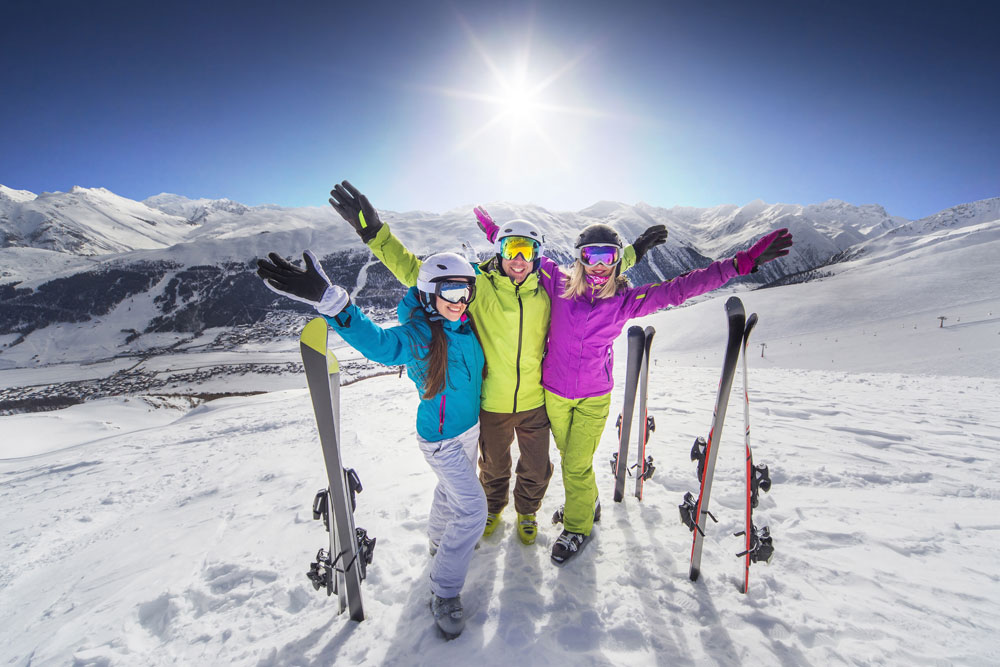
Intermediates (the sweet spot)
This is Sölden’s sweet spot. You’ve got loads of cruisy blues/reds, long runs, and enough sectors to spend the week roaming without repeating the same lift all day.
The Giggijoch side is a classic intermediate playground, and the views up high are a constant “stop and stare” moment.
Stay tip:
- Stay in the resort centre if you want easy access and plenty of evening options – intermediates tend to love the convenience.

Advanced skiers & snow-sure seekers
Advanced skiers get big value here: steeper pistes, glacier terrain, and the option to chase high-alpine challenges.
The World Cup action happens on the Rettenbach Glacier slope, which gives you a good idea of the resort’s “serious skiing” credentials.
Off-piste is tempting in this terrain – just do it properly with avalanche awareness and (ideally) a guide.
Stay tip:
- For quickest access to bigger terrain, staying near the main lift hubs makes life easy.

Snowboarders
Snowboarders generally like Sölden because it’s modern-lift heavy (less drag-lift suffering), and you can plan routes that avoid endless flat traverses.
It’s a big mountain, so the trick is picking board-friendly links between sectors and timing your day so you’re not pushing on tired legs at 3pm.
The Giggijoch zone is popular for cruisy laps and progression.
Stay tip:
- For a smooth week, stay central so you can pop back easily without overcomplicating logistics.

Beginners (with a smart plan)
Beginners do well in Sölden if they start in the right places. The Innerwald beginner area is a proper confidence builder: wide, gentle practice slopes, simple lifts, and a calmer learning vibe right in town.
Once you’ve got turns and stopping sorted, the Giggijoch sector is a great next step for wider, forgiving pistes. For food breaks, keep it simple and beginner-friendly on the mountain – Wirtshaus Giggijoch is a solid shout for an easy, welcoming stop.
Stay tip:
- If you’re learning, base yourself in central Sölden near Innerwald / the main lifts, so you can walk to ski lessons, do quick “half-day then rest” sessions, and avoid faffing with buses or long slogs in ski boots.

Families
Families love Sölden for the “easy mode” logistics: frequent buses, lots of accommodation styles, and proper facilities in town.
Sölden promotes ski schools and courses for all levels, including kids and beginners with dedicated practice areas.
Off the ski slopes, the Freizeit Arena adventure pool is a legit family win (warm water, kid-friendly setup, and a very effective “reset” after ski school).
Stay tip:
- Stay central for walkability and shorter mornings.

Freestyle / Terrain Parks
If you like your week with a side of jumps and boxes, Sölden delivers with dedicated park options and plenty of terrain to lap.
The big win is variety: you can do park sessions, then go back to cruising or glacier laps without feeling like you’re trapped in one zone.
Stay tip:
- Park riders usually prefer staying central (easier meet-ups, easier evenings), and planning your day around quieter lift times will help you get more laps in.
Looking to stay in Solden?
Where is Solden?
Sölden is in Tyrol, Austria, in the Ötztal valley – one of the best-known Alpine valleys for big-name ski areas, with Obergurgl just 15km away.
It’s a proper mountain town base with a high-alpine ski area above it, including glacier access and serious altitude.
Getting there is straightforward via Ötztal-Bahnhof (train) plus bus up the valley, and once you’re in resort, public transport and ski buses are a big part of the “no car needed” appeal.
Looking to stay in Solden?
Skiing in Solden (ski area, terrain, lifts, snow)
Sölden’s terrain is all about three things: vertical, variety, and staying power. With 146km of pistes, 31 lifts, and two glacier ski areas, it’s designed for people who want proper full-day skiing rather than a couple of morning laps and home.
The mountain is split into distinct sectors (so you can change the “flavour” of your day), and the altitude range from 1,350m to 3,340m helps keep snow quality strong when lower resorts are stressing.
The best way to ski Sölden is to give each day a theme. Do a glacier morning when snow is freshest. Do a Giggijoch cruising day when you want easy mileage. Do a steeper/“performance piste” day when legs are firing.
And don’t forget the practical win: the free glacier ski bus is a genuinely great tool for chasing conditions without needing a car, and the ride is about 30 minutes.


Terrain overview
Sölden’s layout is basically three main personalities: Giggijoch for wide, confidence-friendly pistes (great for cruising and progression), Gaislachkogl for more “serious” skiing vibes and big vertical, and the Rettenbach/Tiefenbach glaciers for high snow reliability and early/late season days.
Crowds tend to build at the obvious lift hubs and on the most direct “home runs” late afternoon – so if you want quieter skiing, go earlier, roam laterally between sectors, and don’t be afraid to take a slightly less direct route.
Stay tip:
If you want easy sector-hopping, stay central so you can choose your lift each morning without hassle.
The lift system in Sölden is modern and high-capacity – it’s built to shift a lot of skiers without everything grinding to a halt, and you feel that in the overall flow.
Big gondolas, fast chairs, and generally sensible connections between sectors mean you can rack up proper mileage without spending half your day shuffling in lift lines.
That said… peak weeks are peak weeks. Queues can spike first thing (everyone’s on the same “fresh tracks!” mission), again around late-morning lesson meet-up times, and then at the end of the day when the whole resort has the exact same idea: “right, home now.”
The simple strategy is boring-but-effective: get out early, take an early lunch (or late lunch), and use the quieter windows to travel between sectors.
If you time it right, you can do your “moving around” when it’s calm, then spend the busier periods lapping a quieter pocket nearby instead of joining the biggest funnel.
Stay tip:
If you’re visiting in busy weeks, staying within easy walking distance of a main lift hub saves serious time and stress.
Sölden’s snow reputation is properly earned: you’ve got two glacier ski areas in the mix, plus a high-altitude span from roughly 1,350m up to 3,340m. That combo gives you a lot more “bankable” skiing than many lower resorts, especially in the shoulder weeks when elsewhere can feel a bit… hopeful.
Early season is usually a “glacier first, then the full area opens as coverage builds” kind of story, so if you’re booking for late autumn/early winter, plan your expectations around higher terrain doing the heavy lifting.
Spring can be genuinely brilliant too – the trick is to ski high early while it’s colder and the snow is firmer, then drop the intensity (and raise the snack standards) once things soften and the terraces start calling your name.
Worth knowing: Ötztal info often shows the glacier operating window running later than the main winter season, which is handy if you’re chasing late snow – just keep an eye on wind/visibility days up high, because glaciers love a bit of drama.
Stay tip:
If you’re travelling early/late season, prioritise quick access to the glacier bus or the main lifts – less time commuting, more time on the best snow.

Sölden’s high-alpine terrain is very tempting for off-piste – big faces, glacier zones, and plenty of “that looks amazing” moments.
The important bit: glacier terrain adds hazards you don’t get on normal slopes, and avalanche risk management is non-negotiable. This is the kind of resort where hiring a qualified guide for a day can massively level up your experience and safety, especially if you’re new to high alpine freeride decisions.
Stay tip:
If off-piste is a key reason you’re coming, stay close to the main uplift so you can start early (better snow, calmer planning, fewer crowds).
Beginners & improvers
Beginners should treat Sölden like a ladder, not a sprint. The goal isn’t “get to the top of the mountain on Day 1,” it’s “build skills in the right order so you actually enjoy it.” Start at Innerwald, where the beginner area is set up for confidence: wide, easy practice slopes, simple lifts, and a calmer training vibe right in town. It’s the kind of place where you can focus on turning and stopping without feeling like you’re in the way of people charging past.
Once you’re linking turns comfortably and you’re not having that little internal wobble every time the slope steepens, you can level up. Head to the wider blues in the main sectors – the Giggijoch side is ideal because it gives you proper “real mountain” skiing without immediately throwing you into anything spicy.
Improvers tend to love Sölden because there’s room to repeat without fear. Those wide pistes make drills and repetition feel safe – and boring-but-true, repetition is exactly how you get good quickly. Do a few confident laps, take breaks before you’re exhausted, and you’ll progress faster than if you try to brute-force your way down something that’s a level too steep.
Stay tip:
Stay in Sölden centre for low-stress lesson mornings and easy access back to town for breaks.
Freestyle & “more than pistes”
Sölden isn’t just a piste-miles factory. You’ve got proper freestyle options – parks, features, and playful bits of terrain – and the way the mountain’s laid out makes it easy to mix it up without overthinking it.
Do a few park laps, cruise some wide groomers to reset, then go chase steeper runs when you’re feeling spicy.
Even if you’re not a dedicated freestyler, those fun zones are brilliant for progression: little rollers and side hits build balance, confidence and control in a way endless blue laps sometimes don’t.
And the glacier sectors give Sölden a handy shoulder-season advantage – when other places are scraping by, it can still feel properly wintry up high.
For the best freestyle week, it’s mostly about timing: hit the park in quieter windows (early is usually your friend), and keep one day flexible so you can follow the best snow and visibility rather than forcing the plan.
Stay tip:
If freestyle is a priority, staying central helps you split days easily (park session + town break + evening roam).
Best Runs in Solden (by ability)
For beginners:
Start where it’s calm and confidence-building: Innerwald is the go-to beginner zone in town, designed specifically for first turns and progression without steep surprises.
Once you’re ready to explore, aim for the wider, gentler pistes on the Giggijoch side – this sector is widely known for spacious pistes that suit beginners and improvers.
Keep your first “big mountain” day short and finish early – no heroics required.
For intermediates:
Intermediates should spend time cruising and roaming. The Giggijoch sector is a classic base because it mixes wide blues and confidence reds, and it’s easy to stack up mileage.
Check out popular intermediate runs like No. 21 and No. 22 (great for repeat laps and rhythm).
Do one glacier morning for snow quality, then cruise back through the main sectors once legs are warmed up.
For advanced:
For a proper brag-worthy day, chase the high stuff and go long. Sölden is known for the Schwarze Schneide top-to-bottom descent – around 15km with about 1,900m vertical down to the valley area.
If you want “serious slope” energy, the Rettenbach Glacier World Cup slope is the iconic challenge zone.
Start early for the best snow and best legs.
Off-piste note:
High alpine + glaciers = higher consequence. If you leave the marked runs, do it with avalanche kit, knowledge, and ideally a qualified guide.
Looking to stay in Solden?
Looking for accommodation in Sölden
Sölden is one of those resorts where your accommodation choice genuinely shapes your week.
Stay central and you get maximum convenience: easy lift access, easy rentals, easy dinners, and you can wander into après without needing a logistics spreadsheet.
Stay higher up (Hochsölden-style) and you get more of that ski-in/ski-out feel – great for ski-first trips, slightly calmer evenings, and a more “mountain cocoon” vibe. Then there’s the in-between: staying just outside the busiest core can be a sweet spot for value and quieter nights, especially because Ötztal ski resorts public transport is well developed and runs frequently up and down the valley.
Also, don’t underestimate “micro-location.” Being 5 minutes closer to your lift, your ski school meeting point, or your favourite bakery sounds small… until you do it every single morning in ski boots. If you’re travelling early/late season and expect glacier days, it’s handy to be well placed for the free glacier ski bus, which takes about 30 minutes up to the glacier stops.
In short: central for ease and buzz, higher for ski convenience, slightly out for value and calm.
Quick chooser: which area is right for you?
- If you want easy everything, stay in central Sölden – walk to lifts, rentals, shops, bars, and restaurants without drama.
- If your priority is maximising ski time, look toward Hochsölden / higher bases where you can clip in quickly and start lapping early.
- If you want quieter nights or better value, stay slightly outside the busiest centre and use the bus network – Ötztal public transport is frequent and designed for visitors moving around the valley.
- If you’re doing lots of glacier days, choose a base that makes the glacier bus simple, because that free 30-minute ride is a big quality-of-life upgrade.
Village Comparison Table
| Area / Base | Altitude | Vibe | Best For | Nightlife | Beginner-Friendly | Access / Getting Around |
|---|---|---|---|---|---|---|
| Sölden Centre | 1,350m | Busy, lively, convenient | First-timers, groups, nightlife | ★★★★ | ★★★ | Walkable; buses easy |
| Hochsölden / higher | 2,000m approx | Quieter, slopeside | Ski-in/out feel, ski-first trips | ★★ | ★★★ | More reliant on lifts/taxis |
| Just outside centre | Varies | Calmer, good value | Budget, quieter sleep | ★★ | ★★★ | Bus-friendly valley setup |
(Star ratings are “relative vibe” rather than gospel)
Best Area for First-Timers
Central Sölden is a brilliant base for first-time skiers because it keeps everything simple when you’re already learning loads. You can walk to ski hire, meet your ski school without stress, grab snacks/lunch bits easily, and get to the lifts without turning every morning into a “where are we… why are my boots doing this…?” expedition.
When you’re new, that convenience massively lowers the hassle factor – and you’ll have more energy left for the actual skiing.
It’s also ideal when confidence (and stamina) varies day to day. If someone’s had enough after a morning lesson, they can head back for a hot chocolate and a nap without feeling like they’ve ruined the plan.
Meanwhile, anyone who wants to keep practising can stay out, and you can still meet up later without complicated travel.
Public transport is another first-timer safety net: The Sölden local bus network is an easy way to get around, which is handy if you’re not driving or you’d rather avoid icy roads.
Stay tip:
Pick accommodation as close as possible to your ski school meeting point and the beginner area (Innerwald), or at least within an easy flat walk to a main lift/bus stop. Less boot-waddling = calmer mornings, fewer late panics, and more time on snow.
Best Area for Ski-in Ski-out
If ski-in/ski-out is top of your wish list, you’ll want to stay higher up on the mountain, in the Hochsölden-style area and nearby slope-side pockets. This is where you get the true “wake up, click in, go” feeling – no carrying skis through town, no waiting for buses, no morning faff. You step out, slide to the lift, and you’re instantly skiing, which is basically a cheat code for squeezing more slope time into a week.
The trade-off is evenings. It’s much calmer up there and you’ll usually have fewer bars and restaurants right on your doorstep compared to central Sölden, so it suits people who like a quieter mountain vibe (think: sauna, dinner, bed… repeat).
One other thing: ski-in/ski-out can mean different things depending on the brochure’s optimism.
Some places are genuinely piste-side, others are “ski-in-ish” with a short walk or a bit of a slope to negotiate.
And being near a bus stop adds a sneaky layer of convenience, because it gives you options if you wake up and want a different uplift, different terrain, or just less faff.
Stay tip:
Prioritise accommodation that’s directly on a marked piste or within a super-short glide to a lift (not just “near the slopes”). If you can, choose somewhere with an easy ski-out route home rather than a steep final pitch – it makes the end of the day feel relaxing instead of like a tired-leg exam.
Best Area for Nightlife
If nightlife is part of the plan, stay central. Sölden’s après scene is a proper draw, and being able to wander out for a few drinks (and a bit of dancing if it “accidentally” happens) then walk home is the difference between “what a week” and “why are we shivering on a street corner trying to summon a taxi.”
Being in the middle also gives you loads more options either side of the main event: easy pre-drinks, casual bars, late snacks, coffee the next day, and all the other little things that make nights out feel effortless rather than organised.
The only downside is noise – peak weeks can be rowdy and some streets are definitely louder than others.
If you like the buzz but still want decent sleep, you don’t need to exile yourself to the next valley… you just need to be smart about which central you pick.
Stay tip:
Look for somewhere central but one or two streets back from the main strip (or ask for a rear-facing room) so you’re still walkable to everything, but not trying to sleep through someone’s “one last song” at 2am.
Best Area for Families
For families, the sweet spot is usually “central Sölden or a calm edge-of-centre base” where mornings stay short and predictable.
When you’ve got kids (or just a group that runs on snack breaks and mood swings), convenience is everything: easy access to ski school meeting points, quick lift links, and a simple route home when someone hits their limit and suddenly needs warmth, snacks and a lie-down *immediately*. That “escape route” back to your place is what stops little meltdowns turning into big ones.
Off the slopes, having town facilities close by is a huge win. The Freizeit Arena adventure pool is a proper family favourite – warm water, kid-friendly fun, and a very effective midweek “reset button” when legs (and patience) are running low.
Being near shops, cafés and easy dinner options also makes life simpler, especially if you’re juggling early nights or picky eaters.
Stay tip:
Prioritise “space and practicality*” – apartments or family rooms “close to ski school meeting points and an easy bus/lift link“. A slightly less “prime” postcode is totally worth it if it means smoother mornings, quicker returns, and happier humans by day three.
Best Area for Budget Travellers
For budget travellers, the move is to base slightly outside the busiest centre and use the buses to stay connected. Sölden leans hard into public transport, with frequent services through the Ötztal and plenty of stops between Ötztal-Bahnhof and the upper valley – which means you can shave a chunk off accommodation costs without wrecking your ski time. The key is picking somewhere that’s “just far enough” to be cheaper, but not so far that you’re basically living on a timetable.
To really feel the savings, pair that cheaper base with supermarket self-catering. Even doing a few breakfasts and packed lunches can make a noticeable difference over a week (especially if you’re travelling as a couple or group).
Then you can spend your money where it actually matters: lift pass, a decent meal out, or the occasional “we earned this” mountain hut stop.
The budget trick in Sölden is basically “location compromise without convenience collapse” – stay close enough to the action that you’re not spending your holiday commuting.
Stay tip:
Choose somewhere “near a main bus stop” (and ideally on a frequent route) so you can get to lifts quickly, come home easily, and still dip into town for après or dinner without needing taxis.
Our Top Hotels

★★★★
- Village - quiet central hillside spot
- Lifts - 3 mins walk
- Wellness area
It feels more apartment-style than hotel-fussy. The peaceful hillside setting keeps nights calmer, while the short walk to the lift means you’re not doing that miserable daily trudge in ski boots.
The sauna, steam room and whirlpools are a lovely bonus, and the fact it sleeps 2 to 6 makes it a smart shout for families or a mixed mate-and-kids week.
Why choose it? Easy mornings, roomy suites and barely any faff.

★★★★★
- Village - centre, beside the Zentrum Shuttle
- Lifts - 5 mins walk
- Pool + 2,200m² Sky Spa
Bergland nails that balance between slick design hotel and real ski practicality. You’re right by the Zentrum Shuttle and only a short walk from the main gondolas.
Inside, it’s all natural materials, clean lines and that polished modern-alpine look that Sölden does very well when it tries.
The rooftop spa and pool are the main event, especially after a big glacier day.
Why choose it? Luxe, stylish and brilliantly easy to actually ski from.

★★★★
- Village - Gaislachkogl end of Dorfstraße
- Lifts - right next to Gaislachkoglbahn
- Wellness area
Valentin feels sharper and more design-conscious than many similarly placed hotels.
The rooms are modern-alpine rather than old-school chalet, and the food setup is stronger than average.
It is particularly handy for stronger skiers and boarders using the Gaislach side a lot, but even for general resort use it is just gloriously low-hassle.
Why choose it? Superb lift convenience without the usual compromise on style.

★★★
- Village - dead central
- Lifts - 8 mins walk or quick shuttle/bus hop
- Pool + spa
Riders Inn has more character than some cheaper picks, it’s not right on the lift, but it is central, and the bus/shuttle links keep the logistics sensible.
The bar helps, the pool is a real plus, and there’s a spa with sauna, steam bath, ice grotto and whirlpool.
Rooms are more practical than luxe, but that’s the trade for a budget ski week.
Why choose it? Good-value central base, with enough atmosphere to keep the week fun.
Tour Operators who go here
Looking to stay in Solden?
Après ski, restaurants & winter activities
Sölden is a full-spectrum resort town: you can do it as a hardcore ski mission, a party week, a family trip, or a “ski + spa + good food” escape.
The après scene is genuinely famous, with big-name venues and a lively, social vibe – especially in peak weeks.
Food-wise, you’ve got loads of choice: mountain restaurants for comfort stops and sunny terraces, plus plenty of village dining from casual pizza to nicer evenings out.
If you want one “special” mountain moment, Sölden also has iconic high-altitude experiences linked to its glacier world and big lift infrastructure.
Non-ski activities are strong too, which is great for mixed groups or rest days. The Freizeit Arena pool is a classic, family-friendly option right in town, and the valley transport setup makes it easy to move around without a car.
The key to loving Sölden is leaning into its strengths: plan a glacier day (free bus, great snow), plan an après night, plan a chilled food-and-views day, and suddenly the week feels bigger than “just skiing.”

Sölden après starts early and can go late – this is not a “one drink and cocoa” kind of town unless you force it to be. The classic pattern is terrace drinks late afternoon, then you either peel off for dinner… or you commit to the full Sölden experience.
Fire & Ice is the iconic name people associate with the resort – big atmosphere, big music, big “this got out of hand quickly” energy.
For something more clubby and modern, Katapult has après and nightlife from 4pm, with DJs and a proper party setup. On the mountain, s’Stabele Schirmbar is a classic “ski in, vibe out” stop – right in the ski area, sunny terrace, and built for that boots-on après mood.
If you want a slightly more controlled night (same fun, less chaos), do early après, book dinner, and save the late clubbing for one or two nights rather than trying to be a hero every day.
Quiet zones exist too – stay a little outside the centre if you want sleep, then come in for nights out when you choose. That “choose your own intensity” is why groups love Sölden.
Mountain‑top Moments
Mountain food in Sölden is all about comfort, speed, and views – because when you’ve been lapping hard, you don’t want a complicated lunch situation.
A reliable, very “Austrian and cosy” option is Wirtshaus Giggijoch, which is set up as a proper mountain restaurant with classic dishes and a terrace vibe that suits both quick stops and longer lunches.
For a more après-leaning mountain break, s’Stabele Schirmbar is right in the ski area and basically designed for a loud, sunny pit stop with food and atmosphere.
The best strategy here is to plan lunch like you plan skiing: choose a stop that matches your day. If you’re doing a glacier/high-altitude morning, pick a lunch that doesn’t force you into a big detour. If it’s a sunny cruising day, pick a terrace stop and lean into the “this is why we ski” feeling.
And please – do not do your biggest lunch at 2:30pm and then expect your legs to work like normal. Eat earlier, ski later. Future-you will be grateful.

Village food in Sölden is plentiful and easy – because this town basically exists to refuel hungry skiers, and it takes that job seriously. If you want a reliable, central “everyone will find something” option, Restaurant Corso is a long-running crowd-pleaser with that straight-down-the-line pizzeria/restaurant vibe (ideal when your group can’t agree on anything except “we’re starving”).
If you want the same easy energy but with even more choice across Italian and Tyrolean classics, Gusto is another very safe bet – it’s built for mixed groups and mixed cravings. When you want proper post-ski comfort food (the “I’ve earned this” category), lean into the Tyrolean end of the spectrum.
Bäckelar Wirt is a great shout for hearty plates like veal goulash with buttery spätzle, Wiener schnitzel, spinach dumplings, or full-send Käsespätzle – basically, everything you’d draw on a napkin if someone said “feed me like I skied today.”
And if dessert is non-negotiable, places like Grauer Bär are exactly the kind of classic Austrian spot where a schnitzel-and-then-something-sweet plan makes perfect sense.
Restaurants in Sölden make it really easy to turn dinner into an “event” night. La Fondue is the obvious one for a slower, sociable meal – from classic cheese fondue through to meat/fish and even chocolate options – which is perfect when you want to properly switch off after skiing.
For casual fuel with a louder vibe, Werkstatt leans into burgers/steaks/cocktails territory. And if you want one “nicer dinner” highlight, Wine & Dine does the smarter steak-and-grill thing, while Ötztaler Stube is your full foodie flex (it’s in the MICHELIN Guide).
The best way to eat here is the “mix and match” week: self-cater a couple nights, go casual a couple nights, then book one highlight meal.
Peak weeks do get busy, so if something’s a must, reserve – otherwise eat a bit earlier than the rush, enjoy a calmer dinner, and decide after whether the night becomes “one drink” or “oops, it’s late.”
Sölden is great at “rest days that don’t feel wasted.” If your legs are toast, the Freizeit Arena adventure pool is the obvious recovery play: warm water, a family-friendly setup, and enough going on to make it worth leaving the sofa.
It’s also a brilliant midweek “reset” for families – kids burn energy, adults get a mental break, everyone sleeps better.
If you still want mountain time without full skiing, use the infrastructure: sightseeing lift rides, sunny terraces, and gentle winter wandering still give you that alpine hit.
You can also mix in ice skating (classic, low-commitment fun), a proper wellness afternoon (sauna/steam/relax zones are a very Austrian way to recover), or even a toboggan/sledging session if you want laughs without the leg burn of skiing.
And if you’re visiting early/late season, even the journey up to glacier terrain can feel like part of the experience – Sölden’s glacier skibus is free, scenic, and takes about 30 minutes up the glacier road.
That means you can build a day around “go high, enjoy the panoramic views, maybe ski a short session, come back down” without needing to drive. The key is to plan non-ski days with the same intention as ski days: pick one main activity, then leave space for food and chilling.
If you want a non-ski day that still feels very Sölden, do 007 ELEMENTS – it’s a James Bond cinematic installation built inside the Gaislachkogl summit, with a viewing platform at 3,048m, and getting there is half the fun because you ride the Gaislachkoglbahn up into full-on high-alpine panoramic scenery.
Once you’re inside, it’s not a dusty “museum”; it’s a slick, high-tech, walk-through experience tied to Bond film craft and the resort’s connection to SPECTRE (which had scenes filmed in the area).
Practical bit: you’ll usually need to reserve a time slot – it’s an entry window rather than a timer on your visit, and the average visit is around an hour, so it’s easy to plug into a rest day without it taking over.
It’s also a great shout on low-visibility days when you still want to go up the mountain for the views (when they appear) but don’t fancy committing to a full ski session.
Getting home safely & easily
If you’re staying central, “getting home” is delightfully low-tech: you just… walk. Sölden’s basically one long, busy strip, so if you’ve picked accommodation near the main bars/restaurants, you can do the classic wobble-home-in-your-boots routine without any drama.
If you’re staying a bit out of the centre (or down-valley), your two best mates are the public bus and a taxi plan. The Ötztal public bus network is well-developed with loads of stops and frequent daytime/early-evening services (often around a 30-minute rhythm), so it can absolutely work as your main transport – just check the last bus time before you head out, because late-night gaps are where nights out go to die.
Sölden and Ötztal both point you to the VVT SmartRide app for live timetables and stop info, which is genuinely handy when you’re trying to make decisions with “one more drink” energy.
For anything late-late (or if you’re staying higher up), taxis are the reliable fallback. Local firms offer 24/7 service, but in peak weeks it’s smart to call early / pre-book if you know you’ll be out late – especially around changeover days and big event nights.
Pro tip: save your accommodation name + address in your phone and know the nearest bus stop name. It’s the difference between “smooth landing” and “so… where even are we?”

Ski schools & learning zones
Sölden is very set up for learning – there are multiple skiing and snowboarding schools and courses aimed at everyone from first-timers to ambitious improvers, and the resort itself actively highlights the quality and range of instruction available.
The big win here is the variety of learning environments: you can start in calmer practice zones (like Innerwald), then progress to wider pistes higher up when confidence grows.
For kids and families, the main “make it a great week” factor is reducing morning stress: keep your accommodation close to meeting points, do rentals the day before, and build a routine that doesn’t start with sprinting through town.
Some schools have central assembly points and beginner-friendly meeting locations, which is exactly what you want if you’re travelling with children (or adults who behave like children before coffee).
And for advanced skiers, it’s worth considering a guide day – Sölden’s high alpine terrain is incredible, but it’s also the type of environment where experience and local knowledge genuinely matter.

Start in Innerwald if you’re brand new. It’s specifically set up for first-timers, with wide, easy practice slopes and a quieter training area right in the heart of Sölden – which means less pressure, fewer fast skiers whizzing past, and more space to focus on the basics. It’s ideal for that crucial early phase: getting used to sliding, stopping, turning, and using lifts without feeling like you’ve accidentally joined the Olympics.
Think of Innerwald as your “confidence lab.” You can do short, manageable laps, repeat the same movements, and build muscle memory quickly. It’s also practical: being in town makes lessons and meet-ups straightforward, and it’s easier to take breaks when you need them (which beginners always do – tired legs and cold fingers are real).
Once you’re linking turns comfortably and you’re not panicking when the slope changes slightly, it’s time to “go a bit more mountain” – not in a scary way, just in a bigger, more open way. That’s where the Giggijoch sector comes in. It’s widely known as a good progression area because it offers broader, beginner-to-intermediate friendly pistes, so you can practise the same skills on longer runs with more space to breathe. You’ll feel like you’re actually skiing the resort, not just the nursery area – without being thrown in the deep end.
The key is still repetition: stick with one or two friendly runs, rack up little wins, take breaks before you’re exhausted, then expand your comfort zone gradually.
Stay close to your lesson start point. It sounds obvious, but it’s the biggest quality-of-life upgrade you can buy in Sölden – especially for beginners, kids, or anyone doing lessons most days. Mornings already have enough going on (boots, gloves, mild nerves). Being able to walk to the meeting point keeps everything calm instead of turning breakfast into a logistics sprint.
If you’re central, you can stroll to ski school meet-ups, pop back for an extra layer, and keep the beginner rhythm simple: lesson, a few practice laps, then home for a break before you’re completely cooked. If you’re outside town, you’re relying more on buses and timing. Sölden promotes frequent valley public transport, which helps, but “close” still wins because it gives you breathing room when someone’s slow, tired, or plans change.
If you’re planning glacier days later in the week, being well placed for the glacier bus is another handy bonus – it keeps those bigger days feeling easy rather than like an early-morning mission.
Do rentals the afternoon you arrive, not at 8:45am on day one – especially in Sölden, where the town is busy and the main lift bases get that classic “everyone’s starting now” squeeze. Sorting boots and kit the day before means you’re not queueing while watching your lesson start time evaporate. It also lets you do a quick, low-stress test: click into skis on a flat bit outside, make sure your boots don’t feel like medieval punishment, and confirm your lift pass is working.
On lesson mornings, aim to arrive at your meeting point with time to spare. Sölden’s layout is basically one long strip, so the practical reality is: your walk might be flat, but ski boots still make it slower than you think.
If you’re staying central, it’s usually straightforward to walk to ski school areas and lifts without drama. If you’re staying slightly out, build in buffer time and use the bus network – it’s frequent and well set up – but winter is winter, and a bit of slack in the plan keeps you calm.
If you’re learning on Innerwald first, lean into how convenient it is: you can do your session, take a breather, and come back later for another short practice without turning it into a full-day expedition.
Once you progress to the higher sectors (like Giggijoch), plan a little extra time for getting up the mountain and meeting up – it’s all easy, just bigger.
The magic formula is still boring: breakfast, kit check, sunscreen, go. And on Day 1, finish a touch early if you’re tiring. In Sölden, the temptation is to “keep going because the resort is huge,” but tired beginners don’t learn – they just fall more.
Looking to stay in Solden?

Lift passes, costs & budgeting
Lift passes in Sölden are fairly simple. You can buy late-start tickets from 11:00, 12:00 or 13:00, standard one and two-day passes, or longer tickets for a full ski holiday.
The important bit is the three-day rule. Passes for one or two days are valid only in Sölden, but from three days onwards they automatically become the Ötztal Superskipass, covering all six Ötztal ski areas with around 363km of pistes and 90 lifts.
Sölden also uses dynamic online pricing: the earlier you buy, the cheaper the ticket can be. Discounted online rates are available until five days before your first ski day; from four days before, the standard cash-desk rate applies online too.
Which ski pass should you buy in Solden?
Think of it like this: one or two days keeps you in Sölden. Three days or more gives you the whole Ötztal.
Option A - Short-day tickets (from 11:00 / 12:00 / 13:00)
What it is: Sölden-only tickets from 11:00, 12:00 or 13:00.
Best for: Arrival days, beginners, families wanting shorter ski days, or anyone mixing skiing with spa time or other plans.
During Peak Season, the adult cash-desk prices are €80 from 11:00, €74 from 12:00 and €67.50 from 13:00, compared with €86.50 for the full day.
Plain English: This is the “ski a decent chunk of the day without paying for the morning you missed” option.
Option B - 1 or 2-day Sölden pass
What it is: A full Sölden ski-area ticket for one or two days.
Best for: Short breaks, weekend skiing or anyone deliberately spending just a couple of days in resort.
A one-day pass gives you the freedom to explore Sölden properly without worrying about start times, while a two-day ticket keeps things simple for a quick ski break. These tickets do not include the other Ötztal ski areas.
Plain English: This is the “Sölden is plenty for the next day or two” pass.
Option C - Ötztal Superskipass, 3 days+
What it is: From three days onwards, your lift pass covers all Ötztal ski areas rather than Sölden alone.
Best for: Standard ski weeks, keen intermediates and anyone who likes having the option of a day in Obergurgl-Hochgurgl or elsewhere in the valley.
You don’t need to leave Sölden to fill a week, but the wider access is a useful bonus if you fancy a change. There are also flexible 5-in-7 and 6-in-8 passes if you want rest days built in. Passes of six days or more include admission to 007 ELEMENTS and the Top Mountain Motorcycle Museum.
Plain English: This is the “I’m here for the week, so give me the whole valley” pass.
Option C - Beginner Ticket (Innerwald)
What it is: A low-cost ticket covering the two drag lifts in the Innerwald beginner area only.
Best for: Complete beginners, ski-school groups and families who don’t yet need full-mountain access.
For 2026/27, the half-day ticket from 11:00 costs €13.50 for adults and €8 for children, while a full day costs €18.50 and €10.50 respectively. Snowkids pay €2. Tickets are sold locally at Innerwald rather than online.
Plain English: This is the “I currently need two drag lifts, not an entire valley” ticket.
Sölden lift pass prices 2026/27
Here are the published headline prices for Solden Winter 2026/27 (prices shown in EUR):
| Lift Pass | Adult | Youth | Child |
|---|---|---|---|
| From 12:00 - Sölden | €74.00 | €59.00 | €40.50 |
| 1 day - Sölden | €86.50 | €69.00 | €47.50 |
| 6 days - Ötztal Superskipass | €478.50 | €383.00 | €263.50 |
| 7 days - Ötztal Superskipass | €530.00 | €424.00 | €291.50 |
*From 6 days, entry to 007 ELEMENTS is included
Ski Demon tip: Having the Ötztal Superskipass doesn’t mean you need to spend your week touring the valley. Sölden has plenty to keep you busy; treat the other ski areas as a useful bonus rather than something you have to do.
Deposits, insurance, and when to buy
Here’s how to do Solden like someone who hates queues and hates wasting money:
KeyCard: Tickets collected at a Sölden cash desk are issued on a reusable KeyCard with a €3 refundable deposit. Online tickets from the resort’s pick-up machines don’t require the deposit.
Insurance / refunds: Online tickets aren’t normally refundable, but optional cancellation protection costs €2 per ski-pass day and allows cancellation up to five days before the start. Ski-accident refunds for unused multi-day tickets are possible, but proper winter sports insurance is still essential.
When to buy: If your dates are fixed, buy online early.
Sölden’s discounted prices are available until five days before skiing; from four days out, you’ll pay the standard cash-desk rate online too.
Looking to stay in Solden?
Common Solden Ski Holiday Mistakes
Sölden is built for big ski days, but a few common mistakes can leave you exhausted by lunch, paying for the wrong pass or missing some of the resort’s best skiing.
Treating day one like a full touring day
Sölden is big and high-alpine, which is amazing… but it’s also a classic way to blow up your legs by lunchtime on day one.
The smarter play is to ease in: do Innerwald or cruisy laps, find your rhythm, then tour sectors on days 2–3.
Your week will be better if you’re not hobbling by Tuesday. If you’re learning, start in the calm zones designed for it.
Ignoring the free glacier ski bus
People sometimes assume glacier days require driving and parking stress. Not here.
The glacier skibus is free and takes about 30 minutes up to the Rettenbach and Tiefenbach glacier stops.
That’s a huge quality-of-life upgrade – especially for early/late season trips when glacier snow is the main prize. Use it, love it, feel smug about it.
Lunching too late (and then wondering why the afternoon is grim)
Sölden is a “big vertical” resort, and big vertical plus a late heavy lunch is a recipe for sluggish afternoons and sketchy technique.
Eat earlier, keep it lighter on big ski days, then do one proper long lunch on a midweek “chill” day.
Mountain restaurants like Wirtshaus Giggijoch make this easy – good food, sensible stop, back to skiing.
Buying the wrong pass for your trip style
If you’re doing full days all week, multi-day passes are a no-brainer.
If you’re mixing skiing with pool/spa/rest days, the short-day tickets can save money.
And if you’re new, a beginner-specific option like the Innerwald ticket can be a calmer, cheaper start.
Think about your actual plan, not your fantasy plan.
Treating off-piste like “just over there.”
Sölden’s high-alpine terrain is very tempting, but glaciers and avalanche terrain are not the place for vibes-based decision making.
If you’re leaving the marked pistes, bring proper kit, knowledge, and ideally hire a guide.
The mountain will still be there tomorrow – don’t trade safety for a line you saw from the lift.
Getting to Solden
Travelling to Sölden is fairly straightforward, with Innsbruck the closest airport and convenient rail-and-bus connections via Ötztal station. Whether you’re flying, driving or arriving by train, here’s everything you need to know before you travel.
1) Fly + road transfer
(the classic “land, grab skis, go” option)
Most people fly into Innsbruck and do the last leg by road, either on a pre-booked shared coach or a private transfer. In normal conditions it’s properly straightforward – the kind of transfer that doesn’t feel like a second journey.
As a sensible guide (because winter roads + changeover traffic can turn “easy” into “why is everyone braking?”):
- Innsbruck Airport → Sölden: roughly 1 hour-ish (traffic and snow depending).
Real-world tip: you don’t need a car for the week in Sölden (it’s big on buses), so if you want airport-to-door ease without the “will there be a taxi?” gamble in peak weeks, pre-booking a transfer is the low-stress move.
2) Train to Ötztal-Bahnhof + bus up the valley
(the calm, car-free choice - and genuinely doable with skis)
The classic public-transport route is train to Ötztal-Bahnhof (right at the valley entrance), then bus up to Sölden. Sölden leans heavily on public transport, and the buses run at frequent intervals, so it’s not a once-a-day “miss it and cry” situation.
Typical timing as a rough reference:
- Ötztal-Bahnhof → Sölden (bus): commonly around 1 hour (service and timing depending).
Real-world tip: if you hate winter driving, this is the “sit down and let someone else do the work” option. Bonus points if you book accommodation that doesn’t make the final walk from your stop feel like a luggage-based endurance event.
3) Driving to Sölden
(flexible, but winter rules apply)
Driving is valley-road straightforward, but it’s still the Alps – so assume proper winter tyres, keep a bit of patience in your back pocket, and build buffer time on snowy days and busy Saturdays. It’s a great option if you’re self-catering or arriving with a lot of kit, because you can do the whole “boot up, unload, done” thing without juggling transfers.
What to expect once you arrive:
- Parking depends on your accommodation – some have garages, others rely on public parking.
Even if you drive, you can absolutely park up and use local buses/ski buses for the week, because Sölden is set up for that.
Real-world tip: changeover days are where plans go to die. If you’re driving in on a Saturday, aim to arrive with wiggle-room – future-you will be annoyingly grateful.
Getting around once you’re there (honestly: very easy)
Walking (your default setting - if you’re central)
If you’re staying in central Sölden, you can walk most of your daily needs without thinking about it: ski hire, supermarkets, coffee stops, restaurants, and nightlife are all close enough that “let’s just pop out” actually works.
Local buses in the Ötztal (the no-car backbone)
Sölden is totally set up for car-free weeks. The Ötztal public bus network is well developed with frequent stops and regular services, and the resort actively pushes it as the practical way to move around - especially if you’re staying slightly outside the core or hopping between lift bases.
Free glacier ski bus (for snow-chasing without driving)
The standout is the free glacier ski bus, which gets you up to the glacier stops in roughly ~30 minutes. Translation: if you want higher, colder, more reliable snow - you can just jump on the bus and go, without the faff (or stress) of winter driving.
Ready to make your piste dreams a reality?
Whether you’re scouting dreamy hotels, comparing the best tour operators or looking for fresh ski inspiration, we’re here to help you turn ideas into an actual holiday.
Take the next step by browsing hotels in this resort, choosing a trusted ski tour operator or signing up to our newsletter for destination ideas, practical advice and the latest tips delivered straight to your inbox. From finding the right place to stay to choosing the best way to book, we’ve got plenty to help you plan with confidence. Pick your next move and let the adventure begin.
Looking for more inspiration?
Sign up to our free newsletter

Ready to book your stay?
Take a look at our hotel guide and see what suits your requirements and budget
Tour operators
For more from our tour operators click the logos above
Solden FAQs
Whether you’re visiting Solden for the first time or heading back for another trip, these FAQs should help answer the most common questions before you book and before you travel.
Is Sölden good for beginners?
Yes – if you start in the right zones and don’t try to “tour the whole mountain” on day one.
The Innerwald beginner area is a wide, gentle practice slopes with a quiet training vibe right in Sölden, which is exactly what first-timers need.
Once you’re turning and stopping confidently, you can progress to broader pistes in main sectors like Giggijoch, which is has more forgiving terrain.
The main beginner mistake is overreaching too early – take lessons, repeat easy runs, finish while you still feel good.
How snow-sure is Sölden really?
Sölden is one of the strongest snow-sure ski resorts in Austria because the ski area runs from roughly 1,350m to 3,340m and includes two glacier sectors.
In practical terms, it’s built for a long, reliable season: the resort runs a full main winter schedule, and the glaciers typically keep things going either side of that window when conditions allow.
That doesn’t mean every day is perfect (wind and flat light do happen up high), but your odds of finding plenty of skiable terrain are excellent compared with lower, non-glacier resorts.
How big is the ski area? Will we get bored in a week?
Officially, Sölden offers 146km of pistes with 31 lift facilities, which is plenty for a full week-especially because the terrain is split into distinct sectors and includes glacier areas that feel like a separate “mini trip.”
If you ski smart (one day cruising, one day glacier, one day steeper terrain, one day chilled), it doesn’t feel repetitive.
Also, from 3+ days, the Ötztal pass rules can open up other ski areas in the valley if you fancy variety.
What’s the best base if we don’t want a car?
Stay central in Sölden. The resort actively promotes public buses connecting from Innsbruck Airport and Ötztal-Bahnhof to accommodation, plus frequent valley transport as an easy way to get around.
Once you’re in town, walking works well for daily needs (rentals, shops, restaurants).
And for glacier days, the free glacier skibus is a huge advantage – 30 minutes up to the glacier stops, no driving required.
If you hate winter driving, Sölden is one of the easier big resorts to do car-free.
What’s après like - and where should we go?
Après in Sölden is lively and famous, with options from early terrace drinks to full late-night partying.
Fire & Ice is the iconic name people associate with Sölden’s après scene, while Katapult pitches itself as an après/nightlife venue that kicks off from around 4pm and keeps going.
On the mountain, places like s’Stabele Schirmbar offer that classic “ski in, music on, sunny terrace” feel.
If you want sleep, stay a little outside the loudest centre strip and come in for nights out when you choose.
Are there good non-ski activities for rest days?
Yes – Sölden is strong for rest days. The big in-town option is the Freizeit Arena adventure pool, which is family-friendly and includes pools plus a sauna area and other facilities.
It’s ideal for families and for anyone whose legs need a proper reset. You can also do scenic mountain time without committing to a massive ski day – cafés/terraces up high, gentle winter wandering, and simply enjoying the setting.
And for a proper “Sölden-only” non-ski add-on, there’s 007 ELEMENTS: a James Bond cinematic installation built into the Gaislachkogl at 3,048m, reached by gondola, and usually visited in around an hour (you typically reserve a time slot).
If you’re chasing snow or views, the free glacier skibus is an experience in itself, taking about 30 minutes up to the glacier area.
How do lift passes work - and what’s the best value?
Sölden sells everything from short-day tickets (from 11:00 / 12:00 / 13:00) to multi-day passes.
Best value generally comes from multi-day passes if you’re skiing most days. If you’re mixing skiing with pool/rest days, short-day tickets can be smart.
One key detail: passes up to 2 days are Sölden-only, but from 3+ days you get Ötztal-wide validity across multiple ski areas. For fixed trips, booking early online can be cheaper due to dynamic pricing.
Is Sölden good for families specifically?
Yes, especially if you plan for convenience. Sölden highlights ski schools and courses for different levels, including children and beginners with practice areas.
Accommodation-wise, families tend to prefer apartments or family rooms in central areas so mornings are short and predictable.
Off the slopes, the Freizeit Arena adventure pool is a great “midweek reset” (warm water, kid-friendly fun).
The biggest family success tip is to keep your routine simple: close to lifts/lessons, early lunches, and finish before tiredness turns into tears.
What are the “must-ski” highlights for stronger skiers?
The iconic challenge combo is glacier terrain plus long descents. Sölden is known for the Schwarze Schneide top-to-bottom route (around 15km with about 1,900m vertical), which is a proper full-body run and a great “I earned this hot chocolate” moment.
For performance skiing vibes, the Rettenbach Glacier World Cup slope is the famous race venue – steep, demanding, and very “serious business.”
Start early for the best snow and fewer crowds.
What’s the single biggest “overpay” mistake in Sölden?
Buying the wrong pass for your week:
- full days when you’re arriving late,
- Sölden-only when you’re skiing 3+ days (and might day trip),
- or paying for 7 straight days when you realistically want a rest day.
The fix is easy: decide your likely ski days, then match the ticket type to that plan.