


Madonna di Campiglio feels like the Dolomites dressed for dinner - polished, scenic, and full of Italian charm, but with enough serious terrain to prove it’s not all fur coat and no fast lift. It’s the kind of place where long lunches, dramatic views, and beautifully groomed ski days all seem to slot together very naturally, with just enough polish to feel special without tipping into stuffy.
This guide was written by Michelle Wheeler
Madonna di Campiglio ski resort at a glance
Madonna di Campiglio sits in Trentino (northern Italy), in the Brenta Dolomites area, and it’s basically the ski resort equivalent of a very good Italian espresso: stylish, punchy, and it makes you feel like you’ve got your life together.
The village itself is around 1,522m, with lifts climbing to roughly 2,500–2,600m depending on the sector, so you’re not gambling everything on a single cold week.
Skiing-wise, you’re looking at 150–156km of interconnected runs across the linked Madonna di Campiglio / Pinzolo / Folgarida-Marilleva network, with 59 lifts keeping things moving.
Getting here is straightforward too: most people fly into Verona, Milan, Bergamo or Venice then transfer by road, or train to Trento and continue by bus/taxi. It’s not “pop off the plane and ski in 30 minutes” easy – but it’s a well-trodden route, especially for a week-long trip.

Altitude
1,522 m - 2,600 m
Pistes
150 km
Ski Season 26/27
21 Nov - 11 Apr
Transfer Time
120 - 150 mins
Number of pistes by difficulty
Resort Guide Quick Facts
(the stuff you actually care about)
Best for:
Confident beginners who want proper progression, intermediates who live for sunny cruisers and long lunches, and families who want a resort that feels organised. It also suits snowboarders better than many Italian resorts because you can build days that avoid endless drags and flat misery.
Ski area size:
It has 150–156km of runs in the core linked area (Madonna di Campiglio / Pinzolo / Folgarida-Marilleva). Big enough for a full week without repeats, but not so huge you spend your holiday “commuting” on lifts.
Altitude:
The village is about 1,522m, and top lift-served altitude is around 2,500–2,600m depending on where you ski that day. It’s a strong setup for a typical Alpine winter, and the ski area is well-developed for modern holiday skiing.
Villages / bases (each has a different vibe):
Madonna di Campiglio is the “main character” base – prettier, more lively, and easiest for the classic resort routine. Campo Carlo Magno is the quieter, higher pass area nearby. Folgarida and Marilleva give you more ski-in/ski-out practicality (and often better value), while Pinzolo is lower and more low-key, but linked into the same ski domain.
Beginner friendliness:
Better than you’d guess from the glamorous reputation. There are dedicated learning zones and gentle slopes in the wider ski area, plus a big ski-school presence across Madonna and Pinzolo.
Ski season (published dates):
For 2026/27 planning, skiing is expected from 21st November to around 11th April, with official winter offers running from 5th December 2026 to 10th April 2027. Check the official SkiArea Madonna di Campiglio website before booking right at either end of the season.
You’ll love Madonna for…
Snow sure
Intermediates
Scenic
| Our rating | |
|---|---|
| ★★★ | Beginner |
| ★★★★ | Intermediate |
| ★★★ | Advanced |
| ★★ | Off-Piste |
| ★★★ | Snowboarding |
| ★★★★ | Snow Reliability |
| ★★★ | Extent |
| ★★★ | Apres-Ski |
| ★★★ | Mountain Restaurants |
| ★★★★★ | Scenery |
| ★★★★ | Village Charm |
| ★★★ | Non-Skiers |
Best for snow: Late January – March
Late January to March is usually your safest bet for coverage and consistency (especially mid-mountain).
Best for value: Early December and late March
Early December (after opening) and late March can be cheaper - just stay flexible on conditions.
Best for families: January (outside New Year) or March
January (outside New Year) and March often balance snow, calmer crowds, and better lesson availability.
Avoid if possible: Christmas / New Year and February school holiday weeks
Christmas/New Year and peak February weeks - queue pressure and prices both go full Italian opera.
Tour Operators who go here






Looking to stay in Madonna di Campiglio ?
What’s Madonna di Campiglio like?
Madonna di Campiglio has that “smart Italian mountain town” feel: proper hotels, boutique-y bits, and a resort centre that looks like it was designed by someone who cares about aesthetics.
It’s not a purpose-built blockfest, and it doesn’t feel like you’re trapped in a single apartment complex with one supermarket and a sad bar. It’s a proper place to spend a week.
On the slopes, the vibe is groomer-forward and confidence-boosting. You can absolutely ski hard here, but it’s also a resort where people genuinely plan a good lunch, take a scenic lift for the views, and ski like they’re in a stylish advert.
Town layout
The main village is compact enough that you can walk most places – especially if you’re staying central – and your day tends to orbit around the key lift access points.
If you stay slightly out (or over toward the pass), you’ll want to think about bus/taxi convenience – not because it’s hard, but because boots + hills + “just one more drink” is a combo.
Overall vibe
Campiglio is polished, but not stiff. It’s popular with families, couples, and groups who want their ski week to feel like a holiday, not a survival exercise.
The linked ski area helps too: you can do a “big day out” toward Folgarida-Marilleva or Pinzolo, then come back to Campiglio for the evening buzz – best of both worlds.
Après-ski
Après here is more “Italian aperitivo with atmosphere” than “table-dancing in ski boots by 3pm”… but you can absolutely find a lively scene if you want it.
Expect good drinks, good snacks, and a few places that understand the post-ski mood perfectly. If you want nonstop chaos, you’ll work a bit harder than in the mega-party resorts — but honestly, that’s part of the charm.
Looking to stay in Madonna di Campiglio ?
Who Madonna di Campiglio suits
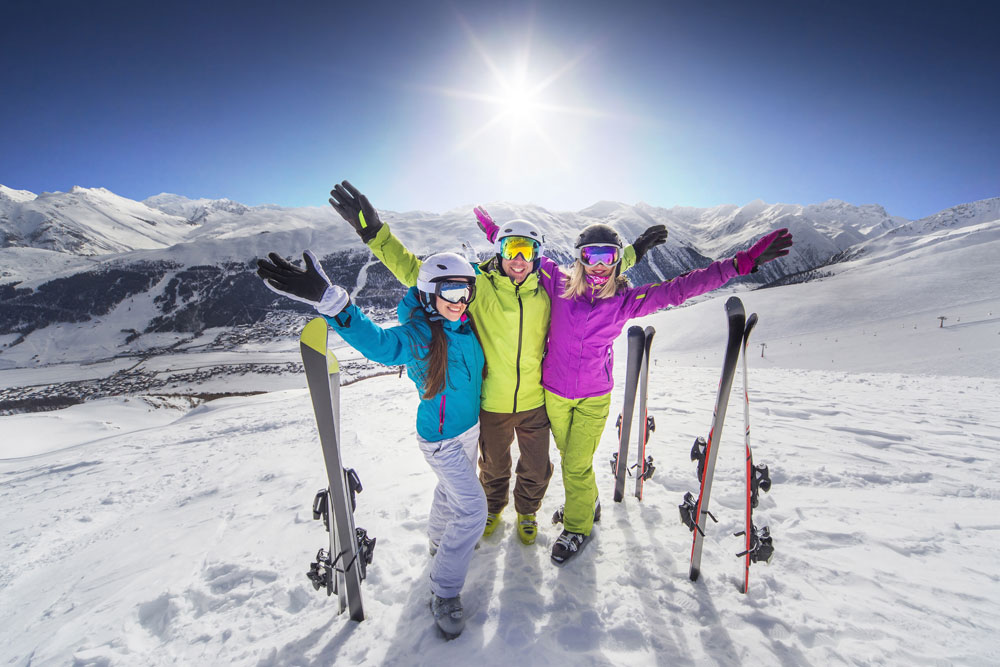
Intermediates (the sweet spot)
If you like cruising, Campiglio is a treat: lots of groomed pistes, plenty of variety across the linked sectors, and the kind of views that make you stop mid-run “for a photo” (and definitely not because your legs hurt).
Stay tip:
- For intermediates, staying in Madonna gives you the nicest “holiday” feel, while Marilleva 1400 can be great if you prioritise first-lift access and ski-home convenience.

Advanced skiers & snow-sure seekers
There are steeper pistes and iconic challenges (including the famous 3-Tre / Canalone Miramonti area), and you can build spicy days across the linked domain.
If you’re tempted off-piste, treat it like the serious mountains it is: avalanche risk is real, and local guide culture exists for a reason – don’t freestyle it solo.
Stay tip:
- For access, Madonna is the easiest base to pick your sector each day.

Snowboarders
Snowboarders generally do well here because you can plan routes that lean on gondolas/cable cars and avoid death-by-draglift.
The key is day planning: start in sectors that keep you moving (and don’t trap you on flat links late afternoon when you’re tired).
Stay tip:
- If you want maximum convenience, consider Folgarida/Marilleva for ski-in/ski-out style lodging and quick access into the wider network.

Beginners
This is a solid pick if you want to learn in a resort that feels organised and confidence-building, with a big ski-school presence and plenty of progression terrain in the wider linked area.
Stay tip:
- Stay central in Madonna di Campiglio if you want easy routines (breakfast → lift → lesson meet-up without drama), or consider Folgarida/Marilleva if you want practical ski-in/ski-out convenience and potentially better value.

Families
Campiglio is a “family holiday” resort in the best way: lots of infrastructure, plenty of ski-school capacity across the area, and non-ski activities when someone needs a rest day.
Stay tip:
- For families, staying central can make logistics easier (especially with little kids and lesson meet points), while Folgarida/Marilleva can be brilliant if you want ski-in/ski-out simplicity and less schlepping.

Freestyle / Terrain Parks
If park matters to you, this area has a legit freestyle identity – with dedicated snowpark options in the wider ski area (including parks in the Val di Sole side).
Stay tip:
- Stay where your priorities live: Madonna for the full resort experience and quick sector choice, or Marilleva/Folgarida if you want faster day-to-day park access and easy laps.
Looking to stay in Madonna di Campiglio ?
Where is Madonna di Campiglio?
Madonna di Campiglio is in Trentino (province of Trento) in northern Italy, set between the Brenta Dolomites and the Adamello-Presanella group – so you get dramatic scenery on tap.
It’s linked by road to valley towns like Pinzolo and the wider Val di Sole, and the ski domain connects multiple bases (Madonna di Campiglio, Folgarida-Marilleva, and Pinzolo) into one big, skiable network. For travel planning, the usual gateways are Verona/Milan/Bergamo/Venice by air, or Trento by rail, then a road transfer up into resort.
Looking to stay in Madonna di Campiglio ?
Skiing in Madonna di Campiglio (ski area, terrain, lifts, snow)
Madonna di Campiglio’s big win is how much you can do without feeling like you’re constantly “in transit”.
The linked ski area spreads across multiple sectors, so you can chase sun, avoid crowds, and keep the week fresh. The terrain is famously well-groomed – it’s a resort that suits people who enjoy clean arcs, scenic cruisers, and a long lunch that somehow turns into a two-hour cultural event.
Your main tactical choice is where you base yourself for the morning. From central Campiglio you can push into different sectors fast; from Folgarida/Marilleva you can often ski straight out; from Pinzolo you get a slightly quieter feel but still stay in the same ski “universe”.


Terrain overview
Madonna di Campiglio is one of those resorts where the map starts to make sense once you understand the names of the main access sectors.
From the village itself, Spinale, Pradalago and 5 Laghi are the core front-door corridors, while Grostè opens out higher up into more panoramic, high-alpine terrain.
What makes Campiglio feel bigger than a classic single-base Italian resort is that it is not just a compact local hill: it sits inside the wider Skiarea Campiglio Dolomiti di Brenta, linking onward to Pinzolo and Folgarida-Marilleva for a combined 156km of interconnected skiing.
That means you can build proper journey days, skiing away from Madonna for lunch and returning by a completely different route, rather than just repeating the same chair-and-piste loop all week.
It also gives the resort a nice rhythm: Pradalago often suits easier mileage, Spinale and 5 Laghi feel more direct and sporty, and Grostè adds that big-mountain atmosphere with wide views toward the Brenta Dolomites.
Stay tip:
If it’s your first Campiglio trip, stay in central Madonna di Campiglio so you can choose between Spinale, Pradalago, 5 Laghi or Grostè each morning instead of locking yourself into one side of the ski area.
Lifts & getting around the mountain
Campiglio feels modern and efficient by Italian standards, and that matters because this is a resort built around movement.
The network mixes gondolas and chairlifts across the Madonna sectors, with the linked ski area extending all the way toward Pinzolo and Folgarida-Marilleva, so getting around is usually smoother than the map first suggests.
The key thing is not whether the system works – it does – but how you use it. The obvious village-access lifts tend to attract the first wave because everyone naturally starts from the same handful of corridors, especially in peak holiday weeks.
The smart move is to ski early, make your big transfer before late morning, and avoid that classic “coffee stop, then everyone moves at once” pattern.
In Campiglio, timing matters almost as much as lift choice. Shift sectors either very early or well after lunch, and the mountain feels spacious; follow the herd at the same hour as everyone else and even a good lift system can feel busier than it really is.
Stay tip:
If queues ruin your mood, choose accommodation with quick access to one of the main morning uplift points so you can be moving before the central village flow fully builds.
Snow reliability & season length
Madonna di Campiglio has a strong natural set-up for a mainstream Alpine winter: the village sits at about 1,550m, the ski terrain rises much higher, and the official season is generally published from November into April.
That altitude range helps because you can usually find a different feel from sector to sector across the same day. Grostè, for example, has a higher, more open feel and tends to hold a wintry look better, while lower returning pistes near the village can soften faster in sunny spells.
The sweet spot for most travellers is still late January through to March, when you are most likely to get the best balance of coverage, open terrain and pleasant temperatures.
Early season can be great when cold weather settles in properly, but it is more dependent on how the winter starts
Late season, meanwhile, can be absolutely glorious for terrace lunches and blue-sky cruising, though you should expect firmer mornings and softer snow later in the day.
In true Campiglio fashion, conditions are rarely just about one piste report – they are about choosing the right sector at the right time.
Stay tip:
In early or late season, stay close to a main lift hub in Madonna so you can switch quickly toward the higher sectors if one side of the mountain is skiing better than another.

Madonna di Campiglio has serious mountain scenery, and that beauty can make the off-piste look deceptively inviting.
You are skiing between the Brenta Dolomites and the Adamello-Presanella group, with the wider area wrapped by the Adamello Brenta Natural Park, so this is not mellow side-of-piste countryside pretending to be big terrain – it is proper alpine country.
That matters because the temptation here is often visual first: a bowl looks skiable, a shoulder looks harmless, a line just beyond the marked piste looks “probably fine.” This is exactly where smart people make daft decisions. If you want to go beyond the marked runs, do it properly with local knowledge, avalanche awareness and the right kit.
Campiglio is the kind of place where a guide adds value not just for safety, but for actually finding the good snow without wasting half the day second-guessing terrain. The resort’s polished village feel can make the whole experience seem gentler than it is; the mountains around it are not.
Stay tip:
If freeride or sidecountry days are a big part of your trip, stay in Madonna di Campiglio itself for the easiest access to guides, fast uplift choices and flexible day planning when conditions shift.
Beginners & improvers
Campiglio is better for beginners than its chic reputation sometimes suggests, but it rewards calm route choice rather than overconfidence.
There are genuinely gentle options such as Pradalago facile, alongside more testing runs in the same wider network, which means a new skier can have a lovely confidence-building morning or an accidental character-building one depending on who is leading the day.
Pradalago is often the more reassuring place to start because it gives you that “real mountain” feeling without throwing you straight into intimidating terrain, while central village access keeps ski-school logistics simple.
Improvers, meanwhile, can get a huge amount from Campiglio because the resort has enough variety to let you repeat the same skill on different pitches instead of just surviving whatever comes next.
It is especially good for building mileage on quiet morning pistes, then using a midweek lesson to tidy up technique before moving onto longer reds. This is not a resort where you need to rush progression; it is a resort where steady progression pays off.
Stay tip:
For easy lesson mornings and low-stress starts, stay central in Madonna di Campiglio or near Pradalago access so you are not beginning every ski day with a bus, a scramble or a long boot walk.
Freestyle & “more than pistes”
Madonna di Campiglio does “more than pistes” particularly well because it combines a polished resort atmosphere with a proper freestyle calling card.
The standout is Ursus Snowpark in the Grostè area, one of the best-known parks in the Alps, with features for different levels and a high-altitude setting around the top of the Grostè gondola.
There is also Mini Ursus for easier progression, which matters because not every resort with a famous park is equally friendly to riders who are still figuring things out.
The practical point, though, is that freestyle here works best when you build your week around it rather than treating it as an afterthought. Grostè is not just “somewhere over there”; it is a specific mission, and if park laps are the plan you want your base and morning routine to make that easy.
More broadly, Campiglio nails the lifestyle side of a ski holiday too: big Brenta views, mountain restaurants, polished village atmosphere and lots of non-ski texture, so even a mixed-ability group can all feel they are getting a proper trip, not just a lift pass.
Stay tip:
If park laps are your main event, stay where getting to Grostè is easy, because the less faff you have before first lift, the more this resort starts to feel like your own playground.
Best Runs in Madonna di Campiglio (by ability)
For beginners:
Look for genuinely friendly blues like Pradalago easy, Belvedere, Larici, Zeledria and Malga Zeledria–Fortini, with Skiweg Campiglio handy for easier linking without nasty surprises.
Once confidence starts to build, longer blue cruisers like 5 Laghi, Boch or Pozza vecia give you that satisfying “I’m actually skiing the mountain now” feeling without tipping too quickly into survival mode.
For intermediates:
This is where Campiglio really gets into its groove. Long, confidence-boosting reds like Spinale diretta, Genziana, Pradalago diretta, Vagliana, Nambino and the famous Fis 3-TRE give you loads of scope to carve properly, build rhythm and actually enjoy the descent.
The sweet spot here is mixing those reds with scenic blues like Boch or 5 Laghi, so you can stitch together full, satisfying top-to-bottom days across Spinale, Pradalago and 5 Laghi without feeling boxed into one style of run all week.
For advanced:
The headline challenge is the Miramonti / Canalone Miramonti zone – iconic, steep and very much “right, legs, don’t embarrass me now” territory.
Beyond that, Campiglio has a proper stash of blacks to stack into a serious day: Spinale direttissima is the big-name test, while Amazzonia, Pancugolo, Nube d’oro, 5 Laghi – Variante 1 and little-but-punchy Canalino 5 Laghi all add to the “this resort is not messing about” side of the map.
Off-piste note:
If you go beyond the marked pistes, treat it as a guide-led, safety-first decision, not a casual “that looks skiable” detour. The local ski-touring set-up includes alpine guides and even an avalanche-transceiver training park near Grostè, which tells you plenty about how seriously the area takes mountain safety once you step outside the piste network.
Looking to stay in Madonna di Campiglio ?
Looking for accommodation in Madonna di Campiglio
Choosing where to stay here is less about “is it nice?” and more about what you want your daily routine to feel like.
If you want the classic resort week – stroll to lifts, pretty town, easy access to bars and restaurants – staying in central Madonna di Campiglio is the simplest, most “holiday-feeling” option.
If your priorities are ski-in/ski-out convenience and value, Folgarida or Marilleva can be really smart because they’re built around slope access.
Pinzolo is lower and quieter-feeling, but still linked into the same ski domain – great if you want calm evenings and don’t mind being slightly removed from Campiglio’s buzz.
Quick chooser: which area is right for you?
- If you want the prettiest, easiest, most classic ski week, stay central in Madonna.
- If you want max ski convenience and often better value, go Folgarida/Marilleva.
- If you want quieter evenings and still-accessible skiing, consider Pinzolo.
- If you like being slightly higher and calmer near the pass, Campo Carlo Magno is a solid compromise – just think about evening transport.
Village Comparison Table
| Area / Base | Altitude | Vibe | Best For | Nightlife | Beginner-Friendly | Access / Getting Around |
|---|---|---|---|---|---|---|
| Madonna di Campiglio (centre) | 1,522m | Polished, lively, “main resort energy” | First-timers, mixed groups, food/après | ★★★★ | ★★★★ | Walkable core; quick lift access |
| Campo Carlo Magno | 1,682m | Quieter, pass-area calm | Couples, calmer trips | ★★ | ★★★★ | Short hop to lifts; plan evenings |
| Folgarida | 1,305m | Practical, ski-focused | Ski-in/out fans, value hunters | ★★ | ★★★★ | Built around slope access |
| Marilleva (900/1400) | 900m-1,400m | Functional, family-friendly | Families, easy mornings | ★★ | ★★★★★ | Direct lift departure from 1400 |
| Pinzolo | 770m | Quiet, local-feeling | Calm evenings, good value | ★★ | ★★★ | Linked via lift connection |
(Star ratings are “relative vibe” rather than gospel)
Best Area for First-Timers
If it’s your first trip to Madonna di Campiglio, staying in central Madonna is usually the smartest move because it helps the whole resort make sense faster.
This is the main village in the wider 156km linked ski area that connects Madonna di Campiglio with Pinzolo and Folgarida-Marilleva, so basing yourself here gives you the most flexible starting point for the week.
You can keep your mornings simple, choose your sector based on weather or mood, and you’re not stuck committing to one side of the map before you’ve even figured out where you like skiing.
It also works brilliantly for mixed-ability groups: beginners can keep things mellow, stronger skiers can disappear for a bigger circuit, and everyone can still meet back in town without the day turning into a logistical group chat.
The downside, obviously, is that central Madonna is the “name” base, so you are paying for convenience, atmosphere and that polished Brenta-Dolomites address. For many first-timers, though, that extra spend buys a much easier holiday.
Stay tip:
If it’s your first visit, stay central enough that you can walk easily to lifts, ski hire and dinner – Campiglio is much more enjoyable when you’re not starting every day with a transport puzzle.
Best Area for Ski-in Ski-out
For proper slope-first practicality, Folgarida and Marilleva usually beat Madonna itself, and Marilleva 1400 is the standout if your dream ski holiday starts with “open door, click in, go.”
Marilleva 1400 is built close to the slopes, with the lift system departing from there, while the wider Folgarida-Marilleva area is fully linked into the Campiglio domain.
In other words: this is the part of the resort system that was designed for convenience, not for posing elegantly in the village square.
That makes a big difference when you’re hauling skis, wrangling children, or trying to squeeze maximum piste time out of a short trip.
It is also one of those places where the building style and resort layout are more functional than romantic – which some people love and others definitely do not.
The main thing is to read details carefully, because “ski-in/ski-out” in the Alps still occasionally means “technically yes, but with a little boot shuffle attached.”
Stay tip:
If ski-in/ski-out is the whole point of the trip, prioritise Marilleva 1400 over vague marketing language – being actually near the piste matters far more than a hotel that sounds sporty.
Best Area for Nightlife
If nightlife matters even a little bit, stay in Madonna di Campiglio itself – not just in the wider ski area, but in the actual town.
This is where the resort has its strongest post-ski identity: aperitivo energy, smart bars, dinner spots and that slightly dressed-up Italian mountain atmosphere that makes “just one drink” feel wildly optimistic.
Places like Bar Suisse, a long-established and elegant Campiglio institution, Pub Dolomiti, the historic pub in town, and Cafè Campiglio by Jumper, are all worth visiting.
If you stay out in Folgarida, Marilleva or Pinzolo, you can absolutely still come into Madonna for an evening – but it becomes a planned outing rather than a natural extension of the ski day.
So if your ideal holiday includes cocktails, lingering dinners and a bit of polished buzz after the lifts stop, this is where you want to sleep.
Stay tip:
Book somewhere in or near the centre of Madonna if evenings matter – being able to stroll back after dinner beats organising taxis in ski socks and bad decision-making mode.
Best Area for Families
For families, Marilleva 1400 is often the most practical choice because it is built around ease rather than theatre.
The resort layout is straightforward, the lift access is direct, and the area has large accommodation complexes and services designed around getting people onto the snow without too much faff. That matters more than it sounds.
Family ski weeks are rarely undone by the skiing itself; they are undone by slow mornings, too much carrying, children melting down in boots, and adults pretending they’re coping beautifully when they are not. Marilleva’s set-up helps with exactly that.
There is a decent alternative, though: Pinzolo is also worth a look for families, because it focuses on families and young skiers, with children’s facilities and a ski school geared toward younger learners.
Central Madonna is the prettier, more atmospheric choice with more restaurant range, but if your family priority is smooth logistics over glamorous village life, the more functional bases often win.
Stay tip:
For the least stressful family mornings, stay somewhere that gets you onto the lift quickly without a bus, a long carry, or a steep trudge in boots – that usually matters more than having a central location.
Best Area for Budget Travellers
If you’re trying to keep the trip more affordable, start your search with Folgarida, Marilleva or Pinzolo rather than central Madonna di Campiglio.
Madonna is the famous, polished, marquee base in the Brenta Dolomites, and it tends to behave like one; the linked satellite bases are often where the better-value beds live.
The good news is that you are not sacrificing access to the ski area in the way you might at some resorts, because the whole domain is connected across Madonna di Campiglio, Pinzolo and Folgarida-Marilleva.
That makes a cheaper base much more viable: you can save on accommodation while still skiing the bigger network.
Pinzolo is especially worth checking if you like the idea of a more relaxed base with fast access via the modern Prà Rodont–Doss del Sabion uplift, while Folgarida and Marilleva work well if your main goal is value plus easy piste access.
The trade-off is atmosphere. Central Madonna has more of the classic “holiday town” feeling; the cheaper bases are often more about function, sleep and getting back out on the mountain.
Stay tip:
When booking on a budget, don’t just chase the cheapest room – pick somewhere with easy lift access or dependable local transport, otherwise you can quietly lose your savings in hassle, time and last-minute transfers.
Our Top Hotels

★★★★
- Campo Carlo Magno
- Lifts - approx. 4–5 mins walk / ski-back possible
- Spa + indoor pool
It’s up near Campo Carlo Magno and the Grostè side, so you get handy mountain access without being right in the middle of Madonna’s glossy village buzz.
It’s a larger, traditional property with mountain views, roomy public areas and a spa/pool setup for downtime.
Why choose it? Pick it for quieter beginner logistics and a bit more breathing room.

★★★★★
- Madonna, near centre
- Lifts - approx. 350 m to Cinque Laghi
- Pool + luxury wellness
Here you have an all-suite setup: just 28 suites, a proper wellness area, a polished restaurant and a grown-up alpine atmosphere that feels calm without being stiff. You get a warm, wood-rich mountain style rather than glossy glass-box luxury.
It’s not directly on the lift, but the Cinque Laghi access is still very manageable.
Why choose it? A proper treat-yourself hotel with suites, spa time and grown-up mountain calm.

★★★★
- Pedestrian centre
- Lifts - approx. 1–2 mins to 5 Laghi
- Wellness area
The bonus is its historic, central setting: this is one of those ‘step outside and you’re in the resort’ hotels, with the 5 Laghi area close by. Very civilised, very Italian, very easy.
Inside, you have traditional comfort, a lounge-bar feel and a wellness area with sauna, Turkish bath and relaxation space.
Why choose it? Classic central comfort with lifts, restaurants and evening wanderings all nicely close.

★★★
- Pinzolo centre
- Lifts - approx. 700 m / hotel shuttle
- Sauna
You’re in Pinzolo, with shops, cafés and a more local village feel close by, plus a shuttle to the lifts at key times.
The hotel is traditional, family-run and practical, with half board, a heated boot room, lounge areas and a sauna you can book locally. The main compromise is that you’re not in Madonna.
Why choose it? Choose it to ski the area while keeping the accommodation spend nicely grounded.
Tour Operators who go here
Looking to stay in Madonna di Campiglio ?
Après ski, restaurants & winter activities
Campiglio is one of those resorts where “the off-slope stuff” is genuinely part of the appeal.
You can ski hard here, absolutely – but you can also have a week that mixes great pistes with great food, a little après, and some very scenic non-ski moments that make the whole trip feel bigger than just skiing.
The village dining scene has everything from cosy Trentino comfort food to proper “book-a-table” restaurants, and the mountain huts aren’t an afterthought either – lunch can be a highlight, not a rushed pit stop.
Après is more Italian-style than chaotic: think aperitivo, atmosphere, and a few lively spots rather than wall-to-wall mayhem.
And if someone in your group needs a rest day, you’ve got options like ice skating (including the frozen lake/pond at Conca Verde when conditions allow), snowshoe routes, and other winter activities across the area.

The vibe here is “good drink, good soundtrack, good chat” rather than “foam cannon at 2pm”… but you can still have a properly fun week.
Piano 54 is one of the best-known names for that post-ski energy, while Jumper Bar and Bar Suisse are great for classic drinks-and-atmosphere sessions.
If you want something a bit more “glam aperitivo,” Nabucco Ferrari Spazio Bollicine leans into bubbles and that stylish Italian night-out feel.
For a very Campiglio version of après (sun terrace, music, and people accidentally staying for hours), the mountain scene matters too: Boch is famous for a lively terrace vibe and even calls out DJ sets on the official site, which tells you everything you need to know about how lunch can “oops” into après.
And if you want a more food-led but still buzzy mountain stop, Patascoss positions itself as a modern “mountain food concept” – a good shout when your group wants vibes without going feral.
Mountain‑top Moments
Boch, up in the Grostè area at around 2,085m, is one of the big terrace-and-atmosphere names: it’s got the panoramic solarium feel, a younger buzz, proper restaurant energy, and its own signature Boch bombardino with egg liqueur, rum, coffee, whipped cream and cocoa.
If you want lunch to feel a bit more polished, Stoppani Dolomites Lodge is the “we’re doing this nicely” option, with a gourmet restaurant upstairs focused on local products and high-quality ingredients, plus a self-service area downstairs for quicker homemade, traditional plates.
Chalet Fiat is another classic, pairing huge Brenta views with both gourmet and traditional dishes, so it works whether you want a proper sit-down or just a more stylish refuel.
If you want the food to feel more rustic and distinctly local, that’s where Malga Montagnoli, Cascina Zeledria and Malga Ritorto come into their own. Malga Montagnoli leans hard into mountain-hut atmosphere, typical cuisine and local dairy character, with milk from its own cows processed in the on-site dairy.
Cascina Zeledria, over in the Pradalago direction, is one of the easiest places to love because the speciality is wonderfully unfussy: grilled meat, vegetables and polenta served on soapstone, with melted cheese and sauces on the side. Malga Ritorto is another strong shout if you want somewhere that makes a point of using local ingredients and producers, which suits Campiglio nicely because the best mountain lunches here are the ones that feel specific to Trentino.

Village dining is where Madonna di Campiglio really starts showing off, because this is not a “grab any pasta and call it a night” kind of resort.
If you want dinner to feel a bit more polished, Il Convivio is the obvious smart-modern choice: its own menu leans into that “Trentino, but dressed up nicely” mood with dishes like Bottone Rustico della Rendena (fresh pasta stuffed with ricotta and spinach with Rendena beef ragù), risotto with Brenta forest blueberries, local cheese fondue and speck powder, and local venison loin with forest fruits.
Ristorante Alfiero is one of the big-name restaurants in town too – it is a gourmet favourite, serving things like braised roe-deer leg with Teroldego and polenta di Storo, veal cheek cooked low and slow, and desserts such as apple strudel with vanilla sauce.
So if your version of a ski-holiday dinner is “regional ingredients, but make it feel like a proper evening out,” these are the kinds of places that earn the smug good choice nod from the table.
For something more classic and central, Le Roi is a very Campiglio sort of pick: warm mountain interiors, a wood-fired pizza oven, and a menu built around Trentino staples like polenta, mushrooms, cured meats, game and canederli.
Ristorante Belvedere, right near the Pradalago cable car, is the practical “we are starving and need carbs immediately” option, with local dishes such as canederli, strangolapreti, carne salada and strudel, plus pizza at lunch and dinner.
If you want the meal to feel more intimate and special-occasion, Stube Hermitage brings the romance: it was the first restaurant in Madonna di Campiglio to receive a Michelin star, and still offers tasting menus – including a vegetarian one – in a beautifully old-wood stube setting.
And for a cosier, friendlier, less ceremony-heavy evening, Osteria & Friends does exactly what the name suggests, leaning into Trentino meat and cheese specialities, polenta and other typical local dishes in a tavern-style space that feels welcoming rather than hushed.
If someone in your group needs a non-ski day (or just a half-day), Campiglio is actually great for it.
Ice skating is a classic – there is skating on the naturally frozen pond at Conca Verde when conditions allow, and there’s also an ice stadium in nearby Pinzolo.
Snowshoeing is another easy win – there are signposted itineraries like the Vallesinella / “Sentiero dell’Arciduca” route that takes you toward the waterfalls area in the Brenta scenery.
Beyond that, you’ve got the usual winter menu: sledding/tobogganing, dog sledding experiences and fat biking.
If you’re staying somewhere that includes it, the DoloMeet Guest Card can also be handy for getting around the area on public transport (routes within Trentino), which makes little day trips and valley exploring much easier.

Getting home safely & easily
If you stay centrally in Madonna di Campiglio, evenings are nice and easy: you’ll usually just walk back from bars, restaurants or a post-dinner drink without needing to think too hard about logistics. That is a big part of the appeal of staying in the middle of town.
If you’re staying in Folgarida, Marilleva or Pinzolo, evenings need a bit more intention. You can absolutely come into Madonna for dinner or après, but getting home afterwards is less of a casual wander and more of a “right, what’s the plan?” situation.
That usually means checking local transport in advance or lining up a taxi rather than assuming you’ll sort it out at the last minute.
Basically: central Madonna is the easy, stroll-home option; the outer bases are fine too, but they reward a tiny bit of evening admin.
For public transport, the DoloMeet Guest Card is still worth knowing about because it can help with local travel on participating Trentino routes if your accommodation includes it.
Just do not treat that as a magic late-night solution for every evening out. For nights when you know you will be staying in town for dinner, drinks or both, the smart move is to check the last useful connection before you head out.

Ski schools & learning zones
Madonna di Campiglio is not short on instruction options – it’s one of those resorts where ski schools feel like a proper system rather than a couple of instructors and a clipboard.
There are hundreds of instructors across Madonna di Campiglio and Pinzolo, which matters in peak weeks when you don’t want to be stuck with the only remaining lesson slot at 3:45pm.
The smart way to think about lessons here is: pick the school that matches your logistics. If your accommodation is near the 5 Laghi base, use that. If you’re central and want a big, established programme (kids, adults, groups, private), go with one of the main Campiglio schools.
And if you’re progressing fast, consider a private session midweek – it’s the quickest way to fix one technique issue that’s been haunting you for years.

For beginners in Madonna di Campiglio, the magic formula is still “easy repetition without scary surprises,” but here that means being quite deliberate about which side of the mountain you start on.
There are genuinely gentle options like Pradalago easy alongside far punchier terrain, which is a good reminder that Campiglio is not a resort where every nearby piste is automatically beginner-friendly just because the village feels polished and manageable.
For very early-stage learners, the Family Park at Campo Carlo Magno is especially worth knowing about: it is a first-slides area for small children on skis or boards, the old drag lifts there have been replaced by three new tapis roulants, which is exactly the kind of upgrade that makes first attempts less dramatic and far less tear-soaked.
Once confidence starts to build, areas accessed from Pradalago tend to feel like a more natural next step, because they let you move on from nursery-slope vibes into proper mountain skiing without going full “surprise steep red at 10:15am.”
For instruction, Madonna di Campiglio has proper depth rather than just a token ski-school presence. The ski schools across Madonna di Campiglio and Pinzolo offer more than 500 instructors, which helps explain why the resort works for everyone from nervous adult first-timers to children doing their first snowplough turns.
Scuola Italiana Sci Nazionale Des Alpes stands out for scale, with 80 professionals including specialists for children, disabled athletes, snowboarders and mountain-guiding support, while Scuola Italiana Sci 5 Laghi is a very handy option if you want convenience as much as teaching quality, with 40 instructors and a long-established reputation for children’s tuition.
In practice, that means Campiglio gives you a few different ways to organise learning: you can go big and broad with a major school, or keep things more location-driven and choose the base that makes your mornings easiest.
In Madonna di Campiglio, lesson mornings get easier in direct proportion to how little messing about is involved before 9am.
Staying centrally in Madonna usually makes the most sense if ski school is a major part of the trip, because you are closer to the main village lift corridors and to several of the obvious lesson-meeting zones rather than relying on buses, shuttles or military-grade family coordination.
This matters even more here because Campiglio is not a tiny, one-lift hamlet where everything is automatically five minutes away. It’s a polished resort with several access points, and that is brilliant once you know your way around – but much less brilliant when you are trying to locate one mitten, one child and one ski-school meeting point while everyone is already a bit late.
If you’ve got younger kids in lessons, central Madonna is a genuine sanity saver. You are much more likely to get those smooth, civilised ski-school mornings where everyone arrives with gloves, snacks and a vaguely stable mood intact.
If you stay further out in Folgarida, Marilleva or Pinzolo for better value, that can still work perfectly well – you’re still within the linked Campiglio domain – but you need a rock-solid morning routine and a bit less “we’ll figure it out on the day” energy.
The practical rule in Madonna di Campiglio is simple: book early, especially for peak weeks, because the resort has huge teaching capacity but it is also a seriously popular destination.
Holiday weeks, weekends and school-break periods are the obvious pressure points, so if you care about a specific time, a specific school, or lessons for multiple family members at once, get it sorted early and spare yourself the last-minute scramble.
It also helps to choose your ski school based on where you are staying and which uplift you want to use, rather than picking blindly and hoping the rest will sort itself out. That is where the local address details suddenly become weirdly important.
Scuola Italiana Sci 5 Laghi is explicitly listed at Piazza Righi, right by the 5 Laghi gondola departure, which is the sort of small logistical detail that makes a big difference when you are trying to keep mornings smooth.
Nazionale Des Alpes is also based at Piazza Righi 24, with additional branches including Via Pradalago and a hire shop at the bottom of the Spinale lift, which gives you a bit more flexibility depending on your base and your plan for the day.
In other words, Campiglio is a resort where the best ski-school choice is not only about teaching style – it is also about shaving away unnecessary faff before the lesson has even started.
Stay tip: Before you book accommodation, check your likely ski-school meeting point on the map – being near Piazza Righi, Pradalago or the main central lift access can make the whole week feel dramatically easier.
Looking to stay in Madonna di Campiglio ?

Lift passes, costs & budgeting
Madonna di Campiglio’s main SkiArea pass already covers a substantial skiing holiday: Madonna di Campiglio, Pinzolo and Folgarida–Marilleva form a linked network of more than 150km of pistes, with Pejo also included on the pass. Pejo is a separate ski area rather than another sector you can reach by chairlift.
For most Campiglio-based weeks, that gives you plenty to explore. The wider Superskirama pass adds more resorts, including Ponte di Legno-Tonale, Paganella, Monte Bondone and Alpe Cimbra, making it worth considering when day trips are genuinely part of the plan.
The other important decision is when and how you buy. Campiglio uses dynamic online pricing, so buying ahead can cost less than waiting until you arrive. Just don’t confuse a discounted ticket with an automatically refundable one.
Which ski pass should you buy in Madonna di Campiglio?
Think of it like this: staying around Campiglio, Pinzolo and Folgarida-Marilleva? The SkiArea pass already covers your exploring. Planning proper days elsewhere? Compare Superskirama before buying.
Option A - SkiArea Campiglio Pass
What it is: The SkiArea Campiglio Dolomiti di Brenta Val di Sole Val Rendena pass, covering Madonna di Campiglio, Pinzolo, Folgarida–Marilleva and Pejo.
Best for: Most week-long holidays, families, mixed groups and skiers who want a substantial linked area without spending their mornings driving between resorts.
You can ski between Madonna di Campiglio, Pinzolo and Folgarida–Marilleva on the same pass. Pejo gives you an additional option for a separate day out, rather than requiring the wider Superskirama ticket.
Plain English: This is the “there’s already plenty here to keep us busy” pass.
Option B - Superskirama Pass
What it is: The wider regional pass covering eight ski areas and around 380km of pistes, including the Campiglio network, Pejo, Ponte di Legno–Tonale, Paganella, Monte Bondone and Alpe Cimbra.
Best for: Longer stays, repeat visitors and confident skiers who have actual day trips planned rather than a vague ambition to ski everything in northern Italy.
These are separate ski areas, not one continuously linked domain. The extra choice is useful, but factor in the journey.
Plain English: This is the “Campiglio is our base, but not our entire itinerary” pass.
Option C - Shorter sessions and flexible ski days
What it is: Short-duration tickets, including a four hour option, plus a 5 in 7 day pass for skiers who want days off.
Best for: Arrival days, shorter sessions, lesson-heavy holidays and anyone planning a spa day somewhere between the skiing.
Four hour tickets run for four consecutive hours from your first lift entry. The clock doesn’t pause for lunch. Standard multi-day passes also run consecutively; the 5 in 7 product is the one to compare when you want five skiing days spread across a week.
Plain English: This is the “buy the skiing you’ll actually do, not the heroic version discussed in the group chat” option.
Madonna di Campiglio lift pass prices 2026/27
Here are the published headline prices for Madonna di Campiglio Winter 2026/27 (prices shown in EUR):
| SkiArea Campiglio Pass | Adult | Child | Junior |
|---|---|---|---|
| 1 day | €87.00 | €44.00 | €61.00 |
| 6 consecutive days* | €435.00 | €218.00 | €305.00 |
| 7 days | €492.00 | €246.00 | €344.00 |
| Superskirama Pass | Adult | Child | Junior |
|---|---|---|---|
| 6 consecutive days* | €452.00 | €226.00 | €316.00 |
| 7 consecutive days | €511.00 | €256.00 | €358.00 |
* The Sunday surcharge – worth checking
A 6 day pass containing a Sunday attracts an additional €10 per adult, €7 per junior or €5 per paying child. Those supplements are not included in the 6 day rows above. That is particularly relevant to the classic Saturday-arrival holiday where skiing starts on Sunday.
Ski Demon tip: Decide which extra resort you would actually visit before paying for wider access. “Ponte di Legno–Tonale on Wednesday” is a plan. “We might fancy somewhere different” is how unused lift-pass upgrades happen.
Deposits, insurance, and when to buy
Here’s how to do Madonna di Campiglio like someone who hates queues and hates wasting money:
KeyCard: There is a €5 refundable deposit, returned when you hand back an undamaged card. Replacing a lost day or multi-day pass costs €10, and you’ll need the card details.
Insurance: Third-party liability cover is compulsory in Italy, but it is not automatically included in the ski pass. Optional ITASNOW costs €3.50 per person per day, or €5 for Gold. Check your winter sports policy before buying additional cover.
When to buy: Check the official online shop early for dynamic SkiArea prices. Its flexible-purchase arrangement allows cancellation at least 24 hours before the pass starts, but returns the money as account credit, not cash, usable until the end of winter 2027/28.
That distinction matters when comparing a cheaper advance purchase with keeping your plans open.
Looking to stay in Madonna di Campiglio ?
Common Madonna di Campiglio Ski Holiday Mistakes
Madonna di Campiglio is easy to enjoy, but its different bases, linked ski sectors and dynamic lift-pass pricing mean a few common mistakes can make your holiday more complicated.
Booking accommodation before you’ve decided your “morning routine”
People pick a hotel based on vibes, then realise they’ve made lessons and lift access harder than necessary.
If you’ve got beginners or kids, staying central (or genuinely ski-in/ski-out) can be worth more than saving money on a nicer room further away. Your future self will thank you at 8:45am.
Treating the ski area like one blob instead of sectors
Campiglio works best when you pick a plan: chase sun, avoid peak lifts, and don’t funnel into the same base at the same time as everyone else. Build your day around the main gateways (Spinale / Pradalago / 5 Laghi), and shift sectors at lunch if queues build.
Accidentally skiing above your level because “the map looked fine”
The piste map shows everything from gentle runs to serious blacks in the same ecosystem, so it’s easy to take one wrong turn and end up somewhere spicy. Use the live info, be strict with route choice, and don’t let confident friends “drag” you onto something you’re not ready for.
Overpaying because you didn’t clock dynamic pricing and rules
Dynamic pricing (discounts/increases) and the price list includes specific weekend logic like the Sunday rule – so “I’ll just buy it on the day” can be unnecessarily expensive. Make a quick plan: buy early if it’s cheaper, and choose pass duration based on how many full days you’ll really ski.
Getting casual about off-piste and conditions
The scenery makes everything look friendly… until it isn’t. If you want to go beyond marked pistes, do it properly: guide, kit, avalanche awareness, and conservative decisions in bad visibility. A ski week is a terrible time to discover your personal risk tolerance the hard way.
Getting to Madonna di Campiglio
Getting to Madonna di Campiglio is straightforward, with several airport options and useful rail connections via Trento. Whether you’re flying, driving or arriving by train, here’s everything you need to know before you travel.
1) Fly + road transfer
(the “land, grab skis, go” option - and the most common)
Most people fly into Verona, Bergamo, Milan or Venice and do the final leg by road on a pre-booked shared shuttle or private transfer.
In normal conditions it’s very doable – but this is still a winter mountain transfer, so you should always build in a bit of grace for snow, Saturday traffic and the classic motorway slow-downs that turn “nice easy transfer” into “why have we been next to this service station for 20 minutes?”
As a sensible guide for road-transfer timings:
- Verona → Madonna di Campiglio: roughly 2 to 2 hours 30 minutes
- Bergamo → Madonna di Campiglio: roughly 2 hours 30 minutes
- Milan → Madonna di Campiglio: roughly 3 hours
- Venice → Madonna di Campiglio: roughly 3 hours 15 minutes
Real-world tip: if you’re booking a transfer, try to land early enough that a weather delay doesn’t turn your arrival day into a dark, twisty mountain-road special – Madonna is much nicer when your first impression is “ooh, pretty” rather than “I never want to see another hairpin bend again.”
2) Train to Trento + bus / taxi up
(the “car-free, civilised, and surprisingly workable” choice)
Rail-wise, Trento is the key gateway for Madonna di Campiglio.
This is a very decent choice if you’d rather not drive winter mountain roads yourself, and it works especially well for people who like the rhythm of “flight or train into a city, proper rail leg, then one final transfer.”
Typical timings look like this:
- Verona → Trento (train): roughly 55 minutes to 1 hour 10 minutes
- Milan → Trento (train): roughly 2 hours 30 minutes to 3 hours
- Venice → Trento (train): roughly 2 hours 15 minutes to 2 hours 40 minutes
- Trento → Madonna di Campiglio (bus): roughly 2 hours
Real-world tip: if you’re doing train + bus, leave yourself enough buffer in Trento that one late train doesn’t blow up the whole chain – especially if you’ve got kids, luggage, or a low tolerance for standing at a bus stop wondering whether everyone else knows something you don’t.
3) Driving to Madonna di Campiglio
(flexible and scenic - as long as you respect winter)
Driving to Madonna di Campiglio is totally doable, but it’s a mountain-resort drive, not a casual motorway hop to an outlet village.
The official access routes are pretty clear: from Verona / the Brenner A22 side, you typically exit at Trento Sud and continue on the SS45bis, SS237 and SS239 toward Madonna di Campiglio; from Milan, the official route is the A4 to Brescia Est, then SS237 / SS239 toward the resort.
As a sensible guide for driving times in decent conditions:
- Verona → Madonna di Campiglio: roughly 2 hours 15 minutes
- Bergamo → Madonna di Campiglio: roughly 2 hours 30 minutes to 3 hours
- Milan → Madonna di Campiglio: roughly 3 hours
- Venice → Madonna di Campiglio: roughly 3 hours to 3 hours 15 minutes
Real-world tip: carry chains even if you’ve got winter tyres, and sanity-check your parking before arrival – nothing kills the mood faster than discovering your “easy parking” is actually a snowy walk uphill with bags and skis.
Getting around once you’re there (easy… with one tiny “ski boots” reality check)
Walking (your default setting - if you’re staying in central Madonna)
Central Madonna di Campiglio is very walkable by ski-resort standards, so if you’re staying in the middle of town you can usually build your week around a nice simple rhythm. It’s one of the reasons first-timers often do best here - the resort feels polished and manageable rather than sprawling and awkward.
Ski links + local transport (your friend if you’re staying outside central Madonna)
If you’re based in Folgarida, Marilleva or Pinzolo, the week works a bit differently. You’re not relying on one compact village centre in the same way - you’re relying more on the wider linked ski area, lift connections and the occasional bit of local transport to keep things flowing.
Taxis (for late dinners, tired legs, or “we cannot do one more metre”)
Late-night taxis do exist, and they’re very handy when nobody in your group is emotionally available for another snowy walk after dinner. The only catch is that this is mountain-resort practical, not big-city seamless: prices are not clearly published, and availability can feel a bit “best not leave this to chance,.”
Ready to make your piste dreams a reality?
Whether you’re scouting dreamy hotels, comparing the best tour operators or looking for fresh ski inspiration, we’re here to help you turn ideas into an actual holiday.
Take the next step by browsing hotels in this resort, choosing a trusted ski tour operator or signing up to our newsletter for destination ideas, practical advice and the latest tips delivered straight to your inbox. From finding the right place to stay to choosing the best way to book, we’ve got plenty to help you plan with confidence. Pick your next move and let the adventure begin.
Looking for more inspiration?
Sign up to our free newsletter

Ready to book your stay?
Take a look at our hotel guide and see what suits your requirements and budget
Tour operators
For more from our tour operators click the logos above
Madonna FAQs
Whether you’re visiting Madonna for the first time or heading back for another trip, these FAQs should help answer the most common questions before you book and before you travel.
Is Madonna di Campiglio good for a first ski trip?
Yes – if you choose your base smartly. Central Madonna makes the whole “figuring it out” part easier: lift access, meeting points, restaurants, and the general vibe all help you settle in fast.
Beginners also benefit from the wider network because there’s plenty of progression terrain – you’re not trapped on one tiny nursery slope all week. The key is route discipline: stick to beginner-appropriate pistes early on and consider lessons to accelerate confidence.
How big is the ski area - will I get bored in a week?
Very unlikely. The linked domain is roughly 150–156km of runs across Madonna di Campiglio / Pinzolo / Folgarida-Marilleva, so you can ski different sectors on different days and keep it fresh.
The trick is to treat it like a set of “day zones”: pick a sector, ski it properly, then switch the next day – rather than trying to “see everything” by lunchtime and spending half your holiday on lifts.
What’s the easiest base if I want minimal faff?
Central Madonna di Campiglio. It’s the most straightforward place for the classic ski-week routine: walk to lifts, easy access to restaurants, and you’re well positioned to choose different ski sectors each day.
If you prioritise ski-in/ski-out over town atmosphere, Folgarida/Marilleva can be even easier for mornings – but you’ll trade away some evening buzz.
Are lift passes expensive here?
They’re in the “major Alpine resort” bracket – not bargain-basement, not the priciest in Europe either. Prices vary by period, and dynamic pricing can apply. Your best defence against overpaying is planning: buy the pass that matches how many full days you’ll ski, consider shorter-duration tickets if you’re not skiing full days, and don’t ignore weekend rules (the Sunday rule is a classic “wait, what?” moment).
Do I need a car once I’m there?
Not if you stay central – you’ll mostly walk, ski, eat, repeat. If you’re in Folgarida/Marilleva/Pinzolo, a car can help for flexibility, but it’s not essential if you’re happy using ski links and local transport.
One nice-to-know: if your accommodation includes the DoloMeet Guest Card, it can cover free public transport in the area (within Trentino routes), which can make getting around easier.
Is Madonna di Campiglio snow-sure?
It’s a strong bet for a typical Alpine winter: village around 1,522m and skiing up toward 2,600m, with published winter operations commonly running late November into April.
The honest answer is: no resort guarantees perfect snow every day, but Campiglio’s altitude range and established infrastructure usually give you good odds across the core season, especially late Jan–March.
What’s the après like - will my group be bored?
If your group needs wild après every day, Campiglio is more “aperitivo with vibes” than “24/7 chaos,” but bored? Probably not.
There are well-known spots like Piano 54, Jumper Bar, and Bar Suisse, plus more glamorous options like Nabucco Ferrari Spazio Bollicine. And don’t forget the mountain scene: Boch has DJ sets, which tells you exactly what can happen to a “quick lunch.”
Is it good for non-skiers or rest days?
Yes – and not in a “you can sit in a café and stare at skis” way. Ice skating is a genuine option (including Conca Verde when it freezes), snowshoe itineraries, and there are loads of winter alternatives. If you want one iconic rest-day move: do a scenic walk, then book a very long lunch somewhere with views and pretend you planned it that way.
How do I avoid queues?
Start early, don’t funnel into the same lift at peak time, and shift sectors when you sense congestion. Cinque Laghi can be a queue hotspot in busy periods, so build a plan B that doesn’t rely on it at 9:45am. Also: eat lunch slightly earlier or later than the crowd – it helps both slopes and restaurants.
Any “only in Campiglio” pro tips?
Two: first, plan mountain lunches like you plan ski days – target a place (Boch / Malga Montagnoli / Stoppani etc.), arrive early, and enjoy the Italian pace. Second, don’t assume pass pricing is static: the official shop points to dynamic pricing, and the price list includes rules (like the Sunday rule) that can catch you out.