


Avoriaz gives you a car-free, snow-globe village with ski-in/ski-out convenience and easy access across the Portes du Soleil. It feels like it was designed by someone who actually skis: one minute you’re gliding past wooden chalets, the next you’re spider-webbing out across the mountains. It’s equal parts effortless and choose-your-own-adventure, with a side of Savoyard cheese for morale.
This guide was written by Michelle Wheeler
Avoriaz ski resort at a glance
Avoriaz sits high above Morzine in Haute-Savoie (French Alps), plugged straight into the mighty Portes du Soleil – one of the largest ski areas in the world – that lets you ski France in the morning and accidentally end up in Switzerland by lunchtime.
Avoriaz itself is a purpose-built, car-free resort at around 1,800m, with skiing rising to roughly 2,466m up on Hauts-Forts, and a typical season that runs from early December into April.
On snow, think super convenient ski-in/ski-out living, a lift network that’s mostly chairs (with key gondola and cable-car links), and access to approx 600km of pistes across the vast Portes du Soleil ski area (Avoriaz’ own sector is smaller but nicely self-contained).
Getting here is one of Avoriaz’ sneaky superpowers: Geneva is about 1 hour 40 minutes, and rail gateways like Thonon and Cluses (both around an hour) keep it doable even if you hate long transfers.

Altitude
1,800 m - 2,466 m
Pistes
600 km
Ski Season 26/27
11 Dec - 18 Apr
Transfer Time
60 - 100 mins
Number of pistes by difficulty
Resort Guide Quick Facts
(the stuff you actually care about)
Best for:
People who want convenience without feeling stuck on a tiny hill. Great for mixed-ability groups (loads of friendly terrain + proper challenge nearby), snowboarders who like parks, and families who want everything close. If you love a traditional chocolate-box village… Avoriaz is more “cool 60s alpine spaceship”, but it wins you over fast.
Ski area size:
Avoriaz and the Portes du Soleil area is approx 600km of pistes with around 208 lifts across multiple resorts. Avoriaz’ own lift-pass “home” area is smaller (think “plenty for a week if you’re not desperate to tick every valley”), but the whole point is that you can expand your playground whenever you fancy.
Altitude:
The resort base is about 1,800m, which helps with snow confidence, especially in the colder core months. The highest skiing around Avoriaz hits roughly 2,466m (Hauts-Forts), so you’ve got a decent high altitude cushion for mid-season quality and spring mornings.
Villages/bases (each has a different vibe):
Avoriaz village itself is split into neighbourhoods like Dromonts (iconic/retro), Festival (central/action), Crozats (views/quiet), Amara (modern/upmarket), Ruches (handy/family-friendly), Les Hauts Forts (close to chairlift), Falaise (edge-of-resort views) – and because the resort is compact, you’re rarely far from the “centre” in practical terms.
Beginner friendliness:
Strong. There are dedicated beginner zones (including the Plateau area and the Proclou sector), and Avoriaz is known for being a pretty forgiving place to build confidence – plus you’ve got loads of mellow slopes with decent mountain-restaurant options for morale-boost hot chocolate stops.
Ski season (published dates):
Avoriaz’s 2026/27 ski season is scheduled to run from 11th December 2026 to 18th April 2027. That gives you a generous winter window, although available lifts and links may be more limited at either end. Check the official Avoriaz ski area dates before booking an early or late trip.
You’ll love Avoriaz for…
Extensive area
Snow boarding
Intermediates
| Our rating | |
|---|---|
| ★★★★ | Beginner |
| ★★★★★ | Intermediate |
| ★★★★ | Advanced |
| ★★★ | Off-Piste |
| ★★★★★ | Snowboarding |
| ★★★★ | Snow Reliability |
| ★★★★★ | Extent |
| ★★★ | Apres-Ski |
| ★★★★ | Restaurants |
| ★★★ | Scenery |
| ★★★ | Village Charm |
| ★★ | Non-Skiers |
Best for snow: January - early March
January to early March is your safest bet for proper winter ski conditions, colder temps, and fewer “is this slush?” moments.
Best for value: Early January (after New Year) and late March
Early January (after New Year) and late March can be great if you’re flexible and not chasing peak-week vibes.
Best for families: February half term
February half term is lively and convenient (ski schools are in full swing), but book early or prepare to sell a kidney.
Avoid if possible: New Year and peak February weeks
New Year and peak February weeks if you hate queues, high prices, and restaurants mysteriously having “no tables left”.
Tour Operators who go here






Looking to stay in Avoriaz?
What’s Avoriaz like?
Avoriaz is one of those resorts that’s basically built for the “I just want an easy ski trip” person – and I mean that as a compliment.
It’s high, compact, and designed so you can clip in near your building and just… go.
The fact it’s car-free makes it feel like a snow globe: skis on the “streets”, people wandering about in moon boots, and the occasional horse-drawn sleigh gliding past like you’ve stepped into a Christmas advert.
Architecturally, it’s not your cute Savoyard chalet village. It’s bold 1960s “organic” design with wood-clad, angular buildings that were deliberately shaped to sit with the mountain rather than copy old-school chalet lines.
Some people fall in love instantly; some need two vin chauds and a bluebird day to “get it”. Either way, it’s memorable.
Town layout
Avoriaz is compact and pedestrian, split into neighbourhoods that are more “micro-vibes” than totally separate villages.
Festival feels like the middle (shops, bars, easy access to the slopes), Dromonts is the historic heart with the iconic architecture, and areas like Crozats and Falaise sit a bit higher/edgier with big valley views.
The entrance side (Amara/Falaise) is handy for arrivals and parking logistics, while the southern side (near where Prodains access pops up) is super practical for lift links and ski-school routines.
Overall vibe
It’s lively, social, and a bit cheeky – but also surprisingly family-friendly.
Think “British tour-operator central” in the best way: easy logistics, plenty of apartments, lots of groups, and a proper mix of skiers and snowboarders. The ski-in/ski-out design makes everything feel effortless (no morning bus, no trudging in ski boots for 25 minutes), and that alone lifts the mood of an entire holiday group.
Add in strong park culture and the place feels energetic without needing to be full-on party 24/7.
Après-ski
Après in Avoriaz is basically two speeds: “sun terrace chaos” and “cosy cocktail lounge”.
You’ve got big-name party energy (yes, La Folie Douce) plus a stack of bars around resort centre where you can do a relaxed drink, a loud drink, or a “why am I agreeing to shots at 4pm?” drink.
The nice thing is: because everything is close and the resort is car-free, you can keep your group together without anyone disappearing into a taxi black hole.
Looking to stay in Avoriaz?
Who Avoriaz suits
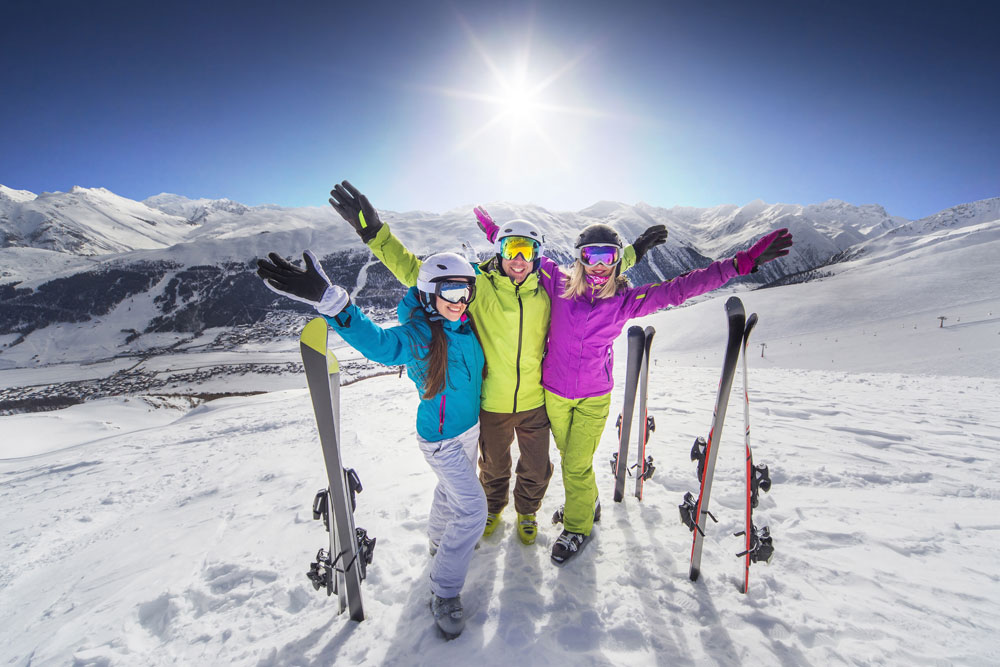
Intermediates (the sweet spot)
This is where Avoriaz really shines.
You’ve got miles of cruisy blues and reds to just lap happily, plus the entire Portes du Soleil network for long day routes (the kind where you stop for lunch in another resort and feel smugly “proper skier”).
For best cruising, aim for the Arare/Hauts-Forts side early, then roam towards Lindarets when the legs are warm.
Stay tip:
- Stay in Crozats or Festival if you want easy lift access plus the option to wander into town for a drink without effort.

Advanced skiers & snow-sure seekers
You’re not coming here for endless above-treeline steeps like a mega-high alpine resort, but Avoriaz still delivers: proper blacks, off-piste potential, and quick access to famous challenges in the wider area, like the Swiss wall, that connects Avoriaz to Les Crosets in Switzerland.
The big safety note is the obvious one: Les Portes du Soleil has serious freeride terrain and avalanche risk, so if you’re heading beyond marked runs, do it with the right kit and ideally a qualified guide.
Stay tip:
- Stay near Hauts-Forts / Dromonts if you want fast access to the higher, more “serious” side of the mountain.

Snowboarders
Boarders generally love Avoriaz because it’s built around smooth flow: lots of chairlifts, fewer nightmare drag-lift-only zones, and a strong park/freestyle culture.
Plus the resort layout is practical – you’re not constantly doing flat, rage-inducing traverses just to get home (there are a few in the wider area, but Avoriaz itself is kinder than many French mega-domains).
Stay tip:
- For easiest “clip in and go” mornings, stay around Festival or near the Plateau, where you’re close to lifts and can choose routes with minimal faff.

Beginners (with a smart plan)
If you’re learning (or returning after a long gap), Avoriaz is kind.
You’ve got beginner-friendly zones like the Plateau and progression terrain in the Proclou sector, plus loads of confidence-building blues when you’re ready to leave the nursery slopes behind.
A practical win: you can also pick mountain restaurants that don’t require a terrifying descent after lunch.
Stay tip:
- Stay in Festival or Dromonts if you want the simplest mornings – you’re close to central meeting points and can often ski right back to your door.

Families
For families, Avoriaz is a bit of a dream: compact, car-free, and built around ski-in/ski-out convenience, which means fewer daily logistical battles.
The Village des Enfants (run by ESF) is a big deal here – it’s designed for kids, with half-day/full-day options and a proper “contained” feel that reassures parents.
Stay tip:
- Stay in Festival, Dromonts, or Ruches for the easiest access to lessons, food, and “we need a snack NOW” stops.

Freestyle / Terrain Parks
If parks matter to you, Avoriaz is a headline act.
It’s known for zones like The Stash (that eco, wood-feature, tree-lined playground) plus dedicated snowparks like La Chapelle and Arare Snowpark, with plenty of progression options.
Stay tip:
- If you want to roll out of bed and be in the park fast, stay near Plateau/Festival – you’ll be close to central lift connections and the vibe is properly “ride, snack, repeat”.
Looking to stay in Avoriaz?
Where is Avoriaz?
Avoriaz is in the French Alps in Haute-Savoie, perched above the town of Morzine, and it’s part of the Portes du Soleil ski region that links multiple French and Swiss resorts together.
For travel planning, the big headline is that it’s one of the more convenient major French ski resorts from the UK: Geneva is the classic airport choice, and you’ve also got workable rail gateways like Thonon-les-Bains and Cluses plus straightforward road access to the valley stations (then you go up into the car-free resort).
Looking to stay in Avoriaz?
Skiing in Avoriaz (ski area, terrain, lifts, snow)
Avoriaz is a great base for a ski holiday, where you can keep things simple or go full explorer – and that’s why it works for so many people.
The local Avoriaz area gives you a solid spread of runs and lift-linked sectors, and then the whole Portes du Soleil network opens the door to proper “ski safari” days.
Officially, you’re looking at approx 600km across Portes du Soleil with around 208 lifts, so you won’t run out of places to point your skis – you’ll run out of legs first.
The vibe on the hill is generally “friendly but not boring”: lots of rolling terrain, tree-lined runs that help visibility on stormy days, and enough steeper stuff to keep strong skiers entertained.
Snowboarders and freestylers get a big tick thanks to the parks and The Stash culture, and beginners benefit from dedicated learning zones plus a resort layout that doesn’t punish you for being new.


Terrain overview
Think of Avoriaz as sitting right at the centre of a spiderweb – and the best bit is, you can choose your “strand” depending on mood, weather, and how spicy your legs feel.
Head one way and you’re pulled into the higher, more alpine-feeling terrain around Hauts-Forts; drift another and you’re rolling towards Lindarets and the wider Portes du Soleil links, where it starts to feel like the map has more possible routes than your brain has decision-making power before coffee.
In resort, you’ve got those easy access points around the Plateau and the central lift clusters, so mornings are usually “which direction are we feeling?” rather than “how do we even escape the village without a five-stage faff?”.
Crowds, unsurprisingly, bunch up around the big connection lifts at classic start times, and you’ll notice the same pinch points again around lunch and home-run o’clock. The little cheat code: push just one sector further than the average group does. Do that, and it often gets noticeably calmer – fewer hesitant stop-starts, more space to actually ski your line, and that smug “we found the good bit” feeling without having to go full expedition mode.
Stay tip:
If you want quick access to both central cruising and big-area links, base yourself in Festival or Dromonts for the easiest “choose-your-own-adventure” mornings.
Lifts & getting around the mountain
The lift system in Avoriaz is mostly chairlift led, backed up by a few key gondola and cable-car links that do the heavy “move the masses” work – and honestly, it’s built for throughput because Avoriaz is popular and it kind of has no choice but to be efficient.
The whole setup is geared around keeping people flowing between sectors, so you can usually link bits of the area without it feeling like you’re spending half your holiday sat on plastic seats watching your mates’ goggles fog up.
That said… peak queues still happen, because humans are predictable. Expect the obvious crunch points: first lifts when everyone decides today is the day we’re up early (they’re lying), the post-lunch restart when bodies are heavier and motivation is lower, and late afternoon when everyone funnels back towards their “home” sectors at the exact same time.
Add in the main connectors and anything that acts like a “gateway” lift, and you’ve basically found the queue hotspots.
Your best queue hack is boring but genuinely brilliant: either start 20–30 minutes earlier than your group naturally wants to (the ski lift lines are quieter and the snow’s usually better, so it’s a double win), or flip your day when the crowds are doing the opposite.
That means: take a long, lazy lunch when everyone else is panic-eating a tartiflette and sprinting back out, then ski later when the slopes and lifts calm down.
Or do the reverse: smash out a big morning, then drift into a mid-afternoon “we’ll just do a couple more” session while half the mountain has already started the homeward migration.
It’s not glamorous, but it’s the difference between skiing more and standing around doing the awkward shuffle with your poles.
Stay tip:
If you hate morning bottlenecks, staying close to central starts (again, Festival/Plateau-ish) means you can slide onto lifts quickly and be “ahead of the wave”.
Snow reliability & season length
Avoriaz’ big advantage is altitude, and you feel that in how the season holds together: the village sits at about 1,800m, and skiing rises to roughly 2,466m, which gives you a solid “cold enough to behave” baseline through the core winter weeks.
It’s one of those places where you’re less likely to be playing the stressful game of “is this going to be slush / grass / vibes?” when you’re travelling in the heart of the season.
The terrain mix helps too – especially the sections with trees. That’s a proper visibility lifesaver when it’s snowing hard, flat-lighting, or the clouds decide to camp out on the ridgeline all day.
When the high stuff is feeling a bit white-room and you can’t see depth changes properly, dropping into more sheltered runs can turn a “meh, can’t see a thing” day into a really fun one. It’s also usually a bit calmer down there when the wind’s having a moment, so you’re not just battling weather and crowds at the same time.
Early season is usually strongest once the cold really settles in – that’s when conditions start to feel more consistently wintery rather than “we’re getting there.”
If you’re coming right at the start of the season, the smart play is to stay flexible: pick the best-exposed runs for the day, chase the best visibility, and don’t be too proud to lap the bits that are skiing well instead of forcing the whole map.
Late season is where the slopes of Avoriaz often slip into proper spring-skiing rhythms. Think: best snow in the mornings while it’s still firm and grippy, then it softens up by lunch, and by mid-afternoon you’re suddenly very interested in terraces, sunnier lunches, and the art of timing your runs so you’re skiing the right side of the mountain at the right time.
It’s the kind of season where “start early, snack often, finish happy” becomes a genuinely elite strategy.
Stay tip:
For the most snow-sure feel (and easiest “ski-home” routes), stay in higher/upper areas like Crozats or Hauts-Forts, where you’re closer to the colder side of the hill.

The Portes du Soleil has proper freeride zones, and Avoriaz sits right in the middle of it – which is both exciting and a little bit sneaky. It’s easy to drift from “edge-of-piste dabble” into “oh… this is serious terrain” without really clocking it, especially after fresh snow when everything looks smooth and inviting. Tracks appear fast too (and can make things look approved when they’re not), so good judgement matters as much as good legs.
One of the smart things about Avoriaz is that it actively pushes good practice rather than pretending off-piste is just a fun extra. Expect an emphasis on avalanche awareness, the right kit (transceiver, shovel, probe), and the general philosophy of “don’t improvise in the mountains.” Fresh snow days are when people get most tempted to wander – and when risks can spike – so that “be equipped, be trained, be deliberate” message isn’t fluff.
If you want to explore safely (and have more fun because you’re not second-guessing every decision), booking a local mountain guide is the move. Guides and freelancers know where the quieter stashes hide, what’s likely to ski well today, and they’ll match lines to your ability instead of dragging you into something above your pay grade.
Stay tip:
If off-piste is a main goal, stay near Prodains/Dromonts/Hauts-Forts so you’re close to higher access and can move fast when conditions are “go time”
Beginners & improvers
Beginner-wise, Avoriaz does the sensible thing: it gives you dedicated learning zones, not just “good luck on this blue,” plus routes that let you progress without a nasty surprise lurking round the corner.
The Plateau area and the Proclou sector are the names you’ll hear a lot – they’re easy to access, confidence-friendly, and ideal for building skills without stress.
There are plenty of gentle runs like Proclou and Seraussaix that feel manageable when you’re finding your feet: wide enough to breathe, mellow enough to relax, and consistent enough that you can actually focus on technique.
Improvers also benefit because you can step up gradually to easier blues nearby without a big navigation mission.
One practical tip: plan your first mountain lunch somewhere you can ski away from easily – a calm exit keeps confidence intact and the afternoon happy.
Stay tip:
If lessons are your priority, stay in Festival or Dromonts so you’re close to meeting points and you can nip back easily if someone needs a break.
Freestyle & “more than pistes”
Avoriaz is properly proud of its freestyle scene – it’s not a “we have a little park somewhere” resort, it’s a freestyle lives here resort. The big headline is The Stash: a wood-feature playground that snakes through the trees, more like a secret trail than a traditional park. It’s playful, creative, and (crucially) it’s not mega-intimidating – you can hit features at your level and still feel like you’re doing something cool.
Then you’ve got the classic, purpose-built setups: Chapelle Snowpark and Arare Snowpark. Between them you get a solid mix of lines and features, with a really progression-friendly vibe – you can start cautious, build confidence, and level up without feeling like you’ve accidentally wandered into an X Games qualifier.
Freestyle also isn’t treated like a side quest here. There’s real community energy, plus special sessions like Nocturnes de La Chapelle – night riding under lights, usually with a small night-pass fee – which turns an ordinary day into a proper core-memory moment.
Stay tip:
For quickest access to parks and easy social vibes, base yourself around Festival/Plateau, where you can bounce between riding, food, and après without trekking.
Best Runs in Avoriaz (by ability)
For beginners:
Start with mellow confidence-builders like Proclou and Seraussaix, and don’t ignore gentle options like Qu’mont and Gernues when you want a quiet lap without pressure.
If you’re feeling brave-but-not-bold, add Zore as a nice next step – still friendly, just a bit more “real skiing.”
These runs are the “I can do this!” foundation stones – and they keep you close enough to bail for a hot chocolate if the legs go wobbly.
For intermediates:
This is your playground. Avoriaz has famous “flow” pistes like Abricotine, plus cruisy favourites like Bleue du Lac and Arare when you want that steady, confidence-boosting rhythm.
You can string together proper feel-good days without ever needing to psych yourself up.
The joy move is mixing scenic laps with little missions across sectors, then finishing somewhere you can actually ski home from without drama.
For advanced:
If you want a “badge of honour” moment, the entire Portes du Soleil ski area puts challenges within reach – including steep options like Coupe du Monde, plus other big-name tests (Swiss wall) and punchier itineraries once you start roaming.
Just… pick your moment (visibility and conditions matter massively), and don’t let bravados McGee in your group bully you into it on an icy afternoon.
Off-piste note:
Avoriaz has loads of “side-of-piste to proper powder” options – classics include ducking off Arbis and Creux, or playing in the trees around Zore / Super Morzine when visibility’s grim but the snow’s good. Just don’t freestyle your route-planning: it’s easy to slide from mellow stashes into serious terrain fast, so if you’re pushing beyond the obvious lines, a local guide is the smart upgrade.
Looking to stay in Avoriaz?
Looking for accommodation in Avoriaz
Avoriaz is one of those rare resorts where “location” doesn’t have to mean “stress”.
Because it’s compact and designed around ski-in/ski-out living, most areas are genuinely convenient – it’s more about what you want to be close to: ski school routines, nightlife, quieter evenings, or the easiest lift links for big mileage days.
Officially, the resort is split into neighbourhoods like Amara, Dromonts, Festival, Crozats, Hauts-Forts, Ruches, and Falaise, and each has its own little personality.
If you’re arriving by car/transfer, areas near the entrance (like Amara/Falaise) can feel smoother for logistics, while central zones (Festival/Dromonts) are unbeatable for “walk out, ski, eat, repeat”. Crozats and Hauts-Forts often appeal to people who like being slightly elevated with views and quick access to key lifts, while Ruches can be a practical, family-friendly ski sweet spot.
And if you’re looking for the most budget-friendly approach, some people stay down by the valley access (e.g., near Prodains) and ride up – less “cute resort wandering”, more “efficient ski mission”.
Quick chooser: which area is right for you?
- Festival is for first-timers, social groups, and anyone who wants to be in the thick of it.
- Dromonts is for people who like iconic Avoriaz character and still want central convenience.
- Crozats is for views, a slightly calmer vibe, and quick access if you’re an “early lifts” person.
- Hauts-Forts is a practical base for strong skiers who want rapid access to higher terrain.
- Ruches is a family-friendly all-rounder.
- Falaise is great if you like being a bit tucked away but still close.
- Amara is your modern, quieter, more upmarket option near the entrance logistics.
Village Comparison Table
| Area / Base | Altitude | Vibe | Best For | Nightlife | Beginner-Friendly | Access / Getting Around |
|---|---|---|---|---|---|---|
| Festival | 1,800m | Central, buzzy | First-timers, groups | ★★★★ | ★★★★ | Walk/ski everywhere fast |
| Dromonts | 1,800m | Iconic, slightly calmer | Couples, families, “proper Avoriaz feel” | ★★★ | ★★★★ | Easy to centre + slopes |
| Crozats | 1,800m | Views, a bit quieter | Confident skiers, calm stays | ★★ | ★★★ | Lifts + village via short links |
| Hauts-Forts | 1,800m | Practical, lift-focused | Ski-focused trips | ★★★ | ★★★ | Handy for higher access |
| Ruches | 1,800m | Handy, family-friendly | Families, mixed groups | ★★★ | ★★★★ | Easy access to essentials |
| Falaise | 1,800m | Edge-of-resort, views | Budget/value hunters | ★★ | ★★★ | Still close, slightly tucked away |
| Amara | 1,800m | Modern, calm, upscale | Comfort + quiet | ★★ | ★★★ | Smooth arrival logistics |
(Star ratings are “relative vibe” rather than gospel)
Best Area for First-Timers
Go Festival. It’s the “easy button” for first-timers because you’re right in the resort’s core: shops, bars, meeting points, and quick lift access are all basically on your doorstep.
When you’re new to Avoriaz, the biggest win is not having to think too hard in the morning – you want to step outside, instantly know where you are, and get moving without a mini expedition (or that slightly panicked “wait, which way is the lift?” shuffle).
Festival makes everything feel simple and stitched together. You’re close enough to the main lift clusters that you can be flexible: quick early lap, pop back for something you forgot, meet friends without drama, and generally keep the week running smoothly.
It’s also great if you’re juggling ski rental, lessons, and the whole “first day admin” thing – being central means fewer long boot-walks and fewer decisions before coffee, which is honestly half the battle.
It works brilliantly for mixed groups too. If some people are in lessons, some want cruisy blues, and one chaos goblin insists on park laps, Festival is the kind of base where splitting up and regrouping is genuinely easy.
You don’t need a map, a meeting spreadsheet, and a pep talk – you can just say “see you back here at 4” and trust that it’ll happen.
Stay tip:
Iif you’re a first-timer, prioritise accommodation in Festival that’s as close to a lift/ski-out route as possible – shaving even 5 minutes off your “boots + kit + faff” routine makes mornings calmer and you’ll ski more (and argue less) all week.
Best Area for Ski-in Ski-out
Honestly, Avoriaz is one of the most genuinely ski-in/ski-out resorts out there – it’s built for it, and you feel that the second you arrive and realise the “getting to the slopes” part is basically… already done.
But (tiny reality check) “ski-in/ski-out” can still mean “two minutes of faff” depending on the exact building, the snow cover, and whether you’ve got a gentle glide to the door or a slightly awkward shuffle over a flat bit. Most of the time it’s still miles better than classic resorts where ski-in/ski-out is basically a myth, but if you’re chasing that true clip-in-at-the-door feeling, the details matter.
If you want the most reliable version of ski-in/ski-out – the kind that makes you feel smug when you watch other people marching in boots – areas like Dromonts, Hauts-Forts, and parts of Crozats tend to work really well.
They’re positioned for quick slope access and strong lift links, so you’re not starting every day with a mini commute.
They’re also good “base zones” for getting around the domain: you can usually get moving fast in the morning and still have sensible routes home at the end of the day, which is the bit that really counts when your legs are cooked.
The honesty bit: some places marketed as ski-in/ski-out are actually “about 200m to the piste… when conditions allow.” In Avoriaz, that’s still better than most resorts, because 200m here often means a quick glide, not a sweaty uphill stomp – but it’s still worth checking exactly where your building sits. A place can be in a ski-in/ski-out area, but if the entrance is on the “wrong” side, you might be doing the daily loop round with skis over your shoulder like a penguin with commitments.
Stay tip:
When you’re booking, look for places that mention door-to-slope access or specify the exact piste/lift nearby (and check the map for your building name) – it’s the easiest way to avoid “ski-in/ski-out-ish” and land the real deal.
Best Area for Nightlife
Again, Festival is the safest shout for nightlife because it keeps you right by the highest density of bars, après spots, and late-ish hangouts.
That matters more than you’d think because Avoriaz is car-free: you’re walking (or occasionally doing that slightly heroic ski-boot shuffle) and then getting yourself home under your own steam.
When you’re near the action, nights feel easy and spontaneous – pop out for “one” (lol), drift to another place, maybe stumble into a dancey moment – rather than turning into “why did we pick the quiet corner when we are clearly not quiet people?”
Festival also just makes group nights smoother. If half the crew wants a big one and the other half wants a civilised drink and bed, being central means you can split without drama and nobody feels stranded.
It’s also handy for the post-après reality check: grabbing food, finding that one mate who’s vanished, or deciding you absolutely need a snack right now before you face tomorrow’s legs. Basically: Festival keeps the whole “evening logistics” part painless, which is exactly what you want when you’re trying to have fun.
If you want lively but not rowdy, Dromonts can be a really good compromise.
You’re close enough to dip into the main après buzz without it being on your literal doorstep, and it’s often easier to wind down and actually sleep when you decide you’re done.
Think: you can do the fun part, then retreat to somewhere that doesn’t feel like it’s still hosting a party in your hallway at 2am. It’s the sweet spot for people who like a night out but also like functioning the next morning.
Stay tip:
If nightlife is a priority, check your accommodation notes for soundproofing / “quiet rooms” / rooms not facing the main pedestrian routes – you can stay central and sleep, but you’ll regret it if your bedroom is directly above the “one more song!” zone.
Best Area for Families
Families tend to love Dromonts or Ruches because they hit that sweet spot of calm + practical. You’re not stuck in the noisiest part of town, but you’re also not marooned somewhere that turns every morning into an expedition. In family ski holiday terms, that balance is gold: close enough to the action to keep life easy, far enough away that bedtime feels like bedtime.
The big win in these areas is that you’re usually near the kind of stuff that quietly saves your whole day: kids’ zones, easy lesson/meeting points, quick food options for the “we need lunch NOW” moments, and fewer “carry everything forever” situations.
If you’ve ever tried to haul skis, helmets, snacks, spare gloves, and a small human who has suddenly decided they can’t walk… you’ll appreciate anything that reduces distance and faff. Dromonts and Ruches tend to make the resort feel manageable even when the family circus is in full swing.
Avoriaz is also strong on children’s infrastructure – it’s one of the reasons families keep coming back – with well-known options like the Village des Enfants and a general “we’ve thought about kids” vibe.
That said, the secret isn’t just that these things exist… it’s being close enough that they slot into your routine without friction. Staying within an easy stroll/ski of the central family rhythms is a genuine sanity-saver: less rushing, fewer meltdowns, more “this is actually going well” moments.
And because Avoriaz is car-free, it’s naturally more family-friendly than lots of resorts – fewer dodgy road crossings, less traffic stress, more safe wandering. But you still want your base to be convenient, because convenience is what keeps the week feeling relaxed rather than like a daily logistics puzzle.
Stay tip:
Pick a place with a lift-accessible ski room / pram-friendly access (or a lift/elevator) – those small “getting out the door” details make a massive difference when you’re doing the school-run version of skiing every morning.
Best Area for Budget Travellers
If you’re watching the budget, Falaise is often a really good place to start – it regularly throws up better-value options without dumping you miles from everything.
It’s one of those areas where you can still have a proper Avoriaz experience (car-free, snowy streets, easy slope access) without paying “prime postcode” prices just because a building has a slightly shinier lobby. You’ll often find the sweet deals here are older apartments that are totally fine functionally – just less “brand new Instagram kitchen,” more “this has seen a few ski seasons and doesn’t care.”
Another money-saving angle is staying down by valley access points and riding up (more “functional” and less ski-bubble, but it can shave a chunk off the cost). The trade-off is time and faff: you’re swapping some convenience for a lower price tag, and that’s only a good deal if you’re genuinely happy doing the extra steps every day. Which brings us to the main budget rule…
The key is not to accidentally pay extra in hidden hassle. If you’re saving €200 but adding a daily logistics headache – longer walks, more schlepping kit, tighter timing for lifts/lessons – it might not feel like a win by day three when everyone’s tired and the weather’s doing something weird.
Budget trips don’t fail because of the headline price, they fail because you’ve unknowingly built a week around friction.
In resort, “budget” usually means older apartments rather than bad locations. That’s actually good news in Avoriaz, because older doesn’t automatically mean inconvenient.
In fact, Avoriaz is one of the rare places where you can land something that’s a bit dated and still effectively ski-in/ski-out – and that combo can be a proper bargain. You’re paying less, but you’re still getting the thing that matters most: easy access to skiing and the central village setup.
Stay tip:
When comparing “cheap” options, look for what’s included (linen/towels, end-of-stay cleaning, Wi-Fi) – those little add-ons can quietly blow up the price and make a “bargain” not a bargain.
Our Top Hotels

★★★★
- Morzine centre edge
- Lifts - 1 min walk
- Pool + spa
The hotel sits at the foot of the Pleney pistes with the gondola basically on the doorstep, and the town centre is only a short stroll away.
Rooms are comfortable, the atmosphere is polished but not stiff, and Morzine gives you a more traditional village feel than Avoriaz’s purpose-built layout.
Why choose it? Brilliant if you want beginner convenience with a more grown-up, classic Alpine feel.

★★★★★
- Amara, just above resort
- Lifts - ski-in/out
- Pool + Deep Nature spa
L’Amara sits in the Amara district with ski-in/ski-out access and easy reach of the centre, so you get that prized Avoriaz ease without feeling right on top of the busiest bits.
The apartments are high-end rather than bland, and the Deep Nature spa is the real deal, with pool, hammams and sauna.
Why choose it? For proper five-star comfort in Avoriaz, this is the one that actually earns the price tag

★★★
- Les Prodains side
- Lifts - close to the Prodains cable car
- Pool + spa
It sits by the bottom of the Prodains cable car, which means your ski day can start quickly without paying full Avoriaz-resort rates.
The indoor and outdoor pool setup is a genuine bonus, especially for families or mixed groups, and the atmosphere is more relaxed than flashy.
Why choose it? A quietly clever pick if you want easy Avoriaz access plus proper downtime at the end of the day.

★★★
- Around 300 m from the village centre
- Lifts - 4 mins walk
- Sauna only
Hotel Igloo suits mates, couples and no-drama skiers who just want a clean room, a hot shower and a decent base for a big ski week.
The walk to the lifts is short, the village is handy, and the sauna-hammam setup gives you a nice little end-of-day reward.
Why choose it? One of the smartest “spend less, still ski well” bases in the Portes du Soleil.
Tour Operators who go here
Looking to stay in Avoriaz?
Après ski, restaurants & winter activities
The resort of Avoriaz is basically built for the “ski holiday lifestyle”: ski, snack, terrace, maybe a bit of dancing, then slide home like you’re starring in your own winter film.
Because the resort is compact and car-free, everything feels more social – people naturally bunch together in the same bars, the same sunny terraces, the same “we’ll just have one drink” spots.
Food-wise, you’ve got a mix of slope-side party lunches, cosy Savoyard comfort food (cheese is doing a lot of heavy lifting here, in the best way), and some surprisingly polished dining if you want a “nice night”.
Non-skiers aren’t left behind either. Avoriaz has proper activities like the Aquariaz aquatic centre (tropical vibes in the snow), plus walking routes, sleigh rides, and a steady calendar of events.
The key planning trick is simple: if your group has mixed energies, schedule one or two “non-ski anchor” afternoons (Aquariaz, a long lunch, a wander) so everyone feels like they’ve had a holiday – not just a ski week.

Après in Avoriaz starts early if you want it to. The big headline is La Folie Douce Avoriaz – the place where you promise you’ll “just pop in for one” and then suddenly it’s 5pm and you’re dancing in ski boots like that’s a normal adult activity.
Around the resort centre you’ve got a brilliant spread: Le Shooters for loud, lively drinks; The Place for that classic “meet-up point” energy; and more chilled options like the Le Festival Bar des Dromonts, which leans into cosy lounge vibes and cocktails with a bit of retro glamour.
If you want something a bit more “grown-up pint” (or at least, a pint without someone yelling “SHOTSKI”), bars like Le Tavaillon, Amara Bar, Le Chapka, and Le Globe Trotters Café Bar give you variety without needing a taxi – because, again, no cars.
Late-night? Le Yak is the place to go when you want proper dancing energy.
The practical tip: pick your base area based on your honesty level. If you’re doing après most days, staying central saves you from the “long cold walk of regret” home.
Mountain‑top Moments
Mountain food in Avoriaz ranges from quick-and-cheerful to “this terrace has stolen my entire afternoon”.
The pro move is to plan lunch like you plan skiing: pick a spot that suits your route and your group’s mood.
If you’re in party mode, La Folie Douce is the obvious “music + food + chaos” choice. For something more classic, places like La Ferme des Lindarets (hello, alpine farm vibes), Le Fangle, and Chez Flo are great options for hearty plates when you’re out towards Lindarets and the wider links.
If you want a “we’ve earned this” sit-down, look for spots that people return to year after year – often because the terrace is sunny, the portions are generous, and nobody’s rushing you.
The lunch mistake to avoid: stopping somewhere random right at peak time, then wasting 45 minutes hunting a table while everyone gets hangry. Be strategic: go a touch earlier, go a touch later, or ski one lift further than the crowd. And if the weather is bluebird, accept your fate: you’re going to have a long lunch. That’s not a failure. That’s France.

In town, you’ve got everything from easy pizza-and-pasta fuel to full-send Savoyard comfort food (aka cheese + potatoes + zero regrets).
La Cabane 1800 is a popular shout when people want a warm, sociable atmosphere with that “this is a holiday night” feeling – and it’s not just mountain food either; they lean into a more varied vibe (yes, including sushi) which is handy when your group can’t agree on anything.
For classic alpine dinner energy, look at Le Refuge and La Falaise – cosy rooms, big “let’s order something melty” menus, and that comforting rhythm of: fondue / raclette / tartiflette / maybe a dessert because we earned it.
If you want something that’s reliably crowd-pleasing (especially with kids or picky mates), Le Yéti is also a solid staple – brasserie-style comfort with crêperie energy, so you can go savoury galette, sweet crêpe, or just stick to the classics.
And if your group’s in full “we came to the Alps, therefore we must eat like it” mode, it’s worth knowing a couple of proper Savoyard specialists too: La Cachette is very much in the fondue/raclette/pierrade lane, and La Boule de Neige is a great all-rounder that mixes Savoyard favourites (raclette, fondue, tartiflette, even potence) with pizzas and burgers.
If you fancy a little mission, check out Le Chaudron – it’s out at Les Lindarets (the “goat village” area), and it’s a proper “sunny terrace + French/Savoyard refuel” stop when you ski over that way.
If your group has mixed appetites (one person wants fondue, another wants salad and a glass of wine like they’re on a wellness retreat), Avoriaz is good at giving options within a short wander – which is exactly what you want when you’re hungry and nobody can agree.
First up: Aquariaz – a full-on aquatic centre with tropical energy that feels slightly ridiculous in the snow, in the best way. It’s the perfect “rest day” activity or late-afternoon reward when your legs have turned into Victorian table legs.
Beyond that, Avoriaz is great for winter wandering because it’s car-free; you can properly stroll around without dodging traffic, and it feels safe and calm even with kids.
You’ve also got classic mountain extras like snowshoeing and guided outings, plus the simple joy of taking a horse-drawn sleigh around resort (especially fun if you’ve got little ones or you’re hauling luggage).
If your group likes “structured fun”, keep an eye on resort events – Avoriaz is known for hosting plenty through the season.
And if you’re a snowboard/freestyle fan, night sessions like the Nocturnes de La Chapelle add something genuinely different to a standard week.

Getting home safely & easily
In Avoriaz, getting home is refreshingly simple because the place is built like a snowy, car-free village – you’re not dodging traffic or hunting for parking, you’re just wandering along lit-up pedestrian streets back to your building.
If you’re out in the more “edge-of-resort” pockets and your après confidence is doing more talking than your legs, Avoriaz has its own winter superpower: sleigh taxis and snowcats instead of normal cars. It’s peak Alps – equal parts practical and “wait, are we actually doing this?” – and it’s a brilliant option when it’s icy, late, or you’ve got tired kids in tow.
The non-glamorous truth: surfaces can get slick, and ski boots are basically the worst shoe invented for walking like a normal human. A pair of grippy winter shoes (or at least not-completely-smooth soles) makes nights out so much easier – especially if you’re bouncing between places and don’t want to spend the whole evening doing the penguin shuffle.
Tiny planning = smoother nights. Save your accommodation pin on your phone, keep your battery topped up, and if you’re not sleeping in Avoriaz (heading down to Morzine/valley access), keep an eye on uplift cut-off times so your night doesn’t end with an expensive “how are we getting home then?” moment.

Ski schools & learning zones
Avoriaz is very much a “learn to ski here” resort, which you feel the moment you arrive: meeting points are logical, beginner zones are proper zones (not just wishful thinking), and there’s a big ecosystem of ski and snowboard schools for every vibe – mainstream, small-group, freestyle-focused, private, you name it.
For kids, the Village des Enfants (ESF) is a major draw: it’s designed for little ones with structured options and a reassuring setup that helps parents actually relax.
For adults and teens, you’ve got choices like ESF, Evolution 2, and smaller schools like Avoriaz Alpine Ski School (handy central meeting on the Plateau).
And if you’re here for off-piste progression or “show me the best lines safely”, local guides and freelancers are very much part of the culture.

Beginner learning in Avoriaz is nicely “designed on purpose,” not just “here’s a gentle run, good luck.”
It’s anchored around areas like the Plateau (your classic start-point hub) and confidence-building progression terrain such as Proclou, with the whole aim being: build skills without drama.
You’ve got space to practise turns, stop-start, and repeat the same friendly laps without immediately being funneled into something steeper or hectic.
If you’re brand new, the smartest move is to book lessons that keep you close to these zones for the first couple of days, then expand slowly once you’ve got your ski legs and your map-brain switched on.
Avoriaz can be a bit sneaky like that: because it’s compact and well-linked, everything looks accessible – which makes it tempting to roam too early.
Keep it simple at the start: lap the beginner-friendly areas, nail the basics, then start “branching out” once you’re skiing more than surviving.
If lessons are a key part of your week, staying in Festival or Dromonts is a proper quality-of-life upgrade.
You’re close to central meeting points, close to the learning zones, and—crucially – you can retreat quickly if someone’s had enough (tired kids, cold hands, nervous adults, the whole cast).
Being central also makes the pre-lesson routine calmer: less boot-walking, fewer wrong turns, and no frantic “we’re going to be late” energy before you’ve even clipped in.
That “10-minute convenience” sounds small on paper, but in real life it’s the difference between a smooth morning and a minor family summit meeting.
It also helps if your group is mixed: some people in lessons, some free-skiing, some doing childcare shifts. Central bases make it much easier to drop someone off, split up, and still have everyone’s day feel simple rather than logistical.
Most ski schools make this easy: central meeting points around the Plateau are common, and you’ll also see references to meeting near key lift arrivals – for example, some mention the top of Prodains Express depending on lesson level and where you’re coming from.
The general theme is “meet somewhere obvious and accessible,” which is exactly what you want when you’re trying to get yourself (or small humans) organised in the morning.
The practical tip is boring but absolutely clutch: take a photo of the meeting point on day one (including any signs/landmarks), and agree a simple “regroup spot” if you miss each other.
Avoriaz is compact, but it’s busy in peak weeks, and it’s very easy to do that classic thing where you’re standing 30 metres apart and still can’t see each other. A pre-agreed fallback point saves loads of faff – and keeps lesson starts calm instead of chaotic.
Looking to stay in Avoriaz?

Lift passes, costs & budgeting
Lift passes in Avoriaz really come down to three choices: Avoriaz-only for one or two days, Portes du Soleil for longer stays, or a beginner pass while you’re still learning.
The Avoriaz local area has around 75km of pistes and 34 lifts, and its local pass is available for five hours, one day or two days only. Stay longer and the standard option becomes the full Portes du Soleil, opening up the huge cross-border network linking 12 resorts across France and Switzerland.
The money-saving bit is unusually straightforward here too: Portes du Soleil online prices are lower than ticket-office prices, and rates drop again from 20th March 2027. So unlike resorts where online buying merely saves a queue, it can genuinely save cash her
Which ski pass should you buy in Avoriaz?
Think of it like this: staying local for a day or two? Buy Avoriaz. Here for the week? Portes du Soleil is the pass you’ll need.
Option A - Avoriaz Pass (Local)
What it is: An Avoriaz-only ticket available for five hours, one day or two days.
Best for: Short breaks, arrival days, park sessions and skiers who are perfectly happy concentrating on Avoriaz rather than setting off on a cross-border safari.
Prices vary within a published range. For 2026/27 an adult five-hour pass is €37 – €48, one day €43 – €55 and two days €60 – €104, depending on the applicable tariff.
Plain English: This is the “Avoriaz is plenty for me” pass – but only for stays of up to two ski days.
Option B - Portes du Soleil Pass (Full Area)
What it is: The full-area pass covering the wider Portes du Soleil network across France and Switzerland.
Best for: Standard week-long holidays, intermediates and stronger skiers who want to explore beyond Avoriaz into places such as Châtel, Morzine, Les Gets and the Swiss sectors.
For three days or more, this is effectively your main option anyway, because the Avoriaz-only pass stops at two days.
Plain English: This is the “big map, big days and possibly Switzerland for lunch” pass.
Option C - Beginner Pass / Learning-Zone Ticket
What it is: A cheaper restricted-area ticket covering selected beginner and progression lifts around Avoriaz.
For 2026/27 it costs €33 for five hours, €39 for one day and €69 for two days. Once you’re confidently leaving the learning areas and exploring more blues, that’s the point to move onto a normal pass.
Plain English: This is the “learn first, pay for the giant ski area later” option.
Avoriaz lift pass prices 2026/27
Here are the published headline resort prices for Avoriaz Winter 2026/27 (prices shown in EUR). Avoriaz-only prices vary, so these are the published ranges:
| Avoriaz Local Pass | Adult | Child | Youth / Senior |
|---|---|---|---|
| 5 hours | €37 - €48 | €34 - €35 | €34 - €44 |
| 1 day | €43 - €55 | €43 - €44 | €43 - €51 |
| 2 days | €60 - €104 | €60 - €77 | €60 - €92.50 |
| Portes du Soleil Pass (full area) | Adult | Child | Youth / Senior |
|---|---|---|---|
| 5 hours | €66.00 | €50.00 | €59.00 |
| 1 day | €73.00 | €55.00 | €66.00 |
| 6 days | €373.00 | €280.00 | €336.00 |
| 7 days | €435.00 | €326.00 | €392.00 |
Ski Demon tip: If you’re staying for a week, buy the Portes du Soleil pass online rather than waiting until you arrive. If you’re only skiing for a day or two, compare the Avoriaz-only price first – you may not need to pay for Switzerland when you’ve no intention of going there.
Deposits, insurance, and when to buy
Here’s how to do Avoriaz like someone who hates queues and hates wasting money:
Hands-free card: The rechargeable ski-pass card costs €3. It’s a purchase, not a refundable deposit, so hang onto it and reload it next time.
Insurance: Ski passes don’t include accident cover. Optional Snowrisk insurance costs €3.50 per person per day, or €28 for passes longer than eight days, and must be bought with the ski pass. Without insurance, unused or partly used passes aren’t normally refunded for illness or accidents.
When to buy: For Portes du Soleil, buying online is cheaper as well as quicker.
New cards can be collected from resort pick-up points, while an existing compatible card can be reloaded online.
Looking to stay in Avoriaz?
Common Avoriaz Ski Holiday Mistakes
Avoriaz is brilliantly convenient once you know how it works, but a few common mistakes can lead to awkward arrivals, unnecessary lift-pass costs or an overly ambitious first day in the Portes du Soleil.
Forgetting it’s car-free and arriving like you’re moving house
Avoriaz is dreamy, but your luggage still has to get from arrival point to accommodation – often via sleigh/snow vehicle.
Pack like a skier, not like you’re opening a branch of IKEA.
Buying the biggest lift pass “because we’ll definitely use it”
Then spending half the week lapping local favourites and doing long lunches. If you’re not genuinely roaming, the local pass (or a shorter duration) might suit better.
Doing a mega Portes du Soleil route on day one
Your legs aren’t ready, your group isn’t organised yet, and someone will get lost. Do local confidence days first, then go exploring when everyone’s settled.
Ignoring conditions and doing “famous” runs at the wrong time
Steeps and challenging routes can be brilliant… or a full-body stress event if it’s icy, flat-light, or late afternoon. Pick your moment, not your ego.
Treating off-piste like it’s just “a little side hit”
The terrain can get serious quickly, and avalanche risk is real. If you’re going beyond marked runs, go equipped and consider a guide – you’ll have more fun and far less regret.
Getting to Avoriaz
Travelling to Avoriaz is relatively straightforward, with Geneva the main airport and Cluses or Thonon-les-Bains the most useful rail gateways. Whether you’re flying, driving or arriving by train, here’s how to reach the resort and manage the final journey into its car-free centre.
1) Fly + road transfer
(the “land, grab skis, go” option - and the most common)
Most UK travellers fly into Geneva, then do the last leg by pre-booked transfer (shared or private).
The big Avoriaz reality check: the resort is car-free, so even transfers typically drop you at the valley access point and you transfer up into resort.
As a sensible guide (because Saturday traffic + snowfall can turn “easy” into “why are we still moving?”):
- Geneva Airport → Avoriaz (road transfer): 1 hour 40 minutes
Real-world tip: book your transfer early for peak Saturdays and build in buffer – the Geneva-to-Tarentaise/Portes du Soleil changeover crush can slow everything down, and nobody wants to start the week sprinting for a connection.
2) Train + bus / taxi up
(the “car-free-ish, surprisingly doable” choice)
Rail can be a great shout if you hate airport faff or you’ve got travellers who sleep better on trains than in transfer minibuses.
You’ll still need a bus/taxi/transfer for the final leg to the valley access points, then you transfer up into the car-free resort.
Typical gateway timings the resort highlights:
- Thonon station → Avoriaz: 59 minutes
- Cluses station → Avoriaz: 1 hour 3 minutes
Real-world tip: keep gloves/hat/snacks in your day bag (not buried in your suitcase) – station-to-transfer swaps are exactly where people discover their warm stuff is “somewhere in the hold.”
3) Driving to Avoriaz
(flexible, but plan the last-mile logistics)
Driving works well if you like flexibility, just remember: you’re not driving into Avoriaz.
You’ll be parking outside the pedestrian resort and transferring in – that’s the whole Avoriaz concept.
Rough timing to think in (same road reality as transfers):
- Geneva area → Avoriaz (to the valley access / transfer points): 1 hour 40 minutes (in normal conditions)
Real-world tip: pack one small “arrival bag” (gloves, goggles, snacks, phone charger, anything you’ll need immediately) so you’re not digging through a suitcase mid-transfer while everyone gets cold and grumpy.
Getting around once you’re there (easy… with one tiny “ski boots” reality check)
Walking (your default option - and usually the easiest)
Avoriaz is 100% pedestrian, so most nights you’ll simply wander home on foot. The good news: it’s compact, and most areas are a manageable stomp if you’re staying in-resort. The small reality check: snowy walkways can get a bit polished, so grippy footwear (or at least not totally smooth soles) is a quiet little win.
Sleighs + snowcats (the “treat yourself” taxi)
If your legs are cooked, you’ve got kids in tow, or you’re staying a bit further out, Avoriaz has proper horse-drawn sleigh taxis and snow vehicles/snowcats in winter - because cars aren’t a thing here. It’s very “movie-set Alps” and also extremely practical when you can’t face hauling yourself back.
If you’re not sleeping in Avoriaz (Morzine / valley access points)
This is where you need a tiny bit of planning: you’re usually relying on the Prodains Express cable car to get back down, and those have set evening cut-offs (not “whenever you feel like it”). If you miss the last uplift, you’re into taxi/VTC territory, and late-night availability can vary in busy weeks.
Ready to make your piste dreams a reality?
Whether you’re scouting dreamy ski hotels, comparing the best tour operators or looking for fresh ski inspiration, we’re here to help you turn ideas into an actual holiday.
Take the next step by browsing hotels in this resort, choosing a trusted ski tour operator or signing up to our newsletter for destination ideas, practical advice and the latest tips delivered straight to your inbox. From finding the right place to stay to choosing the best way to book, we’ve got plenty to help you plan with confidence. Pick your next move and let the adventure begin.
Looking for more inspiration?
Sign up to our free newsletter

Ready to book your stay?
Take a look at our hotel guide and see what suits your requirements and budget
Tour operators
For more from our tour operators click the logos above
Avoriaz FAQs
Whether you’re visiting Avoriaz for the first time or heading back for another trip, these FAQs should help answer the most common questions before you book and before you travel.
Is Avoriaz snow-sure?
It’s one of the more snow-confident French resorts because the village sits around 1,800m and skiing reaches roughly 2,466m at Hauts-Forts. That altitude helps a lot in mid-winter. Like anywhere, early and late season vary year to year, but Avoriaz generally avoids the “green valley panic” you get in lower resorts.
Do I need the Portes du Soleil pass or is Avoriaz enough?
If you’re skiing for three days or more, you’ll need the Portes du Soleil pass, as the standard Avoriaz-only pass is available for just 5 hours, 1 day or 2 days.
For a one or two-day trip, Avoriaz’s 75 km of pistes can be plenty, particularly for beginners or anyone happy staying local. Strong intermediates and keen explorers will get much more from the Portes du Soleil pass, which lets you roam beyond Avoriaz into the wider cross-border ski area.
There are also dedicated Beginner and Park & Stash passes if you only need limited lift access.
Is Avoriaz good for beginners?
Yes – it has dedicated beginner/progression zones like the Plateau area and the Proclou sector, plus a strong ski-school ecosystem. The resort layout also helps: you’re not battling buses and long walks every morning, which keeps stress lower for new skiers.
Is it genuinely ski-in/ski-out?
More than most resorts, yes. Avoriaz was designed around ski-in/ski-out living, so you can often ski right to your building or very close. Just be honest with listings: “ski-in/ski-out” can sometimes mean a short shuffle depending on exact building and snow cover.
What’s Avoriaz like for families?
Brilliantly practical. It’s car-free, compact, and has well-known kids’ infrastructure like the Village des Enfants (ESF), which is designed for ages 3–16 with structured options. The big win is reduced daily faff: fewer commutes, fewer battles.
Is Avoriaz good for snowboarders?
Yes – parks, flow, and a strong freestyle culture. The Stash and other snowparks are a big part of the resort’s identity. It’s generally less “flat traverse hell” than some mega French domains, though you’ll still find a few in the wider area if you roam.
What are the best après spots?
If you want full party mode: La Folie Douce. If you want central bar energy: Le Shooters and The Place. If you want cosy lounge vibes: Le Festival Bar des Dromonts. The trick is choosing your base area so you can get home easily when you’re tired and/or overconfident.
What’s the “car-free” thing actually like?
It’s genuinely car-free – no driving around the village. People move around on skis and on foot, and horse-drawn sleighs are part of the transport vibe. It feels magical, and it also means quieter streets and less risk for kids.
Do I need to book ski or snowboard lessons early?
If you’re travelling peak weeks (especially February), yes – book early. The Village des Enfants even explicitly recommends early booking. For adults, you’ll still find availability, but the best time slots and small groups go first.
How much should I budget for lift passes?
For Portes du Soleil online prices, you’re looking at €66 (5 hours), €73 (1 day), €373 (6 days), €435 (7 days) for adults, with cheaper child/junior rates – plus a €3 hands-free card fee.
If you’re travelling late season, there can be a different (lower) price period, so it’s worth checking dates before you lock anything in.