


Klosters is the Swiss resort equivalent of someone turning up in cashmere, skiing brilliantly, then pretending it’s all been a bit effortless - polished, pretty, and quietly excellent without ever needing to do the loud Alps show-off thing.
This guide was written by Michelle Wheeler
Klosters ski resort at a glance
Klosters is that rare Swiss combo of properly pretty village and seriously big skiing, sitting in Graubünden (Grisons) and sharing the wider playground with neighbouring Davos.
You’re not booking a tiny “one-mountain-and-done” place here – you’re booking a base that gives you access to multiple ski areas that feel genuinely different day to day.
Altitude-wise, Klosters village is around the 1,200m mark, while the highest point in the Davos Klosters Mountains tops out at roughly 2,844m, so you’re not relying purely on valley snow vibes.
The ski area stats are satisfyingly chunky: around 253km of pistes and 44 lifts across the whole Davos Klosters Mountains set-up, with a real mix of cable cars/gondolas, chairs and surface lifts depending on which sector you’re in.
For UK travellers, the “easy mode” gateway is Zürich: Klosters can be reached in about 2 hours by car or around 2 hours 40 minutes by train from Zürich airport, which is very doable for a Saturday changeover without losing your mind.
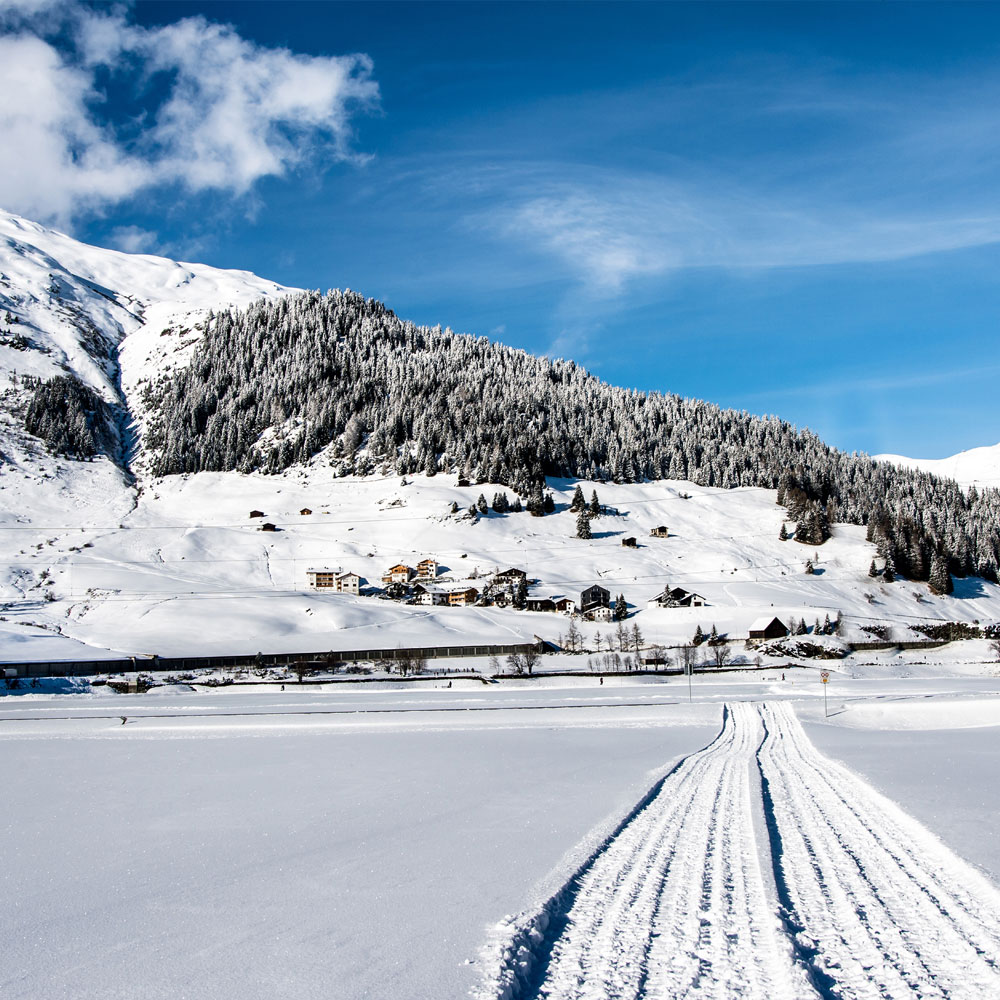
Altitude
1,200 m - 2,844 m
Pistes
253 km
Ski Season 26/27
27 Nov - 4 Apr
Transfer Time
120 mins
Number of pistes by difficulty
Resort Guide Quick Facts
(the stuff you actually care about)
Best for:
Intermediates who want endless mileage and variety are the obvious winners, but families also do really well here thanks to the Madrisa “family mountain” set-up and dedicated children’s zones. Freestylers get legit infrastructure too (hello JatzPark), and if you’re an expert you’ve got famous long descents plus freeride areas – with the usual Swiss “respect the mountains” energy required.
Ski area size:
The Davos Klosters Mountains network is published at 253km of slopes (81 ski runs) served by 44 cable cars and lifts. You won’t run out of terrain on a week’s trip unless you insist on skiing the same two pistes like a creature of habit.
Altitude:
Klosters sits around 1,200m in the valley, with the ski region rising to roughly 2,844m at Weissfluhgipfel. That gives you a useful buffer when conditions are a bit “February rain at breakfast, winter wonderland at lunch.”
Villages / bases (each has a different vibe):
- Klosters Platz is the “main” feel – slightly posher, classic Swiss, and brilliantly convenient for getting around.
- Klosters Dorf is quieter and feels more tucked-in, plus it’s your easy access for Madrisa (the family-friendly area).
- Davos is the bigger-town neighbour: more nightlife, more choice, and handy if you want that “ski hard, party harder” option – but you can absolutely stay in Klosters and dip into Davos when you fancy.
Beginner friendliness:
Better than people assume. You’ve got beginner lifts in the valley and nursery areas, but the headline is Madrisa: it’s very geared to families and newer skiers, with dedicated children’s snow parks and multiple magic carpets.
Ski season (published dates):
Klosters opens in stages for 2026/27, with weekend skiing on Parsenn planned from 27th November 2026 and continuous operation from 4th December to 4th April 2027. Madrisa is scheduled from 18th December to 29th March, while the wider Davos Klosters mountains follow their own timetables. Check the official Davos Klosters operating calendar before booking at either end of the season.
You’ll love Klosters for…
Snow sure
Intermediates
Scenic
| Our rating | |
|---|---|
| ★★★ | Beginner |
| ★★★★★ | Intermediate |
| ★★★★ | Advanced |
| ★★★★ | Off-Piste |
| ★★★★ | Snowboarding |
| ★★★★ | Snow Reliability |
| ★★★★ | Extent |
| ★★★ | Apres-Ski |
| ★★★ | Mountain Restaurants |
| ★★★★ | Scenery |
| ★★★★ | Village Charm |
| ★★★★ | Non-Skiers |
Best for snow: Mid January – early March
Mid-January to early March is the safest bet, with higher sectors giving you more consistent conditions.
Best for value: Early January and late March
Early January and late March can be great if you avoid school-holiday weeks and book trains early.
Best for families: February half-term
February half-term works, but book lessons and convenient lodging way ahead for sanity.
Avoid if possible: Peak February school holidays
Peak February school holidays if you hate queues, higher prices, and restaurants that need booking like a wedding.
Tour Operators who go here



Looking to stay in Klosters?
What’s Klosters like?
Klosters has that classic “storybook Switzerland” look – chalet-style buildings, tidy streets, and an understated feel that’s more relaxed than flashy.
Despite the royal associations, it doesn’t feel like you need to arrive wearing a fur coat and a suspiciously expensive watch.
It’s a proper village first, ski base second, which is why people get weirdly loyal about it.
The key thing to understand is that you’re not buying into a single, lift-linked mega-bowl. Davos Klosters is a collection of different ski areas, and the magic is mixing them across the week: one day cruisy and sunny, the next day steeper and bigger, then a freestyle day, then a “let’s go quiet and weird” day. The transport links (train/bus) make that realistic rather than a faffy plan.
Town layout
Klosters is split mainly between Klosters Platz (the main hub) and Klosters Dorf (smaller, quieter).
Both are walkable-ish in the Swiss “it’s all neat and close” sense, but you’ll still love having the local buses in your back pocket, especially with ski boots on.
The big win is that you’re not trapped in one corner: you can base yourself for convenience, then use public transport to hop to whichever ski area suits the day’s weather and mood.
Overall vibe
Think “polished but not loud.”
Klosters feels calm, traditional and easy to like – more cosy hotel bars and quality dining than chaotic shot-ski on tables.
If you want a proper party scene, you use Klosters as the classy home base and pop to Davos for the bigger nightlife options, then come back to sleep like an angel.
It’s a strong choice if you want Switzerland without the full-on glitz of somewhere like St Moritz.
Après-ski
Après in Klosters is generally lower-key: a few well-known late spots, plus relaxed drinks after skiing rather than full-scale festival energy.
You can find a buzz (and you can absolutely find a dancefloor), but it’s not the main personality trait – which, honestly, is why plenty of people adore it.
And if you do want bigger après, Davos is close enough to scratch that itch without committing to it all week.
Looking to stay in Klosters?
Who Klosters suits
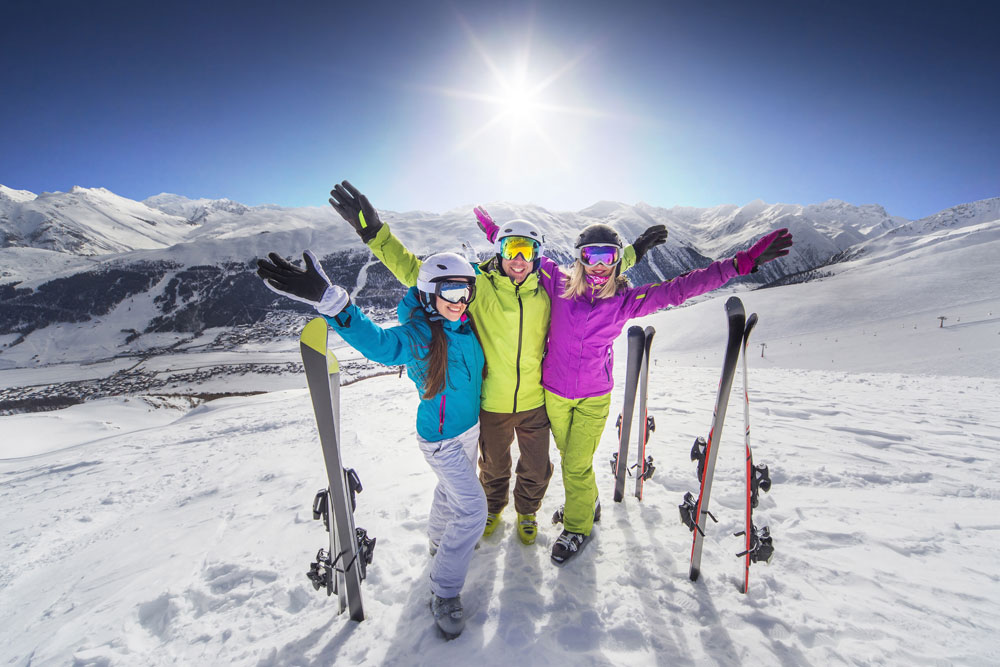
Intermediates (the sweet spot)
If you’re an intermediate who loves cruising and clocking up distance, Klosters is borderline unfair (in a good way).
The wider Davos Klosters Mountains area has loads of linked pistes and long descents, and the “multiple ski areas” thing keeps your week fresh.
Stay tip:
- Stay in Klosters Platz if you want the easiest “wake up, get moving, go anywhere” routine – it’s the most practical base for mixing sectors and day-tripping around.

Advanced skiers & snow-sure seekers
Experts come for the steeper pistes, big vertical and freeride culture – but you need to treat it like a proper alpine environment, not a theme park.
There are freeride areas (Pischa is a famous one) and long, serious descents; hiring a guide is a very sensible move if you’re going beyond marked runs, and you’ll want the usual kit/knowledge (and a refusal to “just follow tracks”).
Stay tip:
- For access, staying near the main transport links in Klosters Platz makes hopping to the right sector much easier.

Snowboarders
Snowboarders can have a brilliant time here, but route choice matters. Some sectors include a fair number of surface lifts (hello T-bars), and the areas aren’t all lift-linked, so you’ll use buses/trains more than in some French mega-resorts.
The upside is loads of terrain variety, plus proper freestyle infrastructure in the wider region (JatzPark and a floodlit halfpipe area are specifically worth visiting).
Stay tip:
- For convenience, stay central in Klosters Platz so you can pick the best snow and avoid getting stuck doing “flat traverse misery” when conditions aren’t ideal.

Beginners
Klosters is sneakily good for beginners, especially if you set yourself up right.
The simplest plan is to base near Klosters Dorf so you can live on the Madrisa side early on – it’s explicitly geared toward families and newer skiers, with dedicated children’s areas like Madrisa-Land and Madrisa-Park, plus magic carpets to keep progress smooth.
When confidence grows, you can branch out to gentler blues elsewhere.
Stay tip:
- Base near Klosters Dorf so you have easy access to Madrisa.

Families
Families do really well in Klosters if you lean into the “Madrisa first” strategy.
Madrisa is built around families and accessibility, with children’s snow parks and beginner-friendly practice areas, so you can keep the mornings calm and the learning curve fun.
Stay tip:
- Accommodation-wise, apartments and family hotels around Klosters Dorf are a smart shout because you’re close to the family-focused mountain and not battling logistics every morning.

Freestyle / Terrain Parks
If you’re park-focused, you’re not scraping by on a single sad box feature.
The Davos Klosters region has JatzPark on Jakobshorn and freestyle options like a floodlit halfpipe on Bolgen, which makes it feel like there’s an actual scene rather than a token park for Instagram.
Stay tip:
- If park days are a priority, staying in Klosters Platz keeps you well placed to jump between sectors and chase conditions (and it’s still easy to retreat to quiet Klosters evenings after a big session).
Looking to stay in Klosters?
Where is Klosters?
Klosters is in eastern Switzerland in the canton of Graubünden (Grisons), in the Prättigau/Davos district, and it’s about 10km north of Davos.
It’s part of the larger Davos Klosters Mountains ski region, which is why the terrain offering feels so big compared to the village size. For travel planning, it’s most commonly approached via Zürich (airport + train or drive), and once you’re there you can use local buses and the RhB rail line to move between Klosters and Davos without turning the trip into a car-and-parking headache.
Looking to stay in Klosters?
Skiing in Klosters (ski area, terrain, lifts, snow)
Klosters is best thought of as a “choose your own adventure” week.
The Davos Klosters Mountains area is split across multiple ski areas – Parsenn, Jakobshorn, Madrisa, Rinerhorn and Pischa – which means you can match your day to the weather, your legs, and your group’s ability without repeating the same loops endlessly.
The upside: variety, long descents, and something for almost everyone. The mild downside: it’s not one continuous lift-linked mega-area, so a bit of planning helps.
The good news is that the bus and rail connections are a normal part of the experience here (not a weird backup plan), and guest cards can make local transport very easy.


Terrain overview
From a Klosters point of view, the ski area makes most sense when you stop thinking of it as one giant, seamless playground and start treating it as a set of distinct mountain days.
Your “home” sectors are really Parsenn/Gotschna and Madrisa.
Parsenn is the big-name classic: broad pistes, long descents, and the main link between Klosters and Davos via Gotschnagrat and Weissfluhjoch.
Madrisa, by contrast, is Klosters’ own sunny family mountain, much gentler in feel and far easier to manage if you’re skiing with children, beginners or anyone who doesn’t fancy an all-day mission.
Then you’ve got the add-on mountains: Jakobshorn for park laps and livelier energy, Rinerhorn for a quieter, lower-key ski day, and Pischa for freeride and alternative snow sports rather than conventional piste mileage.
In practice, that means most people staying in Klosters pick one mountain for the day, commit to it, and ski it properly rather than wasting half the morning zig-zagging around on trains and buses.
Stay tip:
If you want the easiest all-round base for Parsenn days, rail links and the option to pivot to the other sectors without drama, Klosters Platz is the most flexible choice.
Lifts & getting around the mountain
Klosters gives you a mixed-but-pretty-practical lift set-up, with the Gotschna cable car as the main launch pad onto Parsenn from the Klosters side, then a blend of gondolas, fast chairs and a few older drag or surface lifts once you’re up there.
On the wider mountain network, there are modern high-capacity chairs and gondolas on key Parsenn lines, including the Schifer gondola plus the Rapid and Furka-Zipper chairs on the Klosters side, but the system still has enough old-school bits to remind you this is a serious Alpine ski region rather than a shiny purpose-built resort.
That matters because movement isn’t always instant: first lifts in the morning, obvious lunch pinch points and bad-weather funnel moments can all create queues where everyone suddenly has the same idea.
From Klosters, the smartest strategy is to be slightly less predictable than the crowd.
Get up early for Parsenn, save Madrisa for a relaxed family or softer-weather day, and use train or bus links to Davos only when you’ve actually decided Jakobshorn or Rinerhorn is worth the travel.
Stay tip:
Stay somewhere walkable to the Gotschna cable car or the station, because in Klosters the best queue-avoidance trick is often just being first in line without needing a bus first.
Snow reliability & season length
Snow-wise, Klosters has a lot going for it, especially once you remember that its headline terrain is tied into Parsenn and climbs to Weissfluhgipfel at 2,844m.
That high point gives the area a much better chance of holding snow and skiable surfaces than lower, village-only resorts, and it is one reason Davos Klosters generally runs from mid-November to mid-April, with the exact opening pattern varying by mountain.
But this is not a one-note, same-all-over ski domain. Parsenn’s high, open terrain tends to preserve snow better and feel more reliably wintery, while sunnier sectors like Madrisa can ski beautifully in good weather but soften quicker when temperatures rise.
Wind is also part of the story here: the higher and more exposed you go, the more likely lift operations or snow quality can change quickly.
For the safest “proper winter” feel, January to early March is the sweet spot. Early season and late season can still work well, but they demand more flexibility and a willingness to ski the mountain that’s best on the day rather than the one you fancied at breakfast.
Stay tip:
If you’re booking at the shoulders of the season, base yourself where switching plans is easy, because Klosters works best when your Plan B doesn’t involve a logistical tantrum.

Off-piste is not some fringe side hobby here; it is part of the Davos Klosters ski culture, and Klosters sits right on the edge of terrain that can get serious very quickly.
Parsenn has marked freeride descents and yellow routes, while Pischa is the clearest sign that this region really means business: it is promoted as an alternative winter sports mountain with no groomed pistes, a freeride focus, and marked descents that are only secured when officially open.
That sounds dreamy on a powder morning, and to be fair, it is. But it also means you cannot bluff your way through on vibes and a backpack bought in Chamonix.
Avalanche risk is absolutely real here, and conditions can change fast across exposure, wind-loaded slopes and visibility. If you know the area well, great. If you don’t, hire a guide and treat that as part of the holiday, not some optional luxury add-on after you’ve spent the money on a nice hotel.
Klosters is exactly the sort of place where a guided day can unlock far more than a week of nervous side-of-piste poking about.
Stay tip:
Staying central in Klosters makes it much easier to sort guiding, avalanche kit hire and last-minute weather-based plan changes without loads of faff.
Beginners & improvers
For beginners in Klosters, Madrisa is the star of the show and the place that makes the resort make sense for nervous first-timers.
It is Klosters’ family mountain and is specifically geared towards children, beginners and accessible skiing, with special practice areas in Madrisa-Land and Madrisa-Park, plus multiple magic carpets and beginner-focused lifts.
That matters because it lets learners start somewhere designed for learning, rather than being flung straight into the sort of wide-open Alpine motorway that can feel thrilling for good skiers and mildly traumatic for everyone else.
Once confidence builds, Madrisa is also the right place for improvers to start linking turns on gentle runs without feeling constantly in the way.
After that, stronger improvers can graduate to easier blue and red mileage elsewhere, but Klosters is one of those destinations where pacing matters. Trying to “do Parsenn properly” too early can turn a promising ski week into tired legs and shattered confidence.
Stay tip:
If lessons, kids or easy morning routines are your priority, stay closer to the Madrisa side of Klosters rather than choosing nightlife over convenience.
Freestyle & “more than pistes”
If your ski holiday is not complete without side hits, park laps or at least one person in the group saying “just one more” at 3.55pm, Klosters works best when you think beyond Klosters itself.
The headline freestyle action in the wider Davos Klosters region is on Jakobshorn, where JatzPark is the main draw, backed up by the Bolgen facilities and a floodlit halfpipe that keeps the energy going after daylight starts giving up.
That means park-focused riders staying in Klosters need to be honest with themselves: yes, the access is good enough for day missions, but this is still more of a “commit to a Jakobshorn day” move than a casual pop-over between lunch and coffee.
Back in Klosters, Madrisa brings a softer version of the same spirit, with progression-friendly family and fun zones that are much less intimidating for children or improving riders.
Then there’s Pischa, which is not about groomers at all and adds the “more than pistes” part properly: freeride, touring, snowshoeing and a different sort of mountain day entirely.
Stay tip:
For a mixed trip with park days, freeride curiosity and regular piste skiing all in the same week, stay near Klosters station so day-tripping feels easy rather than like admin.
Best Runs in Klosters (by ability)
For beginners:
Start where it’s designed for you: Madrisa-Land and the practice areas around Madrisa-Park are the confidence-builders, and the “Skischul Run” is literally telling you what it’s for.
If you’re travelling with kids, the whole set-up is built to avoid the classic “tears at 10am, meltdown at 11” pattern – magic carpets, gentle gradients, and a calmer vibe than the big sectors.
For intermediates:
Intermediates should make a point of doing at least one “big proper descent” day – the long valley-run style skiing is a signature of the region.
Routes like the “Schwarzseealp – Klosters (Talabfahrt)” give you that satisfying “we’ve actually travelled somewhere” feeling, and if you’re up for it, the classic long runs off the Parsenn side are the kind you remember on the flight home.
For advanced:
If you want a name to chase, the “Parsenn Downhill Run” is the famous classic – big, long, and a proper tick on the list.
For another standout, “Gotschnaboden – Klosters (No. 48)” is a recognised descent back toward Klosters. These are the sort of runs where starting early, pacing your legs, and not turning it into a full-send race on tired thighs is the smarter play.
Off-piste note:
If you’re stepping into freeride terrain (especially around places like Pischa), take avalanche safety seriously, don’t go solo, and strongly consider a local guide unless you truly know what you’re doing.
Looking to stay in Klosters?
Looking for accommodation in Klosters
Klosters is small enough that you don’t get the “wrong side of town” disaster you can in huge French resorts – but where you stay still changes your trip.
Klosters Platz is the most practical all-rounder: it’s the main hub feel, typically the easiest base for transport links, and great if your plan is to ski different mountains across the week.
Klosters Dorf is quieter and more family-tilted in terms of vibe, and it’s especially handy if your holiday is built around Madrisa (kids, beginners, chilled days).
The other big decision is whether you want to use Davos as part of your routine. You don’t have to, but it’s close, and the region’s transport makes day-tripping realistic. Davos brings more nightlife and a bigger-town feel; Klosters brings charm and sleep.
If you’re travelling with mixed priorities (some want après, some want calm), staying in Klosters and using Davos as an occasional “night out mission” is a genuinely good compromise.
Quick chooser: which area is right for you?
- If you hate faff and want to ski lots of different sectors, pick Klosters Platz.
- If you’re learning or travelling with kids and want the simplest mornings, pick Klosters Dorf.
- If nightlife is a major pillar of your week, consider staying closer to Davos – or at least pick a Klosters location that makes the hop easy.
Village Comparison Table
| Area / Base | Altitude | Vibe | Best For | Nightlife | Beginner-Friendly | Access / Getting Around |
|---|---|---|---|---|---|---|
| Klosters Platz | 1,200m | Main hub, classic Swiss, convenient | First-timers, mixed groups, “do it all” weeks | ★★ | ★★★★ | Easy for rail/bus links; good for sector-hopping |
| Klosters Dorf | 1,130m | Quieter, more tucked-in | Families, beginners, slower mornings | ★ | ★★★★★ | Great for Madrisa-focused days; easy local bus |
| Davos Dorf | 1,560m | Bigger-town energy, practical | Access to Davos-side skiing + variety | ★★★ | ★★★ | Strong transport links; easy sector access |
| Davos Platz | 1,560m | Livelier, more “town” feel | Après seekers, freestyle days, groups | ★★★★ | ★★★ | Walkable + buses; easy nightlife logistics |
(Star ratings are “relative vibe” rather than gospel)
Best Area for First-Timers
For first-timers, Klosters Platz is the easiest, safest, least-stressful base by a mile.
It’s the kind of place that makes the whole holiday feel more manageable from day one, which matters when you’re still figuring out lift routines, ski buses, rental shops, meeting points and the general art of not making everything harder than it needs to be.
You’re central enough to get your bearings quickly, and the transport links are strong enough that trying different sectors doesn’t turn into a military operation.
That’s especially handy for mixed-ability groups, because stronger skiers can head off for a bigger day while beginners or cruisier types keep things simple, and everyone can still meet back up without a three-part WhatsApp rescue mission.
Klosters Platz also gives you that classic Davos Klosters advantage: the freedom to say “let’s try somewhere different tomorrow” without immediately regretting where you booked.
It’s not flashy in a purpose-built, slopeside sort of way, but for ease, flexibility and a low-faff first ski week, it’s the smartest all-rounder.
Stay tip:
If this is your first trip to Klosters, book somewhere walkable to the station or main lift access so the daily routine feels easy from the off.
Best Area for Ski-in Ski-out
Klosters is not one of those modern, purpose-built resorts where you clip in outside your chalet and glide straight onto a chairlift with a coffee still in hand.
Here, ski-in/ski-out is more about being properly close than truly doorstep.
That means you need to read hotel descriptions with a slightly suspicious eye. “Near the lifts” can mean genuinely handy, or it can mean a mildly annoying uphill stomp in ski boots that somebody in marketing has chosen to describe very generously.
In practice, the best approach is to look for accommodation in Klosters Platz that is honestly walkable to the main access points, or at least has a reliable shuttle so you’re not starting every morning with an avoidable faff.
The appeal of this area is that it gives you the cleanest route into the ski day without promising something the resort layout does not really deliver.
If your version of ski convenience is “minimal boot carrying, no complicated morning admin, and home again without a saga,” this is where Klosters works best.
It’s not textbook ski-in/ski-out, but it’s the closest thing to it in a resort that has grown naturally rather than been master-planned around convenience.
Stay tip:
Ignore vague “close to slopes” wording and choose a hotel that clearly states walking time or shuttle access to the main lift links in Klosters Platz.
Best Area for Nightlife
If nightlife is the main event for your group, the honest answer is that Davos has the bigger choice, the later nights and the more obvious “let’s keep going” energy. But that does not mean Klosters is dead – far from it. It just plays the whole evening thing differently.
Klosters Platz is the best option if you want to stay in Klosters and still have an easy time dipping out for drinks, a lively dinner or a few late-ish rounds without the whole night turning into a transport puzzle.
The vibe here is more polished, more contained, and definitely less rowdy than Davos, which for plenty of people is actually the win.
You can have a good evening, enjoy a proper après or bar stop, and still sleep like a functioning adult rather than waking up wondering why you thought shots at altitude were a sensible idea.
It also suits mixed groups well: the ones who want a few drinks can head out easily, while the early-night crowd are not trapped above a thumping bar till 2am.
If you want nightlife every single night with zero effort, stay in Davos. If you want something more civilised, with the option to level it up when the mood strikes, Klosters Platz is the sweet spot.
Stay tip:
Stay in Klosters Platz if you want bars and restaurants within easy reach, but still like the idea of peace and quiet when the night’s done.
Best Area for Families
For families, Klosters Dorf is the clever choice because it lines up beautifully with the sort of ski holiday that actually feels manageable with children.
It has a calmer, more relaxed feel than the busier central bits, and it puts you in a stronger position for Madrisa, which is the standout family and beginner mountain in the Klosters setup.
That matters more than people sometimes realise. A family-friendly holiday is not just about finding a hotel with a big room and hoping for the best – it’s about making mornings easy, keeping transfers short, and avoiding that draining daily chaos where someone’s lost a glove, someone else needs the loo, and you still haven’t even reached the lift.
Klosters Dorf helps smooth all that out. The ski areas nearby are geared properly towards children and learners, not just thrown in as an afterthought, and the evenings tend to be quieter too, which is ideal when little legs are done by 5pm and you don’t want to drag them through a louder resort centre.
It’s also a good pick for nervous adults, beginners, or anyone who values a gentler pace over maximum buzz.
Stay tip:
If your holiday revolves around lessons, kids’ confidence and easy-going mornings, stay as close to the Madrisa side as your budget allows.
Best Area for Budget Travellers
Klosters and “budget” are not exactly natural best mates, because, well, this is Switzerland and Switzerland rarely does bargain-basement.
But you can still be smart about where you stay, and in Klosters that usually means thinking less about the cheapest room on paper and more about the total cost of the week once food, transport and convenience start piling up.
Klosters Dorf can be a strong shout for quieter, better-value accommodation, especially if you are happy to trade a bit of central buzz for a calmer base and potentially better room rates.
Klosters Platz, though, can also make financial sense even if the nightly price looks a touch higher, because being central can save you money in sneaky ways: less transport faff, fewer taxis, easier access to supermarkets, and less temptation to overspend because everything feels awkwardly spread out.
Self-catering or half-board is often the real money-saving move here, especially over a full week, and booking early matters more than people think because the best-value places in Swiss resorts tend to vanish long before the panic-bookers arrive.
In other words, “budget” in Klosters is really about strategy, not fantasy.
Stay tip:
For the best-value week overall, look for early-booked self-catering or half-board options in Klosters Dorf or on the quieter edges of Klosters Platz.
Our Top Hotels

★★★★
- Village Klosters Dorf
- Lifts - ski shuttle / short hop to Madrisa
- Pool + spa
This is a chalet-style hotel with a panoramic Alpine feel rather than a central high-street buzz. The spa setup is strong: indoor pool, sauna and steam bath, so post-lesson recovery is nicely handled.
Rooms are comfortable and the general atmosphere is softer and more grown-up than rowdy, making it a good shout for couples, families and cautious first-timers who want the week to feel like a holiday.
Why choose it? Beginner-friendly calm with a proper pool-and-spa cushion at the end of the day.

★★★★
- Village 200 m / quiet central Klosters
- Lifts - 4–5 mins walk to Gotschna
- Pool + spa
Here you have great facilities: indoor pool, whirlpool, saunas, relaxation space, fitness, wellness treatments and multiple restaurants.
It suits families, couples and mixed groups because there is something for everyone: a piano bar, bowling, proper wellness, half-board convenience and a central-but-not-noisy location.
The Gotschna cable car is 400m away, the bus stop for Madrisa sits close by.
Why choose it? Big facilities, easy lift access and enough comfort to keep the whole gang happy.

★★★
- Village edge of centre / Doggiloch area
- Lifts - easy walk / Selfranga nearby
- Wood sauna
Family-run, uncomplicated, and close enough to village life without being right in the thick of it.
Rooms are simple but comfortable, with balconies, and the lodge has a lounge with fireplace plus a wood sauna for low-key recovery.
It works well for active couples, solo skiers, families and anyone who does not need a four-restaurant complex to feel looked after.
Why choose it? Small, sporty and friendly, with just enough comfort and no fussy frills.

★★★
- Village 100 m / central Klosters
- Lifts - very short walk to Gotschna area
- Pool + spa
Here you have flexibility: apartment-style living in central Klosters, with spa access and an indoor pool, can work brilliantly for families or groups splitting costs.
This is not the cheapest bed in the valley, but it can be better value once you factor in space, kitchen facilities and the ability to dodge every restaurant bill. Location is strong, with the centre close and the Gotschna routine very manageable.
Why choose it? Central comfort plus self-catering flexibility – the clever-value route, not the bare-bones one.
Tour Operators who go here
Looking to stay in Klosters?
Après ski, restaurants & winter activities
Klosters is the kind of place where you can have a genuinely civilised ski week – great mountain days, good food, a few drinks, and then actual sleep (rather than being forced to listen to techno through the wall until 3am).
Food tends to be solid-to-excellent, with a mix of classic Alpine comfort and more polished hotel dining. Après exists, but it doesn’t bully you into participating; you can choose your own level of chaos.
Where Klosters really wins is in having options: quiet nights in the village, lively nights if you pop over to Davos, and enough non-ski things to do that a rest day doesn’t feel like a punishment.
And because local public transport can be free with the regional guest card, you’re not constantly paying taxi prices just to go five minutes down the road.

Après in Klosters is more about a good drink and an easy evening than full-send chaos, which is a big part of its appeal.
On the mountain, Madrisa-Hof and the Jägerbar are classic first-stop options, while Graströchni at the end of the Gotschna descent is made for that final aperitif before heading down.
In the village, the scene centres on smart hotel bars and long-running favourites rather than one noisy strip. Alpina Bar and WunderBar are handy near the station, Chesa Bar brings old-Klosters charm, and places like Grizzly’s Bar, the Piano Bar at Silvretta Parkhotel, and Wynegg Bar keep things lively without tipping into mayhem. For a later night, Casa Antica is the best-known club-style option.
If you want a bigger night out, Davos is the obvious escape valve. That is where you’ll find the livelier names like Chalet Bello, Tijuana Bar, Stall Valär, Bolgenschanze, Montana Bar and Parsenn Gada.
The beauty of staying in Klosters is that you can dip into that scene once or twice, then come back to somewhere calmer, smarter and much easier to enjoy all week.
Mountain‑top Moments
Mountain food in Klosters is a real part of the ski day, not just a quick refuel.
On the Parsenn/Gotschna side, the headline stop is Restaurant Weissfluhgipfel for big views, while Weissfluhjoch gives you several easy lunch options depending on whether you want quick self-service or a longer sit-down.
Bergrestaurant Gotschnagrat is a handy classic from the Klosters lift side, and huts like Parsennhütte and Restaurant Totalp are great for a proper terrace lunch when the weather plays nicely.
For something more traditional, Schifer Berghaus and Erezsäss Hütte bring that cosier mountain-hut feel.
Over on Madrisa, the food scene is more family-friendly and relaxed. Madrisa-Alp is the obvious go-to, especially with its sunny terrace by the learning zone, while Madrisa-Hof adds a slightly smarter mountain-lunch feel with its terrace and Jägerbar.
Zügenhüttli is a good classic hut stop, and Berghaus Erika is a more traditional option if you want something that feels properly local. Best lunch move here is simple: go early for the terrace, or late to dodge the lunchtime rush.

In the village, Klosters does a very good job of balancing “smart Swiss resort dinner” with “please just bring me carbs and melted cheese.”
Chesa Grischuna is the big-name classic if you want old-school character and a more polished evening. It is one of the resort’s best-known dining rooms and has a properly serious reputation, with chef Ronald Fressner’s kitchen turning out scratch-made dishes in a setting that feels full of history rather than staged for tourists.
If you want comfort food with zero restraint, Chäs Stuba is exactly the sort of place you book when your day needs ending with fondue, raclette à discrétion, or hearty Graubünden staples like pizokel, Senner rösti and regional cordon bleu.
Pulsa Fonduestube is another proper cold-weather winner, serving classic moitié-moitié fondue plus richer versions with porcini, bacon or even truffle, alongside Fondue Chinoise with hand-cut chicken, veal or beef.
For more flexible, crowd-pleasing evenings, Klosters is strong on reliable hotel restaurants and easy local favourites. Bär’s Bistro & Restaurant at Hotel Piz Buin is a handy all-rounder in the centre, good for families and mixed groups who want somewhere easy and polished without veering too formal.
If the group mood is more “pizza and no debate,” Restaurant Pizzeria Al Capone is the obvious village stalwart, with hand-made pizzas, antipasti and Italian dishes right in the centre. Their menu includes things like the Pizza Madrisa with Bündnerfleisch, salsiz and mountain cheese, plus the richer Al Capone pizza with gorgonzola, mushrooms and beef fillet strips.
And if you want one more properly Swiss option, Teufi Restaurant leans into the full traditional brief with cheese fondue, Fondue Chinoise, Fondue Bourguignonne and other classic Swiss dishes in an old Walser house.
The nice thing about Klosters is that you can do fine dining, fondue, pizza or full comfort-mode without the nightly restaurant decision turning into a full-scale committee hearing.
If you want a rest day in Klosters that still feels like a proper Alpine holiday, the resort is quietly excellent at it.
Madrisa is the obvious starting point, because it is not just for skiers: the family setup around Madrisa-Land includes winter-friendly fun beyond piste time, with things like children’s snowmobiles, mascot activities and the Anniversary Circular Tour for a gentle walk or snowshoe outing when you want mountain scenery without a full ski day.
Madrisa is also home to one of the area’s best non-ski classics: the 8.3km Madrisa toboggan run, which feels like a proper day out rather than a token quick slide. The signposted Zügenhüttli snowshoe trail is another great option if you want fresh air without wrecking your legs.
For something different, Pischa is the standout. It is the area’s alternative winter sports mountain, with winter hiking, snowshoeing and wide-open scenic terrain instead of groomed pistes.
And if the weather turns or you fancy a change of scene, the short hop to Davos opens up stronger indoor options like the Kirchner Museum, the Wintersport Museum, or eau-là-là for spa-and-pool recovery.
That is what Klosters does so well: even on a non-ski day, it still feels properly mountainy.

Getting home safely & easily
Getting home to your hotel is refreshingly civilised if you use the system properly.
The region has an extensive local bus network, and the Davos Klosters Premium Card (guest card) can make local public transport free from your first night – which is exactly the kind of practical perk that saves you money and stress all week.
In Klosters specifically, the PostBus local bus service runs multiple routes and links neatly with the rail services, which is handy if you’re staying slightly out of the centre or you’re hopping between Klosters and Davos for skiing or dinner.
For costs: because guest-card inclusions vary a bit by accommodation and area, it’s best to confirm what your hotel issues you at check-in. Where something isn’t included (like some side-valley journeys), a local day ticket may apply.
Taxis exist, but prices vary enough that it’s not sensible to promise a fixed number without checking current rates for your exact route and time.

Ski schools & learning zones
If you’re learning (or dragging a reluctant partner back onto snow after a ten-year gap), Klosters is a strong place to do it because it has both the terrain and the infrastructure.
The main “official” option is the Swiss Ski + Snowboard School Klosters, and Madrisa also points you towards ski school options plus Intersport on-mountain for rental/service support.
For families, you’ll appreciate that meeting points and learning zones are clearly organised – you’re not just dumped in a random patch of snow and told to “find the instructor.”
And if you’re aiming beyond piste (freeride, touring, or just a big-confidence upgrade), there are providers that specifically offer off-piste/backcountry and mountain guiding services – which is exactly what you want in a serious alpine environment.

For true beginners in Klosters, Madrisa is the clear starting point and, honestly, one of the big reasons the resort works so well for families and nervous first-timers.
It is Klosters’ dedicated family mountain, and the resort leans into that properly rather than just sticking a tiny nursery slope in a corner and calling it a day.
Madrisa-Land and Madrisa-Park are specialist practice zones, with beginner-focused terrain and multiple magic carpets to keep those first few sessions gentle, structured and a lot less intimidating than launching straight into a huge “proper mountain” sector.
That makes a real difference in Klosters, because the wider Davos Klosters region can feel quite big and broken into separate mountains, which is brilliant once you can ski, but not exactly ideal when you’re still trying to master stopping without panic.
Madrisa gives beginners space to build confidence before stepping up to longer easy pistes, and it also suits children particularly well because the whole atmosphere is designed around playful progression rather than survival mode.
Klosters also has trained instructors in both Klosters Platz and Klosters Dorf, so there is proper teaching infrastructure around the village, not just one token ski-school desk and a hopeful smile.
If you’re booking lessons, it is worth paying attention to where the lesson actually starts. In Klosters, that detail can shape the whole rhythm of your morning.
Some programmes and mountain activities use the Madrisa valley station as the meeting point, while others run up on the mountain around the practice zones. That sounds like admin, but with kids, rented gear and ski boots involved, it is the difference between a calm start and one of those “why are we all sweating before 9am?” moments.
If ski school is the backbone of your week, Klosters Dorf makes the most natural sense because it lines up neatly with the family-and-learning side of the resort.
Madrisa is Klosters’ local family mountain and is explicitly marketed around families, small children and accessible snow sports, so staying on the side of town that keeps that routine easy is usually the smart move.
It means fewer moving parts in the morning, less chance of arriving flustered, and a much better shot at keeping everyone in a decent mood before the lesson has even begun. That matters more than people think.
That said, Klosters Platz can still work very well for mixed-ability groups. If one or two people are learning while others want bigger ski mileage on Parsenn or even day trips into the wider Davos Klosters network, Platz gives you more flexibility.
The big thing to avoid in Klosters is the “looks gorgeous online, mildly awkward in real life” hotel choice – the sort of place that is peaceful and photogenic but turns every lesson morning into a bus-timetable puzzle or an expensive taxi habit. In a resort built around separate sectors and transport links, convenience is not boring; it is half the holiday.
Getting to lessons in Klosters is usually refreshingly civilised, which is exactly what you want when someone in your group is already nervous about skis.
The resort is tied together by a combination of rail, local bus and walkable village links, so you are not relying on random transfer luck or hoping a taxi appears out of thin Alpine air.
Both the broader Davos Klosters guest card and the Premium Card include local public transport for overnight guests, depending on the accommodation type. In practical terms, that makes hopping to a lesson meeting point feel much less irritating – especially when you are doing it day after day rather than once.
In peak weeks, though, still give yourself a buffer. Swiss transport is reliable, but reliable does not mean magical.
You still have to get boots on, find the gloves that somehow vanished overnight, coax children into moving at something above glacial pace, and work out whether the meeting point is at the valley station, in the village, or already on the mountain.
Klosters is one of those resorts where everything works much better when you treat the logistics with a bit of respect.
Build in ten extra minutes, know your meeting point the night before, and keep the first lesson morning as simple as possible.
It sounds obvious, but in a resort with multiple mountains and several ski-school options, that tiny bit of planning is what makes the whole week feel smooth rather than mildly chaotic.
Looking to stay in Klosters?

Lift passes, costs & budgeting
Lift passes in Klosters look more complicated on paper than they really are – you can buy mountain-specific tickets for short stays, but once you move beyond three days, things simplify dramatically.
For one or two days, you can buy a ticket for the mountain you actually want – particularly useful if you’re focusing on Parsenn/Gotschna or Madrisa.
For four days or more, passes are automatically issued as Davos Klosters regional passes, giving you access across Parsenn/Gotschna, Jakobshorn, Madrisa, Rinerhorn and Pischa.
That makes Klosters particularly easy for a normal ski week: short trip, pick your mountain; full week, take the regional pass and stop worrying about boundaries.
Klosters also has a useful 3 out of 5, and 5 out of 7 days flexible pass for people who know they don’t want to ski every day.
Which ski pass should you buy in Klosters?
Think of it like this: here for one or two days? Buy for the mountain you actually want. Staying for a week? You’ll automatically be on the full regional pass. Still learning? Madrisa-Land is the cheaper place to start.
Option A - Parsenn & Jakobshorn (1 ticket for 2 mountains) - short break
What it is: A short-stay ticket covering Parsenn and Jakobshorn, with morning, afternoon, 1 and 2 day options.
Best for: Short breaks and anyone mainly interested in the big Parsenn skiing accessed directly from Klosters via Gotschna.
For 2026/27, an adult day ticket costs CHF 87, while the afternoon ticket from 12:15 costs CHF 68. A 2 day ticket costs CHF 161.
This is particularly relevant from Klosters because Gotschna gives you direct access onto Parsenn, so you can have a very substantial ski day without needing the full pass.
Plain English: This is the “we’re here briefly and Parsenn is the main event” option.
Option B - Davos Klosters Regional Pass - multi-day
What it is: The full regional pass covering Parsenn/Gotschna, Jakobshorn, Madrisa, Rinerhorn and Pischa.
Best for: Normal week-long stays, mixed groups and anyone who wants to choose their mountain according to weather, snow or mood.
For 2026/27, an adult pass costs CHF 390 for 6 days and CHF 427 for 7 days.
The key rule is that all ski passes valid for more than three days are automatically issued as regional passes, so there is no need to pay for a separate upgrade on a normal week.
Plain English: This is the “whole Davos Klosters region, no second-guessing” pass – and for a six or seven-day holiday, it’s effectively the standard product.
Option C - Beginner options (Madrisa-Land)
What it is: A cheaper ticket for the Madrisa-Land learning area, rather than the whole Madrisa mountain or wider Davos Klosters region.
Best for: Complete beginners, children, ski-school days and anyone spending most of their time learning rather than exploring.
For 2026/27, a Madrisa-Land day ticket costs CHF 65 for adults, CHF 46 for youth and CHF 32 for children.
Plain English: This is the “learn without paying for five mountains you’re nowhere near ready to use” option.
Klosters lift pass prices 2026/27
Here are the published headline prices for Klosters Winter 2026/27 (prices shown in CHF):
| Parsenn & Jakobshorn Pass (short break) | Adult | Child | Youth |
|---|---|---|---|
| Half day | CHF 68 | CHF 27 | CHF 48 |
| 1 day | CHF 87 | CHF 35 | CHF 61 |
| 2 days | CHF 161 | CHF 64 | CHF 113 |
| Regional ski pass (Davos Klosters Mountains) | Adult | Child | Youth |
|---|---|---|---|
| 1 day | CHF 94 | CHF 38 | CHF 66 |
| 6 days | CHF 390 | CHF 156 | CHF 273 |
| 7 days | CHF 427 | CHF 171 | CHF 299 |
Klosters has one particularly useful beginner advantage: Madrisa-Land is cheaper than the full Madrisa mountain.
| Beginner options (Madrisa and Madrisa-Land prices) | Adult | Child | Youth |
|---|---|---|---|
| Madrisa afternoon | CHF 58 | CHF 28 | CHF 41 |
| Madrisa-Land afternoon | CHF 51 | CHF 25 | CHF 36 |
| Madrisa 1 day | CHF 73 | CHF 36 | CHF 52 |
| Madrisa-Land 1 day | CHF 65 | CHF 32 | CHF 46 |
| Madrisa 2 days | CHF 136 | CHF 67 | CHF 97 |
| Madrisa-Land 2 days | CHF 124 | CHF 61 | CHF 88 |
Deposits, insurance, and when to buy
Here’s how to do Klosters like someone who hates queues and hates wasting money:
KeyCard: From three days upwards, allow CHF 5 for the reusable KeyCard. If you already have a compatible Skidata card, you can usually load the new pass directly onto it.
Insurance: Multi-day passes can qualify for a refund following illness or injury, but this is subject to the resort’s conditions and supporting medical documentation. Don’t treat the lift-pass refund rules as a replacement for proper winter sports travel insurance.
When to buy: Online booking is mainly about convenience rather than chasing aggressive dynamic pricing. Once you know your dates, load the pass onto an existing KeyCard or arrange collection and avoid wasting the first morning at the ticket office.
For most Klosters holidays, the money-saving logic is simple: 1 or 2 days – buy for the mountain you want; 6 or 7 days – take the regional pass; complete beginner – start with Madrisa-Land.
Looking to stay in Klosters?
Common Klosters Ski Holiday Mistakes
Klosters is easy to enjoy, but its separate ski areas, varied village locations and serious mountain terrain mean a few common mistakes can make your holiday more complicated.
Treating Klosters like a single lift-linked ski area
The region is multiple separate mountains, which is brilliant – but only if you plan like a grown-up. Pick a mountain per day, commit to it, and you’ll ski more and stress less.
Staying somewhere “beautiful” but awkward, then burning money on taxis because you’re not walkable to the basics
Klosters looks compact, but ski boots and uphill walks change the maths. Prioritise easy access to transport/lift routines over having the fanciest view from your balcony.
Beginners trying to “keep up” on the big sectors too early
You’ve got a family/beginner mountain for a reason. Give yourself two days of calm progression on Madrisa and you’ll have a better week than you would by spending day one terrified and day two sore.
Experts dabbling in freeride terrain like it’s a cheeky side quest
Pischa and the off-piste culture are a huge draw, but alpine hazards are real. If you don’t have the local knowledge, hire a guide – it’s cheaper than a rescue and massively improves the day.
Assuming après is either “dead” or “wild” and not planning accordingly
Klosters is more low-key; Davos is where you go for bigger nights. If nightlife matters to you, schedule one or two Davos evenings and enjoy Klosters for what it is the rest of the time.
Getting to Klosters
Getting to Klosters is straightforward, with Zürich the main airport and excellent rail connections into the village. Whether you’re flying, driving or arriving by train, here’s everything you need to know before you travel.
1) Fly + road transfer
(the “land, chuck the bags in, and get moving” option - and the default for most UK skiers)
For most UK travellers, Zürich Airport is the obvious airport play. It is the main international gateway for Klosters, and by Swiss-resort standards the road transfer is refreshingly manageable.
As a sensible guide:
- Zürich Airport → Klosters: roughly 2 hours by pre-booked road transfer.
- Zürich city → Klosters: also roughly 2 hours by road in normal conditions.
Walkability once you arrive depends massively on where you stay. Klosters is not a purpose-built “everything at one lift base” resort, so central bases make life much easier, while pretty-but-out-of-the-way hotels can turn every morning into a ski-boot trudge.
Real-world tip: if you are booking a transfer, match it with accommodation near Klosters Platz or a clear bus link.
2) Train + bus
(the “let Switzerland do the hard work” choice - and honestly a very strong one)
Train is genuinely excellent for Klosters, and it is often the least stressful way to do the trip. You can get here via Swiss Federal Railways (SBB) and then onto the Rhaetian Railway (RhB), usually changing at Landquart for the final run up the valley.
As a sensible guide:
- Zürich Airport → Klosters Platz: roughly 2 hours 10 minutes to 2 hours 45 minutes by rail.
- Landquart → Klosters Platz: roughly 40 minutes on the RhB leg.
Once you are in resort, the setup stays useful: Davos and Klosters have an extensive local bus network, and holders of a Davos Klosters guest card can use the local buses free within the defined fare zones.
Real-world tip: pick accommodation near the station or a reliable bus stop, because in Klosters the train is brilliant right up until the last awkward 400 metres to a “peaceful” hotel you now have to reach in ski boots.
3) Driving to Klosters
(flexible, family-friendly, and handy with lots of luggage)
Driving to Klosters is totally doable, and can be conveniently reached by road from Zürich. The standard route is the A3/A13 towards Chur, then off at Landquart and up Cantonal Road 28 to Davos Klosters. The big Swiss-specific detail is that you need a motorway vignette, currently CHF 40, for the motorway section, and in winter snow chains may be necessary from Klosters in heavy snowfall.
As a sensible guide:
- Zürich → Klosters: roughly 2 hours by car in normal conditions.
- Landquart → Klosters: roughly 35 to 45 minutes depending on road conditions.
Parking arrangements vary by hotel, so it is worth confirming that early rather than assuming you can just wing it in the centre.
Real-world tip: drive if you want arrival-day freedom, but do not assume the car will be the hero – the smartest trips often involve parking up and letting the trains and buses take over.
Getting around once you’re there (easy… with one tiny “ski boots” reality check)
Walking (your default setting - if you’re central)
Klosters is walkable if you’re based in the middle, especially around Klosters Platz, where the station, bars, shops and key links are all reasonably close together. If you stay central, getting to dinner, the train, ski hire or the bus is straightforward. If you stay somewhere prettier-and-quieter on the edge, those little distances start feeling a lot less charming.
Local buses + trains (your secret weapon for making the resort easy)
The local bus network links in well with the RhB rail line, so moving around resort is easier than in most mountain towns. With the Premium Card / Davos Klosters guest card, local public transport is free from the first overnight stay within the defined fare zones. It is not just a backup option either - in Klosters, buses and trains are part of the normal routine.
Taxis + late-night plans (for after dinner or drinks)
Late-night taxis do exist, but this is still a mountain resort. Availability and prices can vary, especially if it is busy or the weather has turned awkward, so it is worth thinking ahead. The focus here is much more on the bus and rail network than on taxis, which tells you a lot about how the resort expects people to get around.
Ready to make your piste dreams a reality?
Whether you’re scouting dreamy hotels, comparing the best tour operators or looking for fresh ski inspiration, we’re here to help you turn ideas into an actual holiday.
Take the next step by browsing hotels in this resort, choosing a trusted ski tour operator or signing up to our newsletter for destination ideas, practical advice and the latest tips delivered straight to your inbox. From finding the right place to stay to choosing the best way to book, we’ve got plenty to help you plan with confidence. Pick your next move and let the adventure begin.
Looking for more inspiration?
Sign up to our free newsletter
Ready to book your stay?
Take a look at our hotel guide and see what suits your requirements and budget
Tour operators
For more from our tour operators click the logos above
Klosters FAQs
Whether you’re visiting Klosters for the first time or heading back for another trip, these FAQs should help answer the most common questions before you book and before you travel.
Is Klosters expensive compared with France/Austria?
Yes – it’s Switzerland, so your baseline costs are higher, especially for food and passes.
The way to keep it sensible is strategy: self-cater some breakfasts, book accommodation early, and use the guest card/public transport perks so you’re not paying taxis constantly. Also, don’t buy the “wrong” lift pass for your ski style – that’s the fastest way to waste money.
Do I need a car in Klosters?
Not really, and that’s one of the nicer surprises. You can arrive by train and then rely on local buses/rail between Klosters and Davos, especially if your accommodation issues the Premium Card which makes local public transport free from your first night. A car is handy for families with lots of luggage, but it’s not essential for a functional ski week.
Is Klosters good for a mixed-ability group?
Very. The region’s “multiple mountains” set-up is actually perfect for this: beginners can stick to Madrisa’s learning areas while confident skiers chase longer runs in the bigger sectors, then you regroup later for food and gossip.
Base yourself somewhere practical (Klosters Platz is the easiest) so splitting up doesn’t turn into a transport drama.
Where should beginners ski first?
Start on Madrisa. It’s explicitly family- and beginner-friendly, with dedicated children’s snow parks like Madrisa-Land and Madrisa-Park and multiple magic carpets.
Once you’ve got control and confidence, you can expand – but your first days will be happier if you don’t start on the “big mountain” sectors trying to prove something.
What’s the best “big day” plan for intermediates?
Pick one mountain for the day, go early, and plan one long descent as your “main event.” Intermediates are famously well catered for here, and the long valley-run style routes are part of the region’s signature experience.
Don’t try to bounce between multiple sectors mid-day unless you’re very organised – you’ll lose skiing time to transport.
Is there proper freestyle, or just a token park?
Proper freestyle. Check out JatzPark and there’s also a floodlit halfpipe on Bolgen – freestyle is part of the resort identity. If park is your main priority, plan your week so you’re doing Jakobshorn/JatzPark days when visibility is decent.
Can you ski and party in Klosters?
You can ski and have a good time, yes – but Klosters is generally more low-key than full-send party resorts.
The classic move is: enjoy relaxed après in Klosters (Hotel Steinbock / Casa Antica / Alpina Bar type places), then do one or two Davos nights when you want bigger energy, then come back to Klosters to sleep properly.
What should I book early?
Accommodation (especially anything convenient for lessons or transport), ski school slots if you’re travelling in peak weeks, and train plans if you’re going that route. Switzerland rewards early organisation – leave it late and you’ll still get something, but it won’t be the “best value + best location” combo.
Is off-piste worth it, and how risky is it?
It can be brilliant – but it’s real alpine terrain, not a controlled playground.
Pischa is explicitly freeride-focused, with marked/secured freeride routes when open, and other routes at your own risk. If you’re not confident in route choice, avalanche assessment and safe travel, hire a guide and treat that as part of doing it properly.
How do I avoid overpaying for lift passes?
If you’re skiing for one or two days, check whether a mountain-specific ticket will do the job rather than automatically buying the regional pass. From three days onwards, passes are automatically issued as Davos Klosters regional passes, covering the open ski areas across the region.
If you’re arriving late, don’t automatically pay for a full day either. Afternoon tickets are available from 12:15 on certain mountains, which can be a much better-value first day.
Also check the correct adult, youth and child category before buying – small differences add up quickly when you’re booking for a family.