


St Moritz is where the skiing is brilliant, the lunches are suspiciously glamorous, and even a quick coffee stop somehow feels more expensive than your last haircut. It’s got that rare mix of proper mountain pedigree and full-blown winter-showoff energy, with a town that can do old-school Alpine charm one minute and polished, people-watching luxury the next. Come for the skiing; stay for the atmosphere.
This guide was written by Michelle Wheeler
St Moritz ski resort at a glance
St Moritz is Switzerland’s glossiest ski address, but underneath the fur coats and fancy watches it’s basically a big, high-altitude playground in the Upper Engadin (Graubünden/Grisons) with loads of terrain options spread across several linked ski areas.
Think sunny, wide pistes on Corviglia for carving days, proper high-mountain drama on Corvatsch (up to around 3,303m), and extra day-trip spice from places like Diavolezza/Lagalb and Zuoz.
It’s a high valley resort (St Moritz sits around the mid-1,800m mark) so it’s generally a solid winter bet, and the lift system mix is very “Swiss”: funiculars, cable cars and gondolas doing the heavy lifting, with chairs filling in the gaps.
Transfers are also less scary than people assume. Zurich is the classic gateway: roughly 2 hours 45 minutes by road in good conditions, or around 4 hours-ish by train depending on connections (and yes, it’s a properly scenic one).

Altitude
1,800 m - 3,303 m
Pistes
350 km
Ski Season 26/27
21 Nov - 25 Apr*
*Ski areas vary
Transfer Time
165 mins
Number of pistes by difficulty
Resort Guide Quick Facts
(the stuff you actually care about)
Best for:
Confident intermediates who want immaculately prepared pistes and big views (Corviglia is basically a carving showroom), mixed-ability groups who like “options”, and anyone who wants a ski trip that also feels like a proper place. Corvatsch is a brilliant “bigger mountain” day when you want altitude and long runs, and it even has night skiing in the mix.
Ski area size:
Corviglia alone is hefty, with 155km of slopes served by 24 lifts, while Corvatsch/Furtschellas adds another 120km. Across the wider Engadin destination, you’ve got around 350km of pistes and roughly 56 lifts spread across several different mountains. It’s less “one mega bowl” and more “pick your mountain flavour each day”.
Altitude:
The village height is around 1,800m, with skiing ranging from roughly 1,700m up to 3,303m depending on sector. That top number matters for late season and for when Europe is having one of those “it’s spring in February” moods.
Villages / bases (each has a different vibe):
- St Moritz Dorf is the postcard-and-luxury hub and puts you close to the Chantarella funicular up to Corviglia.
- St Moritz Bad is lower by the lake and a handy launch point for Corviglia via the Signal cable car.
- Celerina is the quieter, more “normal human” option with access via the Marguns chairlift
- If you want Corvatsch days to be effortless, Surlej/Silvaplana-side positioning makes life simpler.
Beginner friendliness:
Better than its reputation. Corviglia has a lot of easy terrain (around 42km marked “easy” in that sector alone), and the local ski school setup is big, structured and used to absolute first-timers. There’s also a dedicated children’s area at Provulèr (Celerina).
Ski season (published dates):
St Moritz’s ski areas operate to different calendars. For 2026/27, Corvatsch is scheduled to run from 21st November 2026 to 25th April 2027. Diavolezza offers limited autumn skiing from 17th October to 15th November, before reopening from 19th December 2026 to 2nd May 2027. Corviglia’s 2026/27 dates are still to be confirmed, so check the official Engadin opening dates before booking right at either end.
You’ll love St Moritz for…
Non skiers
Intermediates
Advanced
| Our rating | |
|---|---|
| ★★ | Beginner |
| ★★★★ | Intermediate |
| ★★★★ | Advanced |
| ★★★ | Off-Piste |
| ★★★★ | Snowboarding |
| ★★★★ | Snow Reliability |
| ★★★ | Extent |
| ★★★ | Apres-Ski |
| ★★★ | Mountain Restaurants |
| ★★★★ | Scenery |
| ★★ | Village Charm |
| ★★★★★ | Non-Skiers |
Best for snow: January – February
January and February, when the base is built and the high stuff (hello Corvatsch) really earns its keep.
Best for value: Early season and shoulder weeks
Early season and shoulder weeks - and booking lift access early matters here because pricing can be dynamic.
Best for families: January (outside peak holiday weeks)
January (outside school-holiday madness), when it’s quieter, lesson slots are easier, and the village feels less “event week”.
Avoid if possible: Peak holiday weeks and big event weekends
Peak holiday weeks and big event weekends - you’ll pay more, queue more, and feel like you’re skiing through a photoshoot.
Tour Operators who go here


Looking to stay in St Moritz?
What’s St Moritz like?
St Moritz is one of those places where the idea of it is almost louder than the reality: “posh, pricey, intimidating”.
Then you arrive and realise it’s also just… a very beautiful alpine town with a lake, excellent transport, and loads of people in normal gear trying to find a sunny terrace.
The glamour is real, but it’s optional. You can do St Moritz in a fancy way, or you can do it like a sensible Brit with a mission: ski hard, eat well, get good value where you can, and enjoy the scenery.
What makes it different is the layout: you’re not locked into one lift base and one mountain. You’ve got Corviglia as the “house” area with direct lift access from town, Corvatsch as the big-altitude day, and other Engadin areas you can fold in when you want a change of pace. So it rewards a tiny bit of planning.
Town layout
St Moritz is split into two bits you’ll actually care about: Dorf (the higher, central, “designer window shopping exists” area) and Bad (down by the lake, a touch more spread out, often easier for access and calmer evenings).
For skiing routines, the key thing is lift access: Corviglia can be reached straight from St Moritz via the Chantarella funicular, from St Moritz Bad via the Signal cable car, and from Celerina via the Marguns chairlift.
Overall vibe
The vibe is “sunny, sporty, and a bit shiny”.
Corviglia’s skiing personality is wide, prepared, and view-heavy (carving heaven), while Corvatsch feels more rugged and alpine, with terrain that starts way up high and runs that can drop you into proper forest sections lower down.
If you’re the type who likes variety, this is a good match: you can ski groomers one day, chase altitude the next, then throw in a freestyle park lap or a scenic descent when you fancy it.
Après-ski
Après here isn’t just “shots and dance music at 4pm” (though you can absolutely do that).
It’s more like a menu: sunny mountain decks, classy hotel bars, and then the legendary private-club side of St Moritz nightlife if you’ve got the right access (or friends with the right access).
The best bit is you can pick your own intensity level: chilled terrace drink, lively slope-side bar, or a full “how is it midnight already?” kind of night.
Looking to stay in St Moritz?
Who St Moritz suits
Intermediates (the sweet spot)
This is where St Moritz quietly shows off. Corviglia is built for intermediates who like space, sun and groomers you can actually trust – and it has long runs like Fuorcla Grischa–Celerina (listed as the longest in that sector).
Corvatsch/Furtschellas leans even more intermediate by the numbers (the majority of its 120km is marked intermediate), so it’s a brilliant “let’s rack up mileage” day.
Stay tip:
- Pick based on your favourite mountain: St Moritz Dorf/Bad or Celerina for Corviglia convenience, or Silvaplana/Surlej-side if you want Corvatsch to be your regular morning.

Advanced skiers & snow-sure seekers
You’ve got genuine “pay attention” skiing here. Corviglia lists Selin as its most difficult run, and Corvatsch has the Hahnensee descent – a black run down to St Moritz Bad .
Off-piste exists in a very real way too – Corviglia flags the freerider descent Zöllner – but this is not the place to wing it solo if you don’t know the snowpack. Avalanche risk is a thing, visibility can be brutal up high, and local knowledge matters.
Stay tip:
- If you’re prioritising steep/serious days, being nearer St Moritz Bad (Signal area) can help with access into the “tour” style routes that stitch areas together, and being Surlej-side keeps Corvatsch laps easy.

Snowboarders
Good news: the main access up to Corviglia is via funicular/gondola/cable car, which is generally kinder to snowboarders than a drag-lift nightmare.
Corviglia’s wide pistes are also great for cruising and progression, and Crowland (the snowpark) is a natural target if you like features.
The only “watch it” is the classic Engadin reality: some linking routes and flatter bits can exist when you’re touring between sectors, so plan your day.
Stay tip:
- St Moritz Dorf/Bad or Celerina keeps you close to the main Corviglia access points.

Beginners (with a smart plan)
If you’re learning, your job is to make life easy: stay somewhere that gets you to your lessons without a daily logistics puzzle.
Corviglia has a decent amount of easy terrain (about 42km marked easy in that sector), and the local ski school setup is huge and experienced – the Swiss Ski School St Moritz runs structured kids and beginner programmes (including a “Swiss Snow Kids Village” concept).
Stay tip:
- Look at Celerina (easy access via Marguns and generally calmer) or St Moritz Bad if you want straightforward lift/bus access and less “Dorf price tag”.

Families
Families who want structure do well here.
The ski school scene is properly established (big teams, lots of programme formats, and options that go beyond alpine skiing, like snowshoeing experiences).
There is plenty to do when someone inevitably says “I’m tired” at 2pm.
Stay tip:
- For the smoothest mornings, stay where you can reach lessons without drama: Celerina is a strong family base, and St Moritz Bad can also work well if you value space and easy transport connections.

Freestyle / Terrain Parks
If you want freestyle without committing your whole personality to it, Corviglia is your friend.
The Crowland snowpark is set up with different lines (including easier and medium options) plus a funslope, and it sits conveniently near the Corviglia top station area – so you can dip in for laps without turning the day into a full mission.
Stay tip:
- If you’re staying St Moritz Dorf you’ve got quick access via Chantarella; if you’re in Celerina you can come in via Marguns and still be on park laps quickly.
Looking to stay in St Moritz?
Where is St Moritz?
St Moritz is in the Upper Engadin valley in the canton of Graubünden (Grisons) in southeast Switzerland – the lakes-and-big-sky bit of the country, close-ish to the Italian border.
It’s not a “pop off the motorway and you’re there” resort; it’s a proper alpine destination you reach via mountain rail or a long(ish) drive. The upside is that you end up somewhere that feels high, bright and scenic, with multiple neighbouring villages (Celerina, Silvaplana, Sils, Pontresina, etc.) feeding into the same broader ski ecosystem.
In travel-planning terms: pick your gateway (Zurich or Milan are the usual suspects), then decide whether you want the scenic train flex or the door-to-door transfer convenience.
Looking to stay in St Moritz?
Skiing in St Moritz (ski area, terrain, lifts, snow)
St Moritz skiing isn’t one single “ski domain” in the French mega-resort sense – it’s more like a greatest-hits album spread across different mountains, with Corviglia as the headline act and Corvatsch as the big-altitude encore.
The pay-off is choice: you can chase sun, shelter, altitude, groomers, park laps, or a specific descent depending on conditions and energy levels.
The key to enjoying it is planning your days like a grown-up: don’t try to “do everything” on day one. Pick a home base routine for the first day (usually Corviglia), then slot in Corvatsch when you want bigger mountain feel, and treat the other areas as spice rather than obligation.


Terrain overview
The full Upper Engadin setup is not one neat, single-bowl ski area where everything magically flows from one lift hub.
It’s more of a greatest-hits collection, with Corviglia/Piz Nair as St Moritz’s local mountain, Corvatsch/Furtschellas as the higher, sportier neighbour from the Surlej and Sils side, and Diavolezza/Lagalb stepping in when you want bigger scenery, steeper terrain and a day that feels a bit more “proper mountain adventure.”
The wider St Moritz region also includes Zuoz and smaller local areas, so if you’re staying a full week, you’ve got plenty of scope to mix things up instead of doing the same laps until your legs start filing complaints.
Corviglia is still the obvious day-to-day default for most people staying in St Moritz itself: it’s the easiest to reach, the broadest in appeal, and the one that best suits mixed-ability groups.
Corvatsch gives you more altitude and a more serious high-mountain feel, while Diavolezza/Lagalb is brilliant for a change-of-scene day once you’ve already had your fill of immaculate Corviglia carving and lake views that look suspiciously like they’ve been photoshopped.
Stay tip:
If you want the least faff, stay by the access point you’ll use most: St Moritz Dorf for Chantarella, St Moritz Bad for Signal, Celerina for Marguns, or Surlej if Corvatsch is your main event.
Lifts & getting around the mountain
One of St Moritz’s big strengths is that Corviglia does not force the entire resort through one giant morning choke point.
You can head up from St Moritz Dorf via the Chantarella funicular, from St Moritz Bad via Signal, or from Celerina via Marguns, which instantly gives the mountain a more spread-out, less stressful feel than resorts where every human with skis is funnelled into one base station at exactly the same moment.
Corvatsch works similarly well if you’re staying on that side, with the main access from Surlej and an alternative entry from Furtschellas/Sils, so you’ve got options depending on where you’re based and what sort of day you want.
The boring-but-brilliant queue strategy here is to go early, because Corviglia’s White Carpet starts from 07:45 via Chantarella or Marguns, which means you can steal a full hour of pristine slopes before the late breakfast crowd even gets their boots on.
Once you’re up, keep moving away from the obvious hubs for your first block of skiing, then do lunch either slightly early or slightly late if you’d rather spend your holiday skiing than tray-shuffling on a sun terrace.
Stay tip:
If queues annoy you more than they should, base in Celerina or St Moritz Bad so you can dodge the most obvious Dorf-first routine and choose your route up depending on the morning.
Snow reliability & season length
St Moritz has a lot going for it when the snow gods are being moody elsewhere.
The wider ski region reaches up to 3,303m, with Corvatsch holding the highest mountain station in Graubünden, and Diavolezza/Lagalb stretching the season from mid-October to the beginning of May thanks to its glacier terrain and high-altitude setup.
Corviglia itself is lower than Corvatsch at the very top, but it still runs from roughly 1,772m up to 3,057m, which is plenty respectable, and it backs that up with strong piste preparation and substantial snowmaking.
In plain English: early season and patchier winters tend to feel safer on the main groomed networks here than they do in many lower, more exposed Alpine resorts.
The catch is that high mountains come with high-mountain weather, so wind and flat light can absolutely meddle with your masterplan. On stormier days, the smart move is not stubbornness; it’s switching sectors and skiing the mountain that’s behaving best.
Stay tip:
For early-season trips or changeable weather weeks, St Moritz Bad is a very handy base because it keeps you well placed for Corviglia but also makes a switch towards the Corvatsch side feel far less dramatic.

Yes, there is absolutely off-piste temptation here, and no, this is not the place to get casual about it just because the pistes are polished and the hotels look expensive.
There is freeride terrain on the western side of Piz Nair, and Corvatsch also leans into its freeride reputation, with official avalanche-information checkpoints at the Corvatsch mountain station, the Murtèl middle station and the Furtschellas middle station.
That’s your clue that this is real mountain terrain, not just a cheeky side-hit situation. If you want to ski beyond the marked pistes, treat it like a proper mountain day: check the avalanche bulletin, carry transceiver, shovel and probe, and book a qualified local guide if you don’t already know the terrain or the snowpack.
Once you leave the secured pistes, you’re responsible for your own decisions. St Moritz makes freeride look glamorous, but gravity remains deeply old-fashioned about the whole thing.
Stay tip:
If guided freeride is part of the plan, stay near the mountain you’ll actually use – St Moritz Bad or Dorf for quick Corviglia access, or Surlej if Corvatsch is your powder priority – so you’re not wasting your best snow window on logistics.
Beginners & improvers
For beginners, the trick in St Moritz is not to be intimidated by the size of the overall ski region and assume you need to “do it all.” You really, really don’t.
Corviglia is the best place to start because it has genuine progression infrastructure rather than just one token nursery slope and a vague promise.
The Salastrains family ski area is especially useful for first turns, with a magic carpet, various lifts, a ski carousel, rental and lockers all in one handy zone.
Over by Celerina, the Proluvèr area adds gentle nursery slopes, a child-friendly chairlift and a T-bar, and there’s also the Marguns First Step Park on a wide, mellow slope away from the main traffic.
If you’re learning on the Corvatsch side instead, Cristins at the bottom of the lift has a magic carpet and button lift, while Furtschellas offers wide, more forgiving terrain for nervous improvers who’ve graduated from pure nursery mode but still don’t fancy a heroic life choice before coffee.
Also, truly no shame here in downloading if visibility goes weird or the end-of-day slopes feel above your pay grade.
Stay tip:
For the easiest beginner week, base in Celerina or St Moritz Bad so mornings are simpler, access is straightforward, and you’re not burning precious confidence on long pre-ski boot marches.
Freestyle & “more than pistes”
If your idea of a good ski day includes a bit of side-mission energy, St Moritz is quietly excellent.
On Corviglia, Crowland is the main freestyle hub and it’s pleasingly usable whether you’re a total park dabbler or someone who likes their holidays with a side of airtime.
The setup includes a fun slope, an easy park for beginners, plus blue and medium lines, so it’s not one of those intimidating parks that makes you question your life choices before you’ve even unclipped.
Corviglia also has the Ski Run, which is a permanently marked 400-metre giant slalom course with timing gates and automatic video, which is honestly great fun for mixed groups because everyone suddenly becomes very serious for three minutes and then immediately starts arguing about “line choice.”
If you want the bigger freestyle headline act, though, Corvatsch Park is the heavyweight: the resort describes it as “freestyle heaven,” with a halfpipe, bag jump and obstacle downhill, and it also adds the bonus of Snow Night on the 4.2km floodlit run every Friday. So yes, you can absolutely build a trip here that is not just about clocking piste miles.
Stay tip:
If park laps and flexible ski days matter most, stay in St Moritz Dorf or Celerina for fast access to Corviglia; if your heart is set on big freestyle sessions at Corvatsch Park, Surlej makes much more sense.
Best Runs in St Moritz (by ability)
For beginners:
If you’re early in the learning journey, think “confidence-builder runs” rather than legendary descents.
In Corviglia, highlights include slopes like Moritz Run/Standard and Champion, and these kinds of wide, well-prepared pistes are exactly what you want once you’ve graduated from the very first nursery-zone turns.
Keep your aim simple: lots of repetition, good visibility, and a lunch spot you can reach without drama.
For intermediates:
This is where you go full happy-mileage mode.
Corviglia’s longest headline descent is Fuorcla Grischa–Celerina, also check out runs like Schlattain, Champion, and Moritz Run/Standard for quality piste skiing.
For a different feel, Corvatsch is packed with intermediate terrain by design, and it’s a great place to clock up vertical with fewer “which run do we take?” debates.
For advanced:
If you want your day to feel spicy, you’ve got options.
Corviglia has Selin its most difficult run, and Corvatsch’s Hahnensee descent is explicitly a black run that drops down to St Moritz Bad (and it’s famous enough to have its own write-up).
Add in freeride terrain like Zöllner and you’ve got plenty to chew on – just keep the safety brain switched on if you leave the pistes.
Off-piste note:
Corviglia flags freerider terrain, and Corvatsch is known for “unsecured off-piste powder opportunities” – but the Alps don’t do forgiveness. Don’t go solo, and don’t go without the right gear/knowledge.
Looking to stay in St Moritz?
Looking for accommodation in St Moritz
St Moritz is a “choose your base like you choose your lift pass” kind of resort – it genuinely affects how easy (or annoying) your week feels.
If you want the classic St Moritz postcard vibe, you’ll probably gravitate to St Moritz Dorf, where you’re close to the Chantarella funicular for Corviglia access and you’re in the heart of the action. If you’d rather be lakeside and a touch calmer (often with a bit more space), St Moritz Bad is a strong pick, plus it gives you Signal cable car access up into Corviglia.
If you’re trying to keep costs and stress down, Celerina is the move: quieter, very practical, and you can access Corviglia via the Marguns chairlift. And if your dream is “Corvatsch days on repeat”, then looking towards Silvaplana/Surlej-side makes your mornings ridiculously smoother – you’ll thank yourself when everyone else is still faffing with connections.
Quick chooser: which area is right for you?
- If you want glamour and walk-to-everything vibes, do St Moritz Dorf.
- If you want practical access and slightly less ‘scene’, do St Moritz Bad.
- If you want value and calm without losing easy access, do Celerina.
- If Corvatsch is a priority (altitude, long runs, night ski potential), aim for the Silvaplana/Surlej side.
Village Comparison Table
| Area / Base | Altitude | Vibe | Best For | Nightlife | Beginner-Friendly | Access / Getting Around |
|---|---|---|---|---|---|---|
| St Moritz Dorf | Around 1,800m+ | Glossy, central, “the St Moritz you imagine” | First-timers who want the full St Moritz experience | ★★★★★ | ★★★★ | Walkable core; quick access to Chantarella funicular |
| St Moritz Bad | Around 1,700–1,800m | Lakeside, a bit calmer, often more space | Mixed groups; people who want practical access | ★★★★ | ★★★★ | Good transport links; Signal cable car access |
| Celerina | Around 1,700m+ | Quieter, more local, better value feel | Families, beginners, budget-aware skiers | ★★ | ★★★★★ | Marguns chairlift access; easy bus links |
| Silvaplana/Surlej side | Around 1,800m | Sporty, wind/watersports-town energy in winter clothing | Corvatsch lovers; mileage skiers | ★★★ | ★★★★ | Best for Corvatsch access; bus-friendly |
| Pontresina | Around 1,800m | Pretty, traditional, slightly removed | Quieter stays + day-trip mentality | ★★ | ★★★ | Rail/bus friendly; good for exploring |
(Star ratings are “relative vibe” rather than gospel)
Best Area for First-Timers
For a first St Moritz trip, I’d usually steer people towards St Moritz Bad unless they’re absolutely set on the full Dorf glamour from day one.
Bad has a much gentler learning curve as a base: it feels practical rather than performative, it’s easier to get your bearings, and it gives you quick access to the bits of St Moritz that actually matter on a ski week – lifts, buses, hire shops, supermarkets, cafés, and the all-important “where are we meeting later?” logistics.
The big win is the Signal cable car, which gets you onto Corviglia without turning every morning into a mini expedition involving boot clomping, bad timing and someone losing a glove at the worst possible moment.
It also works brilliantly for mixed groups, because stronger skiers, learners and non-skiers can all operate from the same base without it feeling like a compromise.
You can still pop up to Dorf easily for smarter dinners, bars and a bit of that classic St Moritz people-watching, then retreat back to somewhere that feels less full-on and more manageable.
Stay tip:
If it’s your first visit and you want the easiest all-round setup, pick a hotel in St Moritz Bad within easy walking distance of Signal so your ski mornings start smoothly, not theatrically.
Best Area for Ski-in Ski-out
If ski-in/ski-out is high on your wishlist in St Moritz, this is one of those resorts where you need to read the small print and keep your standards politely ruthless.
Plenty of places will hint at slope-side convenience when what they really mean is “a short walk, technically, if you’re happy wearing ski boots uphill while carrying your dignity in one hand and your poles in the other.”
The smartest strategy here is not to obsess over the label, but to focus on staying very close to the main uplift you’ll actually use every day.
In practice, that means looking around Chantarella in St Moritz Dorf, Signal in St Moritz Bad, or Marguns in Celerina.
When you’re that close, your experience is basically ski-in/ski-out in all the ways that matter: minimal faff, easy starts, painless lunch returns, and far less chance of the daily boot march becoming the low point of the holiday.
True slope-side positions do exist, especially around the main Corviglia access points, but St Moritz is not a resort where you should book purely on a dreamy description and hope for the best. Check the exact lift access, not just the hotel’s idea of “close”.
Stay tip:
Aim for a hotel that names the specific lift base nearby, not just “mountain access” – in St Moritz, five honest minutes to the right lift beats a vague ski-in/out promise every time.
Best Area for Nightlife
If nightlife is part of the holiday brief – whether that means proper après, smart cocktails, late dinners, or the sort of night that starts classy and ends with slightly questionable dancing – then St Moritz Dorf is the obvious front-runner.
This is where the resort’s famous social scene feels most concentrated, and where the classic St Moritz mix of polished, playful and occasionally gloriously over-the-top really comes into its own.
Staying in Dorf makes it easy to move from afternoon drinks to dinner to somewhere livelier later on without having to choreograph taxis, buses or a cold late-night stumble back from another village.
It’s also the best base if you like the idea of finishing your ski day and being right in the middle of the action, rather than having to “head in” for the evening.
The only thing worth knowing in advance is that St Moritz nightlife has a slightly exclusive streak in places.
Some of the big-name venues are more private-club than open-house, so don’t assume every famous door is one you’ll breeze through.
Even so, Dorf is still where you’ll find the greatest concentration of bars, smart hotel lounges and that unmistakable “something might happen tonight” energy.
Stay tip:
Stay in St Moritz Dorf if evenings matter almost as much as skiing, especially if you want to walk between drinks, dinner and late-night spots without relying on transport.
Best Area for Families
For families, Celerina is one of the strongest low-stress choices in the whole St Moritz setup.
It’s quieter, a bit more grounded, and generally feels less intense than staying right in central Dorf, which can be a blessing when you’re travelling with children, managing lesson timings, and carrying enough snacks to supply a small expedition team.
Celerina works because it gives you quick access to the Corviglia ski area via Marguns, while still feeling more relaxed and residential than the headline St Moritz addresses. It’s the kind of place where the holiday rhythm can stay simple: breakfast, lifts, lessons, a sensible lunch plan, home again without too much drama.
The wider St Moritz/Celerina/Samedan area is also well connected by public transport, which really helps when one person needs ski school, another wants a half day, and someone else has decided they are suddenly “too tired” exactly three minutes before you planned to leave.
The ski school ecosystem in this part of the Engadin is well established too, which matters more than people admit – especially when you’re handing over children in ski gear and hoping the whole process feels calm rather than chaotic.
Celerina doesn’t shout for attention, but for families that’s often exactly its strength.
Stay tip:
If you’re travelling with kids, look for somewhere in Celerina close to Marguns or the station/bus links, so lesson mornings and tired-afternoon returns feel easy, not epic.
Best Area for Budget Travellers
St Moritz is not a budget resort in the traditional sense, and it would be a bit ridiculous to pretend otherwise.
But there’s a big difference between “expensive” and “impossible,” and the smart move here is choosing the right base rather than writing the whole place off.
Celerina is usually the best-value play because it keeps you plugged into the same excellent ski area without asking you to pay Dorf prices for the privilege of being near luxury boutiques and five-star hotel lobbies you were probably only going to admire from the outside anyway.
You still get fast access to Corviglia, a proper resort atmosphere, and easier breathing room on accommodation costs.
The other major budget lever is lift pass strategy. In St Moritz, leaving ski passes until the last minute is a classic own goal, especially with dynamic pricing and occasional accommodation-linked deals in play.
Add in the usual savings logic – self-catering where it suits, supermarket lunches now and then, and not assuming every meal has to be a grand Alpine occasion – and the numbers become much less frightening. You’re not turning St Moritz into a bargain basement trip, but you are making it feel a lot more doable.
Stay tip:
For best-value St Moritz access, stay in Celerina and book lift passes early, because that combo usually saves more money than trying to trim costs once you’re already there.
Our Top Hotels

★★★★
- Village - St Moritz Bad
- Lifts - 5 mins walk to Signalbahn
- Pool + sauna + hammam
It’s especially good for families, mixed-ability groups and first-timers who don’t want to juggle meals, ski logistics and evening plans every five minutes.
You’ve got a pool, sauna, hammam, bars, restaurants and entertainment. The 5-minute walk to Signalbahn is manageable, and having so much under one roof is a gift.
Why choose it? For a first St Moritz trip where “simple” matters more than “small and precious”, it’s a proper stress-saver.

★★★★★
- Village - St Moritz Bad
- Lifts - steps from Signalbahn
- Large Alpine-style spa
Kempinski is the luxury pick. It sits by the Signalbahn in St Moritz Bad, which means you get big-hotel comfort without the ‘how are we getting to the slopes?’ faff.
The bonus is the spa: large, with an indoor pool, saunas, steam baths and big relaxation energy. The hotel feels grand without being quite as performative as others.
Why choose it? Big luxury, big spa, tiny lift faff – the St Moritz holy trinity.

★★★★
- Village - central St Moritz Dorf pedestrian zone
- Lifts - 2 mins walk / 300m to Chantarella
- Rooftop spa
You’re in the pedestrian centre, close to restaurants and shops, and a short walk to the Chantarella funicular.
The hotel has personality too: modern art, a rooftop spa, the Sky Bar and a stylish-but-not-stuffy feel. It works for couples, small groups and mixed skiers who want good comfort in the middle of things.
Why choose it? Central, stylish, close to the funicular – the easy answer for most St Moritz ski weeks.

★★★
- Village - quiet edge of central St Moritz
- Lifts - ski bus close by
- Sauna + steam bath
Hotel Bären is a good-value choice for travellers who like traditional alpine comfort and don’t mind being slightly off the glossiest streets.
It’s close enough to the centre to feel connected, but quieter than the main shopping drag. The hotel has a cosy, old-school feel, with a sauna, steam bath, fitness facilities and Swiss food at the Olympia Restaurant.
Why choose it? A traditional, good-value St Moritz stay with wellness perks and fewer centre-of-town theatrics.
Tour Operators who go here
Looking to stay in St Moritz?
Après ski, restaurants & winter activities
St Moritz is the rare ski destination where food, après and non-ski stuff isn’t just “bonus content” – it’s part of what you’re paying for.
Some resorts are all about maximising piste time; St Moritz is more like “ski hard, then live well”.
That doesn’t mean you need Michelin-star dinners every night, but it does mean you should plan your week with a bit of balance: one or two big mountain-lunch days, a chilled early night before a long ski day, and at least one non-ski afternoon so your legs don’t file a formal complaint.
The good news is that the resort makes this easy. You’ve got iconic mountain hangouts on Corviglia, proper hotel bars that feel like a warm hug after a cold day, and then the legendary St Moritz nightlife tier sitting on top like a little shiny crown.
And when you’re not skiing, you’ve got historic winter sports culture (bob run, Cresta), frozen lake events, and a transport network that makes exploring neighbouring villages doable without driving.

If you want après that starts on the mountain, Paradiso Mountain Club & Restaurant is the headline act: proper St Moritz scenery, DJs, cocktails, champagne and a “yes, this is absurdly glamorous, thanks for asking” atmosphere. Its Music Deck leans fully into the party side of things, so this is less “quick hot chocolate and off we go” and more “one drink turns into a soundtrack and suddenly nobody’s in a hurry.”
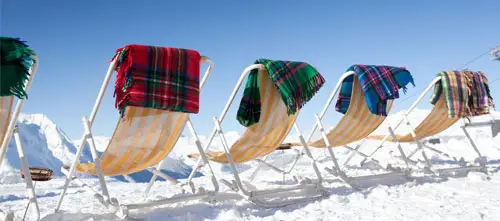
For something a bit more laid-back but still sociable, Sternbar Marguns is the classic sunny outdoor stop on the Corviglia side, with deckchairs, blankets, mountain views and that dangerous “just one more before we head down” energy. It also has the handy bonus of food from Chadafö next door, so you can keep the mood going without abandoning your sun trap.
Down in town, St Moritz does nightlife in that very St Moritz way: part polished hotel-bar culture, part sporting history, part private-club mythmaking.
Sunny Bar & Grill by Tom Booton at the Kulm is still one of the big names, with serious heritage as the winter meeting place for Cresta runners and the whole “old sports bar, new-school polish” thing nailed.
If you want something more niche, Devil’s Place at Waldhaus am See is the whisky-heavy option, officially billed as the world’s best-stocked whisky bar with more than 2,500 varieties.
For later-night energy, Hemingway’s Club gives you a more accessible day-to-night setup with food, drinks and DJs, while the Dracula Club remains the famous, world-renowned maybe – iconic, yes, but still private and members-only, so don’t build your whole evening around it unless you’ve actually got the invite.
Mountain‑top Moments
Mountain food in St Moritz is less “sad chips in a hut” and more “why is this lunch suspiciously excellent?”
Corviglia has a properly varied on-mountain food scene, from classic huts to smarter, more polished stops. At the top, Piz Nair 10’000 Feet is the big panoramic-name option at 3,057m, with huge views and a menu that goes well beyond emergency refuelling.
Lower down, places like Glünetta lean into the cosier Swiss-hut mood, with the kind of menu that makes rösti, raclette and fondue feel like extremely sensible life choices.
Salastrains is another strong lunch stop above town, more relaxed and scenic, while Alpina Hütte brings the old-school charm – it’s officially described as the oldest hut in the region, which is exactly the sort of mountain-lunch brag you want in your pocket.
If you want the iconic “long lunch with a view” feel, Paradiso Mountain Club & Restaurant is basically built for it: south-facing terrace, glamorous crowd, music, drinks, and the sort of atmosphere that convinces you dessert is not only justified but practically required.
For something more traditional but still very St Moritz, Chasellas and Trutz are long-standing Corviglia favourites, while White Marmot is the one to pick if you want mountain dining with more of a lifestyle edge than a hut-classic feel.

In the village, St Moritz gives you a very pleasing mix of old-school institutions, polished hotel dining and places that are genuinely excellent without making dinner feel like a formal exam.
Chesa Veglia is one of the classic names for a reason: it’s a farmhouse dating back to 1685, and the famous Pizzeria Heuboden in the old hayloft is exactly the sort of place where ordering the “Dama Bianca” – a white pizza with Taleggio, Parmesan and lots of truffle shavings – somehow feels completely normal.
It also does Italian classics, pasta and fresh fish, so it works whether you want a full dinner or just to lean into the very St Moritz idea that pizza can still be a bit glamorous.
If you want something more rooted in regional comfort food, stay in the same Chesa Veglia world but look at Patrizier Stuben, with local favourites like Bündnerfleisch and pizzoccheri – exactly the kind of rich, Alpine-leaning dishes that feel very right after a cold day outside.
For a “we want to eat really well, but we’re not in the mood for full silver-service theatre” sort of evening, La Scarpetta is a very handy name to know. It holds a Bib Gourmand in the 2025 MICHELIN Guide, which is usually the sweet spot for food people who want quality and warmth rather than a giant bill with emotional baggage attached.
Michelin’s inspectors specifically mention dishes like the red prawn carpaccio, vitello tonnato and the pasta of the day, which tells you a lot about the style: Italian, ingredient-led, relaxed but sharp.
Meanwhile, if you like the idea of eating inside a famous hotel without defaulting to something stuffy, Sunny Bar & Grill by Tom Booton at the Kulm is much more than a post-ski drinks stop.
The current menu includes things like beef tartare mixed at the table, the Shuttlecock Smash Burger with bacon, cheese and skin-on chips, plus braised beef cheek with mash – so yes, you can absolutely do “iconic St Moritz bar” and still eat very well.
And if your version of village food includes the all-important “cake now, questions later” category, St Moritz is strong there too. Confiserie Hanselmann has been around since 1894 and is one of those proper resort institutions where coffee and something sweet feels like part of the holiday rather than just a snack stop.
Tempting treats include Engadine nut cake, pralines and other pastries, which is exactly what you want for a late-morning treat, a non-skiing afternoon, or that very justified “we skied today, so this doesn’t count” moment.
For something more deli-style and local, Hatecke is great for a lighter, more snacky stop built around cured-meat specialities: think Bündnerfleisch, salsiz and other Grisons meat classics with a glass of wine rather than a full dinner production.
So no, St Moritz village food is not just white tablecloths and eyewatering tasting menus – it’s also proper regional comfort, excellent Italian, and enough pastry temptation to ruin the purest of intentions.
If you’re taking a rest day in St Moritz, lean into the fact you’re somewhere with proper winter-sport history, not just a pretty place with expensive scarves.
The Olympia Bob Run St Moritz–Celerina is the headline attraction: it opened in 1904, is the oldest bobsleigh run still in use, and remains the last natural-ice track in the world, which is a fairly outrageous thing to have casually sitting near town.
If you want the story behind it, the Cresta & Bob Museum is well worth a look too, pulling together the history of both the Olympia Bob Run and the Cresta Run in one place.
Then there’s the frozen-lake scene, which is peak St Moritz. Depending on the calendar, the lake hosts headline winter events like White Turf horse racing and the Snow Polo World Cup, both very much in the “only here would this seem normal” category.
And if you just want gentler movement, the Engadin is brilliant for winter walking, scenic funicular rides and low-effort mountain outings like Muottas Muragl, where you can go for the views, have coffee, or swap skiing for one of the region’s best toboggan runs.

Getting home safely & easily
Getting home in St Moritz is mostly about public transport and not overcomplicating it.
The Engadin Bus network (part of the engadin mobil fare association) links Engadin Bus, the St Moritz local bus service, PostAuto and even the Rhätische Bahn under the same ticketing umbrella, which is handy when you’re bouncing between villages or just trying to get from lift base to hotel without a taxi bill.
Price-wise, it’s zone-based and there are single tickets (valid for a set time depending on zones) and 24-hour passes (unlimited rides in your paid zones for 24 hours) – but exact CHF amounts depend on the zones/route, so you’ll want to check the current tariff table for your exact journeys.
For late-night or “we are exhausted and carrying gear” situations, there are taxi and passenger transport options you can book locally.

Ski schools & learning zones
St Moritz is very “Swiss ski school” in the best way: organised, professional, and set up for everyone from nervous adult beginners to kids who think speed is a personality trait.
The main advantage of a big destination like this is choice: you’ve got large established schools and multiple bases (St Moritz, Celerina, Samedan, plus the Corvatsch side), so you can usually find a lesson format that fits your day rather than forcing your holiday around one awkward meeting point.
A practical note for UK travellers: book early for peak weeks. Not because St Moritz “runs out” completely, but because the best lesson times (and the best group level-matching) go first.
Also, if you’re doing off-piste or you want to genuinely level up fast, private lessons or hiring a guide for a half day can transform your confidence – and in a multi-area resort, local knowledge saves you from accidental “why are we here?” detours.

For beginners in St Moritz, the good news is that this is not a resort where learning feels like an afterthought bolted onto a glamorous ski destination.
The Swiss Ski School St Moritz is a serious operation: it has been teaching here since 1929, works across St Moritz, Celerina and Samedan, and uses a structured progression system through the Swiss Snow League, with dedicated formats including Kids Village, Swiss Snow Playground and beginner-friendly lesson options rather than a one-size-fits-all “off you go then” approach.
That matters, because St Moritz is a big, spread-out ski region, and learners benefit massively from a school that already knows how to match the right slope, meeting point and pace to the right person.
On the mountain itself, the most useful beginner zones are nicely spread across the resort depending on where you stay.
On Corviglia, the Salastrains family ski area is one of the main first-steps spots, with a magic carpet, various lifts and a ski carousel, plus rental, lockers and the ski school right there, which makes it feel much less daunting on day one.
Over towards Celerina, the Proluvèr area adds gentle nursery slopes plus a child-friendly 4-seat chairlift and T-bar, so it’s a strong option for building confidence without being swallowed by the main mountain.
On the Corvatsch side, Cristins is the key beginner zone at the bottom of the main lift, with a magic carpet and button lift, while nearby Furtschellas offers wide, easy-going slopes for improvers who are ready to leave the pure nursery phase behind.
In other words, St Moritz gives you a few different ways to learn depending on your base, rather than forcing every beginner into one crowded corner.
In St Moritz, staying close to your likely lesson meeting point is not just a nice extra – it is the thing that makes the whole holiday feel easier.
This is a resort with multiple uplift points and several villages feeding into the ski area, which is brilliant once you know what you’re doing, but slightly less charming when you’re half-awake in ski boots trying to shepherd a beginner, a child, or frankly a fully grown adult who is already regretting their life choices.
The Swiss Ski School lists meeting points across St Moritz Dorf, Corviglia, Salastrains, Celerina and Samedan, so the smartest booking decision is to work backwards from the place your lessons are most likely to start rather than simply picking the fanciest address.
For most learner-heavy trips, Celerina is a really strong shout because it gives you practical access to the Corviglia side via Marguns and keeps mornings relatively calm and low-faff.
St Moritz Bad is another very sensible base because the Signal lift gets you onto Corviglia efficiently, and you’re also well placed for buses if different members of the group are doing different things. That’s why Bad and Celerina often work best for mixed-ability groups: learners can crack on with their lesson programme, stronger skiers can head off onto the wider Corviglia network, and everybody can still reunite without a full military-grade operation.
If your priority is learning on Corvatsch, though, don’t be romantic about staying elsewhere and commuting across the valley every day. On paper it may look manageable; in reality it’s the sort of “small extra effort” that gets old surprisingly fast by day three.
Getting to lessons in St Moritz is usually straightforward, but only if you treat the first morning like something worth planning rather than improvising.
Confirm your exact meeting point the day before, check whether it’s in the village or actually up on the mountain, and leave more time than your optimistic holiday brain thinks you need.
The St Moritz ski school uses multiple meeting points in the Upper Engadin, including St Moritz Dorf, Corviglia, Salastrains, Celerina and Samedan, so “we’ll just head to the lift and figure it out” is not the elite strategy it sounds like over breakfast. I
f you’re new to the resort, the first lift ride, boot-up routine and village navigation will almost always take longer than you expect.
The upside is that public transport is genuinely useful here. The Engadin mobil network links the key villages across the Upper Engadin, and St Moritz station is a hub for transport information and onward connections, so getting between villages is very doable if you’re staying in one place and learning in another.
That said, “doable” and “ideal” are not the same thing. If you’re commuting daily for lessons, pick a lesson slot that doesn’t require a frantic bus dash every morning, and be realistic about how much patience small children – or nervous adults – have before ski school has even started.
In St Moritz, staying within easy reach of the meeting point is still the single best way to make lesson days feel smooth. Public transport can rescue a slightly imperfect setup; it just shouldn’t be Plan A if you can avoid it.
Looking to stay in St Moritz?

Lift passes, costs & budgeting
St Moritz is one of those resorts where buying the right lift pass can make a surprisingly large difference to the holiday budget.
The main regional product covers the whole Upper Engadin, including Corviglia / Piz Nair, Corvatsch / Furtschellas, Diavolezza / Lagalb and the smaller ski areas. Multi-day skiing is therefore less about choosing one mountain and more about deciding how early you want to commit.
This matters because St Moritz uses Snow-Deal dynamic pricing. Prices rise according to demand and booking time, so the earlier you book, the better your chances of getting one of the cheaper rates.
There is also the excellent Sleep + Ski offer through participating accommodation, which fixes the ski-pass price at CHF 55 per person per day for the whole stay.
Which ski pass should you buy in St Moritz?
Think of it like this: skiing one mountain for one day? Buy locally. Staying for several days and exploring? Buy Upper Engadin. Staying in a participating hotel? Check Sleep + Ski before buying anything else.
Option A - Single-area Day Pass
What it is: A one-day ticket for an individual ski area such as Corviglia, Corvatsch or Diavolezza/Lagalb, rather than the whole Upper Engadin region.
Best for: Short breaks, one-off ski days and anyone who already knows exactly which mountain they want.
This can make sense if you are spending the whole day on Corviglia, for example, and have no intention of heading elsewhere.
For multi-day skiing, however, the regional product becomes much more useful because the different St Moritz mountains have very different terrain, altitude and weather.
Plain English: This is the “one mountain today, no need to pay for everything” option.
Option B - Upper Engadin Snow-Deal Pass
What it is: The main regional day and multi-day pass covering the entire Upper Engadin ski region.
Best for: Week-long holidays, intermediates, advanced skiers, mixed groups and anyone who wants to switch between Corviglia, Corvatsch and Diavolezza / Lagalb.
Prices use the Snow-Deal dynamic model, so there is no single fixed 6 day or 7 day tariff that applies to every week of the season.
The regional ticket also includes public transport within the Upper Engadin during its validity, which is particularly useful because the main ski mountains are separate rather than one enormous lift-linked domain.
Plain English: This is the “whole St Moritz ski week, follow the snow and choose the mountain each day” pass.
Option A - Sleep + Ski
What it is: An accommodation-linked ski-pass offer available through participating Engadin hotels.
Best for: Anyone staying in an eligible hotel and skiing most or all of their holiday.
For winter 2026/27, the price is fixed at CHF 55 per person per day, valid from 17th October 2026 to 2nd May 2027.
The catch is that you must buy it for the entire duration of your stay: the number of ski-pass days must match the number of hotel nights.
Plain English: This is the “check this before buying anything else” option – because CHF 55 a day can make St Moritz lift access look surprisingly reasonable.
St Moritz lift pass prices 2026/27
Price note: St Moritz doesn’t publish one simple fixed-price grid for these passes because Snow-Deal pricing is dynamic. In plain English: prices move around based on your dates and booking timing, so you should check live quotes and book early rather than rely on a static table.
Snow-Deal or Sleep + Ski?
This is the comparison that actually matters.
If your Snow-Deal quote is below CHF 55 per day, buy Snow-Deal. If it is above CHF 55 and your hotel participates in Sleep + Ski, the hotel offer may be cheaper.
The official St Moritz booking system even provides a calculator specifically to compare the two.
Ski Demon tip: Don’t assume the accommodation offer wins automatically. Check both. Dynamic pricing occasionally throws up very good Snow-Deal rates, particularly when buying well ahead.
Deposits, insurance, and when to buy
Here’s how to do St Moritz like someone who hates queues and hates wasting money:
Chip-ID card: St Moritz uses reusable electronic Chip-ID / KeyCard media. If you already have a compatible card, keep it and reload your pass online rather than starting again.
Insurance: Ski passes are generally subject to fairly strict cancellation and refund conditions, so check the optional Snow Assist cover alongside your normal winter sports insurance before booking.
Don’t assume a lift pass will automatically be refunded simply because illness or injury stops you skiing.
When to buy: Snow-Deal really does reward early booking. Unlike resorts with fixed tariffs, there is no advantage in waiting for a magic cheaper last-minute rate – as demand increases, prices can rise.
But before buying Snow-Deal, check whether your accommodation participates in Sleep + Ski.
For most St Moritz holidays, that comparison matters far more than trying to shave a couple of francs off an individual mountain ticket: Snow-Deal if the live quote is better, Sleep + Ski if CHF 55 per day wins.
Looking to stay in St Moritz?
Common St Moritz Ski Holiday Mistakes
St Moritz is easy to enjoy, but its separate ski areas, spread-out valley and premium prices mean a few common mistakes can make your holiday more complicated.
Booking accommodation first, then discovering you’re “near the ski lift” in the same way Heathrow is “near London”
St Moritz is spread out, and lift access points matter. Pick your home base based on whether you’ll mainly use Chantarella, Signal, Marguns, or Corvatsch access – it’s the difference between a smooth week and daily boot-walking misery.
Treating lift pass prices like they’re fixed
In the Engadin system, official messaging is clear that prices can be dynamic (demand/booking time), so leaving it late can sting. People then get grumpy and blame Switzerland, when really they just ignored how the pricing model works.
Trying to “do all the ski areas” in the first two days
St Moritz rewards pacing: Corviglia first to find your legs and your bearings, then Corvatsch when you want altitude, then the other areas as spice.
If you try to tour the whole valley immediately, you’ll waste time on logistics and end up hungry in the wrong place at the wrong time.
Underestimating high-mountain weather
Yes, altitude helps snow reliability – but it also brings wind and visibility days. Have a plan B (sheltered pistes, lower runs, a non-ski afternoon) so you’re not standing at a lift base arguing with your mates while your goggles fill with snow.
Going “off-piste because it looks tracked”
Corviglia and Corvatsch both flag freeride/off-piste terrain, but it’s also explicitly described as unsecured in places. If you’re not properly equipped and properly experienced, this is the exact scenario where people get into trouble. Get a guide, get the kit, and keep the bravado on a leash.
Getting to St Moritz
Getting to St Moritz takes a little more planning, with several airport options and excellent rail connections into the resort. Whether you’re flying, driving or arriving by train, here’s everything you need to know before you travel.
1) Fly + road transfer
(the “land, let someone else deal with the mountain roads” option)
For flights, Zurich and Milan are the obvious starting points, the resort is around three hours by road. Geneva is absolutely possible, but it is a much longer slog and usually only makes sense if the flight deal is very good.
As a rough guide:
- Zurich (ZRH) → St Moritz: roughly 3 hours by road in good conditions.
- Milan Malpensa (MXP) → St Moritz: roughly 2 hours 45 minutes to 3 hours by road.
- Geneva (GVA) → St Moritz: roughly 6 hours by road, so definitely the “only if the flights really win” option.
Real-world tip: if you’re arriving on a Saturday, or late in the day, a pre-booked transfer is often money well spent – and once you’re in resort, public transport does the heavy lifting.
2) Train + bus
(the “car-free, scenic, and honestly quite smug” choice)
St Moritz is one of those rare ski resorts where the train is not the compromise option – it’s part of the holiday. The rail approach one of the most spectacular ways in.
Typical timings look like this:
- Zurich Airport → St Moritz (train): roughly 4 hours, usually with changes at Zürich HB and Chur.
- Zurich HB → St Moritz (train): roughly 3 hours.
- St Moritz station → resort bases: usually a short local bus or taxi hop, depending on exactly where you’re staying.
Real-world tip: the train is brilliant here, but arrival day is smoother if your hotel is walkable from a bus stop or offers a pickup from the station.
3) Driving to St Moritz
(flexible, scenic, and occasionally a tiny bit “respect the Alps, please”)
Driving to St Moritz is straightforward in concept and Alpine in execution. From Zurich, you’re typically coming in via the A3 / A13 before the final mountain stretch over the Julier Pass. From Milan, the usual run is up via the Italian side and the Maloja Pass; and if you want to avoid some of the higher Alpine driving altogether, there is the Vereina Tunnel car train as an alternative route into the Engadin.
Time-wise, a sensible rough guide is:
- Zurich → St Moritz: roughly 3 hours in good conditions.
- Milan → St Moritz: roughly 3 hours in good conditions.
- Geneva → St Moritz: roughly 6 hours by road.
Real-world tip: think of the car as your way into resort, not your daily ski plan – use buses once you’re there.
Getting around once you’re there (easy… with one tiny “ski boots” reality check)
Walking (your default setting - if you’ve booked sensibly)
If you’re staying in St Moritz Dorf or St Moritz Bad, a lot of daily life is perfectly walkable: lifts, ski hire, bus stops, cafés, shops and dinner plans can all be reached on foot if you’ve picked your base well. St Moritz is not one tiny, flat ski village - it’s more spread out, with different bases and access points - so being central helps a lot, especially if you want easy mornings and low-faff evenings.
Engadin Bus + local public transport (your actual secret weapon)
For getting between villages, lift bases and the main Upper Engadin hubs, the Engadin Bus network and wider engadin mobil system do a lot of the heavy lifting. There are also public transport ticket options including single journeys and multi-day guest travel products, so you don't need a car to make a St Moritz ski week function properly.
Taxis (for late nights, tired legs, and “absolutely not walking back in these boots”)
Taxis are easy enough to find which means you’ve got a reliable fallback when buses are less convenient, when your group has split up, or when someone has hit that classic ski-holiday point of being physically and emotionally finished with walking. It’s not really a “grab one on every corner” setup, so if you know you’ll want one at a busy time, book ahead.
Ready to make your piste dreams a reality?
Whether you’re scouting dreamy hotels, comparing the best tour operators or looking for fresh ski inspiration, we’re here to help you turn ideas into an actual holiday.
Take the next step by browsing hotels in this resort, choosing a trusted ski tour operator or signing up to our newsletter for destination ideas, practical advice and the latest tips delivered straight to your inbox. From finding the right place to stay to choosing the best way to book, we’ve got plenty to help you plan with confidence. Pick your next move and let the adventure begin.
Looking for more inspiration?
Sign up to our free newsletter

Ready to book your stay?
Take a look at our hotel guide and see what suits your requirements and budget
Tour operators
For more from our tour operators click the logos above
St Moritz FAQs
Whether you’re visiting St Moritz for the first time or heading back for another trip, these FAQs should help answer the most common questions before you book and before you travel.
Is St Moritz only for rich people?
No – it’s famous for luxury, but the skiing doesn’t check your bank balance at the lift gate.
The trick is choosing your base smartly (Celerina and St Moritz Bad can be more practical than Dorf), planning your lift access early (dynamic pricing exists), and doing your “splurge” moments selectively (one iconic mountain lunch, not seven). You’ll still notice it’s Switzerland-pricey, but you can absolutely ski here as a normal human with a plan.
How do I avoid queues in St Moritz?
Use the multiple access points to Corviglia to your advantage. If everyone piles into one lift base, switch to another: Corviglia is reachable via Chantarella (Dorf), Signal (Bad) and Marguns (Celerina), which helps spread demand.
Start early if you can (Corviglia even offers early ascent concepts), ski away from the obvious terrace magnets for the first hour, and eat lunch outside peak. It’s not rocket science – it’s just being slightly smugly organised.
Is St Moritz snow-sure?
It’s a strong bet because you’ve got serious altitude in the system (Corvatsch goes up to around 3,303m) and Corviglia lists extensive snowmaking coverage. That combo – height plus infrastructure – is exactly what you want when winters are variable.
The caveat is that high altitude brings wind and visibility closures sometimes, so “snow-sure” doesn’t mean “every lift runs every day”. It means you’ve got good odds of skiable terrain most days and a better safety net than lower resorts.
Where should I eat on the mountain if I want “iconic St Moritz” lunch?
For the full experience, you’re looking at the Corviglia-side names: Paradiso for the “music + terrace + big views” energy, and Piz Nair 10’000 Feet for the high-up panoramic brag. If you want something more classic mountain restaurant, places like Trutz/Chasellas are institutions in the Corviglia area.
My best advice: pick one “big lunch” day, book if needed, then keep the other days simpler so you’re not burning half your ski time chasing a table.
What’s the best plan for mixed-ability groups?
Base yourself somewhere practical (St Moritz Bad or Celerina work well), pick Corviglia as the default meeting mountain, and set one or two fixed meet-ups per day (coffee, lunch, last lift).
Corviglia has a meaningful amount of easy terrain while also being brilliant for intermediates, so it’s a natural “we can all ski today” solution. Then put the more advanced day (Hahnensee, Selin, etc.) on a day when the beginners are happily booked into lessons.
Is St Moritz good for snowboarders?
Generally yes, because your main access up to Corviglia is via funicular/cable car/gondola rather than endless drag lifts, and the pistes are wide.
The only time boarders suffer is when they get lured into flat links late in the day. Plan your routes so you’re not stranded pushing across a plateau, and if you’re freestyle-inclined, Crowland gives you a proper park target.
How do I do the Hahnensee run without ruining my day?
Treat it like an “event run”, not a casual last lift.
The Hahnensee descent is a black run down to St Moritz Bad, and crucially it doesn’t naturally feed back into a lift right there – but there is a dedicated ski bus solution (Hahnenseeexpress) to get you back around. So: do it with daylight left, make sure your legs still work, and know your return plan before you drop in.
What are the best non-ski things to do on a rest day?
Lean into the local winter history. The Olympia Bob Run is a headline attraction, and it’s tied into St Moritz’s long winter-sport tradition; the Cresta & Bob Museum connects the stories of the Bob Run and Cresta Run in one hit. If you’re here mid-winter, check what’s happening on the frozen lake too – St Moritz hosts distinctive winter events out on the ice.
Do I need a car in St Moritz?
Not really. Between trains, the Engadin Bus network and local buses, you can get around the Upper Engadin without driving to every lift base.
Engadin Bus is part of the engadin mobil fare association and supports tickets across buses and rail in the area, which is ideal if you’re moving between villages.
A car can be convenient for some people, but it’s not essential – and in peak winter weather, “not essential” can quietly become “thank god we didn’t”.
How do I keep lift passes from becoming outrageously expensive?
Two moves: book earlier if you’re using the official dynamic pricing model (because pricing changes with demand/booking time), and compare against accommodation-linked deals like Sleep + Ski if your hotel participates – it can be genuinely excellent value if you’re skiing most days.