


Verbier is where big-mountain skiing meets big-energy holiday mode: one minute you’re carving high-alpine pistes under Mont Fort, the next you’re in a sun-soaked terrace lunch wondering how a ski trip got this glamorous. It’s got the snow, the scenery, the swagger, and just enough chaos to keep things interesting.
This guide was written by Michelle Wheeler
Verbier ski resort at a glance
Verbier sits on a sunny balcony in Switzerland’s Valais (Val de Bagnes), plugged into the mighty 4 Vallées – the “I didn’t realise Switzerland did this much skiing” mega-area.
You’re based at around 1,500m and you can ride lifts up to 3,330m, which is a big part of why people trust Verbier for a week-long trip.
The wider 4 Vallées clocks in at 410km of pistes (plus a lot of famous “itinerary” freeride routes), and it feels properly high-alpine: big views, big terrain, and big “why are my legs like this” days.
Travel-wise, it’s genuinely doable from the UK without losing a full day to transfers: Geneva is the usual gateway, and you can get in by road or train to Le Châble, then up to resort by lift/bus.

Altitude
1,500 m - 3,300 m
Pistes
410 km
Ski Season 26/27
5 Dec - 25 Apr
Transfer Time
120 - 180 mins
Number of pistes by difficulty
Resort Guide Quick Facts
(the stuff you actually care about)
Best for:
If you’re a confident intermediate who wants variety without faff, Verbier is a dream. If you’re advanced/expert and like freeride culture, it’s basically one of Europe’s poster children. Beginners can learn here too – but it’s the sort of place where picking the right base area and lesson plan matters more than in gentler, purpose-built resorts.
Ski area size:
The linked 4 Vallées area offers around 410km of pistes served by 82 lifts, connecting Verbier, La Tzoumaz, Nendaz, Veysonnaz and Thyon. That means you can ski “over there” for the day rather than lapping the same few runs, and it’s big enough to dodge the crowds just by being slightly smarter than average.
Altitude:
The village/base is around 1,500m, and the lifts take you up to 3,330m. That combo is a big deal for snow reliability, but it also means high-alpine weather can shut things down occasionally.
Villages / bases (each has a different vibe):
You’ve got the main Verbier base, plus valley and satellite options like Le Châble (good-value, super practical for trains), and neighbouring bases in the linked domain such as La Tzoumaz and Bruson (quieter, more “we came to ski” than “we came to party”).
Beginner friendliness:
Verbier does have dedicated beginner areas and beginner-only tickets, including the Les Esserts beginner sector and a beginner skilift/magic carpet option – but it’s not the kind of resort where you want to wing it and hope the blues are kind.
Ski season (published dates):
Verbier’s 2026/27 season opening and closing dates are 5th December 2026 until 25th April 2027, with some higher slopes potentially opening earlier when snow conditions allow. Check the official Verbier 4Vallées opening calendar before booking right at either end.
You’ll love Verbier for…
Apres-ski
Off piste
Advanced
| Our rating | |
|---|---|
| ★★ | Beginner |
| ★★★★ | Intermediate |
| ★★★★★ | Advanced |
| ★★★★★ | Off-Piste |
| ★★★★ | Snowboarding |
| ★★★★ | Snow Reliability |
| ★★★★ | Extent |
| ★★★★★ | Apres-Ski |
| ★★★ | Mountain Restaurants |
| ★★★★ | Scenery |
| ★★★ | Village Charm |
| ★★★ | Non-Skiers |
Best for snow: Late January – March
Late January to March, plus high-altitude April days when the weather behaves and you chase the best aspects.
Best for value: Early January and late March
Early January (after New Year) and late March - fewer peak-week prices, more elbow room, still plenty open.
Best for families: January (outside peak weeks) or March
March (longer days, often friendlier temperatures) or quieter January weeks if your crew can handle colder mornings.
Avoid if possible: UK half term and New Year
UK half term and New Year if you hate queues and paying peak prices for everything that moves.
Tour Operators who go here


Looking to stay in Verbier?
What’s Verbier like?
Verbier is big-resort energy in a mountain setting that still feels properly Alpine – chalets, views, and that “oh wow” moment when you realise you’re looking at serious peaks.
It’s on a sunny plateau, so you often get that satisfying combo of crisp snow and bright terraces, which is basically catnip for long lunches and après that starts “accidentally” and ends… later.
It’s also a resort where your choices matter. Stay in the wrong spot and you’ll spend your week schlepping to lifts and fighting for buses. Stay in the right spot and you’ll feel like you’ve hacked the system: quick access in the morning, easy returns, and a village scene that makes non-ski time genuinely worth leaving the hotel for.
Town layout
Verbier spreads out more than people expect. There’s a central village core where you’ll find a lot of shops, bars and restaurants, and then there are residential lanes and clusters of chalets/apartments that climb and sprawl.
The practical impact is simple: “near the lift” and “near the centre” aren’t always the same thing, and uphill walks in ski boots are awful. Your best move is choosing whether you want lift-first convenience (early starts, easy home runs) or centre-first convenience (après, dinners, wandering home without a taxi mission).
Overall vibe
Verbier is confident. Not shouty-corporate confident – more like “I know I’m good, so I don’t need to prove it” confident.
On the mountain you’ll see everyone from week-one beginners to people who look like they were born wearing an avalanche backpack.
In town it’s a mix of families, groups of mates, long-weekenders, and a fair chunk of people who treat Verbier like their winter second home.
It’s lively, international, and it rewards people who plan just a tiny bit.
Après-ski
Après in Verbier can be as tame or feral as you want.
You can do the classic “one drink, early dinner, bed” version, or you can do the “we’ve been standing on a table since 4pm” version.
The big thing to know is that the après scene has proper gravity – you will be tempted, even if you swear you won’t.
If you’re here to ski hard all week, build a rhythm: big day, early-ish night, then pick one or two “go on then” afternoons where you lean into it properly.
Looking to stay in Verbier?
Who Verbier suits
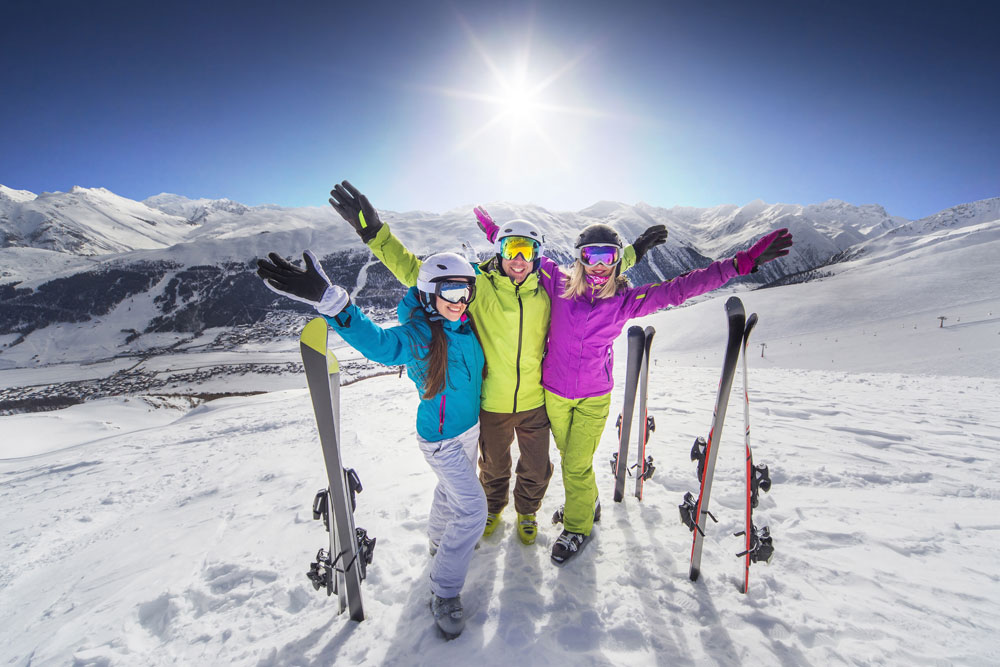
Intermediates (the sweet spot)
Intermediates are the real winners here. You’ve got huge mileage potential across the 4 Vallées, plus loads of terrain where you can spend a full day linking cruisy runs, then finish with something scenic and smug.
Stay tip:
- For the easiest, least-faff week, stay somewhere that gets you onto the main lift network quickly in the morning – you’ll ski more, queue less, and feel like you’ve “done” Verbier properly.

Advanced skiers & snow-sure seekers
This is where Verbier flexes. There are famous freeride itineraries like Mont-Gelé, Vallon d’Arbi, Col des Mines, and Gentianes–Tortin that are marked and managed but ungroomed – which is a very Swiss way of saying “you still need to know what you’re doing.”
Bring the right kit, check avalanche info, and if you’re not experienced locally, hire a guide – this isn’t the place to freestyle your safety plan.
Stay tip:
- Stay lift-close so you’re first in line on a powder morning.

Snowboarders
Verbier is strong for snowboarders, mostly because the lift network is modern and the area is huge – you can plan days that avoid endless flat drags.
The key is route choice: if you’re riding with skiers who love long traverses into hidden stashes, be picky about which you commit to, because pushing on a board at altitude is character-building.
Stay tip:
- Stay somewhere with easy access to gondolas/cable cars so your mornings are smooth and your legs aren’t toasted before run one.

Beginners (with a smart plan)
Yes, beginners can do Verbier – but do it smart.
Stick to the dedicated learning zones like Les Esserts and the beginner areas covered by the beginner tickets, and book lessons so you’re not accidentally funnelled onto something spicy by day three optimism.
Stay tip:
- Stay near the beginner zones if you can, because nothing kills confidence like ending the day with a stressful “how do we get home?” download puzzle.

Families
Families can have a brilliant week here if you make two choices upfront: (1) stay somewhere practical (short walks, easy buses, no heroic uphill slogs), and (2) build your ski-school routine around the beginner zones.
Verbier has beginner sectors and child-friendly learning areas, plus lots of non-ski options when someone melts down (adult or child – no judgement).
Stay tip:
- For family sanity, prioritise “easy mornings” over “cool location”.

Freestyle / Terrain Parks
Verbier has dedicated fun areas and parks – including snowpark and skicross options
It also has features like the Copperfield School Funslope (and other “fun zones” depending on season setup).
Stay tip:
- If you want park laps as a daily habit, stay somewhere that makes it easy to reach the right sector early, before it gets scraped or busy.
Looking to stay in Verbier?
Where is Verbier?
Verbier is in south-west Switzerland, in the canton of Valais, sitting above the valley town of Le Châble in the Val de Bagnes.
It’s part of the 4 Vallées ski area (the big linked domain with Verbier as one of the headline bases), which means you’re not boxed into one mountain face for the week. For travel planning, think “Geneva in, Le Châble as the rail gateway, then up to resort,” and you’ve basically cracked the logistics.
Looking to stay in Verbier?
Skiing in Verbier (ski area, terrain, lifts, snow)
Verbier skiing is best thought of as three things at once: a big, high, lift-linked piste network; a proper freeride culture with famous itineraries; and a resort layout where your start-point each morning massively affects how much you ski versus how much you queue.
The piste side is huge across the 4 Vallées, so you can do mileage days, scenic days, and “let’s just lap this sector because it’s skiing beautifully” days without repeating yourself too much.
The freeride side is iconic – but it comes with real consequences if you treat it casually.


Terrain overview
Verbier is the flashy front door to the 4 Vallées, but the bit most people actually ski in a normal holiday rhythm is the Verbier sector itself: main Verbier, Savoleyres/La Tzoumaz, and Bruson.
Your classic day starts from Médran in the village, heads up to Les Ruinettes, then fans out towards Attelas, La Chaux, Mont-Gelé or, if you’re feeling ambitious, onward into the wider 4 Vallées towards Nendaz, Siviez and Mont-Fort.
Savoleyres is your useful “other side of the mountain” for sunnier, more family-friendly laps, while Bruson is the quieter option if you want fewer people and a slightly more low-key feel.
The big mistake in Verbier is trying to ski absolutely everything, every day, just because the map says you can. It’s usually smarter to pick a zone and ski it properly: fast laps around La Chaux and Attelas, scenic cruising on Savoleyres, or a deliberate mission out into the wider circuit once the early rush has thinned.
Stay tip:
If it’s your first Verbier trip, stay in the main resort near Médran or central village buses rather than down in the valley – the mountain feels much easier when your first lift isn’t a daily logistics exercise.
Lifts & getting around the mountain
Verbier’s lift system is good, and in key places it’s genuinely impressive rather than merely “fine for an Alpine resort”.
The big example is Médran, where the parallel gondola setup to Les Ruinettes was rebuilt to handle heavy traffic, with flow of roughly 4,400 people per hour initially and up to 4,800 later on.
That matters, because Médran is the obvious launch point for a huge chunk of the resort, and on peak mornings basically half the mountain has had the same brilliant idea as you.
Once you’re up high, movement around the mountain is pretty logical: Attelas and La Chaux are your main redistribution points,
Savoleyres works as the family-and-cruising flank, and Le Châble gives you valley access by gondola if that’s where you’re staying.
The smart queue strategy is not glamorous, but it works: be early to Médran, avoid “everyone breaks for lunch at 12.30” timing, and don’t leave big inter-sector crossings until the last possible run home.
Stay tip:
Pick accommodation based on the lift you’ll actually use most – Médran for full-area mileage, Savoleyres for quieter family laps, and Le Châble only if you’re happy trading convenience for price.
Snow reliability & season length
Verbier is one of the stronger snow bets in Switzerland because the numbers are on its side: the ski area runs from around 1,500m up to 3,330m at Mont-Fort, with most of the terrain above 2,000m, and around 63% of the area has artificial snowmaking support.
In plain English: when lower, warmer resorts are starting to look nervy, Verbier usually still has a decent amount of usable terrain higher up.
Midwinter is when the resort feels most complete, especially if you want the full top-to-bottom, high-alpine version of it. Early season can still depend on what has happened in the weeks before you arrive, and in late season you should expect the village-level runs to go spring-soft or patchy faster than the upper mountain.
The catch in Verbier is less “will there be snow?” and more “which part of the mountain is skiing best today?”
High terrain, aspect changes, and weather can make one sector chalky and brilliant while another feels flatter, wind-buffed or slushy.
Stay tip:
For December or late-March trips, stay somewhere with quick access to the Médran side so you can get high fast and adjust your day around whichever sector is skiing best.

Verbier absolutely earns its freeride reputation, but it is not a place to get casual just because something is marked on the map.
The classic names are there for a reason: Mont-Gelé is one of the headline routes, with official itineraries dropping either towards Tortin or back towards La Chaux, while Col des Mines is a popular marked return towards Verbier with big views over the village and valley.
The important wording is “itinerary” – in Verbier that means marked and monitored as a route choice, not groomed and automatically safe like a piste.
Official descriptions are very clear that routes like Mont-Gelé and Col des Mines are for good skiers only, and the tourism office also has lists of certified mountain guides and guide offices for freeride days, touring and off-piste instruction.
That’s the grown-up move here, especially if it’s your first trip, visibility is mixed, or you’re tempted by lines you’ve only ever seen on Instagram from somebody who definitely skis better than your mate Dave.
Stay tip:
If freeride is a major reason you’re coming, stay in central Verbier close to Médran so you can move early, watch conditions, and get to key itineraries before they’re tracked or the weather changes.
Beginners & improvers
Beginners can have a good week in Verbier, but only if they resist the urge to make it feel bigger and scarier than it needs to be.
The official beginner setup is much better than Verbier’s intimidating reputation suggests: there are free magic carpets at Les Esserts and Les Moulins, and the “Verbier Station” beginner-friendly sector also includes Le Rouge.
That gives true novices somewhere to start without immediately being launched into the full theatre of the main ski circus.
For improvers, the best next step is not “let’s go and ski the whole 4 Vallées by Wednesday”; it’s gradually moving onto easy blues, then using La Chaux as a progression zone because it’s accessible on the lifts and specifically highlighted by the resort as a good place to build confidence.
Verbier rewards repetition more than heroics at this stage. Pick one skill each day, repeat the same friendly terrain until it clicks, and save the big panoramic adventures for when stopping, turning and managing changing snow no longer take up all your brain space.
Stay tip:
If you’re learning, stay near Les Esserts, Le Rouge or on an easy bus line into those areas – nothing improves a ski week faster than removing a stressful morning mission before lesson one.
Freestyle & “more than pistes”
Verbier is not just a serious-skier place with stern faces and expensive goggles – it’s got a playful side too, and that matters if your ideal day includes side hits, park laps and things that make your thighs complain.
La Chaux is the main focal point for this side of the mountain, with the Snowpark, the Skicross and the mini KL all grouped there, so it’s the obvious place for “one more lap” energy once you’ve warmed up.
Also checkout the Copperfield School Skicross at La Chaux, a 700m fun-cross line maintained daily, plus the Funslope in the La Tzoumaz–Savoleyres sector for easier, more family-friendly features. Then there are the extra bits that keep the mountain from feeling one-note, like the slalom zones in Savoleyres and Meïno’s playground up at La Pasay.
The sensible Verbier freestyle approach is the same as anywhere, just with a slightly posher postcode: warm up first, scope features properly, and don’t leave your biggest ambitions for the final hour when your legs are already writing formal complaints.
Stay tip:
Park- and fun-zone-focused trips work best from central Verbier or somewhere with straightforward access to La Chaux, so you can dip between piste laps, skicross and park sessions without turning it into a full expedition.
Best Runs in Verbier (by ability)
For beginners:
The most confidence-friendly way to start in Verbier is to lap the dedicated learning areas at Les Esserts and Les Moulins, then step up to gentle beginner-friendly pistes like Esserts, Moulins, Rouge and Chaux once turning and stopping start to feel automatic.
If you want one bigger, confidence-building cruise later in the week, the long blue Tortin run over on the wider 4 Vallées side is one to try.
Also: don’t let your friends drag you somewhere “just for the view” unless they are genuinely patient.
For intermediates:
Chase variety and mileage, mixing cruisy reds and blues such as Attelas, Combe, Fontanet, Lacs and the blue/red options on Chaux for those classic long Verbier days.
A nice way to level up is to ski around Lac des Vaux, where pistes like Lacs and nearby sectors give you that “proper mountain” feel without immediately tipping into full expert mode.
You can also use La Chaux as a reliable progression zone: easy to reach, scenic, and ideal for stacking up laps while the snow changes through the day.
For advanced:
Advanced skiers and riders have a properly iconic menu here: the marked freeride itineraries Mont-Gelé, Vallon d’Arbi, Col des Mines and Chassoure-Tortin / Gentianes–Tortin are the headline names for good reason, and the Mont-Fort black run down the Tortin glacier is one of the resort’s classic leg-burners on-piste.
If you want something steep but lift-served and direct, La Pasay over in Bruson is another serious shout. The smart move is to pick routes that match the day’s visibility, snow and your own energy levels.
Off-piste note:
Even on Verbier’s marked freeride routes, conditions still matter. These itineraries are marked and secured, but ungroomed, so avalanche risk, visibility and route choice are still very real parts of the day. If you’re not experienced, hiring a local guide and carrying proper safety kit is the grown-up, non-regrettable decision.
Looking to stay in Verbier?
Looking for accommodation in Verbier
Verbier accommodation is all about what you want your week to feel like.
If you’re here to ski hard and minimise faff, staying near the main lift hubs is the move – you’ll start earlier, queue less, and get home more easily when the weather turns.
If you’re here for the full resort experience (bars, restaurants, wandering around after dinner), a more central base makes evenings simpler and reduces your dependence on taxis.
And if you’re trying to keep costs under control, looking at valley/satellite bases like Le Châble (train access) can be a genuinely smart play – you trade some convenience for value, but you can still get up the mountain efficiently.
Quick chooser: which area is right for you?
- If it’s your first time, go central.
- If you’re advanced and chasing first tracks, go lift-close.
- If you’re learning, go beginner-zone-close.
- If you’re budgeting, go Le Châble or a quieter linked base and accept you’re commuting a bit.
Village Comparison Table
| Area / Base | Altitude | Vibe | Best For | Nightlife | Beginner-Friendly | Access / Getting Around |
|---|---|---|---|---|---|---|
| Verbier Centre | 1,500m | Lively, convenient | First-timers, food/après lovers | ★★★★ | ★★★ | Walk/bus to lifts & town |
| Lift-base zone (Verbier) | 1,500m | Ski-first practical | Early starts, keen skiers | ★★★ | ★★★ | Short walk to main uplift |
| Esserts / quieter side | 1,500m | Calmer, family-ish | Beginners, families | ★★ | ★★★★ | Close to beginner areas / buses |
| Le Châble (valley) | 821m | Local, good-value | Budget, train travellers | ★★ | ★★ | Lift/bus up to resort |
| La Tzoumaz | 1,500m | Quiet, ski-focused | Families, relaxed weeks | ★★ | ★★★ | Linked lifts / needs planning |
| Bruson | 1,061m | Low-key, trees | Calm stays, mixed days | ★ | ★★ | Connection into Verbier sector |
(Star ratings are “relative vibe” rather than gospel)
Best Area for First-Timers
For a first trip to Verbier, Verbier Centre and the Médran/Place Centrale zone are usually the sweet spot.
This is the bit of resort that makes the whole week feel easier: you’ve got the main village buzz, quick access to rental shops and restaurants, and straightforward links to the mountain without every morning turning into a mini expedition.
Médran is the arrival point for the lifts from Le Châble, and from there Place Centrale is walkable in around 8 minutes, with free shuttle buses running around resort all year.
In real-life terms, that means you can get your bearings fast, recover from wrong turns without drama, and keep the group together even if everyone operates on wildly different levels of competence before coffee.
First-timers often get seduced by “slightly cheaper but a bit further out,” then spend the week wasting energy on gradients, buses and route-planning.
In Verbier, centrality buys you confidence, flexibility and fewer avoidable grumpy moments.
Stay tip:
For an easy first week, aim for central Verbier near Place Centrale or the Route de Médran side, so you can reach lifts, buses, shops and dinner plans without needing a daily tactical briefing.
Best Area for Ski-in Ski-out
In Verbier, you need to be a little bit sceptical with the phrase “ski-in ski-out.”
This is not one of those purpose-built French resorts where half the village seems to have a piste glued to the boot room door.
Here, the better strategy is to focus on the Médran side or genuinely lift-close spots where the walking is short enough to make a noticeable difference every single morning.
Médran is the main departure point for a lot of skiing, and because there is no car park directly at the lift departure, being able to walk there easily is genuinely useful rather than just a brochure flex.
The other thing to check is return-route reality: a place that sounds gloriously ski-back-friendly may still leave you with an awkward final stretch, or a home run that feels much less charming after a long day in chopped-up afternoon snow.
In Verbier, “worth paying extra for” usually means saved time, saved hassle and one less excuse to miss first lifts.
Stay tip:
If lift convenience is your main goal, prioritise Médran-adjacent accommodation over vague “ski-in/out” wording – in Verbier, five genuinely useful minutes matter more than a glamorous listing description.
Best Area for Nightlife
If nightlife is part of the holiday brief, central Verbier is where you want to be, full stop.
This is the version of the trip where being able to stroll out for après, drift into dinner, then decide whether the night is escalating or ending without organising transport is worth its weight in fondue.
The big win is not just having bars nearby; it’s having everything else nearby too. You can ski, stop back at the hotel, head out again, and still keep the whole thing feeling easy.
Staying somewhere more remote can look clever on paper until the group hits that classic 5.30pm moment of “shall we actually bother?” and the answer becomes “maybe not, because the journey home sounds annoying.”
Central Verbier works especially well for mixed groups: the party people can stay out, the sensible people can disappear early, and nobody has to turn a simple night out into a transport negotiation.
With free shuttle buses around the resort and most central amenities clustered within easy walking distance, this is the part of Verbier that keeps the social side feeling effortless rather than overplanned.
Stay tip:
For après and late dinners, stay in central Verbier rather than out in the valley – the best nightlife base is the one where “one drink” doesn’t require a timetable.
Best Area for Families
Families in Verbier tend to have the smoothest week on the quieter side of the main resort, especially around areas with easier access to the beginner setup, such as Les Esserts, Les Moulins and Le Rouge.
Those lifts and free magic carpets are part of the beginner sector, which makes that side of Verbier especially useful for ski-school mornings, early confidence-building laps, and the general family art of keeping everything simple before somebody melts down over a glove situation.
It also helps that the resort specifically points improvers towards La Chaux once they’re ready to progress, so you’ve got a clear path from first turns to better mountain mileage without reinventing the plan halfway through the week.
For families, convenience matters more than prestige: shorter walks, easier lesson access, and fewer noisy late-night distractions usually beat the fanciest possible address.
Verbier can be brilliant with kids, but it works best when the logistics are boring in the best possible way.
Stay tip:
If you’re travelling with children or beginners, look for somewhere on the Les Esserts / Le Rouge side of Verbier or with an easy shuttle link there – calm mornings are worth more than a flashier postcode.
Best Area for Budget Travellers
For budget-conscious Verbier trips, Le Châble is the classic smart compromise.
You’re not paying main-resort prices just for the privilege of saying you’re in Verbier village, but you still get an efficient route into the ski area: Le Châble is linked to Verbier and Bruson by cable car directly from the railway station, making it a genuine base rather than just an overflow option.
The Le Châble–Verbier gondola is the easiest way up, with free parking in Le Châble, it runs daily in winter from 5:10am to 11:55pm, which is pretty handy if you’re balancing ski time with a bit of evening flexibility.
The trade-off is obvious: you lose some of the spontaneous “let’s just wander out” Verbier atmosphere, and you’re not in the middle of the shops, bars and resort buzz all the time.
But if your priority is skiing hard, spending a bit less, and accepting that not every day needs to end in expensive après, Le Châble is a very sensible play.
Stay tip:
Choose Le Châble if value matters more than village buzz – it’s best for travellers who want efficient lift access and lower costs, and are happy to plan evenings a little more deliberately.
Our Top Hotels

★★★
- Quiet central spot, close to Médran
- Lifts - 1 min walk
- Small spa area
You’re just about as close to Médran as you can sensibly get without stepping into full luxury-hotel territory.
The vibe is calm, practical and reassuring. Rooms are compact but comfortable, many have mountain views, and there’s a small wellness area plus a lounge with a fireplace for post-ski flop time.
Why choose it? The no-nonsense beginner base: close to the lift, calm enough to breathe, and nicely free of morning faff.

★★★★★
- Place Blanche / Médran base
- Lifts - ski-in/out
- Pool + spa
W Verbier is the big, glossy luxury pick for skiers who want the easiest possible access and plenty of post-ski theatre.
You have ski-in/ski-out at Médran, with proper five-star facilities wrapped around it. The spa has indoor and heated outdoor pools, which makes it a serious recovery option rather than a token steam room.
Why choose it? The easiest luxury ski week in Verbier if you want prime lift access, proper spa time and full resort buzz.
★★★
- Central square
- Lifts - around 6 mins walk / close to ski lifts
- Sauna
Here you have central convenience: shops, restaurants and resort life are right there, and the lift walk is short enough for most confident skiers.
Rooms have Alpine views, there’s a sauna for a simple post-ski reset, and breakfast comes with big mountain scenery rather than basement buffet vibes.
Why choose it? A smart central all-rounder when you want Verbier convenience without automatically detonating the budget

★★★
- Place Centrale
- Lifts - around 8–10 mins walk
- Wellness area - none
This is a budget pick for travellers. It’s small, central and designed for people who would rather pay for skiing, food and fun than a cavernous lobby with seven types of decorative antler.
Rooms are newly renovated and modern, with practical touches like comfortable beds, flat-screen TVs, mini-fridges and safes.
Why choose it? A compact, central, good-value crash pad for skiers who like Verbier’s buzz and don’t need frills.
Tour Operators who go here
Looking to stay in Verbier?
Après ski, restaurants & winter activities
Verbier is one of those resorts where the off-snow side could genuinely be its own holiday – not because it’s trying to be flashy, but because there’s a lot going on.
Food ranges from quick comfort bites to proper “this is a serious dinner” places, and après can be a gentle terrace drink or a full send.
The non-ski list is also strong: winter walking, snowshoeing, paragliding, ice skating, and adrenaline stuff like the Mont 4 Zipline if you fancy screaming politely into the Alpine void.
The practical point for planning: decide early what kind of week you want. If you want big ski days and big nights, build recovery into your schedule or you’ll fade hard by day four.
If you’re more “ski, sauna, bed,” Verbier still works – you just choose your accommodation and dinner times accordingly.
Also: don’t leave restaurant bookings to chance in peak weeks. Verbier gets busy, and “we’ll just find somewhere” can turn into a hangry lap of the village.

For classic, buzzy, boots-still-on energy, Farinet Après Ski is one of the headline names for good reason: it sits right on Place Centrale, has its famous sliding roof, live music, and a reputation that still pulls in seasonnaires, locals and holidaymakers in equal measure.
Nearby, Farinet Lounge Bar keeps the mood going in a slightly slicker, later-night direction, so the whole Farinet orbit works well if you want a lively central base where one drink can very easily become several.
If you want stylish but still fun, Verbier does that very well too. Le Rouge is the classic “long lunch turned into après” address, with its La Luge bar and panoramic terrace giving you that glamorous mountain-party feel without trying too hard.
W Off Piste, right by the foot of the slopes, is another strong shout if you want DJs, a slope-side setting and a scene that feels lively straight off the mountain.
For cocktails and a slightly dressed-up start to the evening, Experimental Chalet Cocktail Bar hits that sweet spot before the night shifts gear at the legendary Farm Club, which has been a Verbier institution for more than 50 years.
If your group prefers pub energy over posing, Verbier has that too. Pub Mont Fort is one of the resort’s iconic après spots, with live sports, music events and a reliably sociable feel, while Big Ben Pub, just 50 metres from the Médran lifts, is the easy, international, no-fuss option after skiing.
Loft Bar is another one to keep in the mix for DJs and a more casual après stop. So yes, Verbier can absolutely do champagne-and-table-dancing energy – but it can also do a proper pub, a terrace drink in the sun, or a smarter cocktail before the night properly begins.
Mountain‑top Moments
Mountain lunches in Verbier can be anything from a quick plate of rösti and a hot chocolate to a full-blown “well, we’re clearly not skiing hard again this afternoon” occasion.
The smart move is timing: eat early, before the main rush hits, or hold out a little longer and slide in after the herd has already claimed the sunny tables. There are a strong spread of mountain restaurants and huts, and you can build ski days around. Each one brings a slightly different mood.
Chez Dany is the classic “book it because everyone else is thinking the same thing” lunch stop, known for its chalet feel and local Bagnes and Swiss favourites, while Le Carrefour is a reliable terrace-and-comfort-food option between the village and the slopes, with fondue, rösti and meat cooked on a hot stone.
If you want the meal to come with proper high-mountain drama, Cabane Mont-Fort is the scenic one, with huge views towards Mont Blanc and Grand Combin. Igloo du Mont-Fort is the fun, memorable stop when you want lunch to feel a bit more like an event, and Les Gentianes is one of those high-altitude names that keeps cropping up when people plan longer ski days.

In the village, Verbier’s food scene is properly stacked, and it covers the full spectrum from “we should absolutely make a night of this” to “please bring me something cheesy and restorative immediately.”
For a big holiday-dinner moment, La Table d’Adrien is firmly in the fine-dining lane: it is the resort’s Michelin-starred restaurant, with gourmet cooking inspired by the mountain setting plus influences from Valais, Italy and France.
If you want something more classic and cosy, Au Vieux Verbier is a strong central pick on Rue de Médran, with a family-style market kitchen and a sunny terrace, while Le Grenier leans hard into old-school alpine tradition, complete with the sort of setting that makes you want to order fondue, raclette or something bubbling in a copper pan just because it would feel weird not to.
Le Caveau, right on Place Centrale, is another dependable Verbier staple for a warm, traditional Swiss/French dinner with cheese-speciality energy built into the brief.
If your group wants a more relaxed sit-down night, Taratata is one of those very Verbier addresses that aims for atmosphere without getting stuffy – “no pretension, only pleasure,” which is honestly the correct mood after a long ski day.
La Ferme du Soleil is another good one to know if you want something more local-feeling: it opened in 2017 as part of Verbier’s agrotourism offer, with valley views and an emphasis on local produce, so it makes sense for a slower, more “let’s actually eat properly” evening.
Then for comfort food, SHED.BURGERS does exactly what you want it to do – proper North American-style burgers, right by Médran – while Arctic Juice & Café at W Verbier is the easy answer for juices, organic coffee, salads and lighter plates when you’re trying to balance out three consecutive meals that involved melted cheese.
In other words, village food in Verbier is not just good for a ski resort; it’s one of the reasons people come back hungry and leave smug.
If you want a rest day that still feels like a proper Verbier day rather than a consolation prize, you’ve got loads of options.
On the gentler end, there’s snowshoeing and winter walking on marked routes, plus easy family-friendly outings like the 3-D Sculpture Park, Célestin the Ibex, Suzette the Cow, and the Les Ruinettes – La Chaux walk if you want scenery without needing to earn it the hard way.
These are the sort of activities that let you enjoy the mountain, stop for coffee, and still feel pleasantly Alpine without committing to a full athletic performance. If the plan is “fresh air, nice views, low stress,” Verbier is very good at that.
If you want more adrenaline, Verbier absolutely does that too. Mont 4 Zipline is the big headline act: it starts at 3,330m, runs 1.4km with a 383m vertical drop, and reaches around 100 km/h, which is a fairly aggressive way to spend your day off.
Paragliding tandem flights from Les Ruinettes are another bucket-list option if you fancy seeing the resort from above, and dogsledding with TakiTrek gives you a more unusual mountain adventure, including a 5km panoramic tour between Les Ruinettes and La Chaux.
For something easy with kids – or adults who are secretly kids – there’s ice skating at the Parc de Loisirs, and if the weather turns or your legs want a different kind of challenge, the Verbier Sports Centre climbing wall is a very solid indoor backup.

Getting home safely & easily
Getting home in Verbier is mostly about the accommodation choice you made at the start of the trip.
If you’re staying central, you’ll do a lot on foot – and honestly, that’s the dream. Being able to leave dinner, après or a late drink and just wander back to your hotel or apartment is a lot more appealing than standing around in the cold trying to work out Plan B.
If you’re staying further out, Verbier does have resort transport options, including local bus links and connections down to Le Châble by lift or bus, so you’re not stranded – but you do need to think a little more about timing.
Late-night taxis are an option too, but availability can get patchy when the resort is busy, the weather is rough, or everyone decides to leave at once.
So if you’re planning to stay out after skiing, it’s worth thinking less about “we’ll figure it out later” and more about walkability, your nearest bus stop, and how much effort you’ll want to make at the end of the night.
In Verbier, an easy journey home is one of those small things that makes the whole week feel smoother.

Ski schools & learning zones
Verbier is a brilliant place to take lessons – not because it’s the easiest mountain on earth, but because instruction here can unlock a lot quickly.
Beginners benefit from structured progression (and from someone steering them away from “helpful friends” who accidentally terrify them).
Intermediates get loads of value from coaching too, because Verbier’s terrain variety exposes technique gaps fast: steeper pitches, changing snow, and higher-altitude conditions that feel different to lower resorts.
For advanced skiers and riders, guiding is the big one. Verbier’s freeride scene is famous for a reason, and a guide isn’t just for safety – it’s for efficiency. You’ll find better snow, learn how the mountain “works,” and avoid wasting half your powder day hunting entrances and second-guessing your route.
If you’re travelling in busy weeks, book lessons and guides early so you get the times and instructors that fit your plan.

If you’re learning in Verbier, build your week around the resort’s actual beginner infrastructure rather than the glamorous bits of the piste map.
The official beginner setup is much friendlier than Verbier’s big-mountain reputation suggests, with free magic carpets at Les Esserts and Les Moulins and the wider “Verbier Station” beginner sector covering Les Esserts, Les Moulins and Le Rouge.
That matters, because these are the areas that let you keep things simple: gentle gradients, obvious exits, and far less of that horrible “right, but how do we actually get down from here?” feeling that can wreck confidence on day two.
Once you can link turns comfortably, the smart Verbier move is to expand in rings, not leaps. One new run, then back to something familiar.
The resort itself points improvers towards La Chaux as an ideal next-step zone because it’s easy to access on the lifts and gives you more room to progress without immediately throwing you into the full scale and traffic of the wider 4 Vallées.
That makes it a very useful “bridge” between nursery-slope life and proper mountain mileage.
For children, consider lessons through ESS Verbier, which has Kids Club for ages 3 to 5 upwards, there’s also a big spread of schools if you want private tuition, snowboard coaching or something more tailored.
Snowboarders learning here should be extra deliberate. Verbier is brilliant, but it is not naturally forgiving when you’re new and stuck on the wrong route with too much flat.
Pick progression terrain that keeps the rhythm moving, don’t be shy about downloading if snow is sticky at village level, and absolutely give yourself permission to split from stronger skiers in your group.
Verbier rewards steady, sensible progress far more than heroics, and beginners usually have a better week when they ski their own plan instead of being dragged around somebody else’s idea of “easy.”
In Verbier, staying near the right learning or uplift zone is not just a convenience upgrade; it genuinely changes the shape of the week.
If you’re a beginner, an improver, or travelling with children, the easiest holidays usually happen when you’re based with straightforward access to Les Esserts, Les Moulins, Le Rouge or at least a very easy resort-bus connection to them.
For adults doing group lessons, families wrangling small children, or anyone who knows they are not at their best in ski boots before coffee, reducing the pre-lesson faff is half the battle.
Verbier is spread out enough that a place which looks “not far” on a map can still feel annoying in real life if it involves a steep walk, a bus change, or daily meet-up drama. The smoother strategy is to choose accommodation that gets you to your lesson zone or meeting point in around 10 to 15 minutes without having to think too hard.
Confident skiers and riders should optimise differently. If your main goal is maximum mileage, staying near Médran makes much more sense, because that is your fast route into the bigger terrain. But for mixed-ability groups, central Verbier tends to work best overall: beginners can get to buses and learning zones without too much hassle, stronger skiers can still get to Médran easily, and everyone can disappear for their own version of the day before regrouping later .
Most lesson stress in Verbier comes from two things: timing and geography.
On paper, the route always looks manageable. In real life, day one can involve rental-shop delays, boot drama, a child who has suddenly forgotten how gloves work, or one missed bus turning the whole morning into a slightly sweaty panic.
The fix is boring but effective: build in a buffer from the start. Leave earlier than you think you need to, especially on the first morning, and treat “arrive calm” as part of the lesson plan rather than a lucky bonus.
Verbier also makes this more specific than some resorts because the ski-school setup has a defined group-lesson meeting point. The resort’s current access map shows Meeting Point No. 17 as the access point for all ski school group lessons.
There are also direct bus links from places including Médran, Place Centrale, Le Rouge, Savoleyres, Carrefour and Le Hameau, which is brilliant once you know it, but not something you want to discover while already late.
If you’re staying further out, or down in Le Châble, plan the route in advance rather than relying on one perfect connection.
For kids’ lessons, keep mornings ruthlessly simple: feed them, gear them, leave early, and do all possible faffing before you get anywhere near the meeting point.
For adults, the big Verbier rule is honesty. This is a resort that rewards accurate self-assessment and punishes bravado with a long, tiring day in terrain that suddenly feels a lot bigger than expected. Get the level right, get there early, and the whole week usually runs far more smoothly.
Looking to stay in Verbier?

Lift passes, costs & budgeting
Verbier gives you a fairly clear choice: ski the Verbier–La Tzoumaz area, or buy the full 4 Vallées pass and open up the complete linked domain.
For many holidays, the local Verbier–La Tzoumaz pass is enough. It covers the main Verbier side and La Tzoumaz, and it is noticeably cheaper than the full 4 Vallées ticket.
The full 4 Vallées pass is the one to buy if you genuinely want to ski beyond Verbier into Nendaz, Veysonnaz and Thyon, or if Mont-Fort and big linked mileage are a proper part of the plan.
Beginners also have a much cheaper dedicated option, so there is absolutely no need to buy full-area access while you are still learning on Les Esserts, Les Moulins and Le Rouge.
Which ski pass should you buy in Verbier?
Think of it like this: staying mainly on the Verbier side? Buy local. Planning proper days around the full 4 Vallées? Buy the bigger pass. Still learning? Start with the beginner sector.
Option A - Verbier–La Tzoumaz Pass (local pass)
What it is: The local pass covering the main Verbier–La Tzoumaz sector.
Best for: Most first-time Verbier visitors, mixed groups and anyone who expects to spend the majority of the holiday skiing on the Verbier side.
For 2026/27, an adult pass costs CHF 86 for one day and CHF 374 for six days.
The standard published local tariff currently runs up to 6 days, so if you want a full 7 day consecutive product, compare the 4 Vallées pass rather than assuming there is a standard local 7 day equivalent.
Plain English: This is the “ski Verbier properly without automatically paying for the whole 4 Vallées” option.
Option B - 4 Vallées Pass (area pass)
What it is: The full-area pass covering Verbier, Nendaz, Veysonnaz, Thyon and the wider 4 Vallées network.
Best for: Strong intermediates, advanced skiers and anyone who genuinely wants big linked days rather than staying close to Verbier.
For 2026/27, an adult pass costs CHF 94 for one day, CHF 409 for six days and CHF 469 for seven days.
A 6 day adult 4 Vallées pass is only CHF 35 more than the 6 day Verbier–La Tzoumaz pass, so the upgrade is relatively modest if you already know you’ll use the wider area.
Plain English: This is the “we actually intend to ski the whole playground” pass – and the 6 day upgrade is smaller than you might expect.
Option C - Beginner Sector Pass
What it is: A dedicated beginner pass covering the Verbier Station learning area, including Les Esserts, Les Moulins and Le Rouge.
Best for: Complete beginners, children, ski-school days and anyone who has no need for full mountain access yet.
The 2026/27 beginner ticket starts from CHF 31, with the exact product depending on the lifts and learning area being used.
Some of the easiest uplift is even cheaper: the Verbier magic carpets are free, as is the Babylift at La Tzoumaz.
Plain English: This is the “learn to ski first, pay for Mont-Fort later” option.
Verbier lift pass prices 2026/27
Here are the published headline prices for Verbier Winter 2026/27 (prices shown in CHF):
| Verbier–La Tzoumaz Pass (local) | Adult | Child | Youth |
|---|---|---|---|
| 1 day | CHF 86 | CHF 43 | CHF 73 |
| 6 days | CHF 374 | CHF 187 | CHF 318 |
One useful 2026/27 change – Savoleyres gets easier
For winter 2026/27, the new Esserts–Savoleyres lift connection is due to make moving between the historic Verbier and Savoleyres–La Tzoumaz sectors much easier.
That improves the usefulness of the local Verbier–La Tzoumaz pass, because the two sides become much more straightforward to combine without relying on the old awkward connections.
For local-pass skiers, that is a genuinely useful upgrade rather than just another shiny lift on the map.
| 4 Vallées Pass (area) | Adult | Child | Youth |
|---|---|---|---|
| 1 day | CHF 94 | CHF 47 | CHF 80 |
| 6 days | CHF 409 | CHF 205 | CHF 348 |
| 7 days | CHF 469 | CHF 235 | CHF 399 |
Ski Demon tip: The full pass is only better value if you use it. Bigger numbers on the piste map are not, sadly, redeemable for cash at the end of the week.
Deposits, insurance, and when to buy
Here’s how to do Verbier like someone who hates queues and hates wasting money:
KeyCard: Verbier uses reusable KeyCards and compatible physical SwissPass cards. If you already have one, reload it online and head straight to the lifts.
Insurance: The optional Snowassist cover costs CHF 6 per day and can reimburse ski passes, lessons and hire equipment, as well as covering rescue costs. Without the relevant insurance, lift-pass refunds are generally not available.
When to buy: If your dates are fixed, buy at least 10 days ahead for a 10% discount. Half-day passes need to be bought in resort, but standard day and multi-day passes are better sorted online.
For most Verbier holidays, the biggest decision is still the scope of the pass: local skiing and a simpler week – Verbier–La Tzoumaz. Big linked days and full-area exploring – 4 Vallées. Complete beginner – start with the village sector and save a small fortune.
Looking to stay in Verbier?
Common Verbier Ski Holiday Mistakes
Verbier is easy to enjoy, but its spread-out village, huge 4 Vallées ski area and serious mountain terrain mean a few common mistakes can make your holiday more complicated.
Treating Verbier like a smaller, simpler resort
That is the classic Verbier trap. It’s a brilliant resort, but it’s not the kind of place where every plan magically falls into place without effort. “We’ll sort it later” can quickly turn into a long walk, a wrong turn, a lift queue, and an expensive taxi home when everyone’s already tired.
Buying the biggest lift pass… then skiing local all week
A lot of groups imagine themselves doing huge 4 Vallées missions every day, then end up skiing local sectors most of the week because the actual vibe is more relaxed. Buy the pass that suits how your group really skis, not how it talks about skiing on WhatsApp beforehand.
Chasing freeride lines because they looked good online
Verbier is not the place for confidence without judgement. Seeing a line on Instagram is not the same as understanding avalanche risk, visibility, terrain choice, or safe access. If you’re not properly equipped and experienced, get a guide and do it properly.
Leaving restaurant bookings until you’re already hungry
In peak weeks, that is optimistic at best. Verbier’s popular restaurants fill up fast, and leaving it too late can turn every evening into a slow, hungry shuffle around the village hoping somewhere decent has a spare table.
Trying to do big ski days and big nights every single day
For a day or two, maybe. After that, Verbier usually wins. It’s very easy to overdo it here – especially if you’re trying to ski hard, après hard, and sleep lightly all in the same week. Pace yourself and you’ll enjoy far more of it.
Getting to Verbier
Getting to Verbier is straightforward, with several airport options and convenient rail connections via Le Châble. Whether you’re flying, driving or arriving by train, here’s everything you need to know before you travel.
1) Fly + road transfer
(the “land, grab skis, go” option - and the most common)
Most UK travellers fly into Geneva Airport and do the final leg by shared or private transfer. It is the easy-button choice, especially if you’ve got kids, ski bags, or a group with limited appetite for dragging luggage through stations.
As a sensible guide:
- Geneva Airport → Verbier: roughly 1 hour 50 minutes – 2 hours 30 minutes by road in normal winter conditions
- Zurich Airport → Verbier: roughly 3 hours 15 minutes – 3 hours 45 minutes by road
- Geneva Airport → Le Châble: a bit shorter, if your transfer drops in the valley instead of up in resort
Real-world tip: if you are arriving on a Saturday in February, land as early as you reasonably can and pre-book your transfer both ways.
2) Train to Le Châble + bus / télécabine up
(the “car-free, low-stress, surprisingly slick” choice)
Train travel to Verbier is genuinely good. The rail gateway is Le Châble, and from there you head up to resort by bus or télécabine.
The télécabine drops you at Médran, the bus drops you at Station Poste / Place Centrale, so choose based on where you are staying.
Typical timings look like this:
- Geneva Airport → Le Châble (train): roughly 2 hours 40 minutes
- Zurich Airport → Le Châble (train): roughly 4 hours 20 minutes
- Le Châble → Verbier (bus or télécabine): roughly 20 minutes
Real-world tip: pack with one eye on station platforms and gondola queues, not just the chalet. Also check the last uplift from Le Châble if you are arriving later in the day.
3) Driving to Verbier
(flexible, useful for self-catering, but the last climb still wants your attention)
From Geneva, the usual approach is along the Swiss motorway network into the Rhône Valley, via the A9, then up through Martigny and on towards Sembrancher and Le Châble before the final mountain climb to resort.
Time-wise:
- Geneva Airport / Geneva area → Verbier: roughly 1 hour 50 minutes – 2 hours 30 minutes in normal conditions
- Martigny → Verbier: roughly 30 minutes
- Zurich Airport / Zurich area → Verbier: roughly 3 hours 15 minutes – 3 hours 45 minutes
You’ll also need a Swiss motorway vignette if you’re using Swiss motorways such as the A9 – essentially an annual motorway toll sticker/e-vignette for cars.
Real-world tip: if the weather is ugly or you are not totally confident on snowy mountain roads, park in Le Châble, take the gondola up.
Getting around once you’re there (easy enough… as long as you respect the fact Verbier is not flat)
Walking (your best option - if you’ve stayed central)
Central Verbier is very walkable, and if you’ve picked your accommodation well, you can get to lifts, shops, bars and dinner without too much drama. That’s the ideal setup, because a short walk home always feels better than trying to organise transport when everyone’s cold, tired, or suddenly very passionate about going “just one more place”.
Local buses (your very useful backup plan)
Verbier is more spread out than it first looks, so if you’re staying further from the main lift bases, the local buses are your friend. They’re especially handy for getting to and from the lifts without turning every ski day into a mini commute, and they’re even more useful when you’re carrying gear, travelling with kids, or simply not in the mood for a boot march.
Taxis (for late nights, lazy moments, or poor planning)
Late-night taxis do exist, but this is not the sort of resort where you should assume one will instantly appear the second you vaguely want to go home. In busy weeks they can be limited, and if nightlife matters to your trip, it is much smarter to stay somewhere you can walk back from bars and restaurants without needing a logistical debrief at midnight.
Ready to make your piste dreams a reality?
Whether you’re scouting dreamy hotels, comparing the best tour operators or looking for fresh ski inspiration, we’re here to help you turn ideas into an actual holiday.
Take the next step by browsing hotels in this resort, choosing a trusted ski tour operator or signing up to our newsletter for destination ideas, practical advice and the latest tips delivered straight to your inbox. From finding the right place to stay to choosing the best way to book, we’ve got plenty to help you plan with confidence. Pick your next move and let the adventure begin.
Looking for more inspiration?
Sign up to our free newsletter

Ready to book your stay?
Take a look at our hotel guide and see what suits your requirements and budget
Tour operators
For more from our tour operators click the logos above
Verbier FAQs
Whether you’re visiting Verbier for the first time or heading back for another trip, these FAQs should help answer the most common questions before you book and before you travel.
Is Verbier too “expert” for normal skiers?
No – but it’s not the best place to bluff.
Confident intermediates do brilliantly here because the area is huge and you can build days that match your comfort level. The key is planning: start with familiar terrain, build confidence, then expand into longer routes.
Beginners can learn here too, especially in dedicated beginner areas like Les Esserts, but you’ll have a better week if you stay near learning zones and book lessons early.
What’s the best pass so I don’t waste money?
Match the pass to your real skiing. If you’re likely to stay on the Verbier side most days, the local pass can be plenty.
If you’re here for a full week and you genuinely want to roam across the linked 4 Vallées area, the full pass makes sense. Use the from-12:30 option on arrival day instead of paying full price for half a day. And if you’re learning, use the beginner tickets until you’re ready to roam.
How do I avoid queues?
Queue-beating in Verbier is mostly about micro-habits.
Start 15 minutes earlier, don’t all arrive at the main uplift at the same moment as every ski school, and shift lunch slightly earlier or later than the herd.
On stormy or low-visibility days, expect bottlenecks as people move to the same sheltered zones – so pick a sector and lap it rather than trying to criss-cross the whole map. Staying near your preferred lift base also quietly improves your whole week.
Is it worth staying in Le Châble to save money?
It can be, yes – especially if you’re ski-first and budget-conscious.
Le Châble is the rail gateway, and you can ride up to Verbier by télécabine or bus. The trade-off is nightlife convenience and the “full Verbier village” feel. If you’re the type who’s happy with early nights and big ski days, it’s a smart compromise. If you want to stumble home from après, stay up in Verbier.
Do I need a guide for freeride itineraries?
If you’re experienced, have the right kit, and understand avalanche decision-making, you may not always need one – but if you’re new to Verbier or new to this kind of terrain, a guide is a very good idea.
Verbier’s marked itineraries (like Mont-Gelé, Vallon d’Arbi, Col des Mines, Gentianes–Tortin) are famous, but they’re still ungroomed freeride routes with real risks.
What’s the deal with “itinerary routes” - are they pistes?
Not really. Think of them as officially marked freeride descents: signposted, monitored, and opened/closed depending on conditions, but not groomed like pistes.
They can have moguls, variable snow, and avalanche considerations. They’re brilliant, but they’re not “just another red run.” If you’re not sure, don’t treat them as casual add-ons – ask locals, check live info, and consider booking a guide day to learn the routes properly.
Can I do a rest day without being bored?
Absolutely. Verbier has loads of winter activities beyond skiing: snowshoeing, winter walks, paragliding, ice skating at Parc de Loisirs, and the Mont 4 Zipline if you want adrenaline without technique.
The best rest day plan is “one activity + good food + early night,” so you’re genuinely fresher for the next ski day.
What should I book early for a February trip?
Accommodation location, ski school/lessons, and key dinners.
February is peak, and the best-located places go first because everyone eventually realises that walkability and lift access are worth paying for.
For lessons, early booking gets you the time slots that fit your group’s routine. For restaurants, you don’t want to spend every evening wandering around hungry, especially with kids or a big group. Lift passes you can usually sort easily – but do check if buying ahead saves you time.
Is Verbier good for snowboarders?
Yes – but choose routes wisely. The lift system is generally modern and the area is huge, which helps.
The main snowboard pain points are the same as anywhere: flat run-outs, awkward traverses, and getting stranded while skiers glide happily along.
Plan your day with snowboard-friendly links, and if you’re riding in mixed groups, agree meeting points that don’t involve a 2km push for the boarders. Staying near gondolas/cable cars makes mornings smoother too.
What’s the simplest “perfect week” plan for Verbier?
Day 1: local warm-up + get your bearings. Day 2–3: explore wider sectors and build confidence. Day 4: either a rest day activity (zipline/ice rink/walk) or a guided day if you’re freeride-inclined.
Day 5–6: full 4 Vallées roam if your group wants it, or repeat your favourite sectors with smarter queue timing. Day 7: keep it cruisy, finish with a proper lunch, and don’t “just do one last big thing” unless you fancy travelling home with cooked legs.