


Obertauern is the resort equivalent of bringing a waterproof to Glastonbury: quietly smug, deeply practical, and nearly always the right call. It’s the kind of place where you can rack up a ridiculous amount of skiing with almost zero faff, then pop straight into après like it was part of the lift system.
This guide was written by Michelle Wheeler
Obertauern ski resort at a glance
Obertauern is one of those resorts that makes you feel smug in the best way – like, “Oh you worry about snow?” It’s up in Austria’s SalzburgerLand, sitting high on the Radstädter Tauern pass, and it’s famous for being a proper storm magnet.
Translation: when other resorts are refreshing their webcams and sighing, Obertauern is usually getting on with it.
The village sits roughly 1,630–1,740m, with skiing up to about 2,313m, which is a big reason the season here is long and reliable. The most recent published plan (2025/26) shows a start from 21 Nov 2025, with the main circuit expected into April and some operations sometimes stretching toward early May if snow allows – so the resort definitely has that “long winter” energy.
On the hill you’ve got around 100km of pistes and 26 lifts, with loads of chairs and very little faff. It’s also really easy to reach, with Salzburg Airport usually around 75–90 minutes away by road in normal winter conditions.

Altitude
1,630 m - 1,740 m
Pistes
100 km
Ski Season 26/27
20 Nov - 2 May
Transfer Time
75 - 90 mins
Number of pistes by difficulty
Resort Guide Quick Facts
(the stuff you actually care about)
Best for:
If you like reliable snow, easy ski days, and a resort that basically says “don’t overthink it, just ski,” Obertauern is your place. It’s brilliant for intermediates because the runs flow really nicely, but it’s also great for mixed groups because everyone can do their own thing and still meet easily. And if you’re here for après? Yep – Obertauern understands the assignment.
Ski area size:
Size-wise it’s about 100km of pistes, which is not “mega-resort huge,” but the layout makes it feel bigger than the number suggests. Because the mountain wraps around the village, you can ski a loop (the famous Tauernrunde) and it feels like you’re constantly moving through different zones rather than repeating the same two lifts all week.
Altitude:
Altitude is the real flex: skiing sits around 1,630–2,313m. That high altitude base is why Obertauern is so snow-reliable, and why it can feel properly wintry even when lower resorts are having a wobble.
Villages/bases are blissfully simple:
It’s basically one purpose-built pass-top village stretched along the road, with “mini hubs” around key lift stations.
Beginner friendliness is genuinely good – there are learning areas right by the village and loads of gentle pistes to build confidence.
Ski season (published dates):
Obertauern’s official 2026/27 season calendar runs from 20th November 2026 to 2nd May 2027. That is a seriously long winter, although lift and piste availability can be more limited at either end, so check the official Obertauern season dates before booking an early or late trip.
You’ll love Obertauern for…
Snow sure
Mountain restaurants
Ski-in ski-out
| Our rating | |
|---|---|
| ★★★ | Beginner |
| ★★★★ | Intermediate |
| ★★ | Advanced |
| ★★ | Off-Piste |
| ★★★ | Snowboarding |
| ★★★★★ | Snow Reliability |
| ★★★ | Extent |
| ★★★ | Apres-Ski |
| ★★★★ | Restaurants |
| ★★★ | Scenery |
| ★★★ | Village Charm |
| ★★ | Non-Skiers |
Best for snow: December – March
Obertauern is one of Austria’s most snow-reliable resorts thanks to its high pass location and natural snow catchment. Mid-winter is consistently excellent, but unlike many resorts, Obertauern is often fully skiable very early in the season too.
Best for value: Early December and late March
Early December can be a sweet spot once the main lifts are open: good snow depths, quieter slopes, and better hotel deals before Christmas demand kicks in. Late March still offers solid coverage, especially on north-facing runs, with fewer crowds and more sun.
Best for families: January (outside peak holiday weeks) or March
Obertauern works well for families thanks to ski-in/ski-out hotels, short transfers, and compact terrain. January outside school holidays offers calm pistes, while March brings longer days, sunnier weather, and a more relaxed pace.
Avoid if possible: Christmas / New Year and February school holiday weeks
Still great skiing, but this is peak Obertauern. Expect higher prices, fuller hotels, and busy lifts - especially with Austrian and German school holidays overlapping.
Tour Operators who go here




Looking to stay in Obertauern?
What’s Obertauern like?
Obertauern is not here to be pretty – it’s here to be effective. Think “built for skiing” rather than “built for postcards.” And honestly? That’s a compliment. Everything is arranged so you can get on snow quickly, do loads of laps, and get back to your hotel without a complicated bus mission or an hour-long walk in ski boots.
The whole place has a very fun, sociable energy. In the morning it’s all sporty and purposeful: people clipping in, heading straight for the chairs, planning their circuit like it’s a little daily adventure. Then late afternoon rolls around and… well, the après scene wakes up and chooses chaos (the good kind). You can keep it chilled with a cosy drink and a big dinner, or you can lean fully into the music-and-dancing vibe. Obertauern is very “choose your own holiday.”
Town layout
Obertauern runs along the mountain pass road, with hotels clustered around lift stations instead of one main square. So there’s no single “resort centre” – just a few handy mini hubs near the ski schools, rental shops, and the big lifts. The best part: you can often ski straight from your hotel, or do a quick walk and you’re on a chair.
Because the slopes loop around the resort, you don’t get that “we stayed in the wrong place and now everything’s a trek” feeling. Even if you’re not dead-centre, you’re still close to the action – basically built for people who hate wasting time.
Overall vibe
Obertauern’s vibe is upbeat, practical, and very “here for a great week.” You’ll spot mate-groups clocking mileage, couples hunting the best snow, and families who just want easy and reliable. It’s not flashy – and it’s not trying to be. The charm is that it works: ski loads, eat well, sleep (pick the right base), and have a proper laugh daily.
Most of the terrain sits above the tree line, so it feels open and high-alpine – gorgeous on bluebird days, a bit dramatic when the weather flips. Bring solid goggles and layers and you’ll be grand.
Après-ski
Après in Obertauern is a whole thing – and if you like a lively vibe, you’ll have a great time. Think terrace bars, music, dancing in ski boots, and that very Austrian “we’re all best friends now” energy.
But you don’t have to go hard. You can absolutely do a chilled ski week with nice dinners and early nights – just choose accommodation a bit away from the loudest spots. Want to be in the thick of it? Stay central. Want one drink, then quiet sleep? Stay slightly out. Everyone wins.
Looking to stay in Obertauern?
Who Obertauern suits
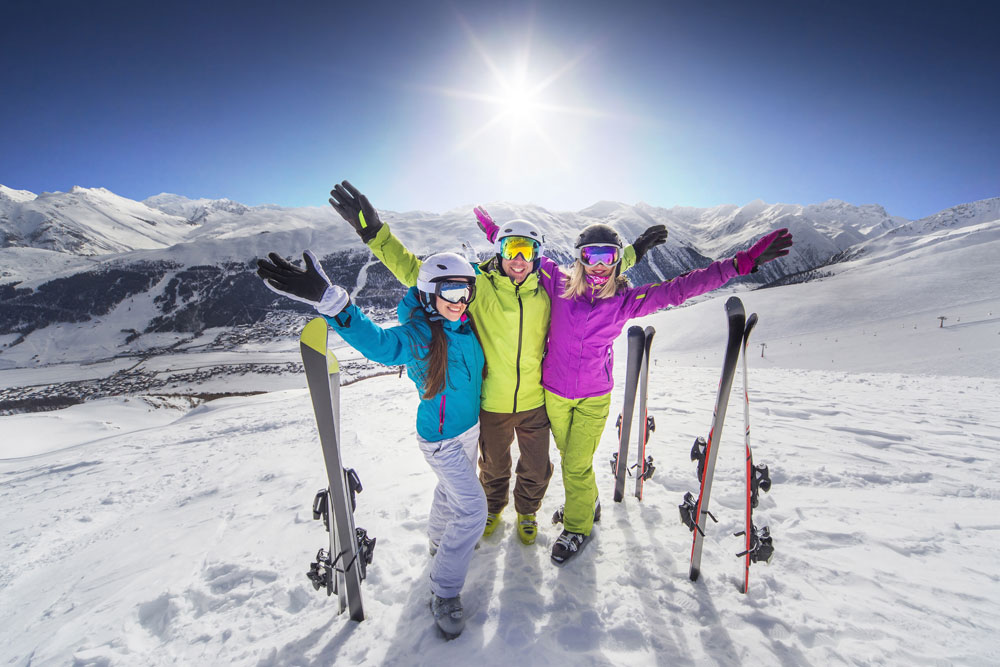
Intermediates (the sweet spot)
Intermediate skiers are basically the VIP guests here. Obertauern provides that dream combo of cruisy blues and reds that link together beautifully, so you can ski all day and feel like you’ve really explored.
The Tauernrunde loop is your new best friend: ski it one way, then later in the week do it the other way and it feels fresh again.
Stay tip:
- For staying location, central is brilliant because you can jump onto either side of the circuit quickly depending on the snow, sun, or crowds.

Advanced skiers & snow-sure seekers
Advanced skiers can have a lot of fun here, especially on fresh snow days when you can hunt steeper pistes and spicy little sections.
The terrain isn’t “endless big-mountain steeps,” but it is great for quick laps and finding challenge if you know where to look.
If you’re thinking off-piste, please do it smart: visibility and wind can change fast in this high, open terrain, so check avalanche info and consider a qualified guide.

Snowboarders
Snowboarders tend to really like Obertauern because it’s laid out in a practical, loop-friendly way and there are loads of chairlifts.
That usually means fewer annoying moments of unstrapping and pushing across flat bits. You can build a lovely rhythm: lap, lap, snack, lap.
Stay tip:
- Staying central keeps things easiest, but if you’ve got a favourite area you like riding, basing near that lift hub can be a great move.

Beginners (with a smart plan)
Beginners can absolutely thrive in Obertauern. There are nursery slopes close to the village, and once you’re comfortable, there are loads of friendly blues that feel like a natural next step rather than a terrifying leap.
Stay tip:
- The biggest tip is simple: stay close to beginner lifts and ski school meeting points so your mornings are calm and easy.
And for lunch? Beginner-friendly mountain spots near the easier slopes are great because you won’t feel like you’re interrupting advanced skiers who are on a mission.

Families
Families get a nice deal here because the resort is compact and convenient – fewer long walks, fewer bus missions, more “everyone’s together and it’s easy.”
The key is choosing a base that’s close to beginner terrain and ski school meeting points, but not right next to the liveliest bars.
Stay tip:
- Look for hotels with pools and wellness areas so you’ve got an easy plan for afternoons or stormy days. It’s a very “low-stress skiing” kind of resort if you set it up right.

Freestyle / Terrain Parks
If you’re into freestyle, Obertauern brings the fun.
There are snow-park options and playful features so you can mix tricks and piste cruising without needing a totally separate day plan.
The big perk is how easy it is to lap: you can do a few runs in the park, then disappear for a scenic cruise, then pop back for “just one more go.”
Stay tip:
- If that’s your vibe, stay near the lift access that serves the park area so your day stays smooth
Looking to stay in Obertauern?
Where is Obertauern?
Obertauern is located in SalzburgerLand, Austria, sitting high on the Radstädter Tauern pass.
It’s not a valley village – it’s right up there on the pass, which is exactly why it’s so snow-reliable and why ski-in/ski-out life is so common. Salzburg is the most popular airport gateway, and people also arrive via nearby rail stations and then transfer by road. The whole setup makes it feel properly alpine without being a nightmare to reach – which is honestly the dream combo.
Looking to stay in Obertauern?
Skiing in Obertauern (ski area, terrain, lifts, snow)
Obertauern is the kind of resort where you can have a genuinely brilliant ski day without ever needing to be a navigation genius.
The ski area wraps around the village like a big snowy hug, and the star feature is the Tauernrunde – a circuit you can ski in either direction, linking run after run without constantly checking maps. The resort has around 100km of pistes and 26 lifts, with loads of chairlifts keeping things moving nicely.
The terrain is very friendly for beginners and intermediates – lots of wide pistes that are perfect for confidence and carving – but there are still steeper bits and faster laps to keep stronger skiers entertained.
Because much of the skiing is above the tree line, you get stunning open views… and also the occasional “wow the wind is having feelings today” moment. If you pack good layers and a low-light goggle lens, you’ll be happy in basically any conditions.


Terrain overview
Obertauern’s skiing is split into sectors that fan out from lift hubs around the village, and the fun is stitching them together into your own “perfect lap” kind of day. You’re never really locked into one side – you can bounce between areas, chase sun, dodge wind, or just follow whatever has the nicest snow under your skis.
Crowds usually build in the most central zones by late morning (especially in peak weeks), so the savvy play is to ski away from the centre early, rack up some quieter runs, then loop back when people are parked up for lunch and the lift queues magically calm down.
If you’re the type who likes a plan: start wide, roam, then finish nearer town for an easy exit and a late-afternoon victory drink.
Stay tip:
Pick accommodation near a lift hub that lets you clip in and join the circuit quickly – that’s the easiest “holiday upgrade” you can buy.
Lifts & getting around the mountain
With 26 lifts and a setup that’s heavy on chairs (plus a cable car and some surface lifts), uplift is generally efficient – you can get loads done without feeling like your holiday is 40% queue, 60% looking at other people’s helmets.
Peak pinch points tend to be mid-morning and just after lunch, when groups regroup, lessons rotate, and everyone suddenly has the exact same idea.
If you want the easy life, go early, take a longer lunch, or shift your day slightly later and enjoy calmer laps while the keen beans are refuelling. Also: if one lift looks chaotic, don’t force it – there’s often an adjacent hub that gets you moving with way less faff.
Stay tip:
Ski-in/ski-out (or close to lifts) isn’t just convenience – it’s queue dodging power.
Snow reliability & season length
Snow reliability is one of Obertauern’s biggest bragging rights, thanks to its altitude band (around 1,630m to 2,313m) and that pass location that tends to catch storms.
Mid-winter is the safest bet for consistent coverage, but it often runs late too – the latest published plan for 2025/26 shows a start from 21 Nov 2025, with the main circuit expected into April and possible partial ops into early May depending on snow.
What that means in real-life terms: you’ve got a strong chance of good skiing when lower resorts are sweating.
Just remember it’s high and exposed, so conditions can flip fast – one hour it’s postcard bluebird, the next it’s “where did the horizon go?” Pack like you respect the mountain and you’ll have a much smoother time.
Stay tip:
For late-season trips, stay close to the lifts that keep spinning longest (check the official operating plan for your week).

There is off-piste potential, and when it’s on, it can be properly good – but this is high, open mountain terrain, so it’s not the place to wing it on vibes alone.
Weather changes quickly, wind can move snow around, and what looks mellow from the lift can be spicy once you’re in it.
If you’re not confident with avalanche assessment and route choice, go with a qualified guide and follow local avalanche bulletins – it’s the smart way to get the good stuff without taking silly risks. Even strong skiers do this here because it turns “hmm, maybe?” into “yep, this is the line” with way less stress.
Stay tip:
Staying near central meeting points makes early starts on powder mornings much easier.
Beginners & improvers
Beginners and improvers are well looked after, with learning zones near the village and plenty of gentle pistes to build confidence on.
It’s a great place to rack up repetition (which is basically the secret sauce of improving), and you can keep things simple without feeling stuck on one tiny slope all week.
The main “heads up” is weather: on windy or flat-light days, the terrain can feel more intimidating than the piste grade suggests, purely because visibility makes everything look steeper and faster.
Take it slow, follow your instructor’s plan, and don’t be shy about repeating an easier run until it feels easy-peasy. Honestly, the people who improve fastest are the ones who happily lap the “boring” run until it’s not boring – it’s just smooth.
Stay tip:
Staying near beginner lifts means you can take breaks easily and keep days fun rather than exhausting.
Freestyle & “more than pistes”
Obertauern has a playful side too: snow-park options and fun features give you something extra beyond cruising pistes all day.
The altitude helps keep features in decent shape across the season, and the lift layout makes it easy to lap, progress, and bail out for a normal run when your legs (or confidence) need a reset.
It’s a nice add-on whether you’re a proper park rat or just someone who fancies a few low-stakes side hits and a bit of “go on then” energy.
Even if freestyle isn’t your thing, those fun zones can break up the day and keep the group happy when people want different flavours of skiing.
Stay tip:
If freestyle is your priority, base near the park-serving lift access so you can sneak sessions in whenever you fancy.
Best Runs in Obertauern (by ability)
For beginners:
For proper first-week confidence, keep it simple around the Kirchbühellift beginner area and the practice slope in Bobby’s Monsterpark – both are designed for low-stress repetition and “one more run” progress.
If you want a step up without the drama, the wide, easy slopes at Schaidberg are a great “I can actually ski now” zone, and the easy blues at Edelweissbahn are another safe bet when you fancy something a bit longer but still friendly.
For intermediates:
Intermediates should make the Tauernrunde their personal mission (green circuit one day, red the next) because it’s the most satisfying way to link the whole mountain into one flowing, no-faff ski day.
For specific “this feels like proper skiing” laps, Seekarspitz (piste 5a, red) is a classic: long, scenic, and nicely rhythm-y when it’s groomed. If you want a cruisy-but-rewarding climb/lap combo, the Panoramapiste (red) up towards the Panoramabahn zone is another great one for steady carving and big views.
For advanced:
If you’re here to earn your après, Gamsleiten 2 is the headline act – steep, mogully, and very much “don’t pretend you’re fresher than you are.” (It’s often referenced as piste 26a on maps.) Another proper test-piece is Schaidberg Nord, which is a brilliant “sharp edges, good legs” kind of run when conditions are on your side.
And if you want long-leg-burn challenges rather than pure steepness, keep an eye out for the “Super Seven” marked runs – they’re about length and stamina as much as gradient.
Off-piste note:
If you’re going off-piste, treat it seriously: check local avalanche info, mind visibility, and consider a qualified guide. Popular freeride zones include Hundskogel and Zehnerkar – but they’re high, open terrain, so conditions can change fast and consequences get real quickly.
Looking to stay in Obertauern?
Looking for accommodation in Obertauern
Obertauern makes accommodation choices feel refreshingly simple – but there’s still a “best move” depending on what kind of trip you want.
The resort is stretched along the pass road, with accommodation clusters around the main lift stations. Because the slopes wrap around the village, you’re rarely far from a lift, and ski-in/ski-out life is more common than not. That’s why Obertauern is so popular for short breaks: you don’t waste your holiday commuting to the mountain – you’re basically already on it.
If you want maximum convenience (ski school, rentals, restaurants, easy meet-ups), staying central is a big win. If you want calmer evenings and better sleep, choose a slightly quieter pocket – you’ll still be close enough to pop into the centre whenever you fancy.
Nightlife lovers should stay close enough to walk home easily. Families should prioritise short walks and beginner slope access, because that’s what turns “holiday” into “actually relaxing.” And budget travellers often do best slightly outside the most in-demand central strip, where prices can soften without ruining your access.
Quick chooser: which area is right for you?
- If you want easy everything – ski school, ski rentals, restaurants, and quick access to both sides of the circuit – stay central.
- If you want true convenience on snow, pick accommodation that’s genuinely lift-adjacent so you can clip in and go.
- If your trip is about après and nightlife, staying central is the move because you can walk home (very important, very underrated).
- If you’re coming as a family, choose a calmer pocket close to beginner slopes and meeting points so mornings are smooth and bedtimes aren’t battling baselines.
- If you’re on a budget, look slightly outside the prime strip and trade a tiny walk for much better value – you’ll still ski the same mountain.
Village Comparison Table
| Area / Base | Altitude | Vibe | Best For | Nightlife | Beginner-Friendly | Access / Getting Around |
|---|---|---|---|---|---|---|
| Central Obertauern (main strip) | 1,740m | Lively, social | First-timers, groups, après lovers | ★★★★★ | ★★★★ | Walkable, multiple lift hubs |
| Quieter edge-of-town clusters | 1,700-1,740m | Calm-ish, practical | Families, light sleepers | ★★ | ★★★★ | Short walks / often ski-in/out |
| Sporty lift-hub base (quick lap access) | 1,740m | More “ski mode” | Strong skiers, fast lappers | ★★★ | ★★★ | Very direct lift access |
(Star ratings are “relative vibe” rather than gospel)
Best Area for First-Timers
For first-timers, central is just… easier.
You’re right by ski schools, ski rental shops, restaurants, and a bunch of lift options, so you can keep your first couple of days simple, familiar, and low-stress.
That “I know where I’m going” feeling is genuinely priceless when you’re learning the resort and still figuring out the whole boots–skis–poles–where’s my helmet routine. It also makes group coordination way smoother – fewer “where are you?” messages, more “meet you in five, I’m outside the rental shop.”
And when you’re tired (which you will be), being able to wobble back to your base quickly without a trek is a quiet little luxury that makes the whole week feel easier.
Central also means you can change plans on the fly: tired? Pop back. Hungry? Grab something. Want a confidence-boosting lap on a familiar slope? Easy.
Stay tip:
If you love convenience and hate hassle, central Obertauern is absolutely your happy place.
Best Area for Ski-in Ski-out
Much of Obertauern’s accommodation is ski-in / ski-out – not the cheeky marketing kind where you “ski in” after a 10-minute uphill stomp and a small existential crisis.
The best bases sit right by major lift hubs, so you can step out, clip in, and start your day immediately. That’s gold for families and mixed-ability groups because you can pop back easily, take breaks without drama, and maximise actual slope time (instead of faffing around in boots, carrying skis, or negotiating who’s “definitely not walking that far”).
It also makes mornings feel calmer: no rushed marches, no missed lessons, no grumpy faces before coffee. And if the weather turns or someone bonks early, you’ve got an easy reset button – back to the hotel, warm up, regroup, go again.
Stay tip:
If ski access is your number one priority, book accommodation that clearly states direct piste access and check the nearby lift name so you know what you’re getting, because “near the ski lift” can mean anything from “next door” to “pack snacks for the journey.”
Best Area for Nightlife
If nightlife is your thing, stay central – no question.
Obertauern’s après scene is properly lively, and you’ll want to be close enough that getting home is easy (and safe) when the terrace turns into a dance floor and someone starts insisting they’re fine to walk in ski boots.
The best nights are the spontaneous ones – the “we’ll just have one drink” nights – and staying central means you can lean into that without thinking about taxis, icy roads, or a long stomp back in the cold.
It also keeps your options open: you can start early for a sunny terrace session, disappear for dinner, then reappear if the mood is right. Basically, you’re not committing to chaos – you’re just making it available.
Stay tip:
If you’re a light sleeper, choose a central hotel that isn’t directly beside the loudest venues. You want the fun on your terms, not through your bedroom wall at 1am.
Best Area for Families
Families tend to love a calmer pocket near beginner slopes and ski school meeting points, because the goal is always the same: less walking, less stress, more “we’re having a lovely time.”
Being close to ski lessons is a game-changer in the morning – fewer boot battles, fewer “I’m tired” complaints before you’ve even started, and a much easier handover at ski school without sprinting across town.
The sweet spot is somewhere that feels practical rather than party-central: easy to get onto gentle pistes, easy to meet instructors, and easy to retreat when someone needs a snack immediately or the vibes suddenly change.
Stay tip:
Look for accommodation with family-friendly facilities like pools, play areas, or wellness spaces, because that’s a lifesaver for post-ski energy dumps, stormy afternoons, or the day someone inevitably needs a break.
The good news is Obertauern’s compact layout makes this all very doable – you can still get to the centre quickly for a wander or a meal, you’re just not living inside the loudest bit of town.
Best Area for Budget Travellers
Budget travellers should look just outside the most central strip where prices can be a bit kinder and you’re not paying a premium just for being right there.
The trade-off is usually a short walk, a shuttle hop, or slightly less “perfect” doorstep skiing – but you still get the same snow-sure resort and the same lift network once you’re clipped in.
Honestly, in Obertauern that trade often feels worth it, because “a little out” rarely means inconvenient in a truly painful way.
Half-board deals (very common in Austria) can be a sneaky money-saver because it keeps costs predictable and stops you haemorrhaging cash on dinners when you’re tired, hungry, and suddenly ordering everything on the menu.
Stay tip:
Being a bit more strategic helps – aim to stay near a lift hub so you’re not burning time (or taxi money) getting started each day, and check whether your base is on a flat-ish walk versus an uphill slog in boots.
With smart booking, Obertauern can be surprisingly good value for a high-altitude resort – especially if you prioritise “good access and comfort” over “most central postcode.”
Our Top Hotels

★★★★
- Village central
- Lifts - doorstep skiing
- Wellness area: indoor pool + large spa
The big win here is the recovery setup. Having a proper pool and a sizeable spa changes the whole feel of the week: you can do a couple of runs, pop back for a warm-up, or turn the end of the day into a calm reset instead of a crash.
It’s also a solid pick for mixed groups because it keeps everyone happy – learners, cruisers, and the ‘I’m just here for the wellness’ contingent.
Why choose it? Maximum ease for beginners, maximum comfort for everyone.

★★★★
- Village Obertauern
- Lifts - doorstep skiing
- Wellness area: large spa + indoor pool + outdoor whirlpool
Doorstep skiing keeps the days slick, and the wellness setup turns post-ski into an actual experience.
The spa details are the flex: a big wellness area, an indoor pool, a salt cave, and an open-air whirlpool so you can do the classic ‘steam rising in the snow’ scene like you’re in an alpine advert.
The hotel-and-chalet setup also makes it great for groups who want luxury but don’t want to feel crowded.
Why choose it? Proper luxury wellness, plus Obertauern convenience – it’s the best of both.

★★★★
- Village 150 m (from the centre)
- Lifts - slopes just across the road
- Wellness area: rooftop pool + adults-only spa
Steiner works as an all-rounder because it nails the real-world stuff: it’s near the centre, close to slopes, close to ski school, and it keeps both ‘ski hard’ and ‘relax hard’ people happy.
Then everyone meets back at the hotel and the spa does its thing – rooftop infinity pool, saunas, steam, the lot.
If you want a week that feels smooth, comfortable, and genuinely enjoyable off the snow as well as on it, Steiner delivers.
Why choose it? One of the best “everyone wins” bases in Obertauern.

★★★★
- Village central
- Lifts - direct ski access
- Wellness area: large spa with pool
The Obertauern Places Hotel is a great shout if you want everything under one roof.
Direct ski access helps keep your on-snow time simple, and the big spa with pool is perfect for the ‘lesson legs are jelly’ phase.
It’s also a proper mood-lifter of a hotel. There’s a social buzz, extra entertainment, and even a cinema, which is ideal for families and groups where not everyone wants an early night just because someone had a big day.
Why choose it? Beginner-friendly logistics, plus loads to do when you’re done skiing.
Tour Operators who go here
Looking to stay in Obertauern?
Après ski, restaurants & winter activities
Obertauern is a ski resort that knows exactly what it is: a snow-sure, high-altitude ski playground with a big personality once the lifts close.
The village itself is more functional than fairy-tale, but the trade-off is you get maximum convenience – everything you need is close, and most places are walkable.
Food is a cosy highlight: mountain lunches are all about hearty Austrian comfort (the kind that tastes even better when you’ve been skiing in the cold), and evenings range from casual and cosy to lively and late, depending on where you land.
Après is one of the big reasons people come here. It can be full-on – music, dancing, terraces, big group energy – but you can also enjoy it at your own pace. Some people go for one sunny drink and call it a day; others treat it like an event. Either way, it’s social, upbeat, and very “holiday mode.”
Non-ski activities are more “relax and reset” than “theme park,” which honestly suits a ski week perfectly. Think wellness time, winter walks, cafés, and a little shopping. Getting home is usually easy because the resort is compact – the main thing is choosing your accommodation wisely if you want peace at night.

Après in Obertauern starts early and can go late, and the vibe genuinely swings from “civilised terrace drink” to “why am I dancing in ski boots?” depending on where you land. If you want the headline acts, Lürzer Alm is the big name – the kind of place where you can start with a sunny umbrella-bar beer and somehow end up deep in party mode later.
On the main strip and around the central hubs you’ve also got plenty of classic options like Edelweissalm, Flubachalm, Dikt’n Alm, and Gruber Schirm – all very “one more song” energy, with the bonus that you’re never far from your bed if you’ve based yourself centrally. And if you want something a bit more “grown-up lounge” (read: you can hear yourself speak), places like George (Bar & Lounge) are the vibe – still fun, just less table-dancing-at-4pm.
The good news is you don’t have to party hard. You can absolutely do Obertauern as a chilled ski week with nice dinners, an early night, and maybe one well-timed cocktail – you just pick accommodation slightly away from the loudest spots. The best advice is still the same: decide what you want evenings to look like, then pick your base accordingly. Central for convenience and “accidental big nights”; a little out for peaceful sleep and selective chaos.
Mountain‑top Moments
Mountain food here is exactly what you want after a few chairlifts: warming, hearty, and unapologetically satisfying.
You’re in prime territory for goulash soup, Wiener schnitzel, Käsespätzle (cheesy noodle heaven), and Tyrolean Gröstel (basically potatoes and happiness). And yes, dessert is non-negotiable: Kaiserschmarrn, Germknödel, and Apfelstrudel are the kind of “I’ll just have a bite” lies you tell yourself.
If you want a very specific, very Obertauern lunch-stop moment, Treff 2000 is one to know – it’s known for a slightly “bigger menu” feel, including things like spare ribs, beef fillet, and even Alm fondue when you fancy turning lunch into a full event.
And honestly: the must-do experience is still a proper sun-terrace lunch on a bluebird day. Take your time, order something ridiculous, soak up the views, and accept that this is peak ski-holiday happiness.
If you’re skiing the Tauernrunde, plan a “big lunch stop” into the circuit so it becomes part of the day’s story, not just a refuel.

In the village, you’ll find a mix of hotel restaurants and casual spots – and this is where you can steer your week depending on your mood (and your bank balance).
For a proper Austrian “wirtshaus” vibe – cosy, welcoming, no nonsense – Restaurant Freiwild is a cracking shout, and it’s not just vibe, it’s menu confidence too: think beef tartare, Kaspressknödelsuppe (cheese dumpling soup), Wiener schnitzel (veal), venison goulash with spätzle, and if you fancy something a bit extra, even a Wagyu burger.
Save space for dessert because they’re not messing about – Kaiserschmarrn, apple strudel, and homemade sweet bits that suddenly make you believe in joy again.
You’ve also got places like Wismeyerhaus / Das Wismeyer, which is right in the mix and easy to roll into without turning dinner into a mission. It’s also a nice “everyone’s happy” option because they do proper Italian-style pizza (great for mixed groups and fussy eaters), plus cheese or meat fondue evenings in their pavilion when you want something a bit more of an occasion.
And the “quiet luxury” move in Obertauern is still booking a hotel with a strong dining room and treating a couple of nights like your built-in restaurant plan – especially if you’re on half-board and want the easy life.
Whatever you do: don’t skip the Alpine treats. Austria is elite at desserts, and you will regret not making room at least once.
If you need a rest day (or the weather is doing something dramatic), Obertauern is surprisingly good at keeping you entertained without skis on. The official menu of winter activities includes cross-country skiing (there are around 70km of prepared trails), tobogganing including an illuminated night toboggan run, plus more niche options like ski biking, snow kiting, and snow biking if you fancy trying something different.
If your legs are toast but you still want to feel virtuous, there’s Mountain Yoga at the Haus des Gastes (yep, actual organised sessions – a very wholesome way to undo après decisions). For something properly “winter postcard,” you can also do a horse-drawn carriage ride through the snowy landscape. And if you want a fun challenge that feels oddly addictive, there’s biathlon for everyone – cross-country skiing plus target shooting, which is way harder than it looks when you’re out of breath.
Then there’s the obvious classic: wellness time. A good spa/sauna session is basically performance recovery for holiday legs, and it turns a stormy afternoon into “actually, this is great.” Add a slow café stop, a short winter walk, and you’ve got a rest day that still feels like a proper holiday.
Also yes: après counts as an activity if you do it enthusiastically.

Getting home safely & easily
Most people walk home because everything’s close – especially if you’re central – and that’s part of what makes Obertauern such an easy resort to “live in” for a week.
If you’re based a little further out, taxis are your friend later in the evening (especially when it’s icy and you’re in that optimistic post-après confidence zone).
The main practical tip is footwear: snowy streets can be slippy, and ski boots are not exactly designed for elegance.
Plan like a sensible person, keep your phone charged, and you’ll have a smoother night – whether you’re heading home at 6pm or… considerably later.

Ski schools & learning zones
Obertauern is a great place to learn because everything is close and the terrain progression is friendly. Meeting points are convenient, beginner zones are near the village, and improvers have loads of gentle pistes to practise on.
Because it’s high-alpine, conditions can be properly wintry – which is great for snow, but it also means good coaching really helps on stormy or flat-light days.
If you’re keen to improve quickly, a private lesson early in the week can be a total game-changer: you get targeted tips, better technique, and way more confidence for the rest of the trip.
For stronger skiers, guiding becomes relevant on fresh snow days. It’s not just about finding good lines – it’s about doing it safely, especially when visibility or wind makes the mountain feel bigger and more serious.

If you’re starting from scratch (or you’ve got that “I can snowplough but only emotionally” energy), Obertauern makes it easy to keep things calm.
There are proper beginner zones with wide, manageable slopes and practice lifts close to the village, so your first turns happen somewhere forgiving – not on a terrifying cat-track with an audience.
There are multiple easy practice options and beginner-friendly runs, which matches the on-the-ground feel: you’re rarely far from a gentle way down.
A nice little “comfort feature” here is that you’ll find magic carpets in the learning areas (including a heated one listed on OpenSkiMap), which makes repeating the basics way less faffy than wrestling a drag lift on day one.
If you’re booking lessons, many schools run their own designated beginner areas/meeting points (CSA, for example, references multiple practice areas around the resort), so the trick is: pick your school first, then line up where you’ll actually be learning – it’ll make your whole week smoother.
The vibe is very “learn properly, quickly” – lots of beginner-friendly terrain, practice areas, and progression slopes that let you level up without feeling like you’re constantly in the way. For kids, the dedicated children’s areas and “learning worlds” are a big deal here, and they’re set up to keep things fun while the instructors quietly do the serious work.
Here’s the simple win in Obertauern: stay close to your ski school meeting place, not just “close to a lift.” Because the resort is spread along the pass road, two hotels can both claim ski-in/ski-out vibes… but still be awkwardly far from your morning rendezvous in ski boots.
Some schools are very explicitly central (TOP, for example, highlights its in-town location and easy access to slopes/meeting points), which is great if you want the classic “roll out, clip in, go” routine.
If you’re travelling with beginners or small kids, it can be even more worth biasing your accommodation toward the practice areas – there are properties that shout about having a beginner practice lift right next door.
My rule of thumb: if lessons start at 9:30-ish, you want a five-minute shuffle, not a 20-minute trudge plus mild family negotiations. In Obertauern you can genuinely engineer that – and it pays you back every single morning.
Getting to lessons in Obertauern is mostly about not overthinking it – the village is built for skiers, and meeting points are designed to be reachable on foot or on skis depending on where you’re staying.
If you’re central, you’ll often just walk to the meeting area (or slide gently down to it), and if you’re further along the road, you’ve got a handy safety net: the free Village Shuttle ski bus during the main season, running during ski operating hours and circulating within Obertauern (not down into the valley villages).
That shuttle is perfect for lesson logistics: one adult can shepherd kids and kit without turning it into a morning march, and if someone’s late (it happens), you’ve got a plan B that isn’t “sprint in ski boots.”
Just keep an eye on the timetable windows (main season vs off-season dates) and aim to arrive 10–15 minutes early on day one so you can find the right flag/meeting sign without the panic jog.
Looking to stay in Obertauern?

Lift passes, costs & budgeting
Lift passes in Obertauern are refreshingly simple. You can buy short two- or three-hour tickets, morning and afternoon options, a standard day pass, or multi-day passes for longer holidays.
One particularly useful perk kicks in from 1.5 days: your Obertauern pass is also valid at Grosseck–Speiereck, around 15km away in Mauterndorf/St Michael. You certainly don’t need to leave Obertauern to fill a ski week, but it gives you an easy change of scenery if you fancy one. Passes of up to one day remain Obertauern-only.
Obertauern has two main price seasons for 2026/27. Season A, covering Christmas/New Year and most of late January to early April, carries the higher multi-day rates. Season B covers the beginning and end of winter plus a quieter January window, with noticeably cheaper week passes.
Which ski pass should you buy in Obertauern?
Think of it like this: short day, buy short. Full week, buy once and forget about it.
Option A - Short tickets (2 hours / 3 hours / morning / afternoon)
What it is: Two-hour and three-hour passes, plus tickets valid until 13:00 or starting from 11:00 or 12:00.
Best for: Arrival days, departure days, lazy mornings or anyone who knows they won’t be skiing from first lift until last.
Why you’ll like it: You’re paying for the skiing you’ll actually use.
Plain English: This is the “a few good runs are quite enough today” ticket.
Option B - 1-day pass
What it is: A straightforward full-day ticket covering the whole Obertauern ski area.
Best for: Weekend breaks, one-off ski days or anyone who simply wants to clip in and go without watching the clock.
Why it works: You can tackle the Tauernrunde, stop for a proper mountain lunch and still have plenty of time for another lap afterwards.
Passes up to and including one day are valid in Obertauern only, with more than 100km of pistes to explore.
Plain English: This is the “today is a proper ski day” ticket.
Option C - Multi-day pass (1.5 days and up)
What it is: The standard choice for a multi-day Obertauern holiday, with the bonus that passes from 1.5 days upwards also cover Grosseck–Speiereck.
Best for: Three-to-seven-day ski trips and anyone who wants to buy the pass once and stop thinking about lift tickets.
Why you’ll like it: Obertauern itself gives you plenty of skiing, while Grosseck–Speiereck provides an easy alternative if you fancy exploring somewhere different. Multi-day Obertauern passes from 1.5 days are also valid for Obertauern’s night skiing.
Plain English: This is the “we’re here for the week – just let us ski” pass.
Obertauern lift pass prices 2026/27
Here are the published headline prices for Obertauern Winter 2026/27 (prices shown in EUR):
| Obertauern Lift Pass | Adult | Child | Youth | Reduced/Senior |
|---|---|---|---|---|
| Half day (Until 1 p.m.) | €57.00 | €29.00 | €43.00 | €54.00 |
| 1 day | €72.00 | €36.00 | €54.00 | €68.00 |
| 6 days | €368.00 | €184.00 | €276.00 | €350.00 |
| 7 days | €413.00 | €207.00 | €310.00 | €392.00 |
There’s also a 5-in-7 flexible pass. If you know you’ll want a non-ski day, that’s worth comparing with a consecutive seven-day ticket before automatically buying the longest pass.
Ski Demon tip: Don’t feel obliged to drive over to Grosseck–Speiereck just because your pass includes it. Obertauern has plenty for a week. Treat the second ski area as a nice bonus, not holiday homework.
Deposits, insurance, and when to buy
Here’s how to do Obertauern like someone who hates queues and hates wasting money:
KeyCard: Obertauern uses reusable KeyCards with a €2 refundable deposit. Tickets issued by the automated machines use disposable Keytix cards, so there’s no deposit to reclaim.
Insurance and refunds: Don’t treat the ski pass as insurance. Accident refunds on eligible passes require medical evidence from a local doctor; short and one-day tickets that have already been used aren’t refundable. Illness, bad weather, early departure and individual lift closures don’t normally qualify. Proper winter sports insurance is therefore still the sensible option.
When to buy: Obertauern’s online shop is mainly about convenience rather than an advertised early-booking discount. If you already have a compatible KeyCard, you can reload it online and go straight to the lift.
Otherwise, buy online and collect your pass using the QR code at a ticket machine or cash desk.
And if you’re arriving at lunchtime, use one of the short tickets.
Looking to stay in Obertauern?
Common Obertauern Ski Holiday Mistakes
Obertauern is brilliantly straightforward, but a few common mistakes can leave you missing out on some of the resort’s best skiing or paying more than you need to.
Expecting a storybook village (instead of a ski machine)
Obertauern isn’t trying to win “cutest village” awards – it’s trying to get you skiing quickly and keep you in snow.
If you arrive expecting cobbled lanes and chocolate-box charm, you might be confused for five minutes. Then you’ll realise how convenient it is and you’ll stop caring.
Plan your trip around ski access and comfort rather than postcard aesthetics, and you’ll love it.
Staying right next to the party… then complaining about the party
This is an après resort. If you stay central beside the loudest venues, you’re basically booking front-row seats to nightlife.
Decide what you want: party convenience or peaceful sleep.
The good news is you can stay slightly out and still walk into the action easily – so you can have fun and sleep.
Only skiing one side of the Tauernrunde
The Tauernrunde loop is the whole joy of Obertauern. If you just lap your nearest lift all week, you’ll miss what makes the resort feel varied.
Do the loop in one direction one day, then reverse it later – it genuinely changes the experience and helps you dodge crowds naturally.
Underpacking for high-alpine weather
High, open terrain means wind and flat light can happen. If you show up with one goggle lens and flimsy gloves, you’ll suffer unnecessarily.
Bring layers, bring a low-light goggle lens, and you’ll enjoy the “storm days” instead of fighting them. Obertauern’s snow reliability is worth a bit of proper kit.
Leaving passes and lessons until you arrive
Peak weeks can be busy. If you want specific lesson times or private coaching, book ahead. And if you can buy or reload your pass online, do it – you can reload most passes onto an existing KeyCard and go straight to the lift. Day one should be skiing, not queuing.
Getting to Obertauern
Getting to Obertauern is straightforward, with Salzburg the most convenient airport and good transfer options into resort. Whether you’re flying, driving or combining train and bus, here’s everything you need to know before you travel.
1) Fly + road transfer
(the “land, grab skis, go” option - and the most common)
Most people fly into Salzburg (SZG) and do the last leg by road on a pre-booked shared coach or private transfer. In normal conditions, it’s refreshingly painless.
As a sensible guide (because snowfall + Saturday traffic can turn “easy” into “why are we still on this motorway?”):
- Salzburg → Obertauern: roughly 1 hour (give or take).
- Munich → Obertauern: roughly 2h 45mins – 3h by road.
- Klagenfurt is also an airport option, but it’s typically longer than Salzburg – check your transfer quote and pick based on flight deals.
A handy semi-public option: on Saturdays, Obertauern currently runs a “Fly & Shuttle” flow – bus line 270 connects Salzburg Airport / Salzburg Hbf to Eben, then a shuttle finishes the climb to Obertauern. Once you arrive, the centre is very walkable, and in main season the free Village Shuttle loops around during lift operating hours.
2) Train to Radstadt + bus/taxi up
(the “car-free but still doable with skis” choice)
The nearest proper train station is Radstadt (about 20km from Obertauern).
From there, you’ve got two realistic options: Postbus up to the pass or a quick taxi hop if you want the simplest last leg.
Typical timings look like this:
- Salzburg Hbf → Radstadt (train): roughly 1h 10 mins – 1h 30 mins depending on service.
- Radstadt → Obertauern (bus): roughly 30 minutes, usually direct.
Real-world tip: if you’re arriving by bus with luggage, book somewhere where the “final 200 metres” isn’t an icy uphill death march. Obertauern’s centre is compact, and the free Village Shuttle in main season is your friend for the longer schleps.
3) Driving to Obertauern
(flexible, but mind the parking rules)
For an Alpine pass resort, Obertauern is pretty straightforward: from the north it’s A10 Tauern motorway to the Radstadt exit (63), then up the B99 to Obertauern.
From the south you come off at St. Michael (exit 104) and run through Mauterndorf.
Time-wise:
- Salzburg → Obertauern: roughly 1 hour in normal conditions.
- Munich → Obertauern: roughly 2h 45 mins – 3h if roads behave.
The big “don’t mess this up” detail is parking. The resort lists multiple free lift car parks, but they’re for lift users and you can’t park overnight (22:00–07:00). If your hotel parking isn’t right next door, plan on using the Village Shuttle during ski hours, then once you’re central, you can pretty much walk everywhere.
Getting around once you’re there (easy… with one tiny “ski boots” reality check)
Walking (your default setting - if you’re central)
Obertauern is basically one long ski village strung along the pass road, so yes, it’s walkable… but “walkable” in ski boots is a different sport. If you’re staying in the middle of town, you’ll get to lifts, ski hire, supermarkets and dinner in minutes, and it all feels nicely self-contained.
Free Village Shuttle (your secret weapon for tired legs and tired kids)
If you’re further along the strip - or you’re hauling gear / shepherding a small human who’s announced they’re “DONE” - the free Village Shuttle is the move. It runs during ski operating hours in the main season, linking the key stops around town so you’re not doing a 20-minute boot stomp when you could be doing literally anything else.
Public bus + taxis (for going beyond town or getting home after dinner)
For trips outside Obertauern, bus line 280 is your public option down towards places like Radstadt and other nearby spots. Late night is more “small resort practical” than “big city abundant”: taxis exist, but there aren’t endless numbers, so if you’ll want one after dinner (especially on busy Saturdays), book ahead and you’ll feel wildly organised.
Ready to make your piste dreams a reality?
Whether you’re scouting dreamy hotels, comparing the best tour operators or looking for fresh ski inspiration, we’re here to help you turn ideas into an actual holiday.
Take the next step by browsing hotels in this resort, choosing a trusted ski tour operator or signing up to our newsletter for destination ideas, practical advice and the latest tips delivered straight to your inbox. From finding the right place to stay to choosing the best way to book, we’ve got plenty to help you plan with confidence. Pick your next move and let the adventure begin.
Looking for more inspiration?
Sign up to our free newsletter

Ready to book your stay?
Take a look at our hotel guide and see what suits your requirements and budget
Tour operators
For more from our tour operators click the logos above
Obertauern FAQs
Whether you’re visiting Obertauern for the first time or heading back for another trip, these FAQs should help answer the most common questions before you book and before you travel.
Is Obertauern snow-sure?
Pretty snow-sure, yes – by Austrian standards it’s one of the safer bets. The ski area sits high (roughly 1,630–2,313m) which helps a lot, and it’s in a high-alpine bowl/pass setting that tends to do well when storms roll through.
But here’s the real talk: “snow-sure” doesn’t mean “weather-proof.” Obertauern is above the tree line in lots of places, so wind and visibility can make things feel spicy even when the snow’s great. Pack proper layers, a neck tube/buff, and definitely bring a low-light goggle lens (or at least a yellow/rose lens) so you’re not squinting your way down in flat light.
If you want the best odds for both coverage and nice skiing conditions, January to March is the sweet spot – but honestly, it’s a strong shout across the season because it can open early and often runs late too.
How big is Obertauern?
The ski region is about 100km of pistes with 26 lifts, so it lands in that comfy “mid-sized” bracket.
In real life, it often feels bigger than the number suggests because of the way it’s laid out: you’ve got the Tauernrunde circuit concept, and you can join the loop from loads of points, so you’re rarely doing annoying out-and-back commutes. That makes it brilliant for clocking proper ski mileage without the mega-resort headache of buses, multiple valleys, and “wait… are we on the right side of the mountain?” moments.
If you’re used to giant linked areas, Obertauern won’t feel endless – but it will feel satisfying, especially if you like lap-friendly skiing and varied days without loads of planning.
Is Obertauern good for beginners?
Yep – it’s a solid beginner resort, mainly because it’s easy to operate day-to-day. There are learning zones and gentle pistes close to the village, so you can build confidence without feeling like you’re miles from civilisation.
The best beginner hack is accommodation choice: stay near beginner lifts / ski school meeting points so mornings don’t start with a stressful trek in boots. And when you’re learning, repetition is your superpower – pick one friendly run, lap it until it feels easy, then level up.
One important caveat: because it’s high and open, windy or snowy days can feel more intense than the piste grading suggests (visibility does weird things to confidence). On those days, book lessons, stick to mellow terrain, and don’t be shy about taking breaks – you’ll progress faster when you’re not stressed.
Is it good for snowboarders?
Very board-friendly overall. The lift mix leans heavily toward chairs, and the layout usually avoids those long, miserable flat traverses that ruin a boarder’s day (and your dignity).
It’s also a great resort for “smooth lap” skiing/riding – you can rack up quick repeats without loads of stopping and starting. The main hack (especially in mixed groups) is agreeing easy meet-up points so you’re not forced into awkward stop-start routes just to regroup.
If it’s warm and slushy later in the day, boarders should do the same thing as everyone: ski earlier, take a longer lunch, then come back when the snow firms up or the crowds thin – it makes the whole place feel more effortless.
What’s the après like?
Lively and well-known – Obertauern does that classic Austrian après thing where terrace drinks can turn into dancing in ski boots faster than you planned. The vibe ranges from chilled sun terrace to full party mode depending on where you go, and the busier, louder stuff tends to cluster around the central strip.
The nice part is you can choose your own adventure. If nightlife is your priority, go central so you can wander home safely and easily. If you want quiet sleep but still fancy dipping in for a drink, stay slightly out and treat après like a “controlled exposure” activity: one or two stops, then disappear into peaceful hotel silence.
Either way, pack sensible footwear for walking home – slippy streets + après confidence is… a risky combo.
Do I need a car?
Not really. Obertauern is compact and walkable, and most people manage totally fine without driving anywhere – especially if you’re staying central.
A car is only really “nice to have” if you’re planning side trips or you like having the option to explore beyond resort. One practical reason: from 1.5 days onwards, the official ski pass validity can include Grosseck–Speiereck (about 15 km away, in Mauterndorf), which is a handy change-of-scene option – but it’s a bonus, not a requirement.
If your holiday goal is “ski, eat well, repeat,” you won’t miss a car.
Which pass is best for a 6–7 day trip?
Usually the 6- or 7-day pass – simple, best flow, and you don’t waste brainpower every morning. Official Season A examples for 2026/27 list €368 (6 days) and €413 (7 days) for adults, with child/youth/reduced rates alongside.
Choosing between 6 and 7 is basically about your travel day and your energy levels. If you’ve got a full week and you know you’ll ski most days, 7 is the classic “no regrets” option. If your arrival/departure days are awkward, 6 can be plenty – especially if you’re likely to take one slower day for spa time, weather, or just because your legs are negotiating a ceasefire.
Can I refund or transfer my pass?
Generally, no – ski passes are usually non-transferable, and refund rules are strict (pretty standard across the Alps). Obertauern’s fare conditions also spell out that exchanges/transfers/extensions/postponements aren’t possible once used.
There’s also the KeyCard side of things: a refundable KeyCard deposit is charged (the official conditions list €2), and you get that back if you return the card undamaged.
If you’re worried about illness or injury, the best “refund plan” isn’t hoping the lift company will be flexible – it’s making sure your winter sports insurance is solid and covers the stuff that actually happens (injury, medical costs, rescue, and potentially unused pass days depending on the policy).
Can I buy passes online?
Yes – and if you hate queues, you absolutely should. Most ski passes (except the Obertauern Winter Card) can be reloaded onto an existing KeyCard: enter the KeyCard number online, then go straight to the lift reader and it activates there.
This is one of those small logistics wins that makes day one feel instantly smoother – no ticket-office faff, no “we’ll just quickly grab passes” delay, no standing around in boots while everyone gets hangry.
Pro tip: if you’ve got a KeyCard from a previous trip, keep it somewhere safe (not “in that drawer of mystery”) so you can reuse it next time.
When does the season run?
Exact dates vary year to year, but the published operating info for 2026/27 shows operation starting 20th November 2026, until the 2nd May 2027 (all subject to snow conditions).
Obertauern often gives you a long season window, but don’t book purely on “late season = always perfect.” Spring can be amazing (soft snow, longer days, terrace lunches)… or it can be variable. If you’re going late, aim for earlier starts and follow the daily lift/piste updates so you’re always skiing the best bits at the best time.