


Sauze d’Oulx is what happens when a proper ski resort loosens its collar a bit - a lively, easy-going mountain with enough serious skiing to keep keen skiers happy, and enough bars and buzz to make “early night” feel wildly optimistic.
This guide was written by Michelle Wheeler
Sauze d’Oulx ski resort at a glance
Sauze d’Oulx sits in Italy’s Piemonte (Piedmont), on the edge of the Milky Way (Via Lattea) mega-area – so you get a proper, lived-in ski town vibe and the option to roam a huge lift-linked network when conditions play nice.
The village is around 1,509m, with skiing rising to roughly 2,800m across the wider domain, so the season typically runs early December into April.
There are 400km of pistes and 70 lifts across Via Lattea, while Sauze itself has a smaller local lift set (great for “home mountain” laps).
For travel, it’s one of the more painless Italian options: Turin is the closest airport and is around 1 hour away, and the rail gateway Oulx is very close too (handy if you’re doing a train-first trip).

Altitude
1,509 m - 2,823 m
Pistes
400 km
Ski Season 26/27
5 Dec - 11 Apr
Transfer Time
60 mins
Number of pistes by difficulty
Resort Guide Quick Facts
(the stuff you actually care about)
Best for:
Intermediates who want lots of red/blue cruising and the option to explore, plus anyone who likes a resort that still knows how to do a night out (without feeling like a purpose-built dormitory). Snowboarders can absolutely have a good week here – just know you may run into a few older drag lifts and some linking faff.
Ski area size:
The wider Via Lattea is published at 400km with around 70 lifts, covering famous Italian bases like Sestriere, Sauze d’Oulx, Sansicario, Cesana, Claviere and Pragelato, plus the French side at Montgenèvre.
Altitude:
The village height is about 1,509m. The ski area spans roughly 1,350m–2,800m across the broader domain, which helps keep options open when lower slopes get springy.
Villages / bases (each has a different vibe):
Sauze is the “fun balcony town” – a proper mountain village with lanes, cafés and a social scene. If you want quieter family energy, some of the neighbouring bases feel more residential and low-key.
Beginner friendliness:
There are learning areas (notably around the Sportinia plateau above town), but total first-timers can find the early stages a bit “busy and exposed” compared with purpose-built nursery resorts – it’s very doable, just worth picking the right base location and lesson plan.
Ski season (published dates):
Sauze d’Oulx and the wider Via Lattea ski area are scheduled to run from 5th December 2026 to 11tt April 2027. That gives you a solid early-December-to-mid-April window, although available lifts and pistes will always depend on snow and safety conditions. Check the official Via Lattea 2026/27 season announcement before booking right at either end.
You’ll love Sauze d’Oulx for…
Extensive area
Apres-ski
Intermediates
| Our rating | |
|---|---|
| ★★ | Beginner |
| ★★★★★ | Intermediate |
| ★★★ | Advanced |
| ★★★ | Off-Piste |
| ★★★ | Snowboarding |
| ★★★ | Snow Reliability |
| ★★★★★ | Extent |
| ★★★★ | Apres-Ski |
| ★★★ | Mountain Restaurants |
| ★★★ | Scenery |
| ★★★ | Village Charm |
| ★★ | Non-Skiers |
Best for snow: Late Jan to early March
Late Jan to early March usually gives the best mix of coverage and good temps, especially when you roam higher sectors.
Best for value: Early December and March
Early December and March often mean cheaper lodging and lighter lift queues - great if you’re flexible.
Best for families: January (after New Year)
January (after New Year) is calmer, with more predictable routines and fewer “peak-weekend” crowds.
Avoid if possible: Christmas/New Year and UK half-term weeks
Christmas/New Year and UK half-term weeks if you hate queues and want cheaper rooms.
Tour Operators who go here






Looking to stay in Sauze d’Oulx?
What’s Sauze d’Oulx like?
Sauze d’Oulx has that classic “real town on a slope” feel – streets, little squares, normal-life shops – with ski holiday energy layered on top.
It’s also famously been a Brit favourite for decades, which means: English is easy, the social scene is well-practised, and you’ll never be the only one asking where the nearest pizza is.
On the mountain, the local terrain is attractively wooded and often feels scenic and sheltered, with quick access to bigger bowls and linking routes when you want to expand your day.
The bigger Milky Way footprint is the ace card: if you’re up for exploring, you can rack up ridiculous mileage – just remember that big networks reward early starts and mild organisational skills.
Town layout
Sauze is compact enough that “close to the action” is genuinely a thing.
The village spreads around a central core, with accommodation radiating out along the hillside roads – which matters, because walking uphill in ski boots is character-building.
If you’re planning ski school or you want easy mornings, prioritise staying with straightforward access to the main lift base you’ll use most. If you’re here for the nightlife, you’ll want to be near the centre.
Overall vibe
This is a resort that used to be known for full-send hedonism and has since mellowed… but it hasn’t exactly taken up knitting.
You still get a lively, social crowd, but it feels less chaotic than the stories people tell about the 80s/90s.
Sauze tends to suit groups, couples, and “young-at-heart” skiers who want a proper après scene – while still being great value compared with a lot of the Alps.
Après-ski
Après here is more “bars in town” than “Austrian table-dancing at 3pm”, but evenings can be properly animated with live music, theme nights and late spots.
The vibe is easy: finish skiing, head back, shower, then go out like a functioning adult… until you don’t.
Sauze has long been known for a lively scene, and it still delivers if you choose your base wisely (central = easiest).
Looking to stay in Sauze d’Oulx?
Who Sauze d’Oulx suits
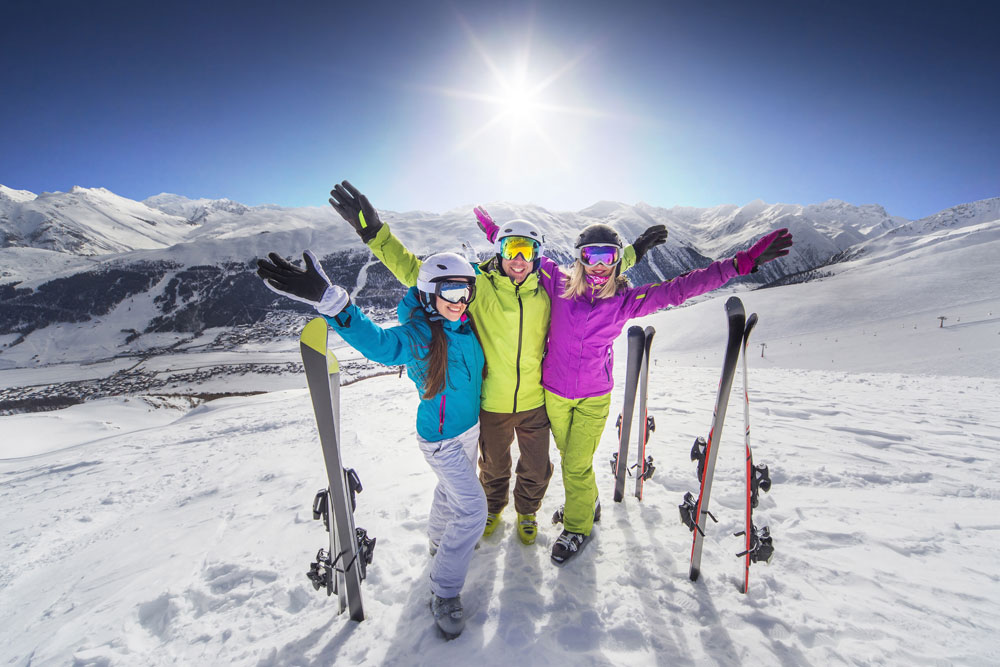
Intermediates (the sweet spot)
This is Sauze’s sweet spot: lots of cruisy terrain and the option to push further across the Milky Way when legs and weather allow.
You can happily spend a week doing red/blue mileage and still feel like you’ve got unexplored corners.
Stay tip:
- Central Sauze is ideal because you can ski hard, come back easily, and still have dinner-and-drinks options on your doorstep.

Advanced skiers & snow-sure seekers
There are steeper challenges locally and more options as you roam – including blacks in other sectors and freeride lines after snowfall – but the big win is having a large domain to hunt for conditions.
If you’re heading off-piste, treat it seriously: avalanche risk is real, carry kit, and don’t go solo.
Stay tip:
- Pick somewhere with quick access to the lift routes that get you moving across the domain early.

Snowboarders
You can have a great week, but you’ll want to plan routes that avoid awkward drags and flat links.
The area has some older drag lifts and a slightly fragmented layout, plus you may need to cross sectors to reach the snowpark – so pick accommodation that reduces morning faff and gets you onto smoother lift flows quickly.
Stay tip:
- Central, lift-close, and ideally not somewhere that forces a long uphill walk at the end of the day.

Beginners (with a smart plan)
If you’re brand new, Sauze can work well as long as you set yourself up for success: stay near your lesson meeting point, stick to the gentler progression zones early on (notably around Sportinia), and don’t get lured into “just one more run” that turns into an accidental red.
Stay tip:
- The best “where to stay” move is choosing a spot that makes mornings simple – close to the lift base you’ll use most – so you start calm instead of sweaty.

Families
Families do well here when they choose convenience: easy access to lessons, short walks, and a base that doesn’t require daily transport logistics.
Keep non-skiers happy with off-slope options like skating or winter walks, and plan shorter ski days with a proper lunch stop.
Stay tip:
- Central or lift-close apartments/hotels so you can bail out fast if someone melts down (child or adult).

Freestyle / Terrain Parks
Sauze has snowpark access (and the wider Via Lattea area supports freestyle culture), but you’ll likely be doing a bit of navigating to get the most out of it.
If you’re here mainly for park laps, base yourself so you can reach the right sector efficiently and avoid wasting half your morning on linking routes.
Stay tip:
- Central with quick lift access, then plan your day around the park zone early.
Looking to stay in Sauze d’Oulx?
Where is Sauze d’Oulx?
Sauze d’Oulx is in north-west Italy, in the Piemonte (Piedmont) region, overlooking the upper Susa Valley and sitting close to the French border.
It’s part of the Via Lattea / Milky Way ski area, meaning you’re not just skiing a single “local hill” – you’re plugged into a network that links multiple Italian bases and can connect over to Montgenèvre on the French side. For travel planning, think “Turin + short transfer” and “Oulx by train + quick hop to resort.”
Looking to stay in Sauze d’Oulx?
Skiing in Sauze d'Oulx (ski area, terrain, lifts, snow)
Sauze is basically two holidays in one: a local ski area with wooded slopes and a social home base, plus the wider Via Lattea network if you want big days out.
The trick is matching your skiing style to the mountain layout. If you’re intermediates who love cruising, you’ll have a field day.
If you’re beginners or snowboarders, you’ll still have fun – you just need a bit more strategy (where you start, where you link, when you roam).
One practical reality: weather and lift closures can affect key links in a large domain, so don’t plan every day like a military operation.
Have a “home mountain” day, a “big roam” day, and a “let’s follow the sun and vibes” day. And if you’re going exploring, start earlier than you think – because the Milky Way is great at making you forget you’ve got to get back.


Terrain overview
Sauze d’Oulx sits on the western side of the huge Via Lattea / Milky Way domain, so the map makes much more sense once you stop thinking of it as one neat bowl and start seeing it as a launch point into a much bigger network.
Your local skiing revolves around the lifts out of town and the big on-mountain meeting point at Sportinia, which is the resort’s obvious hub for ski school, warm-up laps, route choices and “right, where are we actually heading today?” chats.
From there, you can stay local on Sauze’s sunny, tree-lined reds and blues, or keep pushing across toward Sansicario and Sestriere for longer exploration days.
That is the real Sauze advantage: it gives you local laps with personality, but also proper mileage if your group likes to roam.
Crowds tend to bunch at the main morning uplift from town and then around Sportinia when lessons are forming up, so it pays to get moving early and treat the first hour as your escape window. Once the early queues thin out, the mountain feels much bigger and calmer.
Stay tip:
If you want stress-free exploration days, stay central or lift-close near the Sportinia/Clotes side of town so you can get into the first wave of uplift before the ski-school shuffle begins.
Lifts & getting around the mountain
Sauze’s lift system is all about choosing the smartest way onto the hill rather than blindly joining the nearest queue.
The key access points from resort are the Sportinia/Prariond side, the Clotes chair and, if you are staying lower down, the Jouvenceaux route up via Sarnas to Sportinia.
Once you’re on the mountain, movement is straightforward if you keep Sportinia in your head as your reset point; from there, it is easy to decide whether to stay on Sauze’s side, dip into the wooded runs back toward town, or head outward toward the wider Via Lattea.
The big pinch points are predictable: first thing in the morning, around ski-school start times, and again when everyone has the exact same idea about lunch.
Sauze is not the sort of place where you win by overcomplicating it – you win by riding 20 minutes earlier than everyone else, doing your obvious laps before the crowd does, and saving the “let’s head across the area” move for once the morning jam has eased.
Snowboarders will generally be happier here than in some older Italian linked areas because there are plenty of chairlifts, but there are still a few drags and linking sections where a bit of route-planning saves hassle.
Stay tip:
Being walk-close to your main lift base is still the cheapest queue hack in Sauze – it gives you a head start every single morning and saves relying on buses when everyone else is doing exactly the same thing.
Snow reliability & season length
Sauze d’Oulx itself sits at 1,509m, which means it is not one of those ultra-high, permanently wintry villages that can bluff its way through every warm spell on altitude alone.
What saves it is the scale of Via Lattea, the access to higher terrain across the linked area, and the fact that Sauze’s own skiing has loads of tree-lined terrain that stays enjoyable even when visibility turns grubby.
In good midwinter conditions, the resort is properly fun: sunny slopes, fast cruising and those wooded runs back toward town that make average weather feel better than it has any right to.
Early season can be a bit more selective, especially on lower home runs, and late season usually means firmer mornings followed by softer snow in the afternoons on the sunnier aspects.
That is not a Sauze flaw so much as the reality of a village sitting lower than some of its neighbours.
The smart play is to ski with the mountain, not against it: go earlier if it is a spring day, head for the best-covered sectors if the lower slopes are looking thin, and use the wider area to find better snow rather than stubbornly lapping the same bit all day.
Stay tip:
Book somewhere central so you can react to conditions without drama – late starts work better on hard, icy mornings, while spring afternoons reward being out early and home before the slush fight begins.

Sauze absolutely has off-piste appeal, but it is the kind that can tempt people into silly decisions because it looks so welcoming.
The tree skiing around the Sauze side is one of the resort’s biggest calling cards, especially after fresh snow, and there is good freeride potential across the wider Via Lattea too.
The catch is that “it’s between the pistes” does not mean “it’s controlled” and “it’s in the trees” does not mean “it’s safe.” Terrain traps, hidden obstacles, rapidly changing snowpack and poor visibility can all turn a cheerful little dip off the piste into a bad call very quickly.
The best local knowledge is still local for a reason, so if off-piste is a serious part of your trip, hire a qualified guide for at least your first day and treat avalanche kit as standard, not optional.
Sauze is a brilliant resort for mixing piste mileage with adventurous side hits and powder hunting, but only if you approach it like an adult rather than someone who has watched one too many highlight reels.
Stay tip:
If freeride mornings matter to you, stay near the lift routes that get you up to Sportinia quickly – powder days are wasted astonishingly fast when your accommodation adds a bus ride, a walk and a faffy start.
Beginners & improvers
Sauze is decent for learners and very good for improvers, but it helps to be honest about what kind of beginner you mean.
If you are a complete first-week skier or snowboarder, the main learning flow usually starts up at Sportinia rather than right in the middle of town, with beginner facilities and lesson meeting points on the plateau above resort.
That means your day often starts with getting up the mountain first, which can feel a bit more “proper ski resort” and a bit less hand-holding than somewhere with nursery slopes by the hotel front door.
The good news is that once beginners are settled, there is genuinely useful progression terrain here, and improvers in particular tend to have a very good week because Sauze is packed with confidence-building blues and forgiving reds that let you stretch out without instantly being chucked into something grim.
The classic mistake is wandering too far across the area, getting tired late in the day, then realising the easiest route home is no longer obvious. Sauze rewards steady progression and sensible route choices, not end-of-day heroics.
Stay tip:
Stay near your lesson meeting point or the easiest access lift to Sportinia, because nothing improves a beginner week quite like removing the morning boot-stomp, wrong-turn and “why are we already stressed?” routine.
Freestyle & “more than pistes”
Sauze has more going on than just cruising pistes and après laps, and that matters because it gives the resort a bit of range.
There is freestyle heritage here – Sauze hosted freestyle events during the 2006 Winter Olympics – and the wider Via Lattea area has long positioned itself as more than a pure piste-only destination.
For park-focused skiers and riders, the main thing is to plan around access rather than assuming you will casually drift there after a massive cross-area safari.
Sauze works best when you decide what kind of day you’re having: local laps, park time, coaching, side hits, exploration, or a bit of everything with realistic expectations.
There is also a lot of “more than pistes” fun in the resort’s natural terrain – rollers, tree-lined edges, playful side features and those bits of mountain where a solid rider can keep a day entertaining without needing some mega-glacier set-up.
Sauze is not trying to be a sterile training complex, it is a proper, lively mountain with enough variety to keep freestyle-minded people interested, especially if they base themselves smartly and use the area properly.
Stay tip:
Park- or progression-focused week? Prioritise accommodation that makes morning mountain access easy, because the less time you lose getting to your first uplift, the more actual riding you get done before lunch and leg-wobble kick in.
Best Runs in Sauze d’Oulx (by ability)
For beginners:
Start with the genuinely easier progression terrain around Principianti Clotes and Slope 52 – shown on the official map as 52 alta and 52 bassa – because these are the sort of confidence-building runs where repeating good laps matters more than chasing mileage.
Slope 52 is specifically highlighted as an easy piste suitable for beginners, so it’s a good place to settle into turns, practise stopping properly, and finish the day feeling more competent rather than completely cooked.
For intermediates:
This is where Sauze really gets into its groove. The obvious classics are Gran Pista – split on the map into Gran Pista alta and Gran Pista bassa – plus Slope 2000 over at Pian della Rocca, and the long, satisfying Slope 12, which continues as 12 media and 12 bassa on the piste map.
Treat these as your proper mileage-builders: Gran Pista for that classic wooded, winding descent, 2000 for a fun red with changes of gradient through the trees, and 12 when you want one of the longer, smoother runs in the Sauze sector.
For advanced:
If you want something with a bit more bite, go straight to Rio Nero (Slope 25). This is worth naming properly, because “25” sounds harmless until you’re on it: the upper section is very challenging, steep, shady and often firm, before it eases lower down and becomes a red.
For bigger explore days, Sauze also links easily toward tougher terrain in neighbouring sectors, including Kandahar Slalom and Kandahar Banchetta over toward Sestriere, while the top of Monte Fraiteve opens up some of the more serious skiing closer to home.
Off-piste note:
If you duck ropes or head into ungroomed terrain – whether that’s around the trees near Sauze or higher up off Monte Fraiteve – treat it like proper mountain travel, not a cheeky little detour. Avalanche risk exists outside the open, numbered pistes, so bring the right kit, know where you’re going, and do not go solo.
Looking to stay in Sauze d’Oulx?
Looking for accommodation in Sauze d’Oulx
Sauze d’Oulx is one of those resorts where “where you stay” can make or break the holiday, mostly because you’re on a hillside and ski boots are not designed for romance with gradients.
If you want easy ski school mornings, minimise the walk to your main lift base. If you’re here for nightlife, being central means you can go out properly and still get home without taxi wrangling. If you want quiet, you can absolutely find it – just accept you might trade that for a little more daily travel.
Accommodation styles are mixed: you’ll find apartments/self-catering (great for groups and families), hotels with half board (excellent for people who want skiing to be the only decision), and a spread of value-to-comfy options that tend to feel cheaper than many headline French mega-resorts.
The key is choosing for your routine: first lift? lessons? lazy breakfasts? late nights? Pick one priority and build around it.
Quick chooser: which area is right for you?
- If you’re a first-timer or with kids, go for central/lift-close convenience.
- If you’re a group chasing après, be near the centre.
- If you’re budget-led, look a little further out but plan how you’ll get to the lift each morning.
- If you’re here to explore the Milky Way, choose somewhere that makes early starts easy – that’s when the best roaming happens.
Village Comparison Table
| Area / Base | Altitude | Vibe | Best For | Nightlife | Beginner-Friendly | Access / Getting Around |
|---|---|---|---|---|---|---|
| Central Sauze (village core) | 1,509m | Lively, convenient | Groups, couples, après | ★★★★★ | ★★★★ | Walkable to bars/shops; easiest evenings |
| Lift-close (main lift base area) | 1,509m | Practical, ski-first | First-timers, families | ★★★ | ★★★★★ | Quick uplift, easy mornings |
| Old village lanes | 1,509m | Charming, quieter | Couples, “real village” fans | ★★★ | ★★★ | More steps/slopes; still walkable |
| Edge-of-town/apartments | 1,500m | Value, space | Budget travellers, larger groups | ★★ | ★★★ | May need shuttle/taxi planning |
| Quieter nearby pockets | 1,500m | Calm, residential | Families, light sleepers | ★★ | ★★★★ | Likely need transport mindset |
(Star ratings are “relative vibe” rather than gospel)
Best Area for First-Timers
First-timers in Sauze want the sort of base that makes the whole week feel almost embarrassingly easy: wake up, eat something warm, get boots on, and reach the mountain without already needing a sit-down.
That matters here because, unless you are in one of the mountain hotels, most accommodation in Sauze means getting up to the ski area via one of the village lifts – Clotes, Prariond/Sportinia or Jouvenceaux – or using the resort ski bus that links lift drop-off points around town.
So for a first trip, central or lift-close wins by a mile. You want somewhere that cuts out faff, reduces the chance of wrong turns in ski boots, and makes it easy to retreat for a hot chocolate and a confidence reset if the morning has gone a bit sideways. For nervous adults, kids, and anyone still negotiating with their boots, simple logistics are half the battle.
Stay tip:
For the smoothest first week, stay central or close to the Clotes or Sportinia/Prariond access so your mornings feel calm, not like a military operation.
Best Area for Ski-in Ski-out
Be a tiny bit sceptical with ski-in/ski-out wording in Sauze, because this is not one of those purpose-built, click-in-outside-the-door resorts where every building has a piste casually draped beside it.
In practice, most village stays still involve getting up to the mountain first, and Sauze’s layout is built around the three main access lifts rather than one neat front-door snow lane.
That does not mean convenience is bad – far from it – but it does mean that “very close to the lift” is often the smarter thing to shop for than obsessing over a ski-in/out label that may depend on snow cover, exact building position, and how optimistic the property description is feeling that week.
In Sauze, the real luxury is being able to grab one of the first chairs from Clotes, Prariond/Sportinia or Jouvenceaux, ski all day, and get home without a long boot shuffle when your legs are cooked.
Stay tip:
Prioritise the shortest realistic walk to your main uplift rather than chasing a flashy ski-in/ski-out claim that turns out to mean “sort of, if the snow gods are feeling generous.”
Best Area for Nightlife
If nightlife is one of the reasons you picked Sauze – and, let’s be honest, for plenty of people it absolutely is – then staying central is the no-brainer.
Sauze’s old town is where the resort’s personality really lives: stone buildings, cobbled streets, bars, après spots and cosy wine-cellar energy all packed into the bit of town you actually want to be wandering around after dinner.
Sauze is the liveliest resort in the ski area, and that checks out when you are close enough to do dinner, drift into a couple of bars, then wander home in five minutes instead of embarking on some tragic midnight expedition uphill in ski socks and bad decisions.
Central also helps in the boring-but-important ways: quicker supermarket runs, easier dinners, less taxi dependence, and a much better chance of actually enjoying the evening rather than planning military transport home from it.
Stay tip:
If bars, late dinners and après are part of the plan, stay right in the centre or old-town side of resort so the fun bit stays fun all the way to bedtime.
Best Area for Families
Families in Sauze usually do best in one of two set-ups: central for everything-on-foot convenience, or just outside the thick of things but with very easy access to a lift or ski bus stop.
Sauze works well for families because the resort caters to a broad mix – beginners, couples, families and more experienced skiers – but the key is still reducing the daily admin.
In other words: the less time you spend dragging children, kit, snacks and mild emotional chaos across town, the better the holiday goes.
A quieter street can be a really good shout here, especially if younger kids still nap or everyone needs the option of an early night, but you do not want to trade peace and quiet for a horrible morning commute.
The sweet spot is a base that feels calm without making lessons, lunch breaks or “someone forgot their gloves” moments harder than they need to be.
Stay tip:
For family trips, pick a quieter-but-convenient base with easy access to the ski bus or one of the main lift routes, so you keep the calm without adding logistical nonsense.
Best Area for Budget Travellers
Budget stays in Sauze usually get more appealing once you loosen your grip on being right in the absolute prime centre.
That can mean looking a little further from the main nightlife core, or considering areas like Jouvenceaux, the hamlet below Sauze, which has its own distinct mountain-village feel.
The trade-off is simple: you are usually paying with a bit more planning rather than with actual misery. If you are happy using the resort ski bus, timing your mornings sensibly, and accepting that convenience and cheapest price rarely snog each other in ski resorts, you can save decent money without ruining the trip.
This is especially true for groups who care more about value, space and a workable routine than about being 30 seconds from the nearest bar stool.
Budget in Sauze works best when you are realistic: cheaper bases are fine, but only if the daily rhythm still makes sense for how you actually want to ski and go out.
Stay tip:
Want better value without daily hassle? Look just outside the busiest core – including quieter spots like Jouvenceaux – but only if you are genuinely happy to use the ski bus or build a bit of extra walking into the plan.
Our Top Hotels

★★★
- Village centre / bottom of Clotes piste
- Lifts - 1-2 mins walk
The bonus is the location: you’re at the bottom of the home run into Sauze and right by the Clotes chairlift.
The hotel itself is friendly, cosy and properly practical, with a bar area, half-board meals and that handy ski-hire-next-door setup.
There’s après nearby, but you’re not trapped in the noisiest bit of town.
Why choose it? For easy first-week ski logistics without feeling like you’re staying in a beige training camp.

★★★
- Quiet area above town
- Lifts - around 5 mins walk
- Indoor pool + sauna
Here you have a great indoor pool and sauna setup. It sits in a quieter part of town, around 200m from the slopes.
That can actually suit families, couples and anyone who likes après in controlled doses rather than having it vibrating through the pillow.
Inside, it’s relaxed and sociable, with a lounge, games bits and restaurant.
Why choose it? A quieter Sauze base with pool-and-sauna comfort at a sensible price.

★★★
- Central Sauze
- Lifts - walkable
Shops, bars, restaurants and the ski area are all within walking distance, so it keeps the week easy without trying to be fancy.
This is small, family-run and traditional rather than glossy.
You’re looking at comfortable rooms, a welcoming feel and an Alpine-style bar for the post-ski drink you absolutely ‘earned’ by surviving that last red home.
Why choose it? A no-nonsense central all-rounder for travellers who want comfort, value and very little faff.

★★★
- Sportinia mountain area
- Lifts - ski-in/out / 50m from Sportinia chair
The bonus is the ski-in/ski-out Sportinia location. This is a refuge-style chalet up in the Sportinia area, so your evening routine is very different from staying in central Sauze.
If lifts have closed, access may need skidoo or snowcat support at local cost, so it’s not ideal for heavy après fans or nervous first-timers who want things easy.
Why choose it? A budget-savvy slopeside pick for skiers who want mountain magic more than nightlife.
Tour Operators who go here
Looking to stay in Sauze d’Oulx?
Après ski, restaurants & winter activities
Sauze is one of those resorts where the off-slope life is genuinely part of the product.
You’re not just skiing and collapsing – you’re skiing, then actually going out.
The après scene is mainly village-based rather than slopeside chaos, which means it’s easy to reset (shower, snack, rehydrate like a responsible adult) before heading out.
Food-wise, you’ve got the classic Italian alpine mix: pizza/pasta comfort, plus heartier mountain meals when you want to lean into the “I’ve earned this” energy.
Non-ski days don’t have to be sad either. The wider valley area opens up winter walks and simple activities like skating, plus you’ve got the option of day-tripping if someone in your group needs a break from ski boots.
The biggest pro tip: don’t try to do everything every day. Pick one “big ski mission” day, one relaxed local day, and one evening where you go out properly – and you’ll leave feeling like you did Sauze right.

Sauze d’Oulx still does nightlife very well, but the smart way to think about it is less “one giant party strip” and more “pick your flavour and pace yourself.”
If you want classic early après energy, The Derby is still one of the obvious names – ideal for cocktails, live music and themed nights, while Assietta is a reliable shout for sunny post-ski drinks thanks to its big outdoor area and generous aperitivo feel.
Moncrons has that proper long-running local-bar reputation and is a good one for sport, while Il Lampione in the old town leans more wine-bar, local-favourite and “this turned into a very decent evening somehow.”
AleGria at Hotel K2 works well for a stylish aperitivo stop rather than an all-night mission, and Bar Mira, Sports Cafe, Ghost Bar and Queen’s Lounge are all great when you want live music, screens for the match, or a louder bar atmosphere without overcomplicating things.
If the night is still going and nobody is pretending they’re “definitely skiing first lifts,” Miravallino is one of the best-known late venues in town – a nightlife staple with aperitifs, live music and DJ sets.
Mountain‑top Moments
On the mountain, Sauze gives you a really useful mix of lunch stops, and the key is knowing which ones are for a proper sit-down refuel versus a quick “eat, warm up, carry on” stop. Orso Bianco at Sportinia is one of the best all-rounders if you want a real lunch rather than crisps pretending to be nutrition, with homemade soups, pastas, cured-meat and cheese boards, hearty stews and desserts.
La Marmotta, up at 2,420m, is the more polished “long lunch with a view” option, while Ciao Pais is the classic hearty stop for regional dishes, with carpaccio, polenta, ravioli and tiramisu.
If you want something quicker and less faffy, Sauze is good at that too. Bar Basset is ideal for simple pasta, soup, sandwiches and homemade cakes without derailing the ski day, while La Sosta at the top of the Clotes lift works well for coffee, a quick bite or an afternoon bombardino.
La Capannina at Sportinia sits nicely in the middle: more substantial than a snack bar, but still practical, with sandwiches, charcuterie boards, polenta, lasagne, venison stew and pasta all in the mix.
For something more old-school and unfussy, Capanna Mollino is still worth knowing for staples like burgers, sandwiches, polenta, risotto, soup and sausages.

Sauze’s village food scene is one of those bits people underrate until they get there and realise they could happily eat very well all week without repeating themselves.
If you want an easy, crowd-pleasing dinner, Sugo’s is still the obvious pasta fix: it leans hard into fresh pasta and regional Italian sauces, with traditional combinations done properly, using ingredients like truffles, local bacon and mountain cheese.
At the more “this is an actual dinner-dinner” end of the scale, L’Ortiché is the one for a slightly smarter night out, with a sample menu that includes things like capunet (baked cabbage leaves stuffed with sausage, herbs and amaretti), sausage and truffle fettuccine, chestnut gnocchi with pumpkin fonduta and wild boar bacon, and lamb shank cooked in Barolo.
Then you’ve got places like Assietta, which works nicely when your group wants options rather than one super-specific style: raclette, polenta, gnocchi, wild boar dishes, Fassone beef, pizza, and sharing boards like the Tagliere Assietta with local meats, cheeses and Sauze honey.
For a more relaxed, mixed-group kind of night, 3P Bistrot & Pizzeria is useful because it does more than just pizza: its menu leans on crisp pizzas, Mediterranean-style stuffed potatoes, Piemontese beef dishes, charcuterie and cheese boards, plus desserts and decent drinks, so it suits the “nobody can agree what they want but everyone still wants to eat well” category.
Il Lampione is more wine-bar than full sit-down restaurant, but it is still worth knowing for snacks, tasting evenings and the dish of the day if you want something lighter with a glass of Barolo or Dolcetto rather than a full carb festival.
Book in peak weeks, especially for groups, and do not treat Italian dinner timing like a military exercise. Sauze is better when you lean into it a bit – one pasta night, one proper Piemonte-heavy meal, one pizza-and-wine evening – rather than pretending self-catering crisps and supermarket ham count as cultural immersion.
If someone in your group needs a day off the slopes – or just wants one day where their knees are not being negotiated with – Sauze d’Oulx is actually pretty handy for low-effort winter alternatives.
The obvious one is snowshoeing and winter walking, there are routes in Sauze, Jouvenceaux and the middle-to-lower part of the Gran Bosco National Park. Those are the sort of outings that let you feel outdoorsy and alpine without committing to another full ski day.
If you want something even more low-impact, go full rest-day mode with a Spa Day at places like Gros Wellness and SPA, Sauze&SPA, or Chaberton Lodge & SPA, where the menu is basically built around easing the damage done by ski boots, chairlifts and overconfidence.
For something more “I’m on holiday, let’s make it memorable,” the resort also has Helicopter Sightseeing, including aerial tours over the Vialattea and trips toward Monte Chaberton.
There are also a few good non-skier moves that are less about “activity” and more about enjoying the place properly. A Lunch Beside the Piste works well here because non-skiers can use a walkers / non sciatore pass to go up by lift from Sauze or Jouvenceaux, which means you can still join the mountain crowd without actually clipping into skis.
If you’ve got mixed interests in your group, a day trip is the easiest peace treaty: Turin is just over an hour away by train for museums, cafés and proper city energy, while Briançon is about 40 minutes by car if you fancy forts, an old town and a change of scene.

Getting home safely & easily
Sauze is pretty walkable if you’re staying in the centre, which is great news because after dinner or a few drinks, “five minutes on foot” feels a lot more appealing than figuring out transport in the cold.
The catch is that Sauze is still a hillside resort, so not all walks are created equal. A route that looks totally manageable on a map at 4pm can feel a lot less charming at midnight when you’re in winter boots, slightly tired, and questioning every life choice that involved booking “just a little bit outside the middle.”
If you’re central, walking is usually the obvious answer and often the easiest one too. If you’re staying further out, down toward a quieter edge of town or in a more tucked-away base, taxis can absolutely be the sensible grown-up move.
The main thing is not to rely on vague bar-chat maths when it comes to getting home. Local taxi pricing can vary depending on season, demand and time of night, so any “it only costs about…” estimate you hear after someone’s third drink should be treated as hopeful rather than legally binding.
Sauze is much easier when your accommodation matches your priorities: stay central if nightlife and easy evenings matter most, or stay close to your main lift if smooth ski mornings are the bigger win.

Ski schools & learning zones
Sauze is a good resort for lessons if you set yourself up properly.
The mountain has progression terrain, but it’s not the most “sealed-off beginner bubble” in the Alps – so the best approach is structured instruction early, then confident repetition on the right slopes rather than accidental adventuring.
If you’re coming back after a long break, or you’re nervous, private lessons can be a game-changer for confidence.
If you’re travelling in peak weeks, book early so you get lesson times that match your routine.
For improvers, Sauze is especially rewarding because you can build mileage and technique quickly, then start exploring into the wider Via Lattea once you’ve got your legs and map confidence.
For kids, a well-organised meeting point makes mornings calmer – and calmer mornings = better ski days for everyone.

In Sauze d’Oulx, beginner learning is not really about shuffling around a nursery slope in the middle of the village square; it usually starts up at Sportinia, which is the resort’s main beginner and lesson hub above town.
Sportinia has a couple of baby slopes served by a magic carpet, along with bars and restaurants nearby. That matters because it gives first-timers a proper “learning zone” feel rather than throwing them straight into the busier flow of the wider ski area.
It is also one of the reasons Sauze can work well for learners despite being better known overall for red runs and intermediate cruising: once you are in Sportinia, the set-up is much more controlled and confidence-friendly than the village base might suggest.
In practical terms, beginners usually head uphill first, get settled in the nursery area, then build from repetition rather than mileage.
Getting there is part of the local rhythm. Sauze has three lifts out of the village – Clotes, Prariond (Sportinia), and Jouvenceaux – and all of them are served by a circular bus service, which is handy if your accommodation is not right beside your preferred uplift.
The beginner-friendly detail worth knowing is that the Prariond / Sportinia lift is specifically highlighted as the best first lift for complete beginners, because you can carry your kit on it rather than wear it, which is a very small detail until you have watched a first-timer try to exist in ski boots before 9am.
In early season, Vialattea lists the Sportinia chairlift and the Sportinia carpet lift among the first facilities to open in Sauze, which tells you just how central that zone is to the resort’s beginner set-up.
This is the bit people massively underestimate in Sauze: because most accommodation is in the village rather than on the mountain, where you stay has a direct effect on how stressful your ski-school mornings feel.
If lessons are starting in Sportinia, the smartest move is usually to stay somewhere that gives you an easy run at either the Prariond / Sportinia lift, the Clotes lift, or the Jouvenceaux lift depending on your base.
Sauze works brilliantly when your accommodation reduces that daily friction and much less brilliantly when every morning starts with an uphill stomp and a family debate.
For mixed groups, central Sauze is often the sweet spot because it makes splitting up easier: learners can head for Sportinia, stronger skiers can disappear into the wider Vialattea, and everyone still has a fighting chance of meeting later without turning lunch into a rescue mission.
If you are staying in Jouvenceaux, that can work well too, especially if you want a quieter base and easier access to the Jouvenceaux lift, but it only feels convenient if that route genuinely matches how your group will start the day.
In other words, the best Sauze accommodation for learners is not always the prettiest or cheapest one; it is the one that removes the maximum amount of morning nonsense.
The smoothest lesson routine in Sauze is very simple: sort rentals the day before, have gloves and passes ready the night before, then leave with a little buffer because first-day chaos is practically a winter sport in its own right.
This matters here because Sauze’s beginner flow usually involves going up to Sportinia first, rather than clipping in outside your hotel and gliding gently into a nursery zone.
The upside is that Sauze’s centre is full of the useful stuff you want around lesson week – rental shops, ski-school offices, cafés, supermarkets and the general resort flow – so staying central makes those pre-lesson errands much easier.
The resort has multiple local schools, including Sauze Project, Sauze Sportinia, Snowmaxx, and Vialattea Sauze, so there is proper choice once you decide whether you want a mainstream school or a more tailored instructor set-up.
If you are further out, the fix is not panic; it is just planning. Use the village bus if it suits your route, allow extra time on day one, and do not be too proud to take a taxi if the alternative is arriving late, flustered and already on the back foot before the lesson has even started.
Sauze is a much better learner resort when you treat access as part of the lesson plan rather than as an afterthought.
Calm start, short transfer, easy uplift, familiar meeting point – that is what gives beginners the best chance of actually enjoying the mountain instead of spending the first hour trying not to cry in public.
Looking to stay in Sauze d’Oulx?

Lift passes, costs & budgeting
Sauze d’Oulx sits inside the huge Vialattea ski area, so the standard lift pass already gives you far more than just the slopes directly above town.
The normal Vialattea pass covers the Italian sectors of Sauze d’Oulx, Sestriere, Sansicario, Cesana, Clavière and Pragelato. For most week-long holidays, that is the pass you’ll want.
There is also a Vialattea International pass if you want Montgenèvre in France fully included, but there’s an important money-saving wrinkle: standard Vialattea passes of 6–15 consecutive days already include one Montgenèvre extension and one Bardonecchia extension.
So for a normal Sauze week, the Italian-area pass is much more capable than it first appears.
Which ski pass should you buy in Sauze d’Oulx?
Think of it like this: skiing mainly Sauze and the Italian Vialattea? Buy the standard pass. Want unrestricted Montgenèvre access? Look at International. Still learning? Sauze has a cheaper beginner ticket.
Option A - Vialattea (Italian area pass)
What it is: The standard pass covering Sauze d’Oulx, Sestriere, Sansicario, Cesana, Clavière and Pragelato on the Italian side of Vialattea.
Best for: Most Sauze holidays, particularly intermediates who want the freedom to explore beyond the local slopes without paying for unlimited French access.
Buy a 6–15 day pass and you also get one Montgenèvre extension and one Bardonecchia extension included.
There’s also an afternoon ticket valid from 13:00, which is useful for arrival days or anyone whose morning skiing ambitions were defeated by travel, lunch or après from the night before.
Plain English: This is the “huge Italian area plus a couple of away days” pass – and it’s probably all most Sauze skiers need.
Option B - Vialattea International (wider / cross-border option)
What it is: The wider product giving you Vialattea Italy plus Montgenèvre in France without relying on a single extension day.
Best for: Stronger skiers and snowboarders who genuinely intend to use Montgenèvre repeatedly rather than just popping over once.
For 2026/27, the published online price is €69 for one day and €347 for six days.
A six day International pass also entitles you to a Bardonecchia extension, giving you another option if you’re deliberately building a multi-area ski week.
Plain English: This is the “France isn’t just a one-day novelty – we actually plan to ski there properly” pass.
Option C - Sauze beginner pass
What it is: Sauze’s Invito allo Sci beginner product covering selected local learning lifts, including Sportinia, Jouvenceaux–Sportinia and Clotes.
Best for: Complete beginners, ski-school days and anyone who is still practising the basics rather than roaming across Vialattea.
For 2026/27, the online adult price is €36 in low season, €41.50 in high season and €42.50 at Christmas/New Year peak dates.
That can make much more sense than paying €60-ish for access to the whole Vialattea while you spend the day repeating the same learner runs.
Plain English: This is the “learn Sauze first, worry about Sestriere later” option.
Sauze d’Oulx lift pass prices 2026/27
Here are the published headline prices for Sauze d’Oulx Winter 2026/27 (prices shown in EUR):
| Vialattea (Italian area) Pass | Adult | Child |
|---|---|---|
| Half day | €47.50 | €44.50 |
| 1 day | €62.00 | €59.00 |
| 6 days - includes 1 Montgenèvre + 1 Bardonecchia extension | €325.50 | €307.50 |
| 7 days - includes 1 Montgenèvre + 1 Bardonecchia extension | €370.00 | €349.00 |
| Vialattea International Pass | Adult | Child |
|---|---|---|
| 6 days | €305.00 | €287.00 |
Online prices are cheaper
Buy online and you save €2 per ski day compared with the ticket-office price. The difference gets bigger across a family, so there’s very little reason to queue at the window if your dates are already fixed.
The Vialattea Skicard has another useful discount
If you ski Vialattea regularly, the €10 Vialattea Skicard is worth knowing about.
It is personal and rechargeable, and when topped up online it gives an additional weekday discount on selected one day tickets.
Do you really need Vialattea International?
Probably not if you’re only planning one Montgenèvre day. International makes more sense if you know you want several Montgenèvre days or simply don’t want to think about extension limits.
Ski Demon tip: For a one day or short-break skier, the Skicard weekday rate can be more interesting than obsessing over the multi-day tables.
Deposits, insurance, and when to buy
Here’s how to do Sauze d’Oulx like someone who hates queues and hates wasting money:
Ski card: The rechargeable Vialattea Skicard costs €10. You don’t have to buy one: online Print&Ski purchases give you a QR code that can be exchanged at resort machines and collection points.
Insurance: Third-party liability insurance is compulsory in Italy. Vialattea’s optional Sci Noproblem costs €3.50 per day and combines liability cover with accident-related benefits including medical expenses and reimbursement of ski-pass days following an accident. Check your existing winter sports insurance first.
When to buy: Buying online saves €2 per ski day, and Skicard holders can access additional weekday day-pass discounts.
For a week-long holiday, check the standard Vialattea pass before paying for International – those included Montgenèvre and Bardonecchia days may already give you all the extra exploring you wanted.
Looking to stay in Sauze d’Oulx?
Common Sauze d’Oulx Ski Holiday Mistakes
Sauze d’Oulx is easy to enjoy, but its lively village, large linked ski area and varied lift-pass options mean a few common mistakes can make your holiday more complicated.
Booking “nice value” accommodation… then realising it’s a boot-slog from the lift
Saving money on accommodation feels clever right up until day one, when you realise your “great deal” comes with a long uphill shuffle in ski boots, a badly timed ski bus, or a daily debate about whether to walk or just give in and get a taxi.
In Sauze, convenience really is part of the holiday value, especially because it’s a hillside resort and not every base feels equally easy once you’re actually living the routine.
If you’re doing lessons, skiing full days, or travelling with kids, staying lift-close or properly central usually pays you back in smoother mornings, less faff, and fewer low-level arguments before 9am. Cheap accommodation is only cheap if it doesn’t make every day more annoying.
Treating the Milky Way like a theme park with no return journey
The Via Lattea is brilliant for explore days, but it is not the sort of ski area where you can just point your skis downhill and trust that it will all magically work itself out.
Sauze makes it very easy to get carried away, especially when the weather’s good and someone in the group gets excited about skiing across to another sector “just for a look.” That’s fine – until the clock starts ticking, legs get tired, lifts begin closing, and nobody is 100% sure what the easiest way back actually is.
Big linked areas reward a bit of adult behaviour: start early, know your rough route, check lift timings, and don’t leave your return to vibes alone. The mountain is much more fun when you’ve got enough time to get home without a late-afternoon panic.
Beginners trying to “keep up” on reds too early
Sauze is great for improvers, which is exactly why some beginners get tempted into moving up too soon.
You’ll see stronger skiers disappearing off happily onto reds and it is very easy to think, “Well… I’m probably ready.” Sometimes you are. Sometimes you’re absolutely not, and the result is an hour of defensive turns, burning legs and a confidence wobble that ruins the rest of the day.
There’s a big difference between progressing and being dragged onto terrain that feels one step beyond your control.
In Sauze especially, the smartest learners are the ones who build properly: repeat the forgiving slopes, get your speed under control, learn to stop calmly, then move up when you’re ready rather than when your group gets impatient.
Snowboarders ignoring the lift/layout reality
Sauze is good fun for snowboarders, but it is not the place to just assume every route will flow perfectly without a bit of thought.
Parts of the wider area still have older drag lifts, some links are a bit more fragmented than they look on the map, and there are definitely moments where skiers can just glide off while boarders are doing the classic one-foot shuffle and muttering darkly about flat sections.
If you ride, a little planning goes a long way: think about which lifts you actually want to use, avoid routes with obvious traverses if the snow is slow, and don’t waste loads of time crossing sectors unless you genuinely need to.
The same goes for park or freestyle days – go earlier, not as a throwaway at 3pm when your legs are gone and the light’s getting flat. Sauze works best for snowboarders who ski the map with a bit of strategy.
Going too hard on night one
Sauze has a proper nightlife reputation for a reason, and it’s very easy to arrive full of holiday energy and immediately behave like you’re starring in your own ski-week montage.
Big mistake. The classic error is doing travel day, après, dinner, more drinks, then somehow turning that into “just one more” until you’ve absolutely cooked day two before it even starts.
The problem is not just the hangover – it’s the combination of dehydration, altitude, tired legs and poor decisions on snow the next morning.
Have a fun first night, absolutely, but be at least slightly sensible: drink water, eat a real dinner, and remember you’re there for the mountain as well as the bar. Sauze will still be lively tomorrow. Your quads, sadly, may not.
Getting to Sauze d’Oulx
Getting to Sauze d’Oulx is straightforward, with Turin Airport within easy reach and convenient rail connections via Oulx. Whether you’re flying, driving or arriving by train, here’s everything you need to know before you travel.
1) Fly + road transfer
(the “land in Turin, get to the mountains without too much drama” option - and the most common)
Most people fly into Turin Airport (TRN) and do the final leg by road with a pre-booked shared shuttle or private transfer Turin is the closest airport for the Vialattea area, and Sauze is one of the easier major ski resorts to reach because you are basically heading up the A32 to Oulx and then climbing the last stretch to resort.
In decent winter conditions, it is refreshingly straightforward – just do not build your day around the fantasy of landing, collecting bags and being on a chairlift 40 minutes later. Saturdays, snowfall and motorway traffic can turn a “nice easy transfer” into a much longer exercise in Alpine patience.
As a sensible guide:
- Turin Airport → Sauze d’Oulx: roughly 1 hour 15 minutes to 1 hour 30 minutes.
Read-world tip: if you are doing a transfer rather than driving yourself, book it before you travel and treat arrival day as a travel day, not a ski day. Sauze is close enough to tempt people into over-optimistic plans, and that is exactly how you end up stressed, late and eating crisps for dinner instead of arriving like a functioning adult.
2) Train to bus
(the “car-free and actually very doable” choice - and one of Sauze’s underrated wins)
Rail is one of Sauze d’Oulx’s big practical advantages. The key station is Oulx-Cesana-Claviere-Sestriere, and from there the final hop to Sauze is genuinely short.
Typical timings look like this:
- Turin Porta Nuova / Porta Susa → Oulx: roughly 1 hour 30 minutes by train.
- Oulx station → Sauze d’Oulx: roughly 10-15 minutes by bus, or a very quick taxi hop if you want the simplest last leg.
- Turin Airport → Turin city station: about 30 minutes by train to Porta Susa, or 30-45 minutes by airport bus to Porta Nuova.
- Airport → Sauze by public transport: roughly 2 hours 10 minutes to 2 hours 30 minutes.
Real-world tip: pre-book the last leg, or at least know exactly which bus you are aiming for, especially on arrival day. Most buses connect around 10 minutes after train arrival, but the final bus is not late in the evening. If you are staying in Jouvenceaux, remember you need to get off at Bar Jouvenceaux.
3) Driving to Sauze d’Oulx
(flexible, easy enough by Alpine standards - but pay attention to the grown-up details)
Driving to Sauze d’Oulx is pretty straightforward for an Alpine resort because you are not threading your way through endless tiny mountain roads for hours. The main motorway network connects to Oulx via the E70 / A32, and from there you climb up to Sauze.
That makes it a popular self-drive option from Turin and a practical one for people who want flexibility.
Time-wise, a sensible guide is:
- Turin → Sauze d’Oulx: roughly 1 hour 15 minutes to 1 hour 30 minutes.
- Oulx bypass exit → Sauze d’Oulx: roughly 15-20 minutes for the final climb.
- Turin Airport → Sauze d’Oulx: roughly 1 hour 15 minutes to 1 hour 30 minutes.
Real-world tip: the annoying detail people mess up is not the motorway – it is the final arrival into resort. Sauze’s centre has a limited-traffic zone (ZTL), and you can only drive through it if your hotel or apartment owner has arranged the exemption with local police. Also, the resort requires winter or all-season tyres with the snowflake symbol in winter.
Getting around once you’re there (easy… with one tiny “ski boots on a hill” reality check)
Walking (your default setting - if you’re central)
If you’re staying in the middle of Sauze, life is pleasingly simple. The old town and central streets pack in the useful stuff, so a lot of your holiday can genuinely happen on foot. That is one of Sauze’s big strengths: once you are central, it feels compact and sociable rather than sprawling.
Ski bus / village bus (your secret weapon for morning lift access)
If you’re staying a bit further out - the local winter ski bus is the move. It runs throughout the resort and takes people to the various lift drop-off points, all three main village uplifts are served by a circular bus service. If your hotel is not right by your preferred lift, Sauze does at least give you a practical fix.
Taxis + late-night reality (for getting home after dinner or bars)
If you are further out - especially in a quieter edge-of-resort base or down toward Jouvenceaux - taxis can be the sensible grown-up option at night, but pricing and availability can vary by week and timing. That is why convenience still wins in Sauze.
Ready to make your piste dreams a reality?
Whether you’re scouting dreamy hotels, comparing the best tour operators or looking for fresh ski inspiration, we’re here to help you turn ideas into an actual holiday.
Take the next step by browsing hotels in this resort, choosing a trusted ski tour operator or signing up to our newsletter for destination ideas, practical advice and the latest tips delivered straight to your inbox. From finding the right place to stay to choosing the best way to book, we’ve got plenty to help you plan with confidence. Pick your next move and let the adventure begin.
Looking for more inspiration?
Sign up to our free newsletter

Ready to book your stay?
Take a look at our hotel guide and see what suits your requirements and budget
Tour operators
For more from our tour operators click the logos above
Sauze d'Oulx FAQs
Whether you’re visiting Sauze d’Oulx for the first time or heading back for another trip, these FAQs should help answer the most common questions before you book and before you travel.
Is Sauze d’Oulx good for a first ski trip?
Yes, with a small caveat: it’s better if you plan for convenience and instruction. There are learning areas (notably around Sportinia), but the resort isn’t the most “sealed-off nursery bubble” in the Alps. Book lessons early, stay close to your meeting point, and don’t rush progression – you’ll have a far calmer week.
Is it better to stay local or explore the Milky Way?
Do both. Spend the first day or two skiing locally to learn the layout and build confidence, then pick 1–2 “explore days” to roam across Via Lattea. The whole area is massive (400km), so it rewards early starts and a bit of map discipline.
What’s the easiest airport for Sauze d’Oulx?
Turin is generally the easiest/closest airport option, often quoted around 1 hour away, and it’s a big part of why Sauze is popular for shorter breaks. If you fly elsewhere, just build in more transfer time (and don’t assume winter roads behave like summer ones).
Can I get there by train from the UK?
Train travel is doable in this region because Oulx is a convenient gateway station and close to resort by road. The key is planning the final leg (Oulx → Sauze) so you’re not stuck waiting – pre-booking a transfer/taxi makes the whole journey feel much smoother.
Is Sauze d’Oulx good for snowboarders?
It can be, but it’s not the most frictionless layout. There can be older drag lifts and a fragmented feel in parts, plus you may need to traverse between sectors for specific targets like the snowpark. Stay central/lift-close and plan routes that avoid flat links when possible.
Do I need a car in Sauze?
If you stay central, not really. You’ll likely walk everywhere and only use transport for arrival/departure. If you stay further out, taxis can become part of the routine – especially at night – so factor that into your accommodation choice.
What are the “must ski” pistes in Sauze?
Intermediates often gravitate to named classics like Gran Pista (red) and Slope 2000, while beginners should focus on easier progression options like Slope 52. For advanced skiers, Slope 25 (Rio Nero) is specifically highlighted as a tougher line, plus there are black runs available too.
How do I avoid overpaying on lift passes?
Buy the pass that matches your real routine. If you’re learning or skiing half days, a beginner-focused ticket option can be smarter than a full-domain pass. And if you know your dates, online purchase is often a way to save money and skip queues.
What should I book early?
Lessons in peak weeks, accommodation if you want central/lift-close, and transfers if you’re arriving on a Saturday. Sauze is popular because it’s good value and easy to reach – which means the best “easy logistics” options get snapped up first.
Is there stuff to do if someone doesn’t ski?
Yes, but keep expectations realistic: Sauze is ski-first. That said, there’s an outdoor ice rink and winter activities like snowshoeing, snowmobile excursions and horse riding. Add cafés, walks, and a good lunch plan and non-skiers can still have a genuinely nice week.