


Les Arcs gives you 425km of Paradiski skiing, four different base vibes to dip in and out of, and a funicular that shoots you from the train platform in Bourg-Saint-Maurice straight up to the snow like a ski-season cheat code. Huge, varied and, for a French ski giant, somehow still weirdly efficient.
This guide was written by Michelle Wheeler
Les Arcs ski resort at a glance
Les Arcs resort sits in the Tarentaise Valley in Savoie (French Alps), stitched into the Paradiski mega-area with La Plagne ski area via the Vanoise Express cable car.
It’s not one “village resort” either – it’s a whole ladder of bases (Arc 1600 / 1800 / 1950 / 2000, plus Bourg-Saint-Maurice down in the valley), so you can choose your altitude and your vibe.
Snow-wise, you’ve got proper height on your side: the highest point is Aiguille Rouge at 3,226m, and the local Les Arcs / Peisey-Vallandry domain is approx 200km of pistes served by around 52 ski lifts, with a very gondola-and-chair-heavy feel (less “drag lift misery”, more “glide and go”).
Getting here is one of Les Arcs’ big flexes: you can train to Bourg-Saint-Maurice and jump on the funicular (about 7 minutes) straight up to Arc 1600, which is ridiculously civilised for a ski trip.

Altitude
1,600 m - 3,226 m
Pistes
200 km
Ski Season 26/27
12 Dec - 24 Apr
Transfer Time
75 - 90 mins
Number of pistes by difficulty
Resort Guide Quick Facts
(the stuff you actually care about)
Best for:
Confident beginners who want plenty of progression space, intermediates who love clocking up mileage, mixed groups who don’t want to compromise, and snowboarders who appreciate lift-linked terrain rather than endless skate-y traverses. If you like “big area, but still feels navigable after day two,” you’re in the right place.
Ski area size:
Locally you’ve got approx 200km in Les Arcs / Peisey-Vallandry – already plenty for a week – and if you go full Paradiski you’re looking at 425km linked terrain connecting Les Arcs + La Plagne via the Vanoise Express.
Altitude:
This is a resort of ranges, not a single number. Bourg-Saint-Maurice sits low in the valley, while Arc 2000 is… well, 2000m (clue’s in the name). The headline is the top end: Aiguille Rouge 3,226m, which is a serious snow-safety blanket for midwinter and early spring weeks.
Villages / bases (each has a different vibe):
Arc 1600 is the “easy logistics” base thanks to the funicular and a simpler, quieter feel. Arc 1800 is the sociable one – more bars, more buzz, more “let’s just have one drink” lies. Arc 1950 is the pretty, pedestrian, chocolate-box village (and very ski-in/ski-out-friendly). Arc 2000 is higher, snow-surer, and a bit more functional – great for first lifts and serious ski days. Bourg-Saint-Maurice is your proper town in the valley (useful for cheaper supermarkets and non-ski bits), while Peisey-Vallandry is the more traditional-feeling area and brilliant if you want quick access to La Plagne via the Vanoise Express.
Beginner friendliness:
Better than people expect for a big French domain. There are dedicated beginner/progression zones in multiple bases, plus a specific beginner offer and “progress courses” that basically hold your hand (in a good way) from magic carpets to your first proper descent.
Ski season (published dates):
Les Arcs and Peisey-Vallandry’s 2026/27 ski season is scheduled to run from 12th December 2026 to 24th April 2027. That gives you a solid mid-December-to-late-April window, although the vast Paradiski ski area may follow a slightly different timetable. Check the official Les Arcs and Peisey-Vallandry season dates before booking right at either end.
You’ll love Les Arcs for…
Intermediates
Snow boarding
Extensive area
| Our rating | |
|---|---|
| ★★★★ | Beginner |
| ★★★★★ | Intermediate |
| ★★★★ | Advanced |
| ★★★★ | Off-Piste |
| ★★★★★ | Snowboarding |
| ★★★★ | Snow Reliability |
| ★★★★★ | Extent |
| ★★★★ | Apres-Ski |
| ★★★ | Mountain Restaurants |
| ★★★ | Scenery |
| ★★★ | Village Charm |
| ★★ | Non-Skiers |
Best for snow: Mid-January to early March
Mid-January to early March is the sweet spot - cold nights, fewer thaw/freeze dramas, and Aiguille Rouge stays reliable.
Best for value: Early January and late March
Early January (after New Year) and late March are often the best “big resort, smaller price tag” weeks if you’re flexible.
Best for families: February half term
February is peak school-holiday chaos, but the infrastructure and beginner zones handle it well if you start early each day.
Avoid if possible: Saturday changeover days + French/UK school holidays
Saturday changeover days + French/UK school holidays if you hate queues, crowds, and paying extra for everything.
Tour Operators who go here







Looking to stay in Les Arcs?
What’s Les Arcs like?
Les Arcs is basically “choose your own adventure” in resort form: you can do quiet, practical and train-friendly… or you can do ski-in/ski-out convenience with a side of après.
What surprises most people is how big it feels on snow – you’re constantly bouncing between ridgelines, bowls, and forests, so the scenery changes a lot for a purpose-built resort.
It’s also one of those places where your trip quality depends heavily on where you base yourself. Pick the right Arc for your style (first-timers, party people, families, snow-sure obsessives) and it absolutely sings. Pick the wrong one and you’ll spend half the week muttering “why is everything uphill?” into your helmet.
Town layout
Les Arcs is a chain of bases at different heights – Arc 1600, 1800, 1950 and 2000 each have their own lift fronts, ski school meeting points and “morning routine” rhythms. Bourg-Saint-Maurice sits down in the valley and connects by funicular to Arc 1600 in around seven minutes, which is why train travellers love it so much.
You’re not just choosing a hotel, you’re choosing your default ski-area doorstep. If you like popping back for lunch, pick the base whose lift front you actually want to return to. If you’re happy to stay out all day, any base works – you’ll just end up using buses/funicular more in the evenings.
Overall vibe
It’s modern, efficient, and built for skiing first – but it’s not soulless. Arc 1950 is the “this is actually adorable” surprise, Arc 1800 is where the energy lives, and Peisey-Vallandry is the more traditional-feeling option if you want a softer, less purpose-built mood.
The vibe is practical and outdoorsy: people come here to ski a lot, not pose in fur boots (though nobody’s stopping you).
You’ll also notice Les Arcs leans into “fun zones” and add-ons (parks, sledging, zipline, etc.), so it works brilliantly for mixed groups and families where not everyone wants to lap reds all day.
Après-ski
Après in Les Arcs is very “pick your lane.”
If you want big, loud, iconic après, Arc 1800 is the obvious choice – it’s where the headline venues cluster and where the atmosphere ramps up fastest when the lifts shut.
If you want a cosier, pubby, wander-between-bars feel, Arc 1950 is excellent (and prettier doing it).
And if you want your evenings calmer – proper dinner, early night, first lift – Arc 1600 and parts of Arc 2000 are your friends.
Looking to stay in Les Arcs?
Who Les Arcs suits
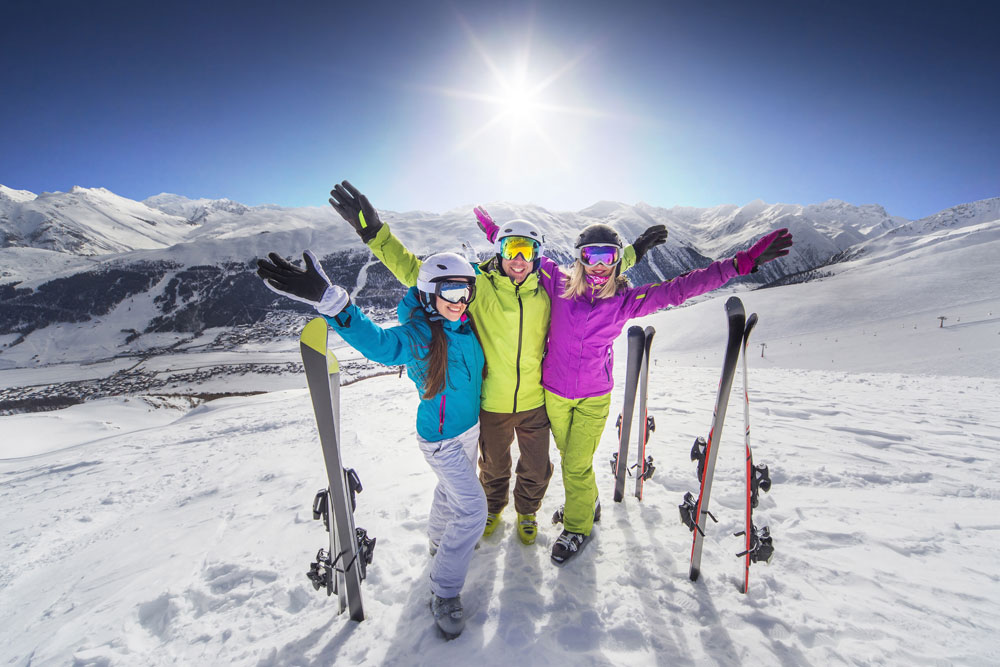
Intermediates
If you’re an intermediate, Les Arcs is basically a buffet.
The domain is built for cruising: long blues/reds, loads of mileage, and that satisfying “we skied a different area every day” feeling – and if you go full Paradiski, it becomes genuinely massive.
Best sectors tend to be the wide-open ski terrain around the Arcs bases and the link potential over to La Plagne.
Stay tip:
- Arc 1950 is a brilliant “easy access + nice evenings” sweet spot, while Arc 1800 is ideal if you want ski convenience and nightlife.

Advanced skiers & snow-sure seekers
Aiguille Rouge is the headline – it’s high, dramatic, and gives you a proper top-to-low descent that feels like an event.
There’s also plenty of freeride appetite in the area, but the sensible note is the obvious one: if you’re going off-piste, do it with the right kit, the right knowledge, and ideally a guide (this is serious alpine terrain, not “a little side hit”).
Stay tip:
- Arc 2000 is your high, snow-sure launchpad for first lifts and quick access to the upper mountain.

Snowboarders
Boarders tend to like Les Arcs because it’s lift-linked and modern-feeling, with plenty of gondolas and chairs and fewer “endless drag lift slogs.”
The terrain also lets you build a day without loads of flat traverses if you plan your routes (the trick is choosing sectors that naturally drop you back to your base without awkward run-outs).
Stay tip:
- Arc 1800 works well because it’s central and you can pivot easily between sectors without constantly fighting the geography.

Beginners
Les Arcs is quietly strong for beginners because you can start in protected progression zones and step up in stages rather than being yeeted onto a terrifying red “for the views.”
There’s a specific beginner/progression setup and beginner areas across Arc 1800/2000 and Vallandry, plus beginner lift pass options.
Stay tip:
- Arc 1800 is the most beginner-friendly base for that “everything nearby” feeling, while Peisey/Vallandry is calmer if you want space and fewer people around you while you learn.

Families
Family-wise, you’ve got a strong mix: beginner zones, structured progression, under-5s free on the pass, and plenty of non-ski “reset activities” when someone melts down (child or adult – no judgement).
The Mille8 area in Arc 1800 is especially handy for that “ski a bit, play a bit, warm up, repeat” rhythm.
Stay tip:
- Arc 1950 is brilliant for easy ski-in/out and family-friendly evenings, while Arc 1800 is practical if you want facilities and options on your doorstep.

Freestyle / Terrain Parks
Les Arcs has a legit freestyle identity: you’ve got a snowpark setup plus the Mille8 zone blending freestyle features with family-friendly fun, which makes progression feel less intimidating.
The park scene is good for mixed-ability groups because you can have beginners trying their first boxes while stronger riders hunt bigger features, without it feeling like two different worlds.
Stay tip:
- Arc 1800 is the obvious base because Mille8 and a lot of the freestyle “gravity” sits there.
Looking to stay in Les Arcs?
Where is Les Arcs?
Les Arcs is in Savoie, in the Tarentaise Valley of the French Alps, above the valley town of Bourg-Saint-Maurice.
It’s part of the Paradiski ski area, linked with La Plagne by the Vanoise Express cable car – which matters because it turns your holiday from “nice big resort” into “genuinely massive linked area” if you choose the right pass.
In practical travel terms, you either come up the valley by road from airports like Geneva/Lyon/Grenoble/Chambéry (traffic depending), or you do the very satisfying train-to-Bourg route and funicular straight into the resort.
Looking to stay in Les Arcs?
Skiing in Les Arcs (ski area, terrain, lifts, snow)
Les Arcs is one of those places where the terrain feels bigger than the map suggests because it’s so varied: high alpine bowls up top, ridgelines that string runs together nicely, and proper forest skiing lower down (which is gold when visibility goes full “grey soup”).
The resort’s also good at giving you “choose your intensity” days: you can lap mellow blues and still end up somewhere scenic and satisfying, or you can make your day revolve around one big objective like Aiguille Rouge.
And if you’re on the Paradiski pass, the link to La Plagne means you can dodge crowds by simply… leaving them behind.


Terrain overview
Les Arcs is basically one of the two “halves” of the Paradiski story: it’s your big, high, north-facing playground on one side, with La Plagne sitting opposite – and the Vanoise Express is the little cheat code that stitches the whole thing together.
On the Les Arcs side, the mountain breaks into a few key rhythms. The Arc bases (1600/1800/1950/2000) plug you straight into the main ridges and higher bowls, so you can rack up proper mileage without loads of faffing. Peisey-Vallandry is the calmer gateway: more trees, more “we’ll just do one more run” energy, and it’s also your best launch point for hopping over to La Plagne.
Navigation is pretty intuitive once you clock the pattern: the busy flow is always the obvious central links, while anything that needs one extra lift or a tiny detour tends to feel quieter and more local. Up high, the Aiguille Rouge zone is the “big day” headline act – unreal views when it’s clear, but if the light goes flat or the fog rolls in, it can turn into a “where am I and why is everything white?” moment. That’s when the mid-mountain and tree-lined sectors suddenly become the smartest part of your map.
Stay tip:
If you want easy access to both Les Arcs and La Plagne without making it a mission, base yourself in Peisey/Vallandry (it’s the calm connector that keeps your options wide open).
Lifts & getting around the mountain
Les Arcs has that modern, high-capacity feel – the kind where you can feel the scale just by looking at the lift map.
In practice, the lift system in Les Arcs works well: big uplift, lots of ways up, and plenty of mid-station options that stop you being funnelled into one single choke point all day.
The queues, though, still do exactly what you’d expect in a mega-linked area: they bunch up at the main lift fronts first thing (everyone’s buzzing), then again late afternoon when the entire mountain suddenly remembers dinner exists.
Your best queue dodge is boring-but-brilliant: start earlier than your instincts want, and don’t do the biggest cross-domain links at the exact moment everyone else does.
The classic crunch is mid-morning (roughly 10:30–11:30) when people set off to “go explore”, and then again around 15:30-ish when they all try to reverse that journey at the same time.
If you’re doing a La Plagne hop, do it early and come back earlier than you think – or commit to a proper “over there for the day” plan so you’re not racing the clock.
Also: lunch timing is sneaky powerful. Eat 20–30 minutes off the main peak and you’ll often skip both restaurant queues and lift queues.
Stay tip:
If you hate morning lift scrums, Arc 1950/2000 is your best “clip in and go” base – you’re already high and you can usually slip onto the mountain while lower starts are still forming a conga line.
Snow reliability & season length
Altitude is your friend here, and Les Arcs uses it well. With Aiguille Rouge topping out at 3,226m, there’s usually a properly wintery option available even when the lower villages are getting a bit glossy and spring-like in the sun.
Early season tends to reward the higher bases (Arc 2000 in particular) because you’re closer to the coldest terrain straight away, and you’re not relying on the lower layers bedding in.
Late season becomes more about timing and aspect: firmer mornings up high, softer afternoons lower down, and a bit of “follow the best surface” decision-making depending on temperatures and sunshine.
One of the most underrated skills in Les Arcs is knowing when to bail from the top. If it’s windy or visibility is doing that flat-light thing where the piste and the sky become the same colour, dropping into more sheltered, mid-mountain terrain can instantly make your day feel easier and safer.
Trees are the great mood stabiliser: they give definition, they cut wind, and they often ski better in stormy spells than exposed ridges.
After fresh snow, the temptation is to go straight to the headline high zones – fair – but if everyone does that, the “one lift extra” areas can stay lovely for longer.
Stay tip:
Booking early/late season? Pick Arc 2000 for maximum snow confidence and the simplest access to the highest, most reliable terrain (you’ll thank yourself on marginal snow weeks).

Les Arcs has a big freeride culture, and it shows – the terrain invites it, the vertical is serious, and there’s a constant “just one more line” vibe when conditions are good.
But it’s proper alpine off-piste: avalanche risk is real, the weather changes fast, and “it looks fine from here” is not a safety plan. If you’re leaving marked runs, you want the right kit (and the knowledge to use it), and a guide is the smartest upgrade you can buy if you’re not 100% confident on route choice, snowpack, and safe decision-making.
Also worth flagging: not everything that looks like a run is groomed like a run. In big French domains you’ll often find areas that are marked or signposted but can be left ungroomed or variable – fun in good conditions, spicy in bad ones – so treat anything beyond the obvious pistes with extra respect.
Stay tip:
If off-piste is a priority, base in Arc 2000 so you can hit high terrain early (best stability/conditions window), then adjust your plans as the day warms up or visibility shifts.
Beginners & improvers
Les Arcs is strong for beginners and improvers because it’s structured – you don’t feel like you’re being thrown into the deep end unless you choose to.
There are progression areas across multiple bases, plus a clear “start here, then level up to this” flow: magic carpets and gentle learner lifts near ski schools, then step-up blues where you can practise without that constant fear of a surprise steep pitch.
Arc 1800 (with the Mille8 area) is often the sweet spot for that “learn, lap, repeat” rhythm, but Arc 1600 can also be great if you want things a little calmer and more straightforward.
For improvers, the big win is variety without chaos: you can find wide, confidence-building pistes, then gradually introduce steeper sections or longer descents as your legs wake up through the week. The key tip is not rushing the jump from nursery slopes to “proper” pistes just because you can.
Choose a progression route that keeps the gradient forgiving and the navigation obvious – it’s amazing how much faster people improve when they’re not stressed and lost. And if you’re in a mixed group, Les Arcs makes it easier to regroup: agree a lift as a meet-up point and you’ll avoid the daily “where are you?” scavenger hunt.
Stay tip:
If you’re learning, stay in Arc 1800 so ski school meeting points, beginner zones, and post-lesson hot chocolate are all within a short wobble.
Freestyle & “more than pistes”
Freestyle isn’t an afterthought here – it’s properly woven into the mountain.
You’ve got the Les Arcs Snowpark for dedicated park laps, plus the Mille8 zone in Arc 1800 which has that broader “fun area” vibe: features for different confidence levels, a bit of spectacle, and loads of easy ways for mixed groups to share the same space without everyone needing the exact same agenda.
It’s ideal for the classic group dynamic where one person wants jumps, one wants cruisy laps, and someone else just wants to take photos and judge everyone’s technique.
And if you’re a “skiing is the main event but I like side quests” kind of person, Les Arcs is an excellent ski resort for that too: sledging runs, pools/spa-style chill time, and often those big, slightly unhinged experiences (like zipline-style adrenaline stuff) depending on what’s operating and what your pass covers.
The practical perk is that a lot of these extras cluster around the main bases, so you can peel off for an activity without the whole day turning into a logistics exercise.
Stay tip:
If you want parks plus easy meetups for mixed groups, Arc 1800 is the most convenient home base – it’s the social hub with the best “do different things, still meet for lunch” layout.
Best Runs in Les Arcs (by ability)
For beginners:
Start where it’s designed to be kind. “Piste des Minis” is literally built for first descents, and the Arc 1800 progression setup makes that first “I’m actually skiing” moment feel way less dramatic.
If you’re in the Mille8 orbit, “Le Cube” is a famously gentle confidence-builder – the sort of run that turns nervous beginners into people who suddenly want to do “one more.”
For intermediates:
The joy here is linking comfortable pitches into long, satisfying legs-burners.
“Belvédère” is a great named option that’s accessible and scenic, and “Marmottes” is a classic “blue you can lap without stress” kind of run when you want mileage.
The bigger win is planning: pick a sector, lap it properly, and avoid spending your whole day commuting between areas.
For advanced:
This is the headline: Aiguille Rouge.
You’re skiing from the top of 3,226m down towards Villaroger, and it’s a full “from glaciers to apple trees” story arc in one descent.
It’s the run people remember from the trip – and yes, it can queue, which is why tactics (timing, fast track, early start) matter if you’re determined to do it.
Off-piste note:
You’ve got proper, descents that feel like rites of passage – Grand Col is the famous one (big, wild, memorable), and Malgovert is a classic if you like your skiing a bit more natural. If you want to turn the difficulty dial up again, you’re looking at stuff like the Aiguille Rouge slopes, Comborcière, and Aiguilles Grive lines – all the fun, all the consequence, and very much “do this with the right conditions + the right people” terrain.
Looking to stay in Les Arcs?
Looking for accommodation in Les Arcs
Picking ski accommodation in Les Arcs isn’t just “which hotel looks nice” – it’s “which version of the holiday do you want?”
Arc 1600 is your quiet, practical base with the train-friendly funicular connection, so it’s great for people who value simple logistics and calmer evenings. Arc 1800 is the social hub: more restaurants, more bars, more choice, more buzz, and it’s a very convenient “central” launchpad for the ski area. Arc 1950 is the pretty one – pedestrian, compact, and designed to feel like a resort village rather than a set of apartment blocks, with excellent ski-in/ski-out convenience.
Arc 2000 is higher, snow-surer, and more functional – ideal if your priority is maximising ski time and minimising weather stress. Bourg-Saint-Maurice is your valley-town option (often cheaper and more “real life”), while Peisey-Vallandry is the calmer, slightly more traditional-feeling base and your smartest pick if you’ll be linking to La Plagne a lot.
Quick chooser: which area is right for you?
- If you’re coming for après, don’t kid yourself – Arc 1800 is your best bet.
- If you’re coming to ski hard and chase snow, Arc 2000 makes mornings effortless.
- If you want the “cute village” feel and easy ski-in/out, Arc 1950 is the crowd-pleaser (especially for couples and families).
- If you want quiet and convenience (and train travel), Arc 1600 is a sleeper hit.
- If you’re doing big Paradiski days and want the La Plagne link to be painless, Peisey/Vallandry is the tactical choice.
Village Comparison Table
| Area / Base | Altitude | Vibe | Best For | Nightlife | Beginner-Friendly | Access / Getting Around |
|---|---|---|---|---|---|---|
| Arc 1600 | 1,600m (approx) | Quieter, practical, train-friendly | First-timers, calmer trips, easy logistics | ★★ | ★★★★ | Funicular access from Bourg; simple layout |
| Arc 1800 | 1,800 (approx) | Lively, lots going on | Après, groups, convenience | ★★★★★ | ★★★★ | Central base with lots of facilities |
| Arc 1950 | 1,950m (approx) | Pretty, pedestrian, “village” feel | Couples, families, ski-in/out lovers | ★★★ | ★★★ | Compact, walkable, easy to ski from |
| Arc 2000 | 2,000m (approx) | High, functional, snow-first | Snow reliability, keen skiers | ★★ | ★★★★ | Fast access to high terrain |
| Peisey-Vallandry | 1,600m (approx) | Calmer, more traditional feel | La Plagne link, chilled weeks | ★★ | ★★★★ | Best Vanoise Express access |
| Bourg-Saint-Maurice | Valley town | Real town, practical base | Budget, non-ski variety | ★★★ | ★★★ | Funicular up to Arc 1600 |
(Star ratings are “relative vibe” rather than gospel)
Best Area for First-Timers
Arc 1800 is the easiest first-trip base because it’s basically the resort’s “main hub” in human terms: loads of food options, loads of rental shops, loads of ski-school organisation, and that comforting feeling that you can solve most problems within a five-minute wander (instead of trekking across a snowy road in ski boots like a tired penguin).
If you’re new to Les Arcs, this matters more than you think – it keeps mornings smooth, makes ski lesson logistics painless, and means nobody melts down because they can’t find a helmet that fits at 8:55am.
It’s also very forgiving if you misjudge your plans. Grim weather? You still have cafés, bars, shops and activities to salvage the day.
Someone’s tired? You can dip back for a break without turning it into a full expedition.
And if you want a sociable vibe, it’s right there – you’re not relying on “maybe there’s something happening… somewhere.” The mountain access is also nicely flexible: you can build confidence on easier stuff, then gradually branch out without feeling like you’ve committed to expert terrain just to get home.
Stay tip:
If it’s your first time, prioritise being close to the main lift/ski school meeting points in Arc 1800 – shaving 10 minutes off the morning shuffle is worth more than extra room.
Best Area for Ski-in Ski-out
Arc 1950 is the classic answer if you want ski-in/ski-out to be genuinely convenient, not “technically ski-in/out if you enjoy hiking in ski boots while carrying a child and a baguette.”
It’s compact, pretty, and built around the idea that you’re moving around on foot with skis nearby – so the whole place just works for that step-out-and-ski rhythm.
You’ll also love it if your group has mixed energy levels, because it’s easy for people to peel off, head home, and regroup without anyone getting stranded.
Arc 2000 also delivers that ski-in/ski-out convenience, and it’s brilliant if your main priority is quick access to high terrain (and good snow).
The vibe is more functional than storybook, but the payoff is “first lift, best conditions” potential – especially in peak weeks.
The honest reality check in both places: places love to say “200m to the lift,” and 200m uphill in ski boots is a different sport. Also check whether you’re truly on the snow, or on a road-level building with a little stomp involved.
Stay tip:
Don’t just filter for “ski-in/ski-out” – look for wording like “on the piste” or “next to the lift,” and double-check the map so you’re not accidentally booking the Olympic Boot March.
Best Area for Nightlife
Arc 1800, no contest. This is where the après energy is most consistent, and it’s the base where you’re most likely to find something happening without needing a mission-plan, a taxi, and a group WhatsApp argument about “where are we actually going?”
It’s got the biggest concentration of bars and that general buzz that makes a ski holiday feel like a ski holiday – you can finish your last run and slide straight into “drinks somewhere lively” mode.
It’s also the best pick if your group is split between party people and early-bed people, because it’s easier to do your own thing without anyone feeling like they’re stuck in the wrong vibe.
Want a couple of sociable pints? Easy. Want a bigger night? Also more likely here than elsewhere. And crucially, it’s convenient – nightlife is only fun when getting home doesn’t feel like a mini logistics operation.
Stay tip:
If nightlife matters, book central in Arc 1800 (walkable to bars), so you’re not relying on late-night shuttles or pricey taxis when everyone’s already tired.
Best Area for Families
Arc 1950 is brilliant for families who want a cosy, contained village feel – it’s compact, pretty, and easy to manage with kids because everything is close and you’re not constantly herding everyone across long distances.
It’s very “wake up, breakfast, ski, hot chocolate, repeat,” which is exactly what many family trips want.
Arc 1800 is great for families who want options: more activities, more facilities, and the Mille8 zone nearby for those “ski + play + warm up” days when energy (or weather) is variable.
If you’ve got very young kids or first-timers, the real win is proximity to beginner/progression areas and meeting points – not just a nice-looking apartment with a view.
Family holidays live and die on friction: less walking, less carrying, fewer “why is this so far?” moments.
Stay tip:
For family sanity, choose accommodation within a short, flat walk of beginner zones/ski school meeting points – convenience beats charm when you’re negotiating gloves, snacks, and small-human morale.
Best Area for Budget Travellers
Bourg-Saint-Maurice often wins on pure cost because it’s a real town with real-world pricing – especially for supermarkets, bakery runs, and “we just need dinner that isn’t €22 for pasta” nights.
The big bonus is the funicular up to Arc 1600, which keeps skiing access quick without paying peak resort premiums for every little thing.
You lose some of the “ski village” atmosphere, but if your priority is skiing a huge domain while spending less overall, it’s a very smart trade.
If you want to stay on the mountain but keep things calmer (and sometimes cheaper), Arc 1600 can be a good compromise: quieter than 1800/1950, still well-connected, and often better value – especially if you’re not chasing après.
Budget isn’t just about accommodation either: staying somewhere with easy self-catering options, or close to a supermarket, can save a surprising amount over a week.
Stay tip:
Stay in Bourg-Saint-Maurice or Arc 1600 and plan a “big shop” early in the week – you’ll feel the savings every single time you don’t buy a snack out of pure hunger-panic.
Our Top Hotels

★★★★
- Village - Arc 1600, forest-edge setting around 1,750m
- Lifts - ski-in/out
- Pool + spa
The bonus is the all-inclusive Club Med setup: meals, ski-school structure, kids clubs and slope access – all designed to reduce faff.
The hotel has a smart, modern mountain feel, with big views, a proper wellness area and a forest-edge position that feels calmer than the Arc 1800 base.
Arc 1600 also has the funicular link down to Bourg-Saint-Maurice, which adds a useful bit of flexibility.
Why choose it? Pick it if you want the most bundled-up, hand-held, low-stress route into Les Arcs skiing.

★★★★★
- Arc 2000, heart of the village
- Lifts - ski-in/out
- Pool + spa
The apartments are modern, well set up and comfortable. Then you add the pool, sauna, hammam and fitness bits, and suddenly it becomes a very strong option for people who want flexibility without giving up that post-ski pampering feeling.
It is especially good if your group includes people who like a quiet evening in with a bottle and a balcony view rather than a nightly bar crawl.
Why choose it? Luxury-apartment living with proper slopeside convenience and a spa that keeps it feeling special.

★★★★
- Arc 1800, Chantel side
- Lifts - virtually ski-in/ski-out; ski school about 3 mins walk
- Pool + spa
The piste-side position is a big plus, and the short distance to the ski school meeting point makes it practical. You also get the wellness area back at base, which is a nice little reset button after a full day.
Because it is next to Edenarc and only a short walk from restaurants in Arc 1800, the routine works nicely whether you are self-catering, heading out for dinner, or just trying to keep everybody in the group happy.
Why choose it? One of the best low-faff, high-comfort picks in the resort for a broad mix of travellers.

★★★★
- Village - Arc 2000, quieter high-altitude position
- Lifts - close to slopes, 50m from ski access
- Pool + spa
It’s is comfortable, with proper wellness facilities and roomy apartments that work well for families or mates. The pool, sauna and hammam are a big bonus at this price level.
You’re not getting hotel service or a nightly restaurant routine, so this suits independent those who don’t mind a supermarket run. But with heated boot storage, slope proximity and high-altitude convenience, it’s very sensible.
Why choose it? Pick it if you want group-friendly savings without giving up pool-and-sauna bragging rights.
Tour Operators who go here
Looking to stay in Les Arcs?
Après ski, restaurants & winter activities
Les Arcs is one of those resorts where you can design your evenings.
If you want big-name après and a late-night scene, you can absolutely do it.
If you want cosy pub vibes, nice dinners, and earlier nights, you can do that too – and you don’t have to feel like you’re “missing out,” because the ski days here are the main event.
Food-wise, you’ve got everything from on-mountain terraces where lunch turns into an accidental DJ set, to genuinely good hotel restaurants (especially up in Arc 2000), plus plenty of simple comfort food for the “we skied hard, feed me now” crowd.
And because there are multiple bases, you also get a lot of choice in non-ski activities: pools/spa, sledging, and other altitude experiences that are actually worth doing rather than pure filler.

If you want the headline party vibe, aim yourself at Arc 1800. That’s where the big energy tends to gather, and it’s the base where you’re most likely to find a proper après atmosphere that starts early and keeps going.
If you want a more pubby, hop-between-venues evening, Arc 1950 is excellent – and it looks great lit up at night, which helps.
For named spots, you’ve got plenty to choose from depending on mood: Le Cairn (Arc 1600) for something straightforward and friendly, Le 2134 (Arc 2000) if you want drinks up high, and Arc 1950 options like Wood Bear Café, O’ Chaud, and Le Chalet de Luigi for that cosy, sociable village circuit.
Arc 1800 throws in places like Mountain Café, GOOFY CAFE, and Miam Corner, and down in Bourg you’ve got options like Esmé and Allez Café Vélo if you’re staying valley-side.
And yes – don’t miss La Folie Douce in Arc 1800, with the kind of “dancers on tables” chaos you either love or fear.
Mountain‑top Moments
Mountain lunches in Les Arcs can be as quick or as dangerous as you make them.
If you want the classic “sun terrace, long lunch, suddenly it’s 3pm” experience, places like l’Arpette are famous for exactly that – it’s a proper slopeside institution between Arc 1600 and 1800, with the sort of terrace that makes you forget you ever had a schedule.
Les Chalets de L’Arc is another big hitter on the mountain for hearty Savoyard classics when you want food that actually fuels you.
How to do lunch like a pro: pick one “nice lunch” day where you commit to the terrace and enjoy it properly, then keep the rest of the week efficient – earlier lunch (before the rush), a solid bowl of something warm, and back out while everyone else is queuing.
Your legs will last longer, your afternoons will be quieter, and you’ll still get your postcard lunch moment without sacrificing half a ski day.

In the villages, you’ve got a really solid spread – and it’s one of those “everyone can be happy in the same group chat” resorts.
Arc 2000 has the more special-meal feel: La Table du Taj-I Mah is the obvious “let’s make tonight a proper event” pick, and if you want something easier (but still nicely done) the hotel’s brasserie l’Atelier does the warm, sociable thing with big-pleaser food and a view. If you’re leaning classic, Le Savoy is another Arc 2000 staple for a smarter sit-down without it getting too stiff.
Arc 1950 does cosy ridiculously well. The Wool Socks Pub is your friendly “beer + comfort food + zero effort” option, and Le Perce Neige is the classic Savoyard move when the table wants cheese-on-cheese (fondue nights, basically). If someone’s hit their melted-cheese limit (it happens), Arc 1950’s got other flavours too – Le Chalet de Luigi is a fun curveball for a more pubby, lively dinner that’s not just another tartiflette rinse-and-repeat.
Arc 1800 is where the choice really ramps up (bigger village = bigger “what do you fancy?” energy).
You’ve got everything from Restaurant L’Oasis (Maghreb flavours that are a very welcome palate reset midweek) to more casual spots like L’Entrepot’es for tapas-and-drinks vibes.
Arc 1600 is a bit quieter and more relaxed – good for low-fuss dinners and a “home by 10” rhythm (the restaurant/bar at Hôtel La Cachette is handy if you want something easy, central, and warm).
And yes – wherever you are, you’ll still find the local greatest hits on menus: fondue savoyarde, tartiflette, croziflette… the holy trinity of “I’ll ski it off tomorrow” decisions.
If you need a break from skiing (or someone in your group does), Les Arcs is unusually good at offering alternatives that still feel like you’re on holiday, not just killing time.
The easiest “swap skis for serotonin” move is La Piscine (Arc 1800) – a big aqualudic centre with 3,800m² of pools + spa-style kit (jets, whirlpools, bubble beds… the whole repair my legs menu).
For proper giggles (and zero technique required), sledging is genuinely good here: Luge 2000 (Arc 2000) is a 3km run with proper turns and speed, and Luge 1800 (Arc 1800) is shorter at 900m great if you want a quick hit before dinner or with smaller kids in tow.
If your crew needs an indoor “bad weather / tired legs” plan, Bowling is an actual thing in resort (not a sad afterthought): there are lanes in Arc 1800 and Arc 2000, plus pool tables, a bar vibe, and enough entertainment to keep teens from staging a revolt.
And if you want something that feels very Les Arcs, go for a “mountain experience” day: the Aiguille Rouge Zipline launches from the top of the Varet cable car and can hit 130 km/h (yes, really), and it’s open to pedestrians too – so you don’t need to ski that day to do it. For slower-paced nature time, there are snowshoe routes and guided walks (classic “spot chamois, feel smug” energy).
Bonus recovery option: if your idea of activity is “lie down somewhere warm and expensive,” Deep Nature Spa – Les Sources de Marie (Arc 1950) is the full spa commit.

Getting home safely & easily
Getting home after après in Les Arcs is basically a “don’t miss your last connection” game – and it’s way easier if you pick the right one for where you’re staying.
If you’ve been slope-side at La Folie Douce (Arc 1800), just keep one eye on the clock: you’ll want to ski down or download by lift before the mountain turns into a very cold, very expensive hike.
Once you’re back in the villages, your default is the free inter-station shuttles (Arc 1600/1800/1950/2000) – timetables are posted at stops and you can download them, so it’s worth doing a quick “what’s my last bus?” check before everyone commits to “one last round.”
And for genuinely late finishes, Les Arcs has a couple of built-in lifelines: Dahu runs in the evening (until 23:00 in season) and the Cabriolet link runs even later (until 23:30, with a short break in service) which can save you from the peak-week taxi scramble.
Taxis/VTCs are the fallback for door-to-door ease – so if you know you’ll need one (big group, kids asleep, far-from-centre apartment), book ahead and agree the plan upfront.

Ski schools & learning zones
Les Arcs is built to handle learners and improvers without turning it into a stressful maze.
The big advantage is that lessons and beginner zones aren’t confined to one tiny nursery slope – there are multiple progression areas across bases, and the resort actively encourages a step-by-step approach (first glide, first turns, first descent) rather than throwing you into the deep end.
That’s great for confidence, and it also means families and mixed groups can stay in the same base without everyone feeling stuck.

Les Arcs also has a proper beginner set-up with dedicated progression zones plus a spread of green runs across the different sectors – the whole point being gentle gradients, simple uplift, and fewer accidental “oops this is steeper than expected” moments.
Beginner terrain in Les Arcs isn’t just “somewhere over there” – it’s laid out in three clear learner hubs, each with its own gentle uplift, so you can stay local and progress without doing a daily expedition.
Arc 1800 (best “learn + progress” vibe)
Your first steps are right on the snowfront with a conveyor belt (magic carpet) by the ESF meeting point for proper baby-deer practice.
Then you level up by taking the Les Villards gondola and doing your first easy laps from the top (including the “Piste des Minis” back down, designed for exactly that early-confidence stage).
If you’re staying around Arc 1800, this is the big practical win: you can repeat the same beginner zone until it feels familiar, then add one lift at a time – no stressful “how did we end up here?” navigation.
Arc 2000 (high, sunny, and surprisingly beginner-friendly)
Arc 2000 has a proper dedicated start area too: your “first slide” is on the Eldorador carpet at the snowfront, then you move onto the Saint Jacques chairlift for the beginner progression runs – specifically the Bas KL ski slope for early turns, then the Saint Jacques run for your first longer descent once you’re ready.
And if you’re bouncing between Arc 2000 and Arc 1950, the Cabriolet gondola link makes it painless – handy if half your group is in one base and half in the other.
Vallandry / Peisey-Vallandry (quiet, confidence-building, easy to access)
The dedicated progression area here is at the top of the Vallandry cable car – which is great because you’re not mixing with fast traffic while you’re still figuring out stopping.
It’s also easy for non-skiers to reach (they can come up, watch, cheer, take photos, be moral support).
Weather-proofing (aka: when it’s windy/flat light up high)
If the visibility’s grim, your best move is to drop into more sheltered, lower learning terrain – Arc 1600 is often a quiet option with tree-lined blues and short lifts that work well for drilling turns without chaos.
If lessons are a big part of your week, pick Les Arc accommodation like you’re choosing a school run: distance beats views every time.
Arc 1800 is the easiest for stress-free lesson mornings because it has the biggest concentration of rental shops, ski school organisation, and “everything you need is basically right there” convenience.
That means fewer moving parts: you can grab gear, fix a forgotten glove situation, and still arrive at the meeting point without doing the full panicked sprint in ski boots.
Arc 1950/2000 suits you if you want that ski-in/ski-out rhythm and quick access to higher terrain once lessons finish – ideal if one person’s learning and the others want to disappear for proper skiing as soon as the instructor takes over.
The key is matching your base to your routine: if you’re doing group lessons with a fixed meeting point, staying nearby saves your legs (and your mood) every single morning. If you’re self-catering, also consider being close to a supermarket/mini-mart so you’re not stacking “logistics chores” on top of lesson timing.
Les Arcs is brilliant… but it’s also spread out, so day-one lesson logistics can feel weirdly confusing if you assume “I’m in Arc 1800 = I’m in the right place.”
The big Les Arcs-specific thing to know is that meeting points are tied to the snowfront of your sector – and some sectors have more than one “centre.”
- Arc 2000: if you’re with ESF, they’re based on Place Olympique, which is the main front de neige in Arc 2000 – that’s your anchor point.
- Arc 1800: this is the classic “people get it wrong” zone because it’s four pedestrian villages (Charvet, Villard, Chantel, Charmettoger). Even if you’re “in 1800,” you can still be a 10–15 minute stomp/shuttle away from the right snowfront.
- Peisey–Vallandry: ESF has two meeting points, and they specifically tell you to choose the one closest to where you’re staying (both by lift pass offices / their ESF offices).
- Arc 1600: it’s the first village and directly linked to Bourg-Saint-Maurice by the funicular, so if you’re staying down the valley or arriving by train, that funicular-to-lessons flow is totally doable… but you don’t want your first attempt to be five minutes before lesson time.
The practical Les Arcs move: do a 10-minute “snowfront recon” the day before. Walk to the exact lift front/meeting area your ski school uses, spot the flags, and time it from your accommodation (in ski boots, not trainers – very different sport).
If you’re in Arc 1950 but lessons are in Arc 2000, practise the link once (it’s easy when you know it, but confusing when you don’t).
Looking to stay in Les Arcs?

Lift passes, costs & budgeting
There are three main choices for lift passes in Les Arcs: stay within Les Arcs/Peisey-Vallandry with the Classic Pass, unlock the full 425km Paradiski domain with the Essential Pass, or pay more for Premium if you’ll actually use the included activities and extras.
For many families and intermediates, the Classic Pass is plenty. Les Arcs and Peisey-Vallandry alone offer around 200km of pistes, so you’re hardly signing up for a tiny local area.
If you know you’ll cross the Vanoise Express into La Plagne several times, the Essential Pass makes much more sense.
Beginners, meanwhile, have dedicated restricted-area tickets sold at lift-pass offices, so there’s no need to pay for 200km of skiing while you’re still mastering the snowplough.
The trick is simply matching the pass to the holiday you’re actually going to have.
Which ski pass should you buy in Les Arcs?
Think of it like this: staying this side of the Vanoise Express? Classic. Planning proper La Plagne days? Essential. Still learning? Start smaller.
Option A - Pass Classic (local: Les Arcs / Peisey-Vallandry)
What it is: Full access to the Les Arcs/Peisey-Vallandry ski area, including the funicular from Bourg-Saint-Maurice.
Best for: Families, mixed groups, intermediates and anyone who wants a substantial ski week without feeling obliged to cross into La Plagne.
For 2026/27, an adult pass costs €71 for one day, €368 for six days and €422 for seven days.
There’s also a particularly useful Paradiski extension day available to Classic Pass holders for €28 for adults or €23 for children/seniors. So if you only fancy one La Plagne adventure, you don’t necessarily need to buy Essential for the whole week.
Plain English: This is the “200km is already quite a lot of skiing” pass.
Option B - Pass Essential (Paradiski access)
What it is: The full Paradiski pass, covering Les Arcs, Peisey-Vallandry and La Plagne – around 425km of pistes in total.
Best for: Strong intermediates, advanced skiers and anyone who genuinely wants several big exploring days across the Vanoise Express.
For 2026/27, an adult pass costs €78 for one day, €412 for six days and €477 for seven days.
Essential also comes with extras including 14 express lift lanes, discounts on selected activities and, from a six-day pass, skiing from 12:30 on the afternoon before your pass officially starts.
That arrival-afternoon perk is rather good if you reach resort early enough to squeeze in a few warm-up laps.
Plain English: This is the “yes, we genuinely are going to ski La Plagne” pass.
Option C - Premium Pass
What it is: Paradiski access plus a bundle of included activities and extras rather than simply discounted ones.
For six days, an adult Premium Pass costs €491, compared with €412 for Essential. It includes benefits such as one zip-line ride, First Tracks, unlimited Luge 2000 rides and a swimming-pool entry, alongside the Paradiski skiing and express lanes.
It can make sense if those are things you were planning to pay for anyway. If you mainly want to ski, Essential is likely to be the more sensible step up.
Plain English: This is the “we want the skiing and we’ll actually use the toys too” pass.
Option C - Beginner Pass
Les Arcs also sells dedicated Beginner Passes for specific progression areas around places such as Arc 1800, Arc 2000 and Peisey-Vallandry.
They’re sold at lift-pass offices rather than online, with access tailored to the beginner sectors and easier progression slopes.
That makes much more sense for genuine first-timers than immediately buying a full Classic Pass. Once you’re confidently leaving the learning zones and exploring longer greens and blues, upgrade.
Plain English: This is the “master stopping first, buy 200km later” option.
Les Arcs lift pass prices 2026/27
Here are the published headline prices for Les Arcs Winter 2026/27 (prices shown in EUR):
| Classic Pass - Les Arcs / Peisey-Vallandry | Adult | Child | Senior |
|---|---|---|---|
| 4 hours | €57.00 | €46.00 | €46.00 |
| 1 day | €71.00 | €57.00 | €57.00 |
| 6 days | €368.00 | €295.00 | €295.00 |
| 7 days | €422.00 | €338.00 | €338.00 |
| Essential Pass - Paradiski | Adult | Child | Senior |
|---|---|---|---|
| 1 day | €78.00 | €63.00 | €63.00 |
| 6 days | €412.00 | €330.00 | €330.00 |
| 7 days | €477.00 | €382.00 | €382.00 |
Family and group discounts – definitely worth checking
Les Arcs has two useful discounts on 6 – 8 day Classic, Essential and Premium passes.
The Tribe Pack gives €10 off each pass when three or more people buy together for the same dates, duration and pass type.
The Family Pack gives €25 off each pass for groups of at least four people, including two people aged 13–74 and at least two aged 5–17.
Ski Demon tip: Travelling as a family or group? Check these packs before buying separate passes. Four people qualifying for the Family Pack is an easy €100 saving before anyone has even put a ski boot on.
Deposits, insurance, and when to buy
Here’s how to do Les Arcs like someone who hates queues and hates wasting money:
Pass card: Les Arcs issues the rechargeable ski-pass card free of charge, so there’s no separate card fee or refundable deposit. Existing compatible cards can also be reloaded online.
Insurance: Optional Carré Neige costs €3.50 per person per day, capped at €28 for 8–21 days. Check it alongside your own winter sports insurance rather than doubling up on cover you already have.
When to buy: Standard passes aren’t automatically cheaper because you buy early. Classic Passes can normally be cancelled or changed free up to 7 days before skiing, Essential and Premium offer free cancellation or modification up to the first ski day.
Before automatically buying Essential, do the maths. The 6 day upgrade from Classic is €44. If you’ll spend 2 or 3 days exploring La Plagne, that looks reasonable. If you only cross the Vanoise Express once, the €28 Paradiski extension day may be better.
Looking to stay in Les Arcs?
Common Les Arcs Ski Holiday Mistakes
Les Arcs is easy to enjoy, but its different bases and huge ski area mean a few common mistakes can make your holiday more tiring, more complicated or less rewarding.
Booking the “prettiest” base, not the right base
Arc 1950 is gorgeous, but if your group wants nightlife every night, you’ll end up commuting to Arc 1800 and resenting your own choices.
Flip side: Arc 1800 is brilliant for buzz, but if you want quiet, early nights and first lifts, you might sleep better in Arc 1600/2000. Decide what matters (ski convenience, vibe, budget, calm) and book accordingly.
Doing Aiguille Rouge at the wrong time (or in the wrong weather)
It’s a bucket-list run for a reason, but it’s also high mountain and weather-sensitive. If visibility is rubbish, you’ll spend the whole descent tense instead of thrilled. The smarter move is to pick your best weather day, start early, and treat it like the week’s “main event” rather than a casual add-on at 2pm.
Spending half the holiday “commuting” across the domain
Les Arcs is big enough that you can accidentally waste loads of time just linking between sectors because it sounds fun in theory.
The fix is simple: pick a zone for the morning, lap it properly, then relocate once (maybe twice) in a day – not constantly. Your legs will last longer, and you’ll ski more actual runs.
Beginners overreaching too fast because the map looks friendly
Les Arcs has great progression, but you still need to follow the steps: first glide, first turns, first descent – then build from there. If you jump from the nursery zone to something too steep too early, you’ll burn confidence fast. Stay in the progression system until turns feel automatic, then expand outward.
Ignoring the “tree terrain” plan on bad visibility days
When it’s whiteout up high, people either ski badly in panic… or they ski the lower, more sheltered stuff and have a great day. Les Arcs gives you both options, so have a visibility plan: if it’s grey, go lower and find shelter; if it’s clear, go high and enjoy the big views. Your mood will be wildly better for it.
Getting to Les Arcs
Travel to Les Arcs is straightforward, with several airport options and excellent rail links via Bourg-Saint-Maurice. Whether you’re flying, driving or arriving by train, here’s everything you need to know before you travel.
1) Fly + road transfer
(the “land, grab skis, go” option - with one small reality check)
Most people fly into Geneva, Lyon, Grenoble or Chambéry, then transfer up the Tarentaise Valley to Bourg-Saint-Maurice and on to the Arc bases.
In normal conditions it’s straightforward:
- Chambéry → Les Arcs: roughly 2 hours 30 minutes
- Lyon → Les Arcs: roughly 2 hours 45 minutes – 3 hours
- Grenoble → Les Arcs: roughly 2 hours 45 minutes – 3 hours
- Geneva → Les Arcs: roughly 3 hours 15 minutes – 3 hours 45 minutes
Real-world tip: when you book, don’t just say “Les Arcs” – specify which base. A driver dropping you at the wrong Arc isn’t a disaster… but it is annoying.
2) Train + funicular
(the “car-free and genuinely smooth” power move)
Train travel is one of Les Arcs’ secret superpowers: you go to Bourg-Saint-Maurice station, then jump straight onto the funicular to Arc 1600 (about 7 minutes).
From Arc 1600 you connect onward to Arc 1800 / 1950 / 2000 using the free inter-station shuttles.
Real-world tip: check the last funicular + last shuttle for your arrival day before you book a late train. If you roll in after the last connection, you’ll still get up the mountain… but it becomes a “taxi quote + mild panic” situation instead of the smug, seamless train flex.
3) Driving to Les Arcs
(flexible, but plan for snow + parking logistics)
Driving is easy up the valley, then properly mountain-y for the final climb. The main flow is:
- Follow the N90 as far as Bourg-Saint-Maurice
- Then climb via the Route des Arcs (D119) to your base (1600 → 1800 → 1950/2000)
Real-world tip: have your chains/approved winter kit accessible (not buried under a week’s worth of luggage), and screenshot your accommodation’s exact parking/unloading instructions.
Les Arcs parking can be structured – if you arrive on a busy day and don’t know where you’re meant to unload, that’s how you end up doing the “circle the resort in a hire car” tour.
Getting around once you’re there (easy… with one tiny “multiple villages” reality check)
Walking (great in-resort… less great between bases)
Each Les Arc village base is pretty walkable once you’re in it - you can usually get from accommodation to lifts, ski hire, supermarkets and dinner without drama. The “Les Arcs gotcha” is that Arc 1600 / 1800 / 1950 / 2000 aren’t one town - so walking is brilliant for local errands, but it’s not how you do a casual “pop over to Arc 2000 for dinner” unless you’re also happy with a shuttle ride in the middle.
Free shuttles + lift links (your secret weapon for tired legs and “where are we?” moments)
This is where Les Arcs is better than most multi-base resorts: the funicular up to Arc 1600 plus the free inter-station shuttles mean you can move around without constantly paying for taxis. In real life, that’s what keeps evenings simple - you can stay in your base for most meals, then deliberately choose the odd “we’re going to 1950 tonight” plan without it turning into a mission.
Taxis (for late nights, door-to-door ease, or when you can’t be bothered)
Taxis are the “we’ve overcommitted” backup: handy if you’re staying somewhere a bit out of the action, if you’ve missed the last shuttle, or if the group is done with schlepping. The main thing to know is that there won’t be endless taxis hovering around, and in peak weeks they get snapped up fast, so if you know you’ll want one after dinner, pre-book and you’ll feel wildly organised.
Ready to make your piste dreams a reality?
Whether you’re scouting dreamy hotels, comparing the best tour operators or looking for fresh ski inspiration, we’re here to help you turn ideas into an actual holiday.
Take the next step by browsing hotels in this resort, choosing a trusted ski tour operator or signing up to our newsletter for destination ideas, practical advice and the latest tips delivered straight to your inbox. From finding the right place to stay to choosing the best way to book, we’ve got plenty to help you plan with confidence. Pick your next move and let the adventure begin.
Looking for more inspiration?
Sign up to our free newsletter

Ready to book your stay?
Take a look at our hotel guide and see what suits your requirements and budget
Tour operators
For more from our tour operators click the logos above
Les Arcs FAQs
Whether you’re visiting Les Arcs for the first time or heading back for another trip, these FAQs should help answer the most common questions before you book and before you travel.
Is Les Arcs snow-sure?
It’s one of the safer bets in France because it has proper altitude up top – Aiguille Rouge reaches 3,226m – and that gives you a strong chance of good conditions in midwinter and solid coverage into spring. The one nuance is that the resort spans a big altitude range, so lower village-level conditions can look springy while the upper mountain still skis like winter.
Best strategy: if snow reliability is your main concern, stay higher (Arc 2000) and build your day around upper-mountain skiing when needed.
Do I need the full Paradiski pass?
Not automatically. If you’re mostly going to ski Les Arcs / Peisey-Vallandry, the local pass can be plenty = it’s already a big area.
The Paradiski pass becomes worth it if you know you’ll do multiple La Plagne days, if you’re skiing a full week and get bored easily, or if your group likes exploring and ticking off new sectors daily. If you’re on the fence, price out “one-day extensions” versus just buying the bigger pass up front .
Which Arc should I stay in?
Pick based on how you want evenings to feel.
Arc 1800 for nightlife and convenience, Arc 1950 for a pretty, pedestrian village and ski-in/out ease, Arc 2000 for snow confidence and fast access to high terrain, Arc 1600 for calmer vibes and the easiest train logistics. If budget is king, Bourg-Saint-Maurice can be a smart base – just accept you’re trading some “ski village” atmosphere for cost savings and town practicality.
Is Les Arcs good for beginners?
Yes – and not in a “marketing says so” way. The resort actively supports step-by-step learning with progression areas in multiple bases, plus structured “progress courses” that move you from magic carpets to real pistes without a brutal leap in difficulty. The main tip is to base somewhere that makes lessons easy (Arc 1800 is the simplest), and to resist the temptation to chase views before your turns are automatic. Confidence grows faster when you’re not terrified.
How bad are queues?
They exist, like any big French resort, but they’re manageable if you ski smart. The worst queues are typically first thing at the main lift fronts and later afternoon when everyone funnels home.
Your fixes: start early, avoid arriving at major lifts at peak times (mid-morning and late afternoon), and plan lunches off-peak. Also, don’t do big cross-domain links at the exact time everyone else decides to “just pop over” – that’s how you accidentally spend 45 minutes travelling instead of skiing.
What’s the best way to do Aiguille Rouge without wasting time?
Treat it like a mission. Pick your clearest-weather day, go early, and build your morning around getting there efficiently.
The run is famous and can be queue-prone, which is why timing matters. If you’re the kind of person who hates standing around, look at options like booking a fast-track style slot where available, then enjoy the full “glaciers to apple trees” descent properly rather than rushing it.
Are there good non-ski things to do?
Yes – and that’s one of Les Arcs’ underrated strengths. The Mille8 zone in Arc 1800 is a proper leisure hub (not just a token activity), and the wider resort ecosystem includes things like sledging, pools/spa downtime, and other altitude experiences depending on what’s running. The key is to plan one or two non-ski blocks before you’re exhausted, so it feels like a fun choice rather than a desperate rescue mission for tired legs.
Is it good for snowboarding at Les Arcs?
Generally yes, because the lift network leans modern and the area is designed around linked skiing rather than endless drag-lift repeats. The main boarder tip is route planning: avoid finishing your day in a spot that forces a long flat run-out to get home. If your group includes mixed abilities, Arc 1800 is a good base because it lets you pivot between sectors without constantly getting stuck in awkward geography.
What lift pass should families buy?
Start with realism: how many days will you actually ski full days, and will you genuinely use “perk” activities? Under-5s being free is a big help, and families often like the idea of bundled discounts (or included activities) because it gives you easy backup plans when energy dips.
If you’re mostly staying local and your kids are in lessons, Classic can be fine. If you want bigger exploration and the extra perks appeal, Essential can make sense – especially for a full-week trip. Read our lift passes section above for more information.
Anything I should know that people don’t mention?
Two things. First: Les Arcs is multi-base, so your holiday hinges on base choice more than in a single-village resort – choose with intent, not vibes. Second: the area has rules and culture shifts that affect day-to-day comfort, like the move to a smoke-free ski area (including lifts and queues). It sounds small, but on a busy week it genuinely improves the experience.
Also, train travel here is so good it’s worth considering even if you normally fly – the funicular link is that rare thing: actually easy.