


Sestriere has that gloriously no-nonsense energy about it - high, snow-sure, and plugged straight into one of Italy’s biggest ski areas, like it knows you didn’t come all this way for one polite blue run and an early night.
This guide was written by Michelle Wheeler
Sestriere ski resort at a glance
Sestriere sits high in Italy’s Piedmont Alps, close to the French border, and it plugs straight into the Via Lattea (Milky Way) ski area – a proper, old-school “keep skiing until your legs file a complaint” kind of domain.
The village is up at about 2,035m, which is a big deal for snow confidence, and the local lift-served terrain reaches to roughly 2,800m-ish depending on sector.
In terms of scale, you’re not just buying “Sestriere” – you’re buying the wider connected network (often quoted around 400km of slopes and roughly 70 lifts across the Via Lattea system).
Locally, Sestriere itself has 82 slopes and 20 lifts, so you’ve got a strong home base even if you don’t roam every day.
Transfers are refreshingly doable: Turin Airport to Sestriere can be around 1.5 hours in good conditions, and Milan Malpensa is often around 2.5 hours. If you’re training it, Oulx is the handy rail gateway and you’re then a short hop up the mountain.

Altitude
2,035 m - 2,800 m
Pistes
400 km
Ski Season 26/27
5 Dec - 11 Apr
Transfer Time
90 mins
Number of pistes by difficulty
Resort Guide Quick Facts
(the stuff you actually care about)
Best for:
Confident beginners who want reliable snow and sensible progression, intermediates who live for long cruisy laps, and mixed-ability groups who don’t want drama every morning. There’s enough accessible terrain to keep everyone happy without turning each day into a logistical summit attempt.
Ski area size:
It’s “choose-your-own-adventure” big. The Via Lattea is about 400km of slopes with around 70 lifts across 8 interconnected resorts. Sestriere itself is a strong core base with its own lift system and slope count, so you’re not forced to roam to have a good day.
Altitude:
The village altitude sits at about 2,035m, which helps keep things wintry when lower resorts are having a wobble. Up top, you’re skiing around the high-2,000s metres depending on sector, so you’ve got proper mountain conditions – plus the usual “it’s glorious / it’s windy / it’s a whiteout” reality that comes with height.
Villages / bases (each has a different vibe):
Sestriere is the high, practical HQ. Borgata sits lower down the valley (and is tied into some of the bigger, sportier pistes). Then you’ve got nearby bases in the Via Lattea orbit like Sauze d’Oulx (more nightlife), Sansicario (quieter, family-leaning), Pragelato (lower, villagey feel and great for a change of pace), and Claviere/Cesana as gateway villages for links and day variety.
Beginner friendliness:
Better than people expect for a “big linked area” resort. There are dedicated beginner carpets and beginner-friendly chairlifts that open early season, and you can keep progression tight by sticking to the gentler zones before you graduate into longer blues.
Ski season (published dates):
Sestriere and the wider Via Lattea ski area are scheduled to run from 5th December 2026 to 11th April 2027. That gives you a solid early-December-to-mid-April window, although available lifts and pistes will always depend on snow and safety conditions. Check the official Via Lattea 2026/27 season announcement before booking right at either end.
You’ll love Sestriere for…
Extensive area
Beginners
Intermediates
| Our rating | |
|---|---|
| ★★★★ | Beginner |
| ★★★★★ | Intermediate |
| ★★★ | Advanced |
| ★★★ | Off-Piste |
| ★★★ | Snowboarding |
| ★★★★ | Snow Reliability |
| ★★★★★ | Extent |
| ★★★ | Apres-Ski |
| ★★★ | Mountain Restaurants |
| ★★★ | Scenery |
| ★★ | Village Charm |
| ★★★ | Non-Skiers |
Best for snow: Late January – March
Late January through to March is usually the sweet spot - cold enough for quality snow, plenty open, fewer “will it/won’t it” moments.
Best for value: Early December and late March
Early December and late March often land outside peak pricing windows - just pick your dates carefully and book smart.
Best for families: January (after the rush) or March
Early January (after the rush) and March are strong - better space on the slopes, easier lesson logistics, less queue chaos.
Avoid if possible: Christmas / New Year and key February weeks
Christmas/New Year and key February weeks if you hate queues - still fun, just more “plan it” than “wing it.”
Tour Operators who go here






Looking to stay in Sestriere?
What’s Sestriere like?
Sestriere feels like a ski resort that was designed by someone who actually skis. It’s high, it’s practical, and it’s built around getting you onto the hill quickly rather than sending you on a scenic pilgrimage to the lifts.
Add the fact it’s hosted major races and Olympic events and you get that “serious mountain town” energy – even if you personally are here for cruisers, cappuccinos and the occasional dramatic selfie with your helmet hair.
Because it’s plugged into the Via Lattea, the big win is variety without daily faff. You can have a “home mountain” routine in Sestriere, then decide mid-week that you fancy a different vibe and simply… ski there.
It suits UK skiers especially well because it’s not trying to be a boutique fairytale village – it’s trying to be a dependable base for a proper week on snow.
Town layout
Sestriere is compact enough that you can do the classic “walk to dinner in boots you swore you wouldn’t wear again”.
The resort has a clear centre with key services and lift access nearby, and then it spreads out into pockets (including areas that make more sense if you want quieter evenings or you’re prioritising ski-in/ski-out convenience).
The main thing to clock is whether your accommodation is closest to the lifts you’ll actually use every morning – that choice saves you minutes, energy, and mild arguments.
Overall vibe
Call it confident, unfussy, and slightly sporty.
Sestriere doesn’t do “curated alpine whimsy” – it does “get on the mountain, get the laps, then earn your dinner.” That said, it’s not rowdy-by-default: families and mixed groups work well here because the resort’s layout and variety makes everyone’s day easier.
If you want mega nightlife every night, you’ll either pick your venue carefully or hop over to one of the livelier nearby bases in the Via Lattea.
Après-ski
Après in Sestriere can be exactly what you want it to be: a chilled beer and a snack, a proper aperitivo session, or a lively slope-side party vibe if you seek it out.
The “move” is to decide what kind of week you want: if it’s mostly early nights and big ski days, stay central and keep it simple.
If you want a louder scene, you’ll gravitate towards the better-known après spots and potentially plan a couple of nights with taxis or shuttles rather than trying to stumble home in ski boots like a baby giraffe.
Looking to stay in Sestriere?
Who Sestriere suits
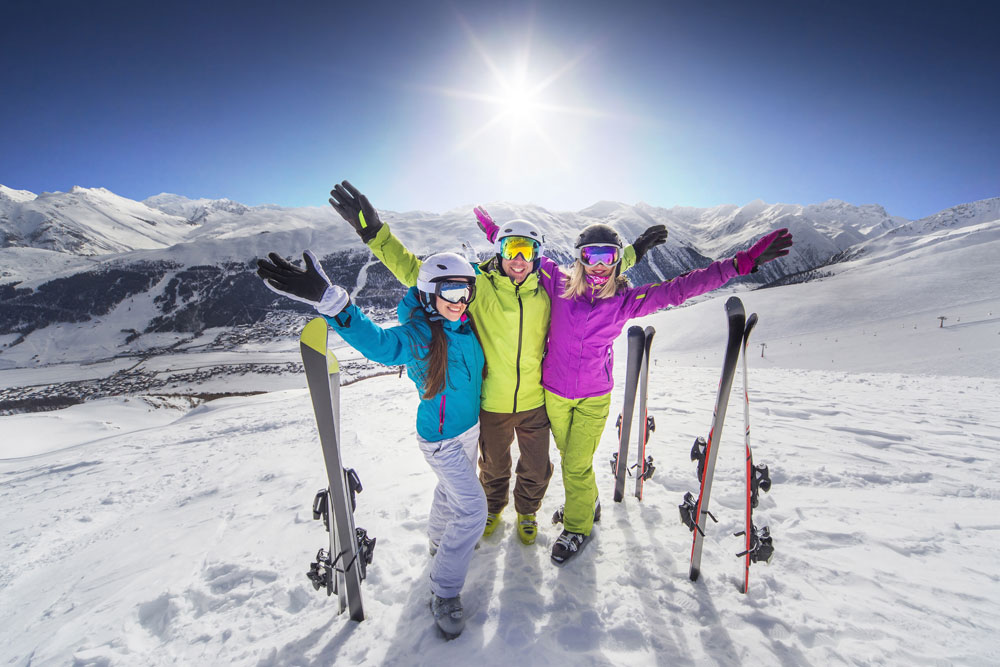
Intermediates (the sweet spot)
If you like long, confidence-boosting laps, you’ll have a very good week here.
The local Sestriere sectors give you plenty, and the bigger flex is using Sestriere as a hub to explore the wider Via Lattea for different aspects and “new scenery” days.
Stay tip:
- Pick a base that makes it easy to get onto the main links early – that’s how you get the quiet, freshly-groomed runs before everyone else has finished their croissant.

Advanced skiers & snow-sure seekers
Advanced skiers get steeper pistes and more “proper mountain” feel up high, plus freeride potential in the bigger terrain zones.
But this is still the Alps, so avalanche risk is real and the smart play is hiring a local guide if you’re going beyond marked runs.
Stay tip:
- Stay near lift access that gets you up and away quickly (so you can grab the best snow before it’s tracked), and keep an eye on wind/visibility days where the highest lifts can become a vibe check.

Snowboarders
Sestriere works well for snowboarders because it’s not a drag-lift torture chamber.
You’ve got plenty of chairs/cable access, and the local layout is generally friendly for linking laps without endless poling (though like any huge linked domain, you still want to keep an eye out for the occasional flat-ish connector).
Stay tip:
- Central Sestriere is a safe bet because it keeps your daily start simple and reduces the odds of getting stranded at the wrong lift base at 4pm doing the sad board-waddle.

Beginners
Sestriere is quietly great for beginners because you can start on dedicated learning lifts and carpets, then build up onto gentle chairlift-served terrain without being thrown into a terrifying bottleneck.
Early season lift openings often include beginner-friendly infrastructure like carpets and easier chairs, which is a good sign for progression.
Stay tip:
- Aim for somewhere central or near the most convenient beginner uplift so mornings are calm and you’re not hiking to your lesson like it’s a warm-up punishment.

Families
Families do well here because the resort is set up for routine: straightforward starts, lots of terrain variety, and plenty of non-ski options nearby.
There are dedicated winter activities like ice skating, dog sledding, snowmobiles, a sports centre and a swimming pool – which is gold if someone gets tired, the weather turns, or you just need an afternoon that doesn’t involve another chairlift.
Stay tip:
- Stay near the easiest lesson meeting points so you’re not starting every day with a sprint.

Freestyle / Terrain Parks
The wider Via Lattea area has multiple fun parks and boardercross options.
With two of the largest parks in Sestrière and Montgenèvre, you’ve got proper progression potential rather than one lonely box and a dream.
Stay tip:
- If park time matters, base yourself somewhere that makes it easy to lap the right lifts without trekking across the domain each morning.
Looking to stay in Sestriere?
Where is Sestriere?
Sestriere is in Piedmont (Piemonte) in northwest Italy, high in the Alps and close to the French border.
Practically, it’s part of the Via Lattea linked ski area, which connects multiple resorts on the Italian side and also includes Montgenèvre in France. That border adjacency is a fun perk rather than a logistical headache: it just means your “ski safari” options are bigger, especially if you buy the right pass for your plans.
For travel, the usual gateways are Turin (airport/city), rail via Oulx, and road routes through the Val di Susa.
Looking to stay in Sestriere?
Skiing in Sestriere (ski area, terrain, lifts, snow)
Sestriere’s big selling point is how easily it scales with your mood.
Want a simple day? Stick to the local sectors and lap well-groomed pistes. Want variety? Use Sestriere as your hub and range out into the wider Via Lattea network.
The resort also has proper “events pedigree” (World Cup/Olympic history), which usually translates to strong piste prep and a sense that skiing is taken seriously here – even if you personally are just trying to perfect your “effortless” parallel turns while quietly panicking.


Terrain overview
Sestriere makes far more sense once you stop thinking of it as “one mountain” and start thinking of it as a very well-connected high-altitude hub inside the Via Lattea.
Locally, the skiing is over three practical sectors: Sises, which sits right in front of the main village; Fraiteve, which rises behind Sestriere and is the key hinge toward Sauze d’Oulx and Sansicario; and Motta/Banchetta above Borgata, where the terrain feels more dramatic and race-bred. That matters because each zone has a slightly different personality.
Sises is handy for fast morning laps and staying close to town. Fraiteve is the strategic mover, the bit that opens up a much bigger day if you want to ski beyond Sestriere proper. Motta and Banchetta are where the resort shows off its World Cup and Olympic pedigree, with longer, more technical descents and a more “proper mountain” feel.
The crowd pattern is usually pretty predictable: the obvious village uplift points get busy first, then the main connectors start collecting people once everyone has had their second espresso and the group chat finally agrees on a plan.
The smart move in Sestriere is not necessarily chasing the biggest mileage immediately, but getting one step ahead of the resort’s natural funnel. Ski early, commit to a sector, and don’t spend the first hour hovering indecisively near the central lifts like a lost extra in a skiwear catalogue.
Once you’re clear of the base area, Sestriere starts to feel bigger, quieter and much more flowing than it first appears.
Stay tip:
If you want the easiest all-round base, stay in central Sestriere near the main village lifts, because it gives you the quickest call on whether today is a Sises lap day, a Fraiteve link-up day, or a Motta/Banchetta mission.
Lifts & getting around the mountain
For a resort of its size, Sestriere has a genuinely useful lift setup rather than a flashy one.
It has about 19 to 20 lifts locally and just over 80km of slopes, while the wider Via Lattea brings that up to around 400km with a much bigger web of interconnected lifts.
In practice, that means Sestriere works brilliantly as a launchpad. You are not trapped in a little satellite bowl doing the same three laps for a week; you’re based in the engine room of a much bigger ski area.
The most important lift from a tactical point of view is the route up toward Fraiteve, because that is what opens the door to longer journeys into the rest of the Italian side of the Milky Way. Cit Roc is also a big deal early in the day, especially for village-based skiers getting moving quickly.
Queues in Sestriere are most likely when everyone makes the exact same sensible decision at the exact same sensible time: first lift up, mid-morning connectors, and peak holiday weeks when the resort is doing its glamorous-but-busy thing.
The best strategy is wonderfully unsexy. Get out early, use the first uplift properly, and have a plan before your skis are on.
If you know you want a bigger mileage day, head toward Fraiteve before the rest of the valley remembers it exists. If you want local laps, stay local and resist the urge to “just pop over” somewhere else at the busiest time.
Also, Vialattea actively pushes online buying and Smart Points for ski passes, which is worth doing simply to avoid wasting boot time in a ticket-office queue.
Stay tip:
Stay close to the lift you’ll use most, not the one that looks nicest on a map, because in Sestriere that five-minute difference can decide whether you’re ahead of the rush or standing in it.
Snow reliability & season length
Sestriere has one of the big advantages that still matters when winter gets moody: altitude.
The village sits at 2,035m, and the wider ski area reaches up to about 2,800m, which gives it a naturally stronger base for cold temperatures and better snow preservation than lower, prettier, more chocolate-box resorts.
Add in Vialattea’s extensive snowmaking network – one of the most extensive in Europe – and Sestriere becomes one of those places that tends to stay functional and skiable even when lower resorts are doing a lot of anxious weather-page refreshing.
Pre-season updates also show that the resort is prioritising snowmaking in sectors like Alpette, with the aim of getting skiing down toward Borgata and progressively opening lower Banchetta terrain.
That said, high altitude does not mean “perfect every day.” It means stronger snow odds, but also more exposure to wind, flatter light, and the occasional day where the visibility feels like the mountain has taken a personal dislike to you.
Late January through to March is still the safest sweet spot if you want the best blend of coverage, linked terrain and fewer early-season compromises.
December can be very good in Sestriere precisely because of the altitude and snowmaking, but it can still ski like an opening campaign rather than a fully settled midwinter mountain. Spring is often better than people expect here, especially after fresh snow, but lift and sector openings can become more selective.
Stay tip:
If you’re booking early or late season, stay in central Sestriere rather than a more awkward outlying base, so you can pivot fast to whichever lifts and sectors are running best that morning.

Sestriere absolutely has terrain that tempts you off the side of the piste. The Motta side, the higher shoulders around Fraiteve, and the steeper race-trained terrain around Banchetta all create that dangerous little thought of “it’s only a short way off.”
And yes, there is freeride culture here: the broader terrain around Sestriere has a long-standing reputation for accessible sidecountry and more serious powder lines when conditions line up.
But this is not a resort where you should freestyle your safety decisions just because a line looks close to a marked run.
Once you leave the groomed pistes, you are no longer in the neat, controlled world of piste maps and pretty piste numbers.
Skiers and lift users are bound by national and regional safety rules, and that should be your cue to treat off-piste as real mountain terrain, not holiday improv.
Book a guide or a freeride-qualified instructor, carry the right kit, and assume conditions can change quickly with wind, snowfall and visibility. That’s not being dramatic; that’s just not being the person everyone talks about over dinner for the wrong reason.
Stay tip:
If off-piste days are part of the plan, stay somewhere with fast access to the higher lift network, so you can make the most of short weather windows without turning the first hour into a commute.
Beginners & improvers
Sestriere is one of those resorts that can look intimidating on paper because of the World Cup history, the Olympic links and all the talk of Kandahar this and Banchetta that.
But beginner life here is actually more sensible than that image suggests. Early-season openings regularly include the Jolly Carpets, Baby lift and Cit Roc, which tells you a lot about how the resort builds its beginner and low-stress learning offer.
There are also multiple ski schools in town, including the national school, Vialattea school, Borgata school and several others, so there is no shortage of organised teaching or places to start quietly without being flung straight into “character-building” terrain.
For improvers, Sestriere works best when you build confidence in layers. Start with the village-side easy terrain and repetition-friendly lifts, then move onto longer greens and easy blues when your legs and brain stop arguing with each other.
The key thing here is not to let the resort’s race reputation rush you. On bad-light or windy days, Sestriere can feel tougher than the piste colour suggests, so technique days matter.
Repeat the same useful runs, get mileage in, and save the dramatic “I think I’m ready for that one” decisions for when the light is good and your thighs are not already writing complaint letters.
Stay tip:
Stay near the beginner meeting points or easiest village uplift so your mornings are calm, quick and low-faff – which, for learners, is worth more than a supposedly charming extra walk.
Freestyle & “more than pistes”
If your idea of a good ski week includes park laps, side hits and generally not behaving like a strict piste purist, Sestriere still works – just in a slightly different way from a resort that markets itself as pure freestyle candy.
The wider Via Lattea has four snow parks, so when you stay in Sestriere you are basing yourself in a high-altitude central hub with access to more than one freestyle option rather than relying on a single little local setup.
That is quite a good trade: proper ski area scale, race-hill pedigree, and enough freestyle infrastructure in the wider network to keep things interesting.
The “more than pistes” bit in Sestriere is also tied to its personality. This is a resort with genuine competition heritage, iconic steep runs, and a proper big-mountain sports feel rather than a novelty-first vibe.
Even if you are not spending half the day in the park, there is a lot to enjoy in the shape of playful terrain, fast side-of-piste options when conditions allow, and the general pleasure of skiing slopes that have hosted major racing for decades.
It feels sporty here. Not in an annoying, performative way – more in a “people came to ski properly” way. Which, frankly, can be very refreshing.
Stay tip:
If freestyle sessions, quick afternoon laps or dipping into the wider Via Lattea matter to you, stay central in Sestriere so you can keep the day flexible and avoid a long, soggy end-of-day shuffle home.
Best Runs in Sestriere (by ability)
For beginners:
For your first proper “I am skiing now” moments, stick to the Baby slopes at the foot of Kandahar Giovanni Alberto Agnelli, then build confidence on nearby gentle named runs in the village learning zone such as Jolly and Principi.
The goal here is controlled turns and relaxed speed – not surviving steep bits with your eyes closed.
When you’re ready, graduate onto slightly longer easy laps around the Cit Roc side so you can practise linking turns without constantly stopping.
For intermediates:
A run like Pattemouche is a great “proper red with personality” choice – wide in places, scenic through the trees, and varied enough to feel like a real outing rather than just repetition.
Closer to town, three are plenty of longer cruising options around Cit Roc, Scoiattolo and Citadelle, which are handy for confidence-boosting laps before you head further out into the wider Via Lattea.
Use sunny aspects for comfort and visibility, and plan one explore day early, so you’re not decoding links at 3:30pm with tired legs and a closing-lift panic brewing.
For advanced:
Check out the two Kandahar tracks. Kandahar Banchetta Giovanni Nasi is the big, serious one: it drops from 2,800m to Borgata at 1,800m, with a maximum gradient of over 60% on the opening wall, so it is very much a “bring your proper skiing” piste rather than a casual confidence lap.
Kandahar Giovanni Alberto Agnelli is the iconic World Cup slalom/giant slalom run – steep, direct, and brilliantly sporty, finishing down by Cit Roc.
If you’re hunting top-to-bottom leg-burners, do them early while the snow is fresher and your technique still belongs to you.
Off-piste note:
If you’re heading beyond the marked pistes around Kandahar Banchetta Giovanni Nasi, Motta or Fraiteve, get a guide, carry proper kit, and treat avalanche conditions seriously.
Looking to stay in Sestriere?
Looking for accommodation in Sestriere
Sestriere gives you a few different “holiday personalities” depending on where you base yourself.
Staying in central Sestriere is the simplest: you’re close to services, bars, and the core lift access, which makes every day feel smoother – especially for first-timers, families, or anyone who hates morning faff.
Borgata is lower and can feel a touch more tucked-away, often appealing if you want quieter evenings or you’re prioritising access to specific sectors.
Then there are nearby Via Lattea bases (Sauze d’Oulx, Sansicario, Pragelato, Claviere/Cesana) that can work brilliantly if you want a different vibe – but you’ll want to be honest with yourself about how often you’ll actually commute vs how often you’ll just ski locally and call it a win.
Quick chooser: which area is right for you?
- If your group is mixed ability, choose convenience over “views”.
- If you’re mostly intermediates who want to roam, pick somewhere that gets you onto the main links quickly.
- If nightlife is a priority, you’ll either choose the livelier bases nearby or be deliberate about venues/taxis rather than assuming Sestriere is a party town by default.
Village Comparison Table
| Area / Base | Altitude | Vibe | Best For | Nightlife | Beginner-Friendly | Access / Getting Around |
|---|---|---|---|---|---|---|
| Sestriere (centre) | 2,035m | Practical, high, everything close | First-timers, mixed groups, easy routines | ★★★ | ★★★★ | Walkable core, easy lift access |
| Borgata (Sestriere) | 1,840m | Quieter, slightly tucked away | Families, focused ski weeks | ★★ | ★★★ | Short hops to sectors (often bus/taxi) |
| Sansicario | 1,650m-1,700m (approx) | Quiet, family-leaning | Calm stays, ski-and-sleep | ★★ | ★★★★ | Linked into Via Lattea |
| Pragelato | 1,500m | Villagey, lower, change of pace | Quieter trips, variety days | ★★ | ★★★ | Linked lifts/bus connections |
| Sauze d’Oulx | 1,509m | Livelier, après-led | Nightlife lovers | ★★★★★ | ★★★ | Linked skiing; bus/taxi for nights |
| Claviere / Cesana | 1,350m-71,760m (approx) | Gateway villages, low-key | Exploring, cross-border days | ★★ | ★★★ | Handy for Montgenèvre links |
(Star ratings are “relative vibe” rather than gospel)
Best Area for First-Timers
If it’s your first time in Sestriere, central Sestriere is still the safest and smartest base.
This is the part of resort that makes the whole week feel easier: you’re close to the main lift zone, close to ski schools, close to rental shops, and close to the places you’ll naturally drift toward once the skiing day is done.
There are multiple ski schools in Sestriere itself, and rental spots like Ada Ski Rent at Piazzale Kandahar and Da Rosanna Noleggio on Via Sauze are nicely concentrated rather than scattered miles apart.
The hidden first-timer win here is flexibility. Sestriere is a high-altitude resort and weather can change the mood of the mountain quickly, so staying central means you can pivot without turning every small decision into a logistics meeting.
If lessons move, if visibility is grim, if someone in the group wants a long lunch, or if you just need to reset after a wobbly morning, being in the middle of resort makes the whole trip feel more forgiving.
It is not the flashiest advice, but for a first visit, “easy” is often what makes the holiday actually good. Sestriere’s tourist office is also right in the village on Via Pinerolo, which is another little clue that central Sestriere is the real operational heart of the resort.
Stay tip:
Stay in central Sestriere near the main village lifts if this is your first trip, because it keeps lessons, rentals, lift access and après all within easy walking distance.
Best Area for Ski-in Ski-out
Ski-in/ski-out in Sestriere can absolutely be the real deal, but this is one of those resorts where you need to be a tiny bit sceptical of marketing language.
Some properties are genuinely close enough that you can clip in and go; others are technically near the slopes in the same way a suitcase is technically portable.
Central Sestriere has the advantage of giving you access to the resort’s main lift infrastructure and village services at the same time, so even if your hotel is not pure doorstep skiing, it can still feel far more convenient overall.
Sestriere is a major local hub with 20 lifts and 82 slopes, which is why staying close to the main lift side usually pays off.
Borgata is the other area worth looking at if slope access is your main obsession. It sits lower than the main village and can work really well in the right property, especially if your dream week is basically wake up, ski, eat, ski, sleep, repeat.
It also has its own ski school presence, which tells you it is not just a forgotten outpost but a functioning ski base in its own right. The trade-off is that central Sestriere is usually simpler if you want a mix of skiing, bars, shops and easy movement around resort, whereas Borgata is more about the slope-first version of convenience.
Stay tip:
If ski-in/ski-out is top priority, check the exact property location on a map and aim for either a genuinely slope-side spot in Borgata or a lift-close address in central Sestriere.
Best Area for Nightlife
If nightlife matters, central Sestriere is the obvious base because it keeps the whole evening walkable.
Sestriere is a busy, modern resort with all sorts of amenities and nightlife opportunities, which is a polite Italian-tourism way of saying you will not be stranded after dinner with nowhere to go.
It is not a one-street, one-bar kind of place: the village has enough life, enough footfall and enough central venues to give your ski week some atmosphere without demanding military-grade planning just to have a drink after skiing.
That said, there are two different versions of a nightlife holiday here. If you want easy, sociable, no-transport-drama evenings, stay central in Sestriere and make the most of the bars and restaurants there.
If you want bigger, more consistent late-night energy, the classic alternative is to base in Sauze d’Oulx, which sits in the same wider Vialattea ski area and is linked into the network by lifts.
That is a completely valid play – but it changes the feel of the trip. Sestriere is better for “ski hard, have a fun night, still function tomorrow”; Sauze leans more naturally into the livelier après identity.
Stay tip:
If you want bar-to-bed simplicity, stay in central Sestriere; if you want the louder Via Lattea nightlife angle, consider sacrificing some convenience and basing in Sauze d’Oulx instead.
Best Area for Families
For families, central Sestriere is usually the cleanest win because it strips out a lot of the small daily hassles that end up feeling enormous by day three.
Shorter walks matter. Easy access to lessons matters. Fast returns to the room matter when somebody is cold, hungry, overtired, or suddenly furious because a glove is “wrong.”
Sestriere has a strong practical side as a family base because it is not just a ski resort with lifts; it is a proper resort town with services, sports facilities and non-ski options built in.
And those non-ski options are not just vague brochure filler. There is the Patinoire ice rink, the municipal swimming pool, and the Palazzetto dello Sport, which are exactly the kind of backup plans that rescue a family holiday when legs are tired or the weather is being uncooperative.
Borgata can also work well for families if you want quieter evenings and a slightly calmer feel, especially if you choose accommodation with straightforward access to the slopes.
But for most mixed-energy family groups, central Sestriere wins because it gives you the easiest balance of skiing, facilities and flexibility.
Stay tip:
For the least stressful family week, stay central in Sestriere so lifts, lessons, food stops and bad-weather backup options are all easy to reach without a daily faff-fest.
Best Area for Budget Travellers
Budget travellers in Sestriere should think less about the cheapest bed on the map and more about the true cost of the week once transport and convenience start nibbling away at your savings.
Central Sestriere can look pricier at first glance, but it often earns its keep because you can walk to lifts, walk to rentals, walk to bars, and avoid burning money or patience getting around. In a resort where the useful stuff is fairly concentrated, being able to operate on foot is genuinely valuable.
If you are hunting lower accommodation prices, the temptation is to look at other Via Lattea bases such as Pragelato, Cesana or Claviere, all of which sit within the wider linked ski area. That can work well, but only if you are realistic about what kind of trip you want.
These resorts are part of the same big network, but “same ski area” is not the same thing as “same convenience.”
If you stay further out, make sure the savings are real after you factor in getting to lifts, getting back after dinner, and losing some of that effortless resort spontaneity.
Stay tip:
If your budget is tight, compare central Sestriere against cheaper outlying bases properly – not just on room rate, but on how much time, hassle and extra transport spend you are buying with the saving.
Our Top Hotels

★★★★
- On the main street
- Lifts - 1 min walk
- Wellness area - none
It sits right by the slopes and village action, so getting out in the morning is about as painless as Sestriere gets.
The hotel is more practical than pampering. Book it because you can get to lessons without a faff, pop back easily, and stay close to restaurants and bars without needing buses or taxis.
Why choose it? Pick this when location beats frills and you want the slopes basically on your doorstep.

★★★★
- Pragelato, 1,600m
- Lifts - linked access to Via Lattea ski area
- Club Med Spa + pools
The setting feels more like a little alpine hamlet than a hotel block, with chalet-style buildings, cobbled spaces and a softer village atmosphere than Sestriere.
The trade-off is that you’re not staying in Sestriere proper, so don’t book it for central nightclub energy.
Why choose it? A premium, all-inclusive safety net for groups who want skiing made beautifully easy.

★★★
- Quiet upper village, 300m to centre
- Lifts - 10 mins walk / ski bus 100m
It’s small, family-run and peaceful, with the shops, cafés and restaurants still within a short walk.
The lift walk is the trade-off – around 700m to Cit Roc and 600m to ski school – but the ski bus stop is close and ski storage near the lifts helps.
Food is half board with a good wine angle, and it’s in a quiet location.
Why choose it? A warm, sensible, good-value base if you don’t mind managing the lift walk smartly.

★★★
- Central/quiet edge, 5 mins to centre
- Lifts - 10 mins walk / around 350m to main slopes
Apartments sleep from 2-10, with kitchens, Wi-Fi and a mountain-style feel, so you can keep costs down with supermarket breakfasts, pasta nights and the odd ‘we are not going out in this snow’ dinner.
The location is handy – about 5 minutes from the centre, around 350m from the main slopes – but quiet enough.
Why choose it? A flexible self-catered saver for groups who want space, kitchens and decent slope access.
Tour Operators who go here
Looking to stay in Sestriere?
Après ski, restaurants & winter activities
Sestriere is one of those resorts where your week can be as chill or as lively as you choose.
Food-wise, you’ve got a solid mix: proper sit-down restaurants, casual spots, and mountain huts where “lunch” can accidentally become a two-hour event if the sun’s out and everyone’s telling stories with their gloves still on.
Après can be a simple post-ski beer, a slope-side party session, or a more grown-up aperitivo vibe – and because the village is compact, you can usually keep things walkable if you base yourself sensibly.
Non-ski activities are the underrated bonus. You’ve got options like ice skating, dog sledding, snowmobile excursions, heli-ski (for the very spendy thrill-seekers), plus a sports centre and swimming pool.
That’s genuinely useful because even keen skiers have at least one day where they wake up and their legs say “absolutely not, mate.”

Après in Sestriere usually starts with the classic lie of the ski holiday – “just one quick one” – and then quietly turns into two rounds, a plate of something salty, and someone insisting they are absolutely fine to dance in ski boots.
One place you must visit is GFC Gargote Fashion Cafè, and that is not me being dramatic: it is an iconic slope-side spot. That gives the resort a proper on-mountain party option, rather than the slightly sad version of après where everybody just disperses to their hotel and pretends they are “resting for tomorrow.”
Sestriere as a whole also leans more lively than people sometimes expect, it is a fashionable, busy resort with nightlife opportunities built into the town’s character.
Once you’re back in town, the good news is that Sestriere gives you enough bar-hopping range to match your mood. Black Pepper, Biboski, Bar Aldo, Il Tinello, Kovo, Le Bistrot and Le Café Crème are worth a visits, so you’ve got proper choice rather than one default venue doing all the heavy lifting. Kovo is one of the stronger late-evening options, while Il Tinello leans more aperitivo-and-snack territory.
Mountain‑top Moments
The main on-mountain options are spread across the ski area, which is useful because these are not all interchangeable “random huts with pasta” situations – they sit in different parts of the mountain, so pick lunch around where you want to ski next, not where you happen to get hungry.
If you want the most obviously indulgent menu of the bunch, Tana della Volpe currently goes hard on proper mountain-lunch energy, with dishes including mixed salumi, cheese with honey, a brisé basket with wild ragù and porcini, potato and speck pie on fondue, chocolate plin stuffed with venison and blueberries in gorgonzola sauce, tagliatelle with red deer and truffle oil, and polenta served with venison, sausage or cheese.
Da Casse leans classic Piedmont, with dishes such as vitello tonnato, agnolotti del plin, agnolotti di carne, panna cotta and peaches stuffed with amaretto, so it is a strong shout if you want a more traditional sit-down lunch.
Alpette is useful when your group is split between “proper lunch” and “quick refuel,” because it’s a bar, restaurant and self-service with panoramic rooms and a rustic loft by the fire.
Chalet Raggio Di Sole covers the whole spectrum too: à la carte restaurant, self-service, and a faster option with hot sandwiches, burgers and fries.
And if you end up at Aquila Nera, don’t miss the pizza, sandwiches and polenta, which tells you it is more hearty, straightforward piste fuel than fancy little tasting-menu theatre.

In the village, Sestriere makes it very easy to swing between “quick, cosy carb refill” and “right, we are doing a proper dinner now.”
Last Tango Ristorante Grill is one of the better-known names for a more substantial evening out, and its own menu leans into rich alpine comfort food with things like fondue savoyarde, fondue bourguignonne and tartiflette – exactly the kind of order that makes sense when you’ve spent all day in the cold and suddenly remember that melted cheese is a perfectly reasonable life choice.
If you want something more rooted in local regional cooking, Ristorante Piemontese Cümalè is very much in the “do Piedmont properly” camp, with dishes including agnolotti del plin, vitello tonnato, brasato, polenta concia, gnocchi alla bava, carne cruda battuta al coltello, bonet and panna cotta. That makes it a strong shout when you want dinner to feel specific to where you are, not just generically Italian-with-snow outside.
If your group wants variety rather than a single “big dinner” mood, Sestriere is good at that too. Pinky is a proper village standby for classic and gourmet pizzas, so it works well for an easy, sociable dinner that still feels a bit more thought-through than default ski-resort pizza.
Baby Bar, a family-run pizzeria dating back to 1960, is another solid comfort-food option when what you really want is a warm room, a straightforward pizza and absolutely no ceremony.
Da Costa also sits in that simpler, casual-dinner bracket, and all three rare ight in the village restaurant mix rather than tucked away somewhere awkward.
Then you’ve got the places that create that lovely evening indecision in the best possible way. Truber and Trattoria La Rognosa, are classic examples of the sort of places you drift toward when you want a more traditional sit-down feel, while Colombiere adds another “proper dinner” option with a mix of mountain cuisine and Mediterranean influence.
In peak weeks, book ahead – Sestriere has an official restaurant-booking page for a reason, and Italian mountain resorts are not famous for rewarding last-minute optimism with magically empty tables.
If you need a rest day in Sestriere – or just a half-day because your legs are starting to negotiate terms – there are plenty of ways to stay in mountain mode without getting back on a chairlift.
You’ve got the ice rink at Piazzale Kandahar, dog sledding, Winter Park Sestriere, snowmobile excursions and even heliski if your budget is feeling brave.
Winter Park is a particularly handy option for families or mixed groups, with things like tubing and other snow-based fun that still feels like you’re doing something properly alpine, just without the ski boots and commitment.
If your version of a rest day is more “repair the damage and move on”, the Sestriere Sport Center is a strong shout. It gives you a gym, squash courts, multi-sport spaces and a wellness angle, so it’s actually useful rather than just a token bad-weather backup.
Snowshoeing and winter walking are worth mentioning too, because they’re the easiest way to keep the mountain scenery, the cold-air hit and the coffee-stop smugness, without absolutely wrecking your legs again.
Basically: Sestriere is quite good at letting you take a break without making it feel like the holiday has stopped.

Getting home safely & easily
If you’re staying in central Sestriere, getting home is usually nice and painless – which, after a long ski day, is exactly the kind of romance we’re after. You can finish dinner or a drink, zip your jacket up, and be back at your hotel without turning it into an expedition.
And if you’re not right in the middle, Sestriere’s local shuttle setup is actually pretty handy, linking central spots with areas like Via Monterotta, Sud Ovest, Quadrifoglio, Palace 1, Palace 2, Via La Gleisa, Villaggio Olimpico and Hotel Cavalieri. So even if you’re not slap-bang in the centre, you’re not stuck doing a dramatic uphill march in ski boots wondering where it all went wrong.
If you’re staying in Borgata or one of the quieter outlying spots, it just pays to be a tiny bit organised – especially after dinner, when everyone suddenly becomes very relaxed about transport until it’s time to actually get home.
There are evening shuttle links between Sestriere and Borgata, which is great news for anyone who’d rather spend money on wine than unnecessary taxis.
That said, if you’re planning a few later nights, it’s still worth keeping a taxi budget in the back of your mind, because late-night fares are not always neatly laid out and convenience has a habit of getting more expensive the colder and darker it gets.

Ski schools & learning zones
Sestriere is a strong “learn properly” resort because the infrastructure supports it: beginner carpets, gentle lifts, and enough easy terrain to progress without being shoved into survival skiing too early.
The big success factor is routine – pick a meeting point you can reach easily, stay near it if possible, and don’t overcomplicate your first few days with huge ski safaris.
If you’re improving, a couple of targeted lessons early in the week pays off massively because it makes every later run more fun (and less exhausting).
For guiding, think of it as buying confidence and local knowledge – especially if you want to explore more of the Via Lattea, chase the best snow, or dip into off-piste responsibly.
And if your group is mixed ability, lessons can also reduce the daily “are we all having fun?” negotiations because everyone gets what they need.

Sestriere is actually pretty well set up for the early “how do I make these planks obey me?” stage, because the beginner terrain is not just one random nursery patch bolted onto a race resort.
The Jolly Carpets, Principi Magic Carpet, Baby lifts and Cit Roc are among the early operating beginner-friendly infrastructure, which is exactly what you want as a learner: short, repeatable uplift, low stress, and no massive energy drain just getting back into position for the next drill.
Some of the Baby slopes sit right at the foot of the Kandahar Giovanni Alberto Agnelli area, so the beginner zone is properly integrated into the resort rather than hidden off in a gloomy corner pretending not to exist.
That setup matters more than people think. In Sestriere, the best beginner progress usually comes from staying on those easy carpets and gentle lifts slightly longer than your ego would ideally prefer, then moving on only when you can control speed, link turns, and stop without drama.
Because Sestriere sits high and can get wind, flat light and proper alpine weather, there is also a real advantage to having solid lower-mountain learning terrain: if visibility goes weird up high, you are not forced into a miserable “guess where the piste edge is” session.
Instead, you can keep working on the basics around the easier Sestriere learning zones and come away a better skier rather than just a more traumatised one.
If lessons are a big part of the trip, central Sestriere is usually the easiest base by a mile, That is where many of the key ski schools cluster, so the practical learning side of the resort is centred around the main village rather than scattered all over the mountain.
So if you stay central, your mornings become much more civilised – wake up, eat breakfast, collect missing glove, shuffle to lesson – instead of beginning the day with a panicked transport puzzle.
Borgata can still work very well, especially if you have chosen accommodation there for slope access or a quieter feel, and it is not just a random overflow base either, there is a genuine learning setup on that side too.
The difference is more about rhythm than quality. Central Sestriere gives you the simplest all-round lesson week because it puts you close to schools, rental shops and the main village services, while Borgata works best when you are organised and happy to run the holiday a little more deliberately.
In Sestriere, getting to lessons well is basically a game of proximity and predictability.
If you are staying in the main village, there is a decent chance you can keep the whole thing walkable, which is exactly what beginners, children and nervous adults need.
You are close to the main resort core, close to the ski school offices on Via Pinerolo and Piazzale Kandahar, and close to the beginner uplift that tends to feature in early opening phases.
That makes a real difference because nobody learns well when they arrive flustered, late and already half cross with their boots.
If you are staying further out, the trick is to treat lesson timing like it actually matters, because it does. Plan your bus, taxi or drive with a bit of buffer, book lesson slots early in peak weeks, and try to put lessons at the start of the trip if someone in your group is nervous or rusty.
Sestriere has multiple ski schools serving different parts of resort and there are options for all levels, from beginners upward, so the main mistake is rarely “there are no lessons” – it is leaving the booking or the morning logistics too late and making the first day harder than it needs to be. In a resort this practical, a smooth start changes the whole week.
Looking to stay in Sestriere?

Lift passes, costs & budgeting
Sestriere sits right in the middle of Vialattea, so the standard lift pass already gives you access to a very large Italian ski area covering Sestriere, Pragelato, Sauze d’Oulx, Sansicario, Cesana and Clavière.
For most week-long holidays, that is the pass to buy.
There is also a Vialattea International pass if you want unrestricted access to Montgenèvre in France, but there is a useful little twist: standard Vialattea passes of 6–15 consecutive days already include one Montgenèvre extension and one Bardonecchia extension.
That means plenty of Sestriere visitors can get their French ski day without paying for the International pass all week.
Which ski pass should you buy in Sestriere?
Think of it like this: skiing mainly Sestriere and the Italian Vialattea? Buy the standard pass. Want several days in Montgenèvre? Look at International. Only skiing part of the day? Don’t automatically buy a full-day ticket.
Option A - Vialattea (Italy-only pass)
What it is: The standard pass covering the Italian Vialattea sectors of Sestriere, Pragelato, Sauze d’Oulx, Sansicario, Cesana and Clavière.
Best for: Most Sestriere holidays, particularly intermediates and mixed groups who want plenty of exploring without paying for unlimited French access.
Buy a 6–15 day consecutive pass and you also receive one Montgenèvre extension and one Bardonecchia extension during the validity of the pass.
For 2026/27 high season, the adult online price is €58.50 for one day, €305 for six days and €346.50 for seven days.
Plain English: This is the “huge Italian ski area plus a couple of away days” pass – and for most Sestriere weeks, it’s plenty.
Option B - Vialattea International Pass
What it is: The wider pass covering Vialattea Italy plus Montgenèvre in France without limiting to one extension day.
Best for: Stronger intermediates, advanced skiers and anyone who already knows they want to spend several days skiing the French side.
The International product makes more sense when Montgenèvre is genuinely part of the holiday rather than simply somewhere you’d like to visit once.
Longer Vialattea International passes also include a Bardonecchia extension, giving you another possible day away from the main network.
Plain English: This is the “France is part of the ski plan, not just a one-day excursion” pass.
Option C - Afternoon and shorter-day options
What it is: A Vialattea afternoon pass valid from 13:00, alongside reduced local products and beginner-area tickets.
Best for: Arrival days, lesson days, late starts and anyone who knows their skiing isn’t beginning at first lift.
In 2026/27 high season, an adult afternoon Vialattea pass costs €44.50 online, compared with €58.50 for the full day.
Sestriere also has more limited lift products, so complete beginners should check which lifts their lessons actually use before automatically buying access to the entire Vialattea.
Plain English: This is the “we still want to ski today, just not enough to justify a full day” option.
Sestriere lift pass prices 2026/27
Here are the published headline prices for Sestriere Winter 2026/27 (prices shown in EUR):
| Vialattea (Italy-only) Pass | Adult | Child |
|---|---|---|
| Half day | €44.50 | €41.50 |
| 1 day | €58.50 | €55.50 |
| 6 days - includes 1 Montgenèvre + 1 Bardonecchia extension | €305.00 | €287.00 |
| 7 days - includes 1 Montgenèvre + 1 Bardonecchia extension | €346.50 | €325.50 |
| Vialattea International Pass | Adult |
|---|---|
| 1 day | €69.00 |
| 6 days | €347.00 |
The Vialattea Skicard can save more on day tickets
Skicard holders get special discounts on selected weekday one day tickets outside the Christmas/New Year peak period.
This can be particularly useful for short breaks or people skiing individual days rather than buying a six- or seven-day package.
Ski Demon tip: Decide how many French days you genuinely expect to ski before upgrading. One Montgenèvre day is already included with the standard week pass.
Deposits, insurance, and when to buy
Here’s how to do Sestriere like someone who hates queues and hates wasting money:
Ski card: The reusable Vialattea Skicard costs €10 and is not a refundable deposit. You don’t need one to buy online: the Print&Ski system gives you a QR code that can be exchanged for your pass at the resort’s collection machines or ticket points.
Insurance: Third-party liability insurance is compulsory for skiing in Italy. Vialattea offers Sci Noproblem for €3.50 per person per day, combining liability cover with additional accident-related benefits. Check what your existing winter sports insurance already provides before adding it.
When to buy: Online prices save €2 per skiing day, so once your dates are fixed there is little reason to leave the purchase until you reach Sestriere. More importantly, check whether the standard pass already gives you enough cross-border freedom before paying for International.
For most week-long Sestriere holidays, six or seven days of standard Vialattea plus the included Montgenèvre and Bardonecchia extensions gives you a lot of skiing without paying for access you may never use.
Looking to stay in Sestriere?
Common Sestriere Ski Holiday Mistakes
Sestriere is easy to enjoy, but its high-altitude terrain, huge Via Lattea ski area and different lift-pass options mean a few common mistakes can make your holiday more complicated.
Treating Sestriere like it’s only a “small local hill”
People stay glued to the nearest runs because it feels safe, then go home thinking it’s fine-but-not-amazing.
The whole point is that you’ve got a strong local base and a huge linked area, so plan at least one or two explore days early in the week (while everyone’s energy is high) and save the local laps for tired legs later.
Buying the wrong pass because you guessed what you’d do
If you buy beginner-only access and then progress quickly, you’ll either feel stuck or end up paying more to upgrade later.
Equally, if you buy International but never cross into France, you’ve basically donated money to your own optimism. Decide your “likely week” before you arrive, then buy accordingly.
Leaving lessons too late
The classic is skiing three days with slightly dodgy technique, then having one lesson on day four and realising you could’ve been better all week.
If you’re learning or improving, do lessons early – it pays you back every run afterwards, and you’ll waste less energy fighting the mountain.
Ignoring altitude reality
Yes, altitude helps snow – but it also brings wind, visibility issues, and colder days.
Pack proper layers, bring a lens for flat light if you’ve got one, and have a “low/soft day plan” so you’re not rage-skiing into a whiteout because you feel obliged to “get your money’s worth.”
Not planning the “getting home” bit
If you’re staying outside central Sestriere and you’re doing après or dinner late, don’t assume a magical free shuttle will appear.
Work out your bus/taxi plan early, budget for it if needed, and save yourself the 11pm stress spiral where everyone is cold and someone’s phone is on 2%.
Getting to Sestriere
Getting to Sestriere is straightforward, with Turin Airport within easy reach and useful rail connections via Oulx. Whether you’re flying, driving or arriving by train, here’s everything you need to know before you travel.
1) Fly + road transfer
(the “land, grab skis, go” option - and the most common)
For most UK travellers, Turin Airport (TRN) is the cleanest gateway for Sestriere. It’s the closest airport to the resort, and in good conditions the road transfer is usually pretty manageable rather than one of those soul-sapping Alpine marathons.
Milan Malpensa is the other common option, especially if flight times or prices are better, but it’s definitely more of a commitment for the final leg.
As a sensible guide:
- Turin Airport → Sestriere: roughly 1 hour 25 minutes – 1 hour 45 minutes by road in good conditions
- Milan Malpensa → Sestriere: roughly 2 hours 30 minutes – 2 hours 45 minutes by road
- Turin city → Sestriere: roughly 1 hour 20 minutes – 1 hour 30 minutes by road if traffic behaves itself
Real-world tip: if you’re landing on a Saturday in peak season, book your transfer in advance and don’t get too emotionally attached to the “fastest” quoted time – mountain roads, weekend traffic and fresh snowfall have a habit of adding a little drama to the last leg.
2) Train to Oulx + bus/taxi up
(the “car-free and very doable, as long as you respect the final leg” option)
The rail gateway that really matters for Sestriere is Oulx. It takes about 1.5 hours to get from Turin to Oulx by train, and then there’s a regular bus service up to Sestriere, quoted at about 30 minutes.
That makes train + bus a very decent option, especially if you’re coming in through Turin and want to keep the trip fairly simple.
Typical timings look like this:
- Turin → Oulx (train): roughly 1 hour 30 minutes
- Oulx → Sestriere (bus): roughly 30–40 minutes depending on the service
- Oulx → Sestriere (taxi): roughly 22 minutes
- Oulx → Sestriere (public bus fare): often around €3–€4
If you’re coming via Turin Airport, you can connect into Turin first, then train to Oulx, then bus or taxi up to resort.
Real-world tip: train + bus is great value, but if you’re hauling ski bags, a suitcase, and one mildly grumpy travel companion, that final Oulx-to-Sestriere hop is where a taxi can suddenly feel like money extremely well spent.
3) Driving to Sestriere
(flexible, easy enough in principle, but give the mountain roads some respect)
Driving to Sestriere is pretty straightforward in concept: you’re heading into the Val di Susa / Vialattea area, then climbing up to resort altitude for the final stretch.
From Turin, it’s a relatively manageable drive by Alpine standards. From Milan, it’s much more of a proper transfer, so it works best if you value flexibility, or you’ve found a flight deal that makes the longer road leg worth it.
Time-wise:
- Turin → Sestriere: roughly 1 hour 20 minutes – 1 hour 30 minutes in normal conditions
- Turin Airport → Sestriere: roughly 1 hour 25 minutes – 1 hour 45 minutes
- Milan Malpensa → Sestriere: roughly 2 hours 30 minutes – 2 hours 45 minutes
Once you’re parked, central Sestriere is often nicely walkable, which means the car can become less “daily necessity” and more “very useful luggage cupboard.”
Real-world tip: if you’re arriving on a Saturday, aim earlier rather than later – hairpin roads are much less character-building in daylight than they are after dark when you’re tired and hungry.
Getting around once you’re there (pretty easy… if you respect the “where am I staying?” question)
Walking (your default setting - if you’re central)
If you’re based in central Sestriere, you can walk to lifts, bars, shops, ski hire and dinner without turning every outing into a transport plan, which is exactly what you want on a ski holiday. It’s one of those resorts where staying central really does buy you ease - you can finish skiing, head back to your hotel, then wander out again later without feeling like you need to coordinate a military operation.
Local shuttle / bus (your best friend if you’re in Borgata or a quieter base)
If you’re staying in Borgata or one of the nearby outlying spots, local buses and shuttles become much more important. They’re what keep the holiday feeling smooth rather than slightly annoying, especially when you’re heading back after dinner or trying to avoid a long uphill stomp at the end of the day.
Public transport + taxis (for longer hops)
For longer connections - like heading down to Oulx for trains - public transport links are there and they do the job. Just don’t assume late-night services will stretch to match your après enthusiasm. Taxis are useful when you want the easiest option, especially in the evening, but the smart move is to think a little bit ahead.
Ready to make your piste dreams a reality?
Whether you’re scouting dreamy hotels, comparing the best tour operators or looking for fresh ski inspiration, we’re here to help you turn ideas into an actual holiday.
Take the next step by browsing hotels in this resort, choosing a trusted ski tour operator or signing up to our newsletter for destination ideas, practical advice and the latest tips delivered straight to your inbox. From finding the right place to stay to choosing the best way to book, we’ve got plenty to help you plan with confidence. Pick your next move and let the adventure begin.
Looking for more inspiration?
Sign up to our free newsletter

Ready to book your stay?
Take a look at our hotel guide and see what suits your requirements and budget
Tour operators
For more from our tour operators click the logos above
Sestriere FAQs
Whether you’re visiting Sestriere for the first time or heading back for another trip, these FAQs should help answer the most common questions before you book and before you travel.
Is Sestriere snow-sure?
It’s one of the stronger Italian bets because the village is high (around 2,035m) and the skiing reaches into the high-2,000s metres. That altitude usually helps preserve snow through the core season, and the Via Lattea network gives you plenty of terrain to work with when conditions vary.
The honest caveat is that high mountains come with wind and visibility days – so “snow-sure” doesn’t mean “perfect every hour.” Best odds are typically late January to March, while early December and late season can be great but are more weather-dependent.
How hard is it to get around the Via Lattea from Sestriere?
Sestriere is a very workable hub because the local sectors are right there, and the wider Via Lattea network is designed for roaming. The main challenge isn’t “can you get there?” – it’s “can you get back without drama?”
The smart move is to do your explore days early, keep an eye on lift closing times, and avoid pushing into unfamiliar linked areas late afternoon. If you’re with mixed abilities, set a simple regroup point and don’t let the confident people accidentally abandon the cautious ones two valleys away.
Do I need the International pass to ski into France?
Not necessarily. If you have a 6–15 day Via Lattea pass, it already includes one day’s skiing in Montgenèvre, loaded onto your pass.
So if you just want one cross-border day in France during your week, the standard Via Lattea pass is usually enough. If you want unlimited access to both Via Lattea and Montgenèvre, that’s when the Via Lattea International pass makes more sense.
What’s the best area to stay if I hate morning faff?
Central Sestriere. It’s the simplest base for lift access, meeting points, rentals, and day-to-day living – especially if you’re doing lessons or travelling with family. The less time you spend figuring out transport, the more time you spend skiing (or drinking coffee, also valid).
If you stay further out, it can still be great, but you need a plan for getting to the lifts and home again in the evenings.
Are there decent après options in Sestriere itself?
Yes – just don’t expect it to be Ibiza-in-the-Alps every night unless you choose the right venues.
GFC Gargote Fashion cafè is the headline slope-side party name, and in town you’ve got plenty of bars for a lively drink or a relaxed one, like Black Pepper, Kovo, Biboski, and others clustered around the centre. If you want bigger nightlife every single night, you might plan a couple of evenings around nearby resorts, but many people find Sestriere hits the sweet spot: fun without chaos.
Is Sestriere good for families with non-skiers?
It’s surprisingly strong. Non-skiers can do ice skating, dog sledding, winter park activities, snowmobiles, and there are facilities like a sports centre and swimming pool listed in local resort info.
That’s exactly what you want when someone doesn’t ski, gets tired, or you’re pacing the week. It also means your group can split up without anyone feeling like they’ve been sentenced to staring at a wall all day.
What’s the most common way people overpay here?
They buy the wrong pass for their real week, or they buy late and waste time queuing. Via Lattea explicitly promotes online purchase as a way to avoid queues and save per day, and pricing also varies by low vs high season windows.
If you’re travelling outside peak dates, make sure you’re not paying peak assumptions. And if your group will definitely explore, don’t trap yourselves with a limited pass that forces pricey upgrades mid-week.
Do I need ski insurance even if I’m careful?
Yes – and not just “holiday insurance vibes.” The Via Lattea price list notes that slope users are legally required to have third-party liability cover, and it offers “Sci Noproblem” at €3.50/day (with specific rules for baby passes).
Even if you’re careful, accidents happen, and liability cover is the thing people forget until it’s suddenly the only thing that matters. Sort it before you ski, and you’ll relax more on the hill.
Is night skiing a real thing in Sestriere?
Yep – Sestriere is known for having a floodlit run, often referenced as the Kandahar Sises Gianni Agnelli piste for night skiing.
Treat it like a bonus session rather than the main event: it’s brilliant for novelty, for a short evening lap, or if you’ve got that “I can’t stop” energy. But don’t go in expecting endless terrain – think fun add-on, then dinner.
What’s the easiest public-transport route if I don’t want to drive?
Train to Oulx, then bus/taxi up to Sestriere is the classic. The Oulx–Sestriere hop can be quick, and public options can be very cheap (often quoted in the low single-digit euros).
The biggest pain point is luggage, especially if you’re travelling at peak times – so if you’re a group with lots of kit, prebooking a transfer from Oulx can be the “pay a bit, save your sanity” choice.