


Passo Tonale is one of those gloriously no-nonsense resorts that just gets on with it: high, snow-sure, easy to navigate, and ideal for skiers who want maximum mountain time with minimum faff, all wrapped into a ski week that feels smoother than you probably deserve.
This guide was written by Michelle Wheeler
Passo Tonale ski resort at a glance
Passo Tonale sits on the Tonale Pass, right on the Lombardy–Trentino border, and it’s part of the wider Pontedilegno–Tonale ski area (often just called “Ponte di Legno Tonale”).
If you want a trip that’s low-faff, high-skiing, this place is basically a conveyor belt of “get up, clip in, go.” The base is high (Tonale itself is 1,883m), the skiing goes up to roughly 3,000m+ around Presena, and the whole setup leans reliable for Italy.
In numbers, you’re looking at around 100km of pistes served by 30 lifts, with a chairlift-heavy network supported by a handful of gondolas and drag lifts.
Airport transfers are surprisingly doable: Bergamo is around 2 hours by car, Verona more like 2.5 hours, and you’ve also got train-and-bus options via Edolo.

Altitude
1,144 m - 3,000 m
Pistes
100 km
Ski Season 26/27
Late Nov - Early May
Transfer Time
120 - 150 mins
Number of pistes by difficulty
Resort Guide Quick Facts
(the stuff you actually care about)
Best for:
People who want maximum slope-time with minimal logistics; mixed-ability groups who need everything from cruisers to steeper “prove it” pistes; families who like a contained base; and anyone who wants altitude as their safety blanket. It’s also a sneaky-good choice if you hate flat traverses (the lift layout is generally kind to boards).
Ski area size:
Think “big enough for a week without getting bored” rather than mega-resort chaos. The piste count is around the mid-40s, and the total distance is 100km across Tonale, Ponte di Legno and Temù zones.
Altitude:
Tonale Pass sits at 1,883m; Ponte di Legno is lower at 1,258m; Temù is 1,144m; and the ski domain rises up toward 3,000m+ around Presena.
Villages / bases (each has a different vibe):
- Passo Tonale is the practical “ski boots to lift in minutes” base.
- Ponte di Legno is more of a proper town feel (prettier evenings, more choice, more atmosphere).
- Temù is smaller and often quieter, handy if you want value and don’t mind a short hop to bigger lift access.
- Vermiglio is another nearby base with a calm, traditional valley feel.
Beginner friendliness:
Strong. There are dedicated beginner areas, kids’ zones, and proper ski school infrastructure across the domain. The big win is that you can keep first-timers on confidence-building terrain without paying “mega-network tax” if you don’t want to.
Ski season (published dates):
For 2026/27 planning, expect Passo Tonale to run from late November into early May, with the Presena Glacier helping to stretch the season at both ends. Opening terrain will still depend on snow and lift readiness, so check the official Pontedilegno-Tonale updates before booking an early or late trip.
You’ll love Passo Tonale for…
Snow sure
Beginners
Good value
| Our rating | |
|---|---|
| ★★★★★ | Beginner |
| ★★★ | Intermediate |
| ★★ | Advanced |
| ★★ | Off-Piste |
| ★★★ | Snowboarding |
| ★★★★★ | Snow Reliability |
| ★★ | Extent |
| ★★ | Apres-Ski |
| ★★ | Mountain Restaurants |
| ★★★ | Scenery |
| ★★ | Village Charm |
| ★★ | Non-Skiers |
Best for snow: Late January – March
Late January through to March is the sweet spot for coverage, colder temps, and fewer “why is it slushy?” moments.
Best for value: Early December and mid-January
Early December and mid-January can be cheaper, and Smart Skipass discounts reward anyone who plans ahead.
Best for families: March
March is a great balance of daylight, friendlier weather, and still-solid snow at Tonale’s altitude.
Avoid if possible: Christmas / New Year and February school holiday weeks
Christmas/New Year and school-holiday February weeks if you hate queues, peak pricing, and “where did all these people come from?” vibes.
Tour Operators who go here



Looking to stay in Passo Tonale?
What’s Passo Tonale like?
Passo Tonale is the kind of resort that doesn’t ask you to be brave first thing in the morning.
You wake up, wander out, and the skiing is basically right there – which is why it works so well for families, mixed groups, and anyone who just wants the trip to run smoothly.
The setting is an open, panoramic amphitheatre on the Tonale Pass, so it feels airy and bright when the weather behaves, and very “big mountain” when it doesn’t.
It’s also not just “Tonale or nothing.” You’ve got Ponte di Legno and Temù nearby, which changes the feel a lot: Tonale is convenience-first, while Ponte di Legno adds that proper Alpine town energy (strolls, aperitivo, and more choice after skiing).
Town layout
Passo Tonale is compact and functional: lifts, rentals, ski schools, and accommodation are clustered so you can run your days on autopilot.
It’s designed so first-timers aren’t trekking across town in ski boots, and parents aren’t playing morning logistics chess. If you stay central in Tonale, you’ll likely be walking everywhere and barely touching a car.
Ponte di Legno and Temù shift the layout experience: you’ll have a more “normal town” spread and, depending on where you stay, you may use buses or lifts as your daily link to the main ski sectors.
Overall vibe
Tonale’s vibe is cheerful, practical, and a bit “let’s get on with it.”
It’s not trying to be a glamorous chocolate-box village – it’s trying to get you skiing quickly and keep you doing it. The upside is you’ll meet lots of people who are here for the same reason: ski hard, eat well, sleep, repeat.
If you want more charm and that Italian resort-town feeling, Ponte di Legno is the move. It’s described as having maintained its mountain village character, and it feels more like a place with a life beyond ski week. Stay here if you want your evenings to feel like a holiday, not just “refuel and recharge.”
Après-ski
Après here is more “good bars and friendly chaos” than “Europe’s loudest table-dancing circus,” and honestly that’s why it works.
You can do slope-side drinks, keep it casual, and still find places that go lively.
Up the mountain, you’ve also got options that blur the line between lunch spot and après spot.
If you’re staying in Ponte di Legno, evenings tend to feel a touch more “Italian resort town,” with more choice and a gentler pace if you want it.
Looking to stay in Passo Tonale?
Who Passo Tonale suits
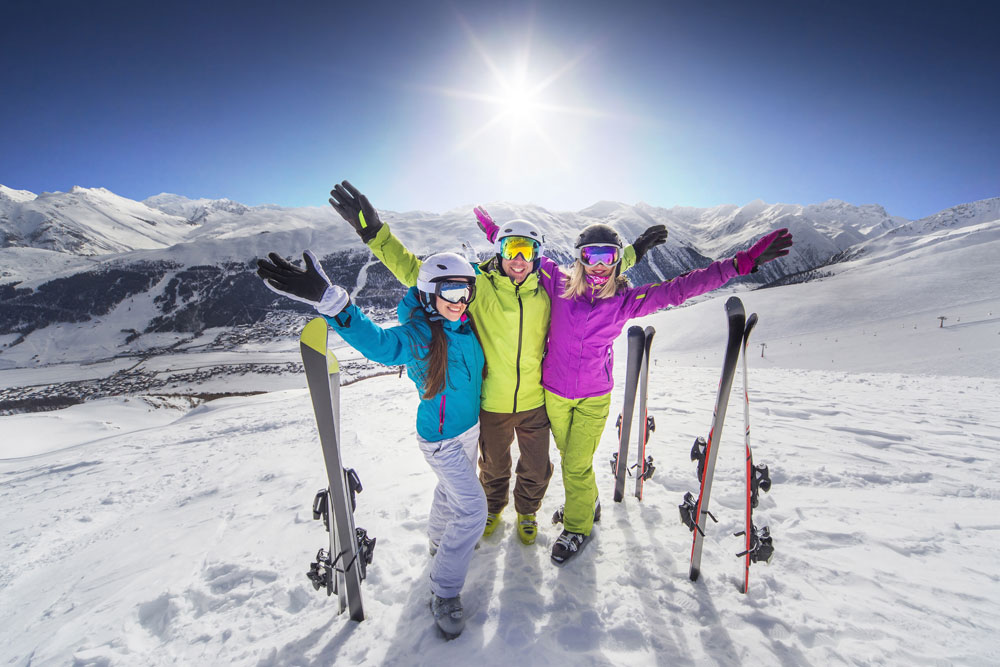
Intermediates
Intermediates do really well here because the area has enough variety to keep your week interesting without forcing you onto gnarly routes just to get around. You can cruise, rack up mileage, and build confidence in different sectors.
Stay tip:
- If your group wants a bit more evening life and a “proper town” feel, base yourselves in Ponte di Legno and use the lift link for your ski days – it’s a great blend of on-snow variety and off-snow atmosphere.

Advanced skiers & snow-sure seekers
If you like steeper pistes, off-piste lines, and “serious mountain” terrain, the higher zones around Presena and the freeride areas are the big draw. Check out zones like Mandrone, Maroccaro, Cima Venezia, Pisgana and Presena Glacier for freeride, but don’t treat that as a green light to wing it: get local guidance, carry proper kit, and check avalanche info daily.
Stay tip:
- Pick Tonale if you want quickest access to the upper mountain, or Ponte di Legno if you want better evenings and don’t mind linking in each morning.

Snowboarders
Chairlift-heavy networks are usually a snowboard win, and that’s the case here: fewer drag-lift tantrums, fewer “please unstrap to push for 600 metres” horrors.
Stay tip:
- Staying in Passo Tonale is the most board-friendly for pure convenience – especially if you’re new-ish and don’t want extra transport layers. If you’re confident and want more evening options, Ponte di Legno works well too, just plan your daily link so you’re not racing the last lift home.

Beginners (with a smart plan)
This is a confidence-builder of a resort: you’ve got dedicated learning areas, ski school infrastructure, and the general layout makes it easy to do short, low-stress sessions without turning the day into an expedition.
Stay tip:
- If you’re brand new, stay in Passo Tonale itself so you can walk to lessons, bail easily when you’re tired, and avoid adding transport faff to already-tiring days.

Families
Family infrastructure is one of the resort’s big strengths: ski schools, kids’ areas, and practical base layouts that don’t make everything harder than it needs to be.
A huge money-saver detail for many families is the under-8 policy: children 0–8 accompanied by a paying adult can get a free skipass (one free child per paying adult).
Stay tip:
- With younger kids, Passo Tonale is the easy-mode option. With older teens, Ponte di Legno can be a better “everyone’s happy” base.

Freestyle / Terrain Parks
There’s a proper freestyle setup in the area with the Adamello Freestyle Snowpark, designed with multiple lines so you can progress without feeling like you’ve accidentally wandered into the X Games.
The resort has four lines (including easy/medium routes), with a mix of kickers and boxes/rails, and around 13 structures total.
Stay tip:
- Stay in Tonale if you want to roll up fast and lap it; stay in Ponte di Legno if you want calmer evenings and are happy commuting in for park sessions.
Looking to stay in Passo Tonale?
Where is Passo Tonale?
Passo Tonale is on the Tonale Pass in northern Italy, sitting on the border between Lombardy and Trentino (Val di Sole side).
It’s part of the Pontedilegno–Tonale ski area, with nearby bases including Ponte di Legno and Temù on the Lombardy side and Vermiglio in Val di Sole. For travel planning, think of it as “very driveable from North-East Italy’s airports,” plus workable train-and-bus routes if you’re patient and packing light.
Looking to stay in Passo Tonale?
Skiing in Passo Tonale (ski area, terrain, lifts, snow)
Passo Tonale’s skiing is built around a simple promise: give you lots of runs, lots of repetition, and easy ways to move between zones without needing a PhD in trail-map navigation.
It’s one of those places where you can ski a ton in a day because you’re not constantly dealing with bottlenecks or “how do we even get back?” moments.
The ski area spreads across Tonale, Ponte di Legno, Temù, and the higher Presena sector, so your week can be as chilled or as adventurous as you like.
The smart way to ski it is to match your base to your priorities: Tonale for maximum convenience and quick access to altitude, Ponte di Legno for nicer evenings and a more “real town” feel, Temù for quieter/value vibes.


Terrain overview
The Passo Tonale ski area is best understood as four linked pieces rather than one single bowl: Passo Tonale itself, the Presena glacier sector above, and the lower, more wooded sectors of Ponte di Legno and Temù.
Tonale is the easy, high-altitude launch pad where you can stack quick laps without much faff, especially if you want open slopes, wide pistes and fast access to the upper mountain.
Head upward and you’ve got Presena for altitude, dramatic views and that properly big-mountain feel; head down toward Ponte di Legno and Temù and the landscape changes completely, with more tree-lined skiing and a more traditional Alpine feel under your skis.
That contrast is one of the resort’s best tricks: you can start your day in Tonale’s wide-open terrain, then spend the afternoon dropping into quieter, more scenic lower sectors when everyone else is still circling the obvious lifts. In practice, it’s a resort that rewards a bit of planning: choose your first sector wisely, then use the linked system to change the mood later in the day.
Stay tip:
If you want to explore multiple sectors most days, base in central Passo Tonale so your daily starting point stays simple and you’re never wasting prime morning snow on logistics.
Lifts & getting around the mountain
Getting around here is pretty straightforward once you realise Tonale is built for movement, not just for looking pretty on a piste map.
The system is modern in feel, with a strong chairlift backbone, cable-car access toward Presena, and beginner-friendly conveyor lifts in the learning zones, so it tends to feel smoother and more snowboard-friendly than older resorts that still lean too heavily on drags.
The real bottlenecks are less about poor infrastructure and more about human nature: everyone wants the same obvious lifts at the same obvious times.
That means the smartest strategy is still the least glamorous one – get out early, use Tonale’s convenience to your advantage, and avoid joining the 9:30 to 10:30 shuffle when late starters finally appear.
If you’re heading for glacier terrain, go early before sightseeing foot traffic and altitude-chasers build up.
If you’re staying lower down and skiing back from Ponte di Legno or Temù, keep an eye on the return route timing rather than leaving it to chance at the end of the day.
Lunch timing matters here too: eating early or late makes the whole mountain feel calmer.
Stay tip:
If queues stress you out, go for ski-in/ski-out or near-lift lodging in Passo Tonale so you can beat the crowds without relying on buses, cars or anyone else getting organised.
Snow reliability & season length
Snow reliability is one of Tonale’s big selling points, and unlike some resorts that oversell that line, this one has a pretty decent case.
Passo Tonale sits at around 1,884m and rises to roughly 3,100m in the Presena area, so you’re starting high and then climbing into genuinely snow-sure terrain rather than hoping the base survives a warm week.
The nearby glacier is the headline act, but it’s the whole altitude profile that makes the area attractive for core winter and late-season trips.
Tonale’s open, sunny exposure can be lovely on cold bluebird days, especially for learners and improvers, but it also means conditions can shift through the day: softer snow on sun-hit slopes, better preserved surfaces higher up, and the most reliable snow usually found on the upper mountain when temperatures wobble.
The resort also leans on programmed snowmaking, which helps keep the main network moving when natural snowfall is patchy.
For trip planning, the published 2025/26 pattern ran from late November into early May, which is a useful guide for 2026/27 even though you’d still want to check the latest operating dates nearer departure.
Stay tip:
For early- or late-season trips, stay in Passo Tonale so you’re closest to the highest lifts and best-positioned terrain when lower sectors are less dependable.

Tonale has proper freeride appeal, especially around the Presena side, but it is absolutely not the kind of place to treat as “a few cheeky side hits off the piste and we’ll be fine.”
Check out the freeride access around Mandrone, Maroccaro, Cima Venezia and Pisgana, with routes branching away from the high mountain around the glacier area.
This is serious terrain, not just marked adventure skiing with a dramatic name. The access is part of what makes it tempting: lifts get you high quickly, so it can feel deceptively easy to step away from the piste.
That’s exactly why people get caught out. Snowpack, visibility and exits matter here, and the mountains around Presena are the sort that can punish lazy decisions very quickly. Daily avalanche checks, proper kit, solid route knowledge and not going solo are the boring bits that keep the day fun.
If it’s your first off-piste day in the area, paying for a local guide is money well spent because they’ll show you not just where to go, but where not to drift when the powder fever kicks in.
Stay tip:
Advanced riders and skiers chasing freeride access should stay in Passo Tonale for the fastest jump into the upper mountain and the least faff on weather-sensitive days.
Beginners & improvers
Beginners actually get a very solid deal in Passo Tonale. The resort’s open, sunny terrain is naturally less intimidating than darker, narrower tree-lined resorts, and there are dedicated beginner areas with magic carpets including Tubbo, Discovery and Atlantis, plus the Fantaski zone for early lessons and first-slide confidence building.
That matters, because Tonale isn’t just “easy because it says so on the brochure” – it has the kind of setup that helps people repeat simple movements without being thrown too early into chaos.
The ski area also has established ski schools offering group and private tuition across ski and snowboard disciplines, so there’s proper structure for nervous first-timers and improvers alike.
The only catch is the altitude: because you’re learning high, some people feel more tired than expected on day one. So the winning formula here is still short sessions, proper breaks, morning lessons while legs and brains are fresh, then easy repetition in the afternoon instead of trying to conquer the whole resort before lunch.
Tonale is very good for progression, but only if you pace it sensibly.
Stay tip:
If lessons are the main event, stay central in Passo Tonale so you can walk to meeting points, training areas and beginner uplift without starting every day in a flap.
Freestyle & “more than pistes”
For freestyle, Passo Tonale is more than a token “one rail and a wind-lip” kind of setup.
The Adamello Snowpark sits at about 2,000m and is served by the Valena chairlift, which makes it genuinely easy to dip in for a session rather than committing your whole day to it.
The setup is designed for progression, with space for less confident riders as well as bigger hits and jib features for people who actually want to work on tricks rather than just survive the run-in.
It’s the sort of park that works especially well on a mixed trip: one person can lap features while everyone else cruises the wider mountain and you all meet back up without drama.
Beyond freestyle, the wider Pontedilegno-Tonale area also leans into that “more than pistes” appeal, with glacier access, snowshoeing, family snow play areas, sledging and other winter activities in the valley and resort zones.
So even if someone in your group isn’t skiing flat out from first lift to last, they still won’t feel like they’ve been dragged to the mountains just to sit in ski boots and wait for dinner.
Stay tip:
If you’re a park-first rider or you like mixing piste laps with freestyle sessions, stay in Passo Tonale for the quickest access to Valena and the easiest repeat hits through the day.
Best Runs in Passo Tonale (by ability)
For beginners:
For first turns in Passo Tonale, keep things nice and relaxed on the gentle Tonale-side slopes and use the beginner areas around Discovery and Atlantis to build confidence without any drama.
Once you’re feeling steadier, Valena is a really good next step – wide, friendly, and ideal for practising turns, controlling your speed, and nailing those all-important safe stops. After that, it’s all about sneaking in a few longer easy laps when the slopes are quieter, so you can find your rhythm properly.
For intermediates:
For intermediates, this is the kind of resort where variety really makes the week. Mix up the easy mileage on runs like Valbiolo, Alpe Alta and Tonale Occidentale, then use the linked sectors to stop things feeling samey by day three.
Bleis and Contrabbandieri are well worth weaving into the plan too, especially if you like that satisfying “big ski area” feeling without constantly chasing the hardest terrain. It’s a great place to clock up loads of enjoyable skiing without every run turning into a mission.
For advanced:
For stronger skiers, Paradiso is the big-name run for a reason – steep, dramatic, and definitely one of those “right, let’s do that properly” pistes rather than a lazy end-of-day cruise. Pair that with laps in the Presena sector and a look toward Corno d’Aola if you want your ski day to feel a bit more serious and sporty.
This is where Passo Tonale shows its tougher side, and it’s brilliant when you’re in the mood for fast snow, stronger gradients, and a proper leg-burner.
Off-piste note:
Off-piste here is not a casual add-on: if you’re heading into freeride zones like Mandrone or Presena Glacier terrain, go guided if you’re not local, carry proper kit, and don’t treat tracks as proof of safety.
Looking to stay in Passo Tonale?
Looking for accommodation in Passo Tonale
The big accommodation decision here is basically a lifestyle choice.
Passo Tonale is the convenience king: it’s compact, practical, and built around skiing first. If you want your mornings to be effortless and your “commute” to be measured in minutes (not timetables), Tonale is the obvious base. It’s also the easiest option for beginners, families with small kids, and anyone planning lots of lessons or short ski days.
Ponte di Legno is the charm upgrade. It’s lower (so it feels more like a town, less like a ski base), and sits on a sunny plateau with a long-standing mountain-village feel. This is where you stay if you care about nicer evenings, a more “Italian resort” atmosphere, and more choice for food and drinks.
Temù is smaller and quieter, just a few kilometres away, often a solid shout for value-focused trips where you don’t mind being slightly off the main buzz. Vermiglio is another nearby base with a calm valley vibe.
Quick chooser: which area is right for you?
- If it’s your first time here, or you’re travelling with beginners/kids who’ll be in lessons, pick Passo Tonale and make life easy.
- If you want a “real town” feel, prettier evenings, and a bit more choice once the skis come off, pick Ponte di Legno and treat the ski link as part of the routine.
- If budget is king and you don’t mind quieter nights, Temù can be a smart base – especially for confident skiers who won’t be chasing ski school meeting points every morning.
- If you’re here for altitude access and maximising snow odds, Tonale again is the practical winner.
Village Comparison Table
| Area / Base | Altitude | Vibe | Best For | Nightlife | Beginner-Friendly | Access / Getting Around |
|---|---|---|---|---|---|---|
| Passo Tonale | 1,883m | Purpose-built, ski-first | Ski convenience, families, lessons | ★★ | ★★★★★ | Walkable core; easy lift access |
| Ponte di Legno | 1,258m | Proper town, more charm | Evenings, food choice, mixed groups | ★★★ | ★★★★ | Lift/bus link into the ski area |
| Temù | 1,144m | Small, quiet, good value | Budget trips, calmer stays | ★ | ★★★ | Short hop to main links |
| Vermiglio | 1,260m | Valley village calm | Quiet stays, non-ski vibe | ★ | ★★★ | Drive/bus style access |
(Star ratings are “relative vibe” rather than gospel)
Best Area for First-Timers
For first-timers, choose Passo Tonale because it keeps the whole week simple in the best possible way.
This is the main high-altitude base of the ski area, sitting at around 1,880m, and it’s the place where the resort feels most purpose-built for easy ski days rather than pretty village wandering.
You’ve got the beginner-friendly side of the mountain right there, plus training areas and magic carpets including Tubbo, Discovery and Atlantis, as well as access to lesson-focused zones like Fantaski and the Tonale Mountain Centre.
That means fewer moving parts in the morning, less chance of turning “holiday fun” into a family logistics drill, and a much easier time settling into your rhythm when everything still feels new.
It’s also sunny, open and less enclosed than a lot of lower tree-line resorts, which can make those early confidence-building days feel less intimidating.
Stay tip:
If this is your first ski trip, stay as central in Passo Tonale as your budget allows so lessons, rentals and your first uplift are all a short walk rather than a morning mission.
Best Area for Ski-in Ski-out
For ski-in/ski-out, Passo Tonale is the clear winner – and it’s one of the reasons people like it so much.
The resort has that practical, slope-focused layout where accommodation can genuinely be close to the action, rather than hiding a “short stroll” that turns out to be a sweaty boot march with skis on your shoulder.
Tonale is the part of the wider Pontedilegno-Tonale area that feels most designed around fast slope access, while Ponte di Legno is more of a proper town with its own charm, shops and pedestrian centre. Lovely? Yes. True clip-in-and-go convenience? Not in the same way.
In Ponte di Legno, the cable car up to Tonale is part of the experience, and it only takes about 14 minutes, but that still isn’t the same as stepping out of the hotel and basically being on the piste already.
So if your dream week is maximum skiing, minimum faff, Tonale is the place to be.
Stay tip:
Ignore vague phrases like “close to lifts” and book as near as possible to the lifts or ski school meeting points in Passo Tonale – that’s where the real ski-in/ski-out value is.
Best Area for Nightlife
For nightlife, it really comes down to which version of “good evenings” you actually want.
Passo Tonale is the better pick if you want easy, slope-close après that doesn’t require much planning. Worth visiting are spots like Redival at the start of the Valena slope, La Baracca right in the centre next to the slopes, and Magic Pub Ski Burger, which leans casual, young and easy for post-ski drinks.
Gazana, at the Valbiolo chairlift base, is another one worth knowing, especially if your group likes the idea of drinks that can turn a bit livelier later on.
Tonale’s strength is convenience: you ski, you stop, you drink, job done.
Ponte di Legno, though, wins if your ideal evening is more about atmosphere than volume – it has a pedestrian area, bars, restaurants and more of that polished mountain-town feel.
So Tonale is better for easy après; Ponte is better for a nicer evening wander.
Stay tip:
Stay in Passo Tonale if you want your bars and après within stumbling distance of the slopes; stay in Ponte di Legno if you’d rather swap loud boots-and-beer energy for a prettier resort-town evening.
Best Area for Families
For families, Passo Tonale usually gives you the easiest week, especially with younger kids.
It’s not just that things are close together – it’s that the whole setup is built for keeping life manageable when children are involved.
The resort has specific family services, children’s fun areas and beginner infrastructure, and in Passo Tonale you’ve got quick access to the training zones, ski schools and snow-play spots without constant transfers between bases.
Take a look at places like Fantaski, where there’s a mini-club and babysitting, plus other family-focused snow areas in the wider resort.
There’s also a proper budgeting win here: children aged 0–8 can get a free skipass when accompanied by a paying adult relative on the same type of pass, one free child per paying adult.
That can make a big difference once you start adding up a family ski week. Ponte di Legno becomes more tempting with older kids if you want a nicer town atmosphere after skiing, but for pure ease, Tonale usually wins.
Stay tip:
For a smoother family week, stay in Passo Tonale near the beginner zones so you’ve got fast access to lessons, easy retreat options, and less chance of a full-scale meltdown before 10am.
Best Area for Budget Travellers
For budget travellers, Temù is the one to look at first, especially if you’re happy to trade buzzy evenings for better-value accommodation and a quieter, more local feel.
Temù sits at around 1,144m, just 3km from Ponte di Legno, and it isn’t just some disconnected bargain base – it has its own ski area with 4 chairlifts and 8 slopes, all linked into the wider network, so you’re still plugged into the bigger ski holiday rather than exiled from it.
The wider resort also gives you a few good cost-cutting levers: the official Smart Skipass can knock up to 25% off if you buy online early enough, and some stays in participating accommodation come with 20% off 3- to 8-day skipasses.
On top of that, the ski bus network runs across the area, and for people with 2- to 14-day ski passes or a seasonal pass, the ski bus is free.
That means the smart budget move here is not just “stay cheaper” – it’s “stay cheaper and plan your pass properly.”
Stay tip:
If keeping costs down matters more than being in the thick of the après, stay in Temù and combine cheaper lodging with an early-bought Smart Skipass for the best-value setup.
Our Top Hotels

★★★★
- Central Passo Tonale / opposite the slopes
- Lifts - next to the cable cars
- Large spa + pool
It’s right in the thick of Passo Tonale, opposite the slopes and beside the lift set-up.
The hotel itself is big and busy in a classic Italian ski-hotel way, with plenty under one roof – restaurant, bar, pizzeria, pub, theatre and a large spa area.
The spa is a proper feature, with pool, Jacuzzi, saunas, Turkish bath, Kneipp pools and massage cabins, so your evening is sorted.
Why choose it? A central, slope-facing base that makes a first ski week feel less like admin and more like a holiday.

★★★★
- Near the slopes / Passo Tonale
- Lifts - few metres from the ski slopes
- Pool + spa
It’s just a few metres from the slopes, and the wellness set-up is amazing, with an indoor pool, sauna, steam room and hot tub, plus the nice grown-up bonus of a wine-tasting room with more than 150 labels.
The rooms range from comfort twins to junior suites, so it can work for couples, families and friends who want more polish than a basic ski hotel.
Why choose it? Strong slope access plus a genuinely useful spa set-up – not just a lonely sauna by the bins.

★★★★
- Passo Tonale / 200 m from Adamello piste
- Lifts - around 3-4 mins walk
- Wellness area
It’s around 200 metres from the Adamello slopes, so you’re close without paying a premium.
It’s not trying to be boutique, and that’s part of its charm – you get space, a lively bar, decent mountain-holiday energy and easy enough access for most skiers.
The rooms are simple but comfortable, and the hotel works especially well if you’re prioritising value and convenience over ‘ooh look, designer lamps.’
Why choose it? Reliable, well-located and sensibly priced – the ski-holiday equivalent of a good waterproof jacket.

★★★
- Quiet sunny spot / close to centre
- Lifts - around 1 min walk / stone’s throw from slopes
It has exactly what lower-cost ski hotels need: a close-to-slope position, a central-ish location, and a traditional set-up that gives you the basics without overcharging for shiny extras.
The family-run feel keeps it warm, and the location means you’re not wasting energy or cash on transport faff.
It’s especially good for mates, solo skiers or families who would rather pay for lessons, lift passes or lunches than a spa they’ll use twice.
Why choose it? Good location, lower spend, no nonsense – exactly what a budget ski base should be.
Tour Operators who go here
Looking to stay in Passo Tonale?
Après ski, restaurants & winter activities
Passo Tonale’s social life is built around ski-day rhythm: you ski, you regroup, you eat, you do a few drinks, and then you either call it (early start tomorrow) or you keep it ticking over somewhere lively.
It’s not the most glamorous après scene in the Alps, but it’s reliable, friendly, and easy – which is exactly what a lot of people actually want after skiing.
Food is one of the real highlights because you’ve got loads of huts and slope-side restaurants to turn lunch into an event.
You can keep it quick, or you can do a proper “sit down, order something regional, accidentally lose 90 minutes” lunch.
There’s also a decent spread of village restaurants across Tonale, Ponte di Legno, Temù and nearby areas, so you don’t have to eat the same pizza twice (unless you want to, which… fair).
For non-skiers or rest days, the area leans into winter activities: ice skating, snowshoeing, sleddog, fat bike, and more adventurous options like ice driving experiences or helicopter tours.
That’s great if your group has mixed energy levels, or if you’re the kind of person who likes to feel busy even when your legs are begging for mercy

In Passo Tonale, après is straightforward: you finish skiing, wander into a bar, and the vibe builds naturally.
Bar Tavola Calda Redival is a classic post-ski stop, La Baracca is another easy “warm up and chat nonsense” option, and Magic Pub is there when you want things a bit more… pubby.
Gazana is great for keeping the evening going without turning it into a full-on mission.
If you like your après with a view, some of the mountain spots do double duty: you can stretch lunch into “sunset-ish drinks” at places like Passo Paradiso or the Panorama 3000 Glacier Sky bar when you want a proper high-altitude moment.
The key is timing: if you want lively, finish your last run near the places you actually want to drink, otherwise you’ll be faffing with getting back to base while everyone else is already clinking glasses.
Mountain‑top Moments
Mountain food in Passo Tonale is a proper part of the ski day, not just a refuel stop.
Capanna Presena is the scenic show-off choice up on the glacier at 2,753m, ideal for a longer lunch with big views and a more polished feel.
Panorama 3000 Glacier is more of a drink-and-photos stop, with huge views over the surrounding peaks plus aperitifs, snacks and platters. On the glacier side, Passo Paradiso is a classic lunch stop, while Malga Valbiolo is great for mixed groups thanks to its self-service, bar and pizzeria setup.
For a more traditional mountain-hut feel, Rifugio Nigritella is a handy, easy-going option for typical dishes and snacks, while Rifugio Petit Pierre is one of the stronger food stops if lunch matters to you, with dishes like pizzoccheri, canederli, goulash soup, deer stew with polenta and homemade cakes.
Over in Temù, La Maralsina is worth knowing for typical dishes and warm sandwiches. The smart move is still to eat before 12:00 or after 13:30 in busy weeks, and if you’re skiing with beginners, pick huts that don’t require a heroic final run to reach.

The nice thing about Passo Tonale and the wider Pontedilegno-Tonale area is that you can actually build a proper week of eating rather than ending up in the same one-size-fits-all pizza place every night.
In Ponte di Legno, the choice feels broader and a bit more “let’s make an evening of this.”
La Loggia is a good one for a more polished dinner with typical dishes and more, plus lovely views over the Adamello area, while San Marco leans into refreshed Valle Camonica cooking with a more refined feel and a strong local wine angle.
El Volt is the elegant pick when you want traditional food done in a more updated way, with local produce and a serious wine cellar, and Al Tabià is one to know if your group likes a cosier mountain style and wants grilled meats, wood-oven au gratin first courses, homemade desserts and pizza all in one place.
Il Ceppo is another reliable all-rounder near the lifts, mixing reworked local dishes with pizza, so it works well when some of the table want a proper dinner and others just want comfort food.
If you want things to feel even more local and rustic, that’s where places like Agritur Belotti and Maso Guera come in.
Agritur Belotti is all about traditional cooking and local products, using ingredients from its own farm, so this is the sort of place for the full “we are absolutely in the mountains” dinner. Maso Guera has that warm, wood-heavy, cosy style that people picture when they say they want an Alpine restaurant, and it’s pitched as a good stop for the house specialities after skiing.
Over in Passo Tonale itself, the dinner scene is a bit smaller, but you can still eat very well: Chalet Savoia is handy for a relaxed evening and is specifically known for good pizza, while Chalet Miramonti goes more for the stylish chalet look with a gourmet pizzeria feel.
Across the area, the local food language is very much casoncelli, canederli, pizzoccheri, spätzle, mountain cheeses and hearty meat dishes, so if that’s your kind of holiday eating, you’ll be in a very happy place.
In simple terms, Ponte di Legno gives you the easier dinner rotation, while Tonale is more about finding two or three places you really like and happily going back.
And in peak weeks, definitely book ahead for at least a couple of nights – the 7pm “can you fit in eight hungry skiers?” gamble is not a glamorous holiday tradition.
If you’ve got a rest day (or a friend who doesn’t ski), you’re not stuck staring at your boots.
The resort pushes a wide mix of winter activities: ice skating, snowshoeing, sleddog, snowkite, fat bike, snowmobile excursions, and more “big experience” options like ice driving and helicopter tours.
For something calmer, base yourselves in Ponte di Legno for a proper wander, café stops, and a more town-like day that still feels like a holiday.
If your legs are cooked, a wellness day can be the smart reset button (the wider region leans into wellness and thermal options, even if you keep it simple with a spa-style afternoon).
And if you’re travelling with kids, the best non-ski plan is usually the least ambitious one: a short activity, a good lunch, and back before everyone gets overtired.

Getting home safely & easily
Getting back after dinner or après is one of those things that’s blissfully easy in Passo Tonale and a bit more “worth thinking about” elsewhere.
In Tonale itself, the resort is compact enough that most evenings end with a simple walk back to your hotel. It’s one of the big advantages of staying there: bars, restaurants and accommodation are generally close enough together that you don’t spend half the evening organising the journey home.
If you’re staying in Ponte di Legno, Temù or one of the smaller nearby bases, the end-of-night plan matters more.
These are better for atmosphere, village feel and a broader dinner scene, but they’re not quite as “fall out of the restaurant and into bed” as Tonale.
That means it’s worth knowing your last lift, last bus or shuttle options before the evening gets too relaxed, especially in peak weeks. Local buses connect the wider area and make moving between bases perfectly doable, but they’re not something to leave to chance at 10pm.
Taxis are there when you need them, but this is very much a convenience move rather than a slick, always-on resort taxi network with neat published fares and endless availability.
So the simple version is: stay in Passo Tonale for the easiest evenings home; stay in Ponte di Legno or Temù for more atmosphere, but be a bit more organised about how you’re getting back.

Ski schools & learning zones
Passo Tonale is set up to make lessons feel normal rather than intimidating.
The resort has multiple ski schools across the area, and the big advantage is that the terrain and base layout work well for progression: beginners can stay in dedicated zones, improvers can move up without huge “now we’re on a scary mountain” jumps, and families can run a smoother morning routine because meeting points are generally easy to reach.
If you’re the kind of person who learns best with structure, book lessons early for peak weeks and aim for morning sessions when your legs and brain are fresh. If you’re nervous or returning after years away, private lessons can be a shortcut to confidence – not just technique – because someone can help you pick the right terrain and stop you accidentally taking the “wrong way down” confidence destroyer.

The Passo Tonale area has a genuinely solid beginner setup, which is a big part of why it works so well for first-timers, nervous returners, and families with kids at different stages.
There are dedicated learning zones, child-friendly snow areas, and the kind of gentle progression terrain that lets people build confidence without feeling thrown into the deep end too early.
The resort also has multiple ski schools offering both ski and snowboard instruction, including Scuola Sci e Snowboard Pontedilegno-Tonale, Scuola Tonale Presena, Pontedilegno Ski School, and Evolution Ski School, so you’re not short of options when it comes to finding lessons that suit your pace and style.
For younger children, Fantaski is a name worth knowing too, because that “make it fun, safe and low-pressure” environment can make a massive difference when you’re trying to turn a cold mountain holiday into something they actually want to do again.
For absolute beginners, the big win here is not trying to fast-track yourself onto bigger slopes just because you’ve managed two wobbly turns and a brave face.
Day one should really be about the boring-but-important stuff: stopping properly, turning both ways without panic, controlling speed, and getting on and off beginner uplift without turning it into a mini public performance. That’s not “taking it slow” – that’s building the skills that make the rest of the week enjoyable.
For improvers, Passo Tonale works best when you treat lessons and practice as one joined-up plan. Do the coached session, then stay on the same terrain for another hour and repeat what you’ve just learned while it’s still fresh.
That’s the point where technique starts to stick, rather than vanishing overnight and making every morning feel like a reset.
If lessons are a big part of your trip, staying in Passo Tonale makes life much, much easier.
It’s the practical base of the ski area, and that matters more than people think when your mornings revolve around lesson times, rental boots, missing gloves, or a child suddenly announcing they are definitely not skiing today after all.
Being close to the meeting points means short walks, easier starts, and less chance of the whole day going sideways before anyone has even clicked into a binding.
It also makes a big difference for tired legs and morale later on: if someone’s had enough by lunchtime, or the lesson finishes and they need a proper break, you can get back to your accommodation without a full transport operation. For families and mixed-ability groups especially, that convenience is gold.
If you stay in Ponte di Legno because you prefer the atmosphere, prettier town setting, or a more traditional village feel, that can still work perfectly well – you just need to be a bit more organised about it.
The key is to choose accommodation that makes the morning link into the ski area straightforward and to build in some buffer time rather than planning everything to the minute.
One of the nicest things about lesson mornings in Passo Tonale is that they can be wonderfully low-drama.
If you’re staying in the main resort, it’s often basically a case of getting dressed, walking out, finding your meeting point, and getting on with it. That simplicity is a bigger deal than it sounds, especially if you’ve got children to wrangle, you’re carrying half your life in a ski bag, or you’re trying to look calm while secretly feeling quite nervous about your own lesson.
Ski holidays are always easier when the first job of the day isn’t a complicated transfer. In Tonale, the setup tends to support that easy “show up and ski” rhythm, which is exactly what beginners need.
If you’re staying outside Tonale, just be realistic and plan like someone who has done ski mornings before. Yes, the wider area has transport links and local connections, but that doesn’t mean you should cut timings fine and hope the mountain gods sort it out. If you’re travelling in school holidays or another peak week, assume everything will take a bit longer than you think and act accordingly.
The best lesson mornings are the ones where you arrive early enough to breathe, sort kit, maybe grab a quick coffee, and start the session feeling calm rather than flustered. Nobody has ever regretted being ten minutes early for ski school.
Looking to stay in Passo Tonale?

Lift passes, costs & budgeting
Passo Tonale’s lift pass world has a few moving parts, and the easiest way to stay sane is to think in three buckets: “standard area pass,” “smart discount pass,” and “beginner/family hacks.”
The standard pass covers the Pontedilegno–Tonale ski area. Then you’ve got Smart Skipass pricing, which can discount passes if you buy early and availability allows. And if you’re travelling with young kids, there are specific rules that can save you a lot.
Prices vary by date bands (peak vs off-peak), and multi-day passes that overlap different periods can be charged based on the period with the most ski days. So if you’re price-sensitive, your timing matters: even shifting your travel by a few days can change your numbers.
Which ski pass should you buy in Passo Tonale?
Think of it like this: buy the pass that matches your days 1–2, not the imaginary version of you who might be lapping glacier reds by Thursday.
Option A - Skipass Pontedilegno-Tonale
- Best for: most ski holidays, especially if you want the full linked area without overthinking it.
- What you’ll actually use it for: skiing across Passo Tonale, Presena, Ponte di Legno and Temù with one pass and no daily faff.
- Why you’ll like it: it’s the straightforward, no-nonsense option – one pass that covers the whole area you actually came to ski.
- Who it suits best: anyone doing a normal ski week, whether you’re based in Tonale, Ponte di Legno or Temù.
- Good to know: even if you mostly stick to Tonale and Presena, it still makes sense because you’re paying for flexibility, not just maximum mileage.
Plain English: This is the standard “just sort me out for the whole ski area” pass – the easiest choice if you want one ticket, proper freedom, and no mental admin.
Option B - Smart Skipass
Best for: planners, early bookers, and anyone who gets a small thrill from knowing they beat peak-price ski costs.
What you’ll actually use it for: getting discounted hourly, daily or consecutive-day passes if you buy early enough and the cheaper allocation is still there.
Why you’ll like it: it can save you up to around 25%, which is properly worth having if you already know your dates and want to keep costs down.
Who it suits best: organised skiers booking ahead, flexible travellers, or anyone happy to lock in the good-value days early.
Heads-up: it’s a dynamic pricing system with limited availability, so the best-value rates go first – leave it late in a busy week and you may end up paying standard prices anyway.
Plain English: This is the “book early, save money” pass – ideal if you like planning ahead and don’t mind a bit of strategy in exchange for a cheaper ski week.
Option C - Beginner options
- Best for: beginners, late arrivals, or anyone not planning to ski a full day.
- What you’ll actually use them for: a shorter first session, a confidence-building warm-up, or a low-pressure “let’s just do a few hours” kind of start.
- Why you’ll like them: hourly passes can save you money when a full-day ticket would be overkill, especially if the plan is more “two hours then hot chocolate” than “first lift to last lift.”
- Beginner-friendly angle: ideal for day one when you’re still finding your feet, figuring out boots, and working out whether your legs are ready for a proper ski day.
- Family bonus: the big one here is the under-8 rule – children aged 0–8 can get a free skipass when accompanied by a paying adult, on the basis of 1 paying adult = 1 free child.
- Good to know: the official price list includes hourly skipasses such as 3, 4 and 5 hour options, with prices varying by season period.
Plain English: This is the “we’re easing into it” option – perfect if you want a cheaper, lower-pressure start or you’re travelling with younger kids and want to make the numbers work better.
Lift pass prices (Winter 2025/26)
Here are the published headline prices for Passo Tonale Winter 2025/26 (prices shown in EUR):
| Pontedilegno-Tonale Pass | Adult | Youth / Junior |
|---|---|---|
| Half day (4 hours) | €56.00 | €44.00 |
| 1 day | €68.00 | €54.00 |
| 6 days | €325.00 | €228.00 |
| 7 days | €350.00 | €245.00 |
Deposits, insurance, and when to buy
Here’s how to do Passo Tonale like someone who hates queues and hates wasting money:
Deposits
There is a €5 k-card deposit when you buy a skipass at the ticket office. The good news is it’s refundable when you hand the card back. If you lose a 3- to 14-day, non-consecutive or season pass, duplication is possible, but normally costs €35 if you can provide the skipass number; if you’ve added that number in the resort app, the first duplicate drops to just the €5 k-card deposit.
Insurance
Third-party liability insurance is legally mandatory on the slopes in Italy, and if you don’t already have it, you can buy cover online or at the ticket office with your pass. The resort also sells SNOWCARE daily insurance, which covers accidents and injuries while skiing, snowboarding, cross-country skiing and sledging, priced at €3 per day for adults and €1.50 for children aged 0–8.
Also worth knowing: helmets are now mandatory for adults too in resort, not just children.
When to buy to avoid overpaying
If you want to avoid paying more than you need to, the simple answer is: buy online early.
Passo Tonale’s Smart Skipass works on dynamic pricing, with discounts of up to 25% on hourly, daily and 2 to 14-day consecutive passes, but the discounted allocation is limited and the price can change during the day as more people buy.
Once the cheaper bands are gone, you’re looking at the full list price, and the resort is very clear that buying at the desk means paying standard price.
One extra angle worth checking: if you’re staying in one of the resort’s participating accommodations, there’s also a 20% discount on 3 to 8 day skipasses, which can beat leaving everything until the last minute and hoping for the best.
Looking to stay in Passo Tonale?
Common Passo Tonale Ski Holiday Mistakes
Passo Tonale is easy to enjoy, but its high-altitude terrain, linked ski areas and glacier conditions mean a few common mistakes can make your holiday more complicated.
Booking the “wrong base” for how you actually ski
People book Ponte di Legno because it’s charming, then realise they’re a “first lift, last lift” group and they’ve added daily logistics. Or they book Tonale for convenience, then get bored of the quieter evenings.
Be honest: if your joy is skiing hard, stay Tonale. If your joy is evenings and atmosphere, stay Ponte di Legno and accept the commute. Your future self will either thank you… or complain loudly over breakfast.
Overpaying for lift passes by ignoring the easy discounts
Smart Skipass rewards early booking with limited-quantity discounts, and partner accommodation can unlock additional savings on certain multi-day passes. People often pay full whack because they assume ski pass pricing is fixed like a cinema ticket. It isn’t.
Plan ahead, price-check your exact dates, and remember the under-8 free rule if that applies to your group. That’s not “coupon cutting,” it’s just not setting money on fire.
Trying to “see everything” on day one
The area has multiple sectors, and it’s tempting to roam immediately. But day one is when people get lost, end up on steeper terrain than planned, and waste an hour regrouping somewhere windy.
Instead, pick one zone, get your legs and your map sense back, and then roam from day two. You’ll ski more, you’ll argue less, and you’ll be less likely to end the day googling “how to unclench calves.”
Treating freeride terrain like it’s a groomed run with vibes
The resort highlights freeride zones, which can make people overconfident. Don’t be that person. Off-piste is serious terrain: avalanche conditions change daily, visibility can ruin your orientation, and “there are tracks” is not a safety assessment.
If you’re not local, hire a guide for at least the first day, carry proper kit, and don’t go solo. The mountain does not care how good your Instagram looks.
Turning lunch into a time-sink every single day
Look, I love a long Italian lunch as much as anyone. But if you sit down at 12:30 in peak week at a popular hut, you’ll queue, you’ll wait, you’ll linger, and suddenly you’ve skied… three runs.
Do two “big lunch” days and keep the rest efficient: eat earlier or later, pick huts strategically, and remember you can do a proper dinner later. Your ski legs deserve better.
Getting to Passo Tonale
Getting to Passo Tonale is straightforward, with several airport options and useful road, rail and bus connections into the resort. Whether you’re flying, driving or arriving by train, here’s everything you need to know before you travel.
1) Fly + road transfer
(the “easiest for most UK skiers” option)
For most people, this is the cleanest way in: fly into one of the bigger North-East Italy airports, then do the last leg by road in a private transfer or pre-booked shuttle.
Bergamo Orio al Serio is the quickest of the main airport options by car, with Verona not far behind, while Malpensa is more of a commitment.
Typical timings look like this:
- Bergamo Orio al Serio → Passo Tonale / Pontedilegno-Tonale: roughly 2 hours.
- Verona → Passo Tonale / Pontedilegno-Tonale: roughly 2 hours 30 minutes.
- Milan Malpensa → Passo Tonale / Pontedilegno-Tonale: roughly 3 hours.
- Venice Marco Polo → Passo Tonale / Pontedilegno-Tonale: roughly 3 hours 40 minutes.
Real-world tip: If you’re landing on a Saturday in winter, book the transfer early and leave yourself some emotional room for weather and mountain-road faff – this is still the Alps, not an airport-to-city-centre zip.
2) Train + bus
(the “car-free and doable, but not exactly effortless” option)
Train-and-bus absolutely works for Passo Tonale, but it’s more “sensible travel plan” than “glide off the platform and into resort life.”
The official Lombardy-side route is train to Edolo, then bus on to Ponte di Legno, while the Trentino-side route is to Trento, then the Trento–Malè railway, then a bus up to Passo del Tonale.
Typical timings look like this:
- Brescia → Edolo (train): roughly 2 hours on the Trenord line.
- Edolo → Ponte di Legno / Passo del Tonale (bus): roughly 20–40 minutes.
- Trento → Malè (railway): roughly 1 hour 15 minutes to 1 hour 45 minutes.
- Malè → Passo del Tonale (bus): allow roughly 1 hour.
Real-world tip: This is a good option for couples travelling light or anyone who really doesn’t want to drive – but with ski bags, children and a tight evening connection, it can start to feel like a full extra sport.
3) Driving to Passo Tonale
(flexible, practical, and probably the easiest if you like being in charge)
Driving to Passo Tonale is pretty straightforward in principle: motorway first, then mountain roads for the final stretch. From the Lombardy side you’ll usually come off the A4 and follow the SS42 toward Valle Camonica and Passo Tonale, while from the Trentino side you’ll use the A22, then head via San Michele or Trento Nord, onto the SS43 and then the SS42 toward Val di Sole and the pass.
Typical timings look like this:
- Bergamo → Passo Tonale: roughly 2 hours.
- Verona → Passo Tonale: roughly 2 hours 30 minutes.
- Milan → Passo Tonale: driving time is usually 3 hour-ish.
- Trento → Passo Tonale: 1 hour 45 minutes to 2 hours.
Real-world tip: If you’re staying in Passo Tonale, treat the car as your “arrival and departure machine,” not your daily ski plan – mountain driving is much less glamorous once everyone’s tired and it’s snowing sideways.
Getting around once you’re there (mercifully simple… if you stay in the right bit)
Walking (the dream option - and why Passo Tonale is the easy one)
Passo Tonale is compact, practical, and built in that very handy ski-resort way where lifts, rentals, bars and hotels tend to be close enough that you’re not doing a full expedition every time you need something. Life is easy-mode: walk to skiing, walk to dinner, walk home after après. It’s one of those resorts where staying central really does make the whole week feel smoother.
Local transport (fine for wider exploring - just don’t freestyle the timings)
If you’re staying in Ponte di Legno, Temù or one of the nearby villages, getting around is still perfectly doable - it just becomes a bit more of a planned operation. You’ll usually mix walking with local buses, lift links or the occasional taxi, especially if you’re moving between bases rather than staying glued to one sector.
Taxis (handy in a pinch - not something to build your whole week around)
Taxis do exist, and they’re useful when you want the easy way home after dinner and can’t be bothered with the full public-transport shuffle. Taxi pricing isn't always clear, so it’s better to think of them as a convenience option rather than your masterplan. Basically: great as a backup, less great as your everyday transport strategy.
Ready to make your piste dreams a reality?
Whether you’re scouting dreamy hotels, comparing the best tour operators or looking for fresh ski inspiration, we’re here to help you turn ideas into an actual holiday.
Take the next step by browsing hotels in this resort, choosing a trusted ski tour operator or signing up to our newsletter for destination ideas, practical advice and the latest tips delivered straight to your inbox. From finding the right place to stay to choosing the best way to book, we’ve got plenty to help you plan with confidence. Pick your next move and let the adventure begin.
Looking for more inspiration?
Sign up to our free newsletter

Ready to book your stay?
Take a look at our hotel guide and see what suits your requirements and budget
Tour operators
For more from our tour operators click the logos above
Passo Tonale FAQs
Whether you’re visiting Passo Tonale for the first time or heading back for another trip, these FAQs should help answer the most common questions before you book and before you travel.
Is Passo Tonale snow-sure enough for a once-a-year trip?
It’s one of the stronger Italian bets because the base is high (1,883m) and the ski area rises toward 3,000m+ around the Presena sector. That combo usually means better coverage through the core winter months than lower resorts.
Recent published dates points to late-November opening and operations potentially into early May depending on conditions. In plain English: your odds are good, but always build a Plan B day for wind/visibility.
Should I stay in Passo Tonale or Ponte di Legno?
If you want the trip to run on autopilot, choose Passo Tonale: it’s compact, practical, and built around skiing first. If you want evenings that feel more like a holiday town – more charm, more atmosphere, more choice – choose Ponte di Legno, which is a mountain village on a sunny plateau at 1,258m.
The trade-off is daily linking into the ski area. Most first-timers and families pick Tonale for simplicity; most “we care about dinner and vibes” groups prefer Ponte.
What lift pass should I buy for a week?
For most people, the standard Skipass Pontedilegno–Tonale is the right answer because it covers the full local linked ski area.
Your next decision is how to buy: Smart Skipass can discount passes (up to 25% off if you buy early, limited availability), which is worth doing if your dates are fixed. If you’ve got under-8s, check the free-skipass rule when accompanied by a paying adult because it can materially change the budget.
How do I avoid overpaying on lift passes?
Three moves: (1) use Smart Skipass early if your dates are fixed (discounts can increase the earlier you buy, and quantities are limited), (2) if you’re staying with participating accommodation, there’s mention of a 20% discount on certain multi-day passes (3–8 days) with conditions, and (3) if you have under-8s, the “1 paying adult = 1 free child” policy is a big saver. Then do the boring-but-smart thing: compare date bands, because prices vary by period.
Is it beginner-friendly?
Yes – not “we have one green slope” beginner-friendly, but “we’ve built infrastructure for learning” beginner-friendly. The resort has multiple ski schools (including Scuola Sci e Snowboard Pontedilegno-Tonale, Scuola Tonale Presena, Pontedilegno Ski School and Evolution Ski School) and highlights kid-focused setups like Fantaski. The practical tip is to stay in Passo Tonale if lessons are central, because removing morning transport stress makes learning easier.
Is it good for snowboarders?
Generally yes, because the lift system is very chairlift-heavy (with fewer drag-lift meltdowns) and the resort is straightforward to navigate without endless flat traverses. It’s also got a proper snowpark setup (Adamello Freestyle Snowpark) with multiple lines and a feature mix designed for progression.
If you’re new to boarding, staying in Tonale makes your week smoother because you can keep routines simple and avoid “commute + learning” double fatigue.
Is there enough to do for a full week?
For most skiers, yes. The area is around 100km with multiple linked sectors, so you can roam and change your day’s feel without needing a mega-resort.
Off the slopes, the resort pushes a big menu of winter activities – ice skating, snowshoeing, sleddog, fat bike, snowmobile excursions, even ice driving and helicopter tours – so rest days don’t have to be “sit in the hotel and stretch.” Your week will feel fullest if you plan two “explore” days and the rest as mileage days.
Can advanced skiers find proper challenge?
Yes, especially if you treat the area as “pistes + freeride zones” rather than just cruising. The resort has freeride zones like Mandrone, Maroccaro, Cima Venezia, Pisgana and Presena Glacier, which signals real mountain terrain.
The sensible approach is to go guided if you’re not local, and to carry proper kit if you’re going off-piste. For steeper piste energy, look toward the sportier side of the network and plan early starts for best snow.
What are the best mountain restaurants and huts?
You’re spoiled for choice, and the official list is long enough that you can rotate without repeating. Names to keep handy: Capanna Presena, Malga Valbiolo, Passo Paradiso, Rifugio Nigritella, Rifugio Petit Pierre, La Maralsina and Panorama 3000 Glacier Sky bar for the “wow” factor.
The pro strategy is to time lunch outside peak rush and pick huts based on your group’s ability so you’re not forcing nervous skiers onto spicy terrain just to eat.
What’s the single best “smooth trip” tip?
Match your base to your priorities, then build your week around that choice.
If you want easy skiing and lessons, stay in Passo Tonale and keep your mornings effortless. If you care about evenings and town atmosphere, stay in Ponte di Legno and treat the ski link as part of the routine. Then lock in savings early:
Smart Skipass rewards advance planning, and families should always check the under-8 free rule because it can change the whole budget equation.